Absolutely! Here is a detailed, human-quality article about the 1997 Jeep Wrangler factory wheels and tires, covering all major aspects, specifications, options, and common questions. The article is expanded and enriched to reach approximately 2000 words, keeping your structure and headings intact.
—
1997 Jeep Wrangler Factory Wheels And Tires: Complete Guide
The 1997 Jeep Wrangler is a classic vehicle loved by off-road fans and everyday drivers. One important part of its performance and style is its wheels and tires. Many owners want to keep their Wrangler looking original or upgrade for better handling and appearance.
Understanding the factory wheels and tires helps you make smart choices for maintenance, replacement, or customization.
Factory Wheel Sizes And Types
The 1997 Jeep Wrangler (TJ) was designed to handle both city streets and rugged trails. The factory wheels reflect this balance, offering durability and a clean, timeless look.
Standard Wheel Specifications
Most 1997 Wranglers came from the factory with steel wheels. The typical factory size was 15 inches in diameter. The width was usually 7 inches. The bolt pattern is an important detail: 5 x 4.5 inches (5 on 4.5). This means the wheel has five lug nuts, and the diameter of the circle passing through the center of all the lugs is 4.5 inches.
The typical factory offset is 0mm to +25mm, which affects how far the wheel sits from the hub. Factory wheels usually have a medium offset, ensuring they fit inside the fender and don’t stick out too far. Backspacing (the distance from the mounting surface to the back edge of the wheel) is usually about 5.25 inches for factory Jeep wheels.
Factory Wheel Designs
Jeep offered a few different wheel designs for the 1997 Wrangler:
- 15×7 Steel Wheels: Most common, strong, and simple in appearance. Sometimes called “wagon wheels.”
- 15×7 Aluminum Alloy Wheels: Available on higher trim levels, these wheels are lighter and have a more stylish look than steel wheels. They’re also less likely to rust but can be more expensive to replace.
While steel wheels are known for their strength and ability to take a beating on rocky trails, alloy wheels are lighter and can improve fuel economy a little bit. Both options were designed to handle the weight and stress of off-road driving.
Center Caps And Lug Nuts
Factory wheels usually came with simple plastic center caps. These help keep dirt and moisture away from the hub. The lug nuts for factory wheels are 1/2-20 thread (1/2 inch diameter, 20 threads per inch). Always check the condition of lug nuts when rotating or replacing wheels, as worn or swollen lug nuts can cause problems.
Factory Tire Sizes And Options
The tires on your Jeep are the only part touching the road (or trail). The factory tires on the 1997 Wrangler were chosen to balance comfort, off-road ability, and gas mileage.
Standard Tire Size
The most common factory tire size for the 1997 Wrangler was P215/75R15 or sometimes P225/75R15. Here’s what those numbers mean:
- P: Passenger tire (lighter duty than LT, which means “light truck”)
- 215/225: Tire width in millimeters
- 75: Aspect ratio (the sidewall height is 75% of the tire’s width)
- R: Radial construction
- 15: Fits a 15-inch wheel
The diameter of these tires is around 27.7 to 28.3 inches, and they are about 8.5 to 9 inches wide. These sizes give the Jeep enough ground clearance for mild off-roading but keep the ride smooth on pavement.
Optional Tire Sizes
Some packages (like the Sahara or special editions) had slightly larger tires, up to P235/75R15. These are about 9.25 inches wide and almost 29 inches tall. Larger tires were not standard from the factory but were a common dealer or owner upgrade.
Tire Types
The factory tires were usually all-season or all-terrain types. Here’s the difference:
- All-season tires: Good for daily driving, paved roads, and light rain or snow. They’re quieter and last longer.
- All-terrain tires: More aggressive tread for better grip on dirt, gravel, or mud. They can be a bit noisier and wear faster on pavement.
Jeep chose tires to match the Wrangler’s adventure-ready image but wanted a tire that worked well for daily driving, too.
Why Factory Specs Matter
Using factory-size wheels and tires keeps your Jeep driving as the engineers intended. Here’s why it matters:
- Speedometer accuracy: Larger or smaller tires change your speed reading.
- Handling and safety: The suspension and steering are designed for certain sizes.
- Clearance: Oversized tires can rub on fenders or suspension parts.
- Gear ratios: The engine and transmission are matched to factory tire sizes for best performance.
If you want to change tire sizes, it’s possible—but you need to consider these factors. Many owners upgrade to bigger tires, but it’s important to understand the trade-offs.
Upgrading Wheels And Tires
One of the most common modifications Jeep owners make is upgrading their wheels and tires. Here’s what to know if you want to go bigger or change the style.
Popular Upgrade Sizes
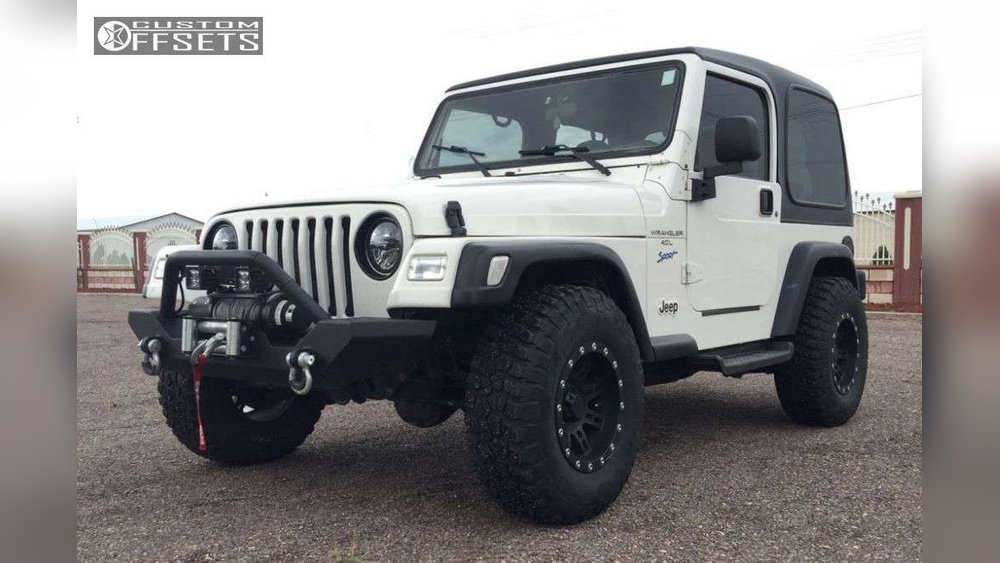
Many Wrangler owners like to fit 31×10.50R15 tires (31 inches tall, 10.5 inches wide) on the factory wheels. These will usually fit without a lift, but may rub slightly at full turn or when the suspension is compressed.
- With a 2-inch suspension lift, you can fit up to 32×11.50R15 tires.
- With a 3-inch or bigger lift, many go up to 33-inch tires or more.
Bigger tires give better ground clearance and a tougher look. But they can reduce acceleration, gas mileage, and put more stress on axles and brakes.
Changing Wheel Size
Some owners switch to 16- or 17-inch wheels for style or to use more modern tire options. If you do this, make sure the bolt pattern and offset match your Jeep’s needs, or you could have problems with fit or handling.
Common Mistakes To Avoid
- Ignoring backspacing: Too little backspacing makes wheels stick out and can hit fenders.
- Over-tightening lug nuts: This can warp the brake rotors.
- Using the wrong center bore: The wheel must fit the hub correctly.
- Skipping speedometer recalibration: With larger tires, your speedometer and odometer will be off.
Factory Tires: Brands And Tread Patterns
In 1997, Jeep used several tire brands on Wranglers, often depending on supply and region. Common brands included Goodyear, General Tire, and Uniroyal. The most frequent tread patterns were all-terrain or highway tread, offering a mix of grip and road comfort.
- Goodyear Wrangler GSA was a popular factory tire, known for its mild all-terrain tread.
- General AmeriTrac appeared on some models.
- Uniroyal Laredo was another seen on base trims.
Factory tires were not as aggressive as modern mud-terrain or off-road tires. If you plan to use your Jeep mostly on pavement, these tires work well and keep road noise low.
How To Identify Factory Wheels And Tires
If you want to restore a 1997 Wrangler or check if yours still has original parts, look for these signs:
- Wheel part numbers: Usually stamped on the back of the wheel. Factory Jeep wheels have a Chrysler/Jeep logo or part code.
- Tire size label: There’s a sticker on the driver’s door jamb that shows the original tire size and recommended pressure.
- Center caps: Factory wheels have plain, simple center caps with or without the Jeep logo.
- Finish: Factory steel wheels are usually painted silver or black. Alloy wheels have a machined or silver finish.
Maintenance Tips
Keeping your wheels and tires in good shape is important for safety and performance. Here’s what to do:
- Check tire pressure monthly – Factory tires usually need about 30-32 PSI. Low pressure causes wear and bad handling.
- Rotate tires every 5,000-7,000 miles – This prevents uneven wear, especially on 4WD vehicles.
- Inspect for damage – Look for cracks, bulges, or deep cuts in the sidewall.
- Balance and align – Unbalanced tires or poor alignment cause vibration and fast wear.
- Clean wheels regularly – Brake dust can damage wheel finish if left too long.
If you use your Jeep off-road, check your tires after every trip for rocks or cuts. Clean mud from the wheels to prevent rust or damage.
When To Replace Factory Tires
Even if your Wrangler is rarely driven, old tires can be unsafe. Here are signs it’s time for new tires:
- Tread depth below 2/32 inch (1.6mm) – Use a tread depth gauge or the penny test.
- Cracks or dry rot – Old tires get hard and can crack, even if tread looks good.
- Vibration or thumping – Could mean a tire is out of round or damaged.
- Uneven wear – Could be a sign of alignment problems or worn suspension.
Tires usually last 5-7 years before the rubber starts to break down, even if the tread isn’t worn out. Check the tire’s DOT code for the manufacturing date; replace if they’re over 7 years old.
Restoring A 1997 Wrangler To Factory Specs
For collectors or those who love the original look, finding factory wheels and tires can be a challenge. Here’s where to look:
- Jeep forums and online marketplaces: Many owners sell take-off wheels and tires.
- Junkyards and auto recyclers: You can often find factory wheels in good shape.
- Specialty shops: Some dealers specialize in OEM (original equipment manufacturer) wheels.
- Tire shops: Ask if they have take-off sets from customers who upgraded.
When buying used wheels, check for cracks, bends, or rust. If you want a perfect look, consider having old wheels refinished or powder-coated.
Frequently Asked Questions
Can I Put Bigger Tires On My 1997 Wrangler Without A Lift?
Yes, but with limits. Most Wranglers can fit 31×10.50R15 tires on stock wheels without rubbing. Anything larger usually needs a suspension lift or changes to the wheel offset.
What’s The Biggest Tire I Can Use On Factory Wheels?
The most common “safe” upgrade is 31×10.50R15. Some owners squeeze on 32-inch tires, but you may get rubbing at full turn or with the suspension compressed.
Will Changing Tire Size Affect My Speedometer?
Yes. Larger diameter tires make your speedometer read slower than your actual speed. You can recalibrate the speedometer with a new gear or a programmer, or use a GPS app to check your speed.
What Is The Bolt Pattern For The 1997 Jeep Wrangler?
It’s 5×4.5 inches (five lugs, 4.5-inch circle). Make sure any replacement wheels match this pattern.
How Much Do Factory Wheels Weigh?
Steel wheels are heavier, usually around 24-28 lbs each. Alloy wheels are lighter, about 18-22 lbs. Heavier wheels can reduce fuel economy and acceleration.
Are Factory Wheels Strong Enough For Off-roading?
Yes, especially the steel wheels. They can bend but are rarely destroyed. Alloy wheels are lighter but can crack if hit hard.
Can I Use Light Truck (lt) Tires On Factory Wheels?
Yes, as long as the size fits. LT tires are tougher and better for carrying loads but may ride rougher and be louder.
Non-obvious Insights
Many beginners miss that Jeep’s factory wheel offset and backspacing are carefully chosen to keep the tires inside the fenders. If you pick aftermarket wheels with less backspacing, the tires can stick out and throw mud or rocks on the body.
This might also make your Jeep illegal in some places without fender flares.
Another detail: Even a small change in tire diameter can noticeably affect your Jeep’s engine power, especially with the 4-cylinder engine common in 1997. Going up just one size can make the Jeep feel slower, especially on hills. If you switch to larger tires, consider changing the axle gear ratio to bring back lost power.
Where To Learn More
For more detailed specs and Jeep community discussions, the [Jeep Wrangler TJ Forum](https://www.wranglerforum.com/forums/tj-tech-forum.5/) is a great resource.
—
Factory wheels and tires are more than just looks—they affect every part of how your Jeep Wrangler drives and feels. Whether you want to keep things original or make upgrades, understanding your 1997 Wrangler’s wheels and tires will help you make the right decisions for safety, style, and performance.