Have you ever turned on your windshield wipers, only to find streaks and smudges blocking your view? It’s frustrating and can be dangerous, especially when you’re driving in bad weather.
If you’re asking yourself, “Why are my wiper blades leaving smudges? ” you’re not alone. Understanding the reasons behind this common problem can help you fix it quickly and keep your windshield crystal clear. Keep reading to discover the simple causes and easy solutions that will make your wipers work like new again.

49% off Today's Exclusive Deals
Limited-time Exclusive Deals. Check current discount on Amazon.
Check Price on Amazon As an Amazon Associate I earn from qualifying purchases.Common Causes Of Smudging
Wiper blades leave smudges on your windshield for several reasons. These common causes affect how well the blades clean. Identifying the problem helps you fix it quickly. Clear vision is important for safe driving. Learn what causes smudges and how to avoid them.
Worn Out Blades
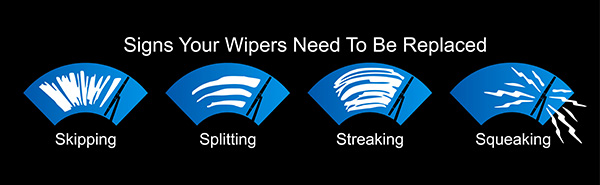
Wiper blades wear out over time. The rubber can crack or harden. Old blades do not touch the glass evenly. This causes streaks and smudges. Replace blades every six to twelve months. New blades wipe clean and clear.
Dirty Windshield
A dirty windshield makes smudges more visible. Dust, dirt, and grime build up on glass. Wiper blades push dirt around instead of cleaning. Clean the windshield regularly with proper cleaner. A clean surface helps blades work better.
49% off Today's Exclusive Deals
Limited-time Exclusive Deals. Check current discount on Amazon.
Check Price on Amazon As an Amazon Associate I earn from qualifying purchases.Improper Installation
Blades installed incorrectly do not fit well. Poor fit causes uneven pressure on glass. This results in streaks and missed spots. Check blade position after installation. Follow the instructions carefully to avoid smudging.
Damaged Wiper Arms
Wiper arms hold the blades against glass. Bent or damaged arms create uneven contact. The blades skip or smear during wiping. Inspect arms for damage or rust. Repair or replace arms to restore smooth wiping.
Quick Cleaning Tips
Quick cleaning helps stop smudges on your windshield fast. Dirt, dust, and grime can build up on wiper blades and glass. This makes your wipers leave streaks and smears. Clean both blades and windshield to get clear vision again. Use the right tools and solutions for best results.
Cleaning The Blades
Lift the wiper blades from the windshield. Use a soft cloth or sponge with warm water. Wipe each blade gently to remove dirt and grime. Check for cracks or damage while cleaning. Dirty blades cause smudges, so cleaning is key.
49% off Today's Exclusive Deals
Limited-time Exclusive Deals. Check current discount on Amazon.
Check Price on Amazon As an Amazon Associate I earn from qualifying purchases.Cleaning The Windshield
Spray a glass cleaner or water on the windshield. Use a clean microfiber cloth to wipe the glass. Clean the entire surface where the wipers touch. Dirt on the glass also causes smudging. A clean windshield lets the blades work better.
Using The Right Cleaning Solutions
Choose cleaners made for glass and rubber. Avoid harsh chemicals that can damage blades or glass. Mild soap mixed with water works well too. Proper solutions keep blades soft and effective. This prevents smudges and improves wiping.
Simple Blade Maintenance
Simple blade maintenance helps keep your windshield clear and safe. Dirty or worn blades often cause smudges. Basic care extends the life of your wipers and improves their performance.
Check your blades often and clean them regularly. Small efforts prevent streaks and improve visibility during rain or snow.
Regular Inspection
Look at your wiper blades every month. Check for cracks, tears, or hard edges. Run your fingers gently along the rubber to feel for rough spots. Replace blades if they look damaged or worn out. Clean dirt and debris from the blade edges with a soft cloth. Proper inspection stops smudges before they start.
Blade Replacement Timeline
Replace your wiper blades every six to twelve months. Harsh weather can wear them out faster. Old blades lose flexibility and do not wipe water well. Timely replacement keeps your windshield clear and safe. Mark a calendar reminder to change blades regularly.
Adjusting Wiper Pressure
Check if your wipers press evenly against the glass. Too much pressure can cause streaks and noise. Too little pressure leaves water spots behind. Adjust the wiper arms gently for the right contact. Balanced pressure improves wiping and reduces smudges.
Choosing The Right Wiper Blades
Choosing the right wiper blades is key to clear vision during rain. Poor blades cause smudges and streaks. Knowing the types, materials, and correct size helps pick the best blades for your car.
Types Of Wiper Blades
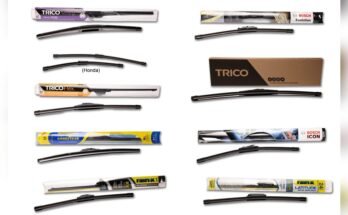
There are three main types of wiper blades: traditional, beam, and hybrid. Traditional blades have a metal frame and are the most common. Beam blades are made from a single piece of rubber and fit tightly to the windshield. Hybrid blades combine both styles for better performance.
Material Considerations
Wiper blades come in rubber, silicone, and hybrid materials. Rubber blades are cheap but wear out fast. Silicone blades last longer and wipe better in cold weather. Hybrid materials offer a balance of durability and smooth wiping.
Size And Fit
Blades must match your vehicle’s windshield size. Wrong size blades leave gaps, causing smudges. Check your car manual or measure your current blades. Proper fit ensures full contact with the glass for clear wiping.
Installation Tips For Better Performance
Proper installation of wiper blades improves their performance. It stops smudges and ensures clear vision during rain. Follow these tips to install your blades right.
Removing Old Blades
Lift the wiper arm away from the windshield carefully. Find the small tab on the blade’s connector. Press the tab and slide the blade off the arm. Dispose of old blades properly to avoid damage.
Installing New Blades Correctly
Match the new blade with the arm type. Slide the blade into the arm’s hook until it clicks. Make sure the blade is secure and does not move. Align the blade so it sits flat on the windshield.
Testing After Installation
Lower the wiper arm gently back onto the glass. Turn on the wipers and check for smooth motion. Look for any streaks or missed spots on the glass. Adjust or reinstall if smudges appear.

When To Seek Professional Help
Sometimes, wiper blades keep smudging even after cleaning or replacing. This means the problem might be more than just dirty blades. Knowing when to get professional help can save time and keep your windshield clear and safe.
Persistent Smudging Issues
Wipers still leave marks after new blades and cleaning. Dirt might not be the only problem. A professional can check the blade angle and pressure. Poor blade contact with the glass causes smudges. Experts have tools to fix this precisely.
Wiper Motor Problems
Wipers move too slowly or unevenly. This affects how well they clean the windshield. Motor or linkage issues cause poor blade performance. Professionals diagnose and fix motor problems quickly. Proper wiper speed is key for clear vision.
Windshield Damage
Scratches or cracks on the windshield cause smudging. Wiper blades cannot clean damaged glass well. Experts inspect the windshield for hidden damage. Repairing or replacing glass improves wiper effectiveness. Clear glass means better visibility and safety.

Frequently Asked Questions
Why Are My Wiper Blades Leaving Streaks?
Wiper blades leave streaks due to dirt, debris, or worn rubber edges. Cleaning blades and windshield often solves this issue. Replacing old blades also helps restore clear visibility.
How Often Should I Replace Wiper Blades?
Replace wiper blades every 6 to 12 months or when streaking occurs. Weather conditions and usage frequency affect blade lifespan. Regular checks ensure optimal performance and safety.
Can Dirty Windshields Cause Smudging?
Yes, dirty windshields cause smudging by trapping debris under the blades. Clean the windshield regularly with appropriate glass cleaner to prevent smudges and improve wiper efficiency.
Does Using The Wrong Wiper Blade Size Cause Smudges?
Using incorrect wiper blade sizes can cause uneven contact with the windshield. This leads to poor wiping and smudges. Always use manufacturer-recommended blade sizes for best results.
Conclusion
Wiper blades leave smudges for a few simple reasons. Dirt, old blades, and poor cleaning cause streaks. Regularly check and clean your blades. Replace them every six to twelve months. Clear vision keeps driving safe and comfortable. Take care of your wipers to avoid frustration.
Clean windshields and good blades work best together. Don’t ignore small problems; fix them early. Your safety depends on clear, smudge-free glass. A little effort keeps your view sharp and clear.