Are you ready to boost your car’s sound system without replacing your factory stereo? Connecting an amplifier to your factory stereo can seem tricky, but it’s easier than you think.
Imagine turning up your music and feeling every beat with clearer, richer sound. In this guide, you’ll discover simple, step-by-step instructions to make that happen. Stick with me, and by the end, you’ll know exactly how to get powerful, high-quality audio from your existing setup.

49% off Today's Exclusive Deals
Limited-time Exclusive Deals. Check current discount on Amazon.
Check Price on Amazon As an Amazon Associate I earn from qualifying purchases.Let’s dive in and transform your driving experience!
Tools And Materials Needed
Connecting an amplifier to a factory stereo requires the right tools and materials. Using proper equipment makes the job easier and safer. It helps to avoid damage to your car’s audio system.
Gather all items before starting. This will save time and prevent interruptions. Each tool and material plays an important role in the installation process.
49% off Today's Exclusive Deals
Limited-time Exclusive Deals. Check current discount on Amazon.
Check Price on Amazon As an Amazon Associate I earn from qualifying purchases.Basic Tools
You need screwdrivers, wire strippers, and crimping tools. Screwdrivers help remove panels and screws. Wire strippers prepare wires for connections. Crimping tools secure wire connectors firmly.
Wiring Materials
Use quality speaker wires and power cables. These carry signals and power from the stereo to the amplifier. Choose wires with proper thickness to handle the power load safely.
Connectors And Adapters
Get RCA adapters and wire connectors. RCA adapters link the factory stereo to the amplifier’s input. Wire connectors join wires without soldering. They save time and ensure solid connections.
Additional Supplies
Have electrical tape, zip ties, and a fuse holder ready. Tape insulates wires and prevents shorts. Zip ties organize cables and keep them in place. A fuse holder protects your system from power surges.
49% off Today's Exclusive Deals
Limited-time Exclusive Deals. Check current discount on Amazon.
Check Price on Amazon As an Amazon Associate I earn from qualifying purchases.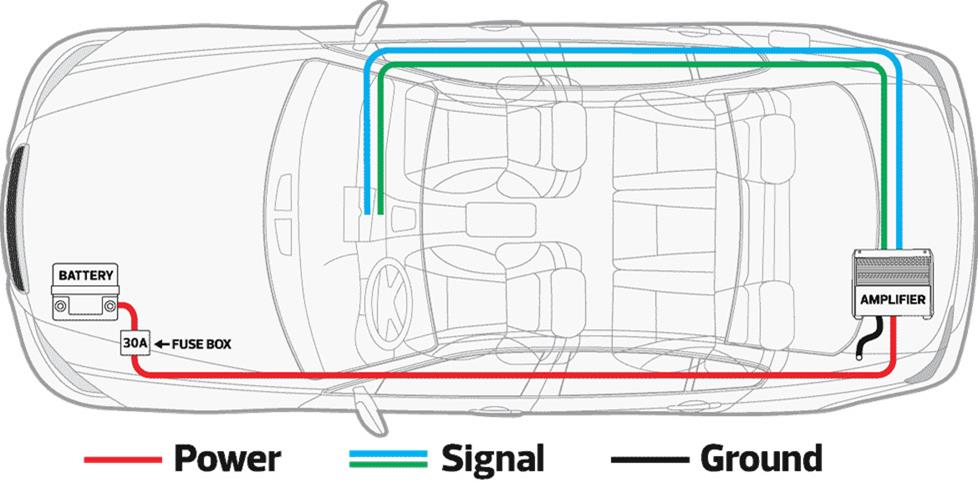
Identify Factory Stereo Outputs
Before connecting an amplifier to a factory stereo, identifying the stereo outputs is essential. This step helps you understand what kind of connections your car stereo offers. Knowing the outputs guides you in choosing the right method to connect your amplifier. It also prevents damage to your car’s audio system.
Factory stereos usually have different types of outputs. Some have simple speaker wires, while others include RCA outputs. In some cases, using a line output converter is necessary. Each option affects how you connect your amplifier.
Locate Speaker Wires
Speaker wires are the most common outputs on factory stereos. These wires carry sound signals to the car’s speakers. You can find them behind the stereo unit or inside the car doors. Use a wiring diagram or manual to identify the correct wires. Look for pairs of wires with different colors. These pairs connect to the amplifier’s speaker inputs.
Check For Rca Outputs
Some factory stereos have RCA outputs. These are round, color-coded connectors usually in red and white. RCA outputs send a clean audio signal to your amplifier. Check your stereo’s back panel for these connectors. If present, RCA outputs simplify the amplifier connection. They provide better sound quality than speaker wires.
Use Line Output Converter
Many factory stereos lack RCA outputs. In this case, a line output converter (LOC) is useful. An LOC converts speaker wire signals into RCA signals. This allows you to connect the amplifier easily. Connect the LOC to the speaker wires, then run RCA cables from the LOC to the amplifier. This method protects your stereo and gives clear sound.
Prepare Amplifier Wiring
Preparing the amplifier wiring is a key step in connecting an amplifier to a factory stereo. Proper wiring ensures the amplifier gets the correct power and signals. This process helps avoid electrical problems and poor sound quality. Follow each step carefully for a smooth setup.
Power Wire Setup
Start with the power wire. Use a thick gauge wire for safety and efficiency. Connect the power wire directly to the car’s battery positive terminal. Install a fuse holder close to the battery to protect the system. Run the wire through the car’s firewall carefully to avoid damage. This wire supplies the amplifier with the power it needs.
Ground Wire Connection
The ground wire completes the electrical circuit. Find a clean, bare metal spot near the amplifier for grounding. Sand the area if needed to remove paint and rust. Use a short and thick wire for the ground connection. Tighten the ground wire securely to prevent noise and interference in the sound system.
Remote Turn-on Wire
The remote turn-on wire signals the amplifier to power on. Locate the factory stereo’s remote turn-on lead or ignition wire. Connect this wire to the amplifier’s remote turn-on terminal. This connection allows the amplifier to turn on only when the stereo is active. Secure all wire connections to avoid loose contacts.
Connecting To Speaker Wires
Connecting an amplifier to your factory stereo involves working with speaker wires. This step is important for adding power and better sound to your car audio. You need to connect the amplifier to the right wires to send sound signals correctly.
This guide explains how to connect to speaker wires safely and clearly. It covers splicing wires, using a line output converter, and making sure connections stay secure. Follow these steps to improve your car’s sound system.
Splicing Speaker Wires
Splicing speaker wires means cutting and joining wires from your stereo to the amplifier. First, strip about half an inch of insulation from each wire end. Twist the exposed wires tightly together. Use electrical tape or heat shrink tubing to cover the splice. This prevents shorts and keeps the connection safe.
Using Line Output Converter
A line output converter (LOC) changes speaker-level signals to RCA signals. This helps connect the amplifier without cutting factory wires. Attach the LOC to your speaker wires. Then, run RCA cables from the LOC to the amplifier. This method keeps your factory stereo intact and avoids signal loss.
Ensuring Secure Connections
Secure connections stop wires from loosening or disconnecting. Use wire connectors or crimp terminals for better hold. Check each connection by gently tugging the wires. Cover all exposed wires with tape or tubing. Secure wiring also reduces noise and improves sound quality.
Connecting Rca Cables
Connecting RCA cables is a key step in linking your amplifier to a factory stereo. These cables carry the audio signal from the stereo to the amplifier. Proper connection ensures clear sound and strong bass from your subwoofer. Handle RCA cables with care to avoid damage and signal loss.
Running Rca Cables
Route RCA cables carefully through your vehicle. Avoid sharp edges that can cut the cable. Tuck cables under panels or carpets for a clean look. Keep cables away from moving parts to prevent wear. Measure the cable length to avoid tension or slack.
Avoiding Interference
Keep RCA cables away from power wires. Power wires cause noise and hiss in audio signals. Use shielded RCA cables to reduce interference. Cross power and RCA cables at right angles if they must cross. Test sound quality before finalizing cable placement.
Plugging Into Amplifier
Match the RCA plugs to the amplifier’s inputs. Left (white or black) and right (red) plugs must connect to matching jacks. Push plugs firmly to secure connection. Loose plugs cause poor sound or no audio. Check connections twice before powering on the system.

Testing The Setup
Testing the setup is a crucial step after connecting your amplifier to the factory stereo. This process ensures everything works correctly and sounds great. Take your time to check each part carefully to avoid issues later.
Powering On The System
Start by turning on your car’s ignition. This powers the stereo and the amplifier. Watch for any warning lights or unusual sounds. If the amplifier has a power indicator, make sure it lights up. This confirms it receives power properly.
Checking Sound Output
Play some music at a low volume to test the sound output. Listen closely to the speakers and subwoofer for clear sound. Check for any distortion or buzzing noises. Test different music styles to hear how the system handles bass and treble.
Adjusting Amplifier Settings
Adjust the amplifier’s gain and crossover controls to improve sound quality. Start with the gain low, then increase it slowly. Set the crossover to match your speaker types. Make small changes and listen after each adjustment. Stop when the sound feels balanced and clean.
Troubleshooting Common Issues
Troubleshooting common issues helps fix problems quickly. Connecting an amplifier to a factory stereo can have small glitches. Knowing how to solve these issues saves time and frustration. Below are some common problems and easy solutions.
No Sound Or Low Volume
Check all wire connections first. Loose or wrong wires cause no sound or low volume. Make sure the amplifier and stereo ground wires connect well. Adjust the gain control on the amplifier for better volume. Verify the stereo output settings support external amplifiers.
Distorted Audio
Distorted sound often means the amplifier is too loud. Lower the gain control to reduce distortion. Check speaker wires for damage or poor connection. Using the wrong impedance speakers can cause distortion. Make sure the amplifier matches the speaker’s power needs.
Power Problems
No power usually means a blown fuse or loose wire. Inspect the amplifier fuse and replace if needed. Check the battery and ground wires for tight connections. Test the remote turn-on wire to see if it sends power. A weak car battery can also cause power issues.

Safety Tips And Best Practices
Connecting an amplifier to a factory stereo can improve your car’s sound quality. Safety is important during this process. Following key safety tips protects you and your vehicle.
Using the right tools and methods prevents damage and accidents. These best practices ensure a smooth installation and a reliable connection.
Turn Off The Car And Disconnect The Battery
Always switch off the car before starting. Remove the negative battery cable to stop electrical flow. This avoids short circuits and electric shocks.
Use Proper Wiring And Connectors
Select wires made for car audio use. Use connectors that fit tightly and securely. Loose wires can cause poor sound or dangerous sparks.
Follow The Manufacturer’s Instructions
Read the amplifier and stereo manuals carefully. Follow all wiring diagrams and guidelines. This helps avoid mistakes and ensures correct setup.
Keep Wires Away From Heat And Moving Parts
Route wires away from the engine and sharp edges. Heat and friction can damage the cables. Use zip ties or clips to secure wires neatly.
Check All Connections Before Powering Up
Double-check every wire connection before turning on the car. Loose or wrong connections can harm the amplifier or stereo. Test the system at low volume first.
Frequently Asked Questions
How Do I Connect An Amplifier To A Factory Stereo?
To connect an amplifier to a factory stereo, use a line output converter (LOC). It converts speaker-level signals to RCA inputs for the amplifier. Connect the LOC to speaker wires, then run RCA cables from the LOC to the amplifier input.
This ensures compatibility and clean audio.
Can I Use Factory Speaker Wires For Amplifier Connection?
Yes, factory speaker wires can connect to an amplifier through a line output converter. The LOC adapts high-level speaker signals to low-level RCA signals. Avoid cutting factory wires directly; use connectors or adapters to preserve the factory wiring integrity and prevent damage.
What Tools Are Needed To Connect An Amplifier To A Factory Stereo?
You need a line output converter, RCA cables, wire strippers, electrical tape, and connectors. A multimeter helps identify speaker wires. Basic hand tools like screwdrivers and pliers are useful. These tools ensure a secure and professional amplifier installation with the factory stereo.
Will Connecting An Amplifier Improve Factory Stereo Sound Quality?
Yes, connecting an amplifier boosts sound clarity and volume. It provides more power to speakers, reducing distortion. Amplifiers enhance bass response and overall audio performance, making factory stereos sound richer and fuller. Proper installation is key to maximizing sound improvement.
Conclusion
Connecting an amplifier to a factory stereo can boost sound quality. Follow each step carefully to avoid mistakes. Use the right tools and check all connections twice. Take your time and test the system before finalizing. Clear sound and better bass make listening more fun.
Enjoy your upgraded car audio with confidence and ease.