Is your car stereo speaker crackling and ruining your music experience? That annoying sound can distract you and make every drive less enjoyable.
But don’t worry—fixing it might be easier than you think. You’ll discover simple, effective ways to stop that crackling noise and get your favorite songs sounding clear again. Keep reading, and soon your car will feel like a concert hall on wheels.

49% off Today's Exclusive Deals
Limited-time Exclusive Deals. Check current discount on Amazon.
Check Price on Amazon As an Amazon Associate I earn from qualifying purchases.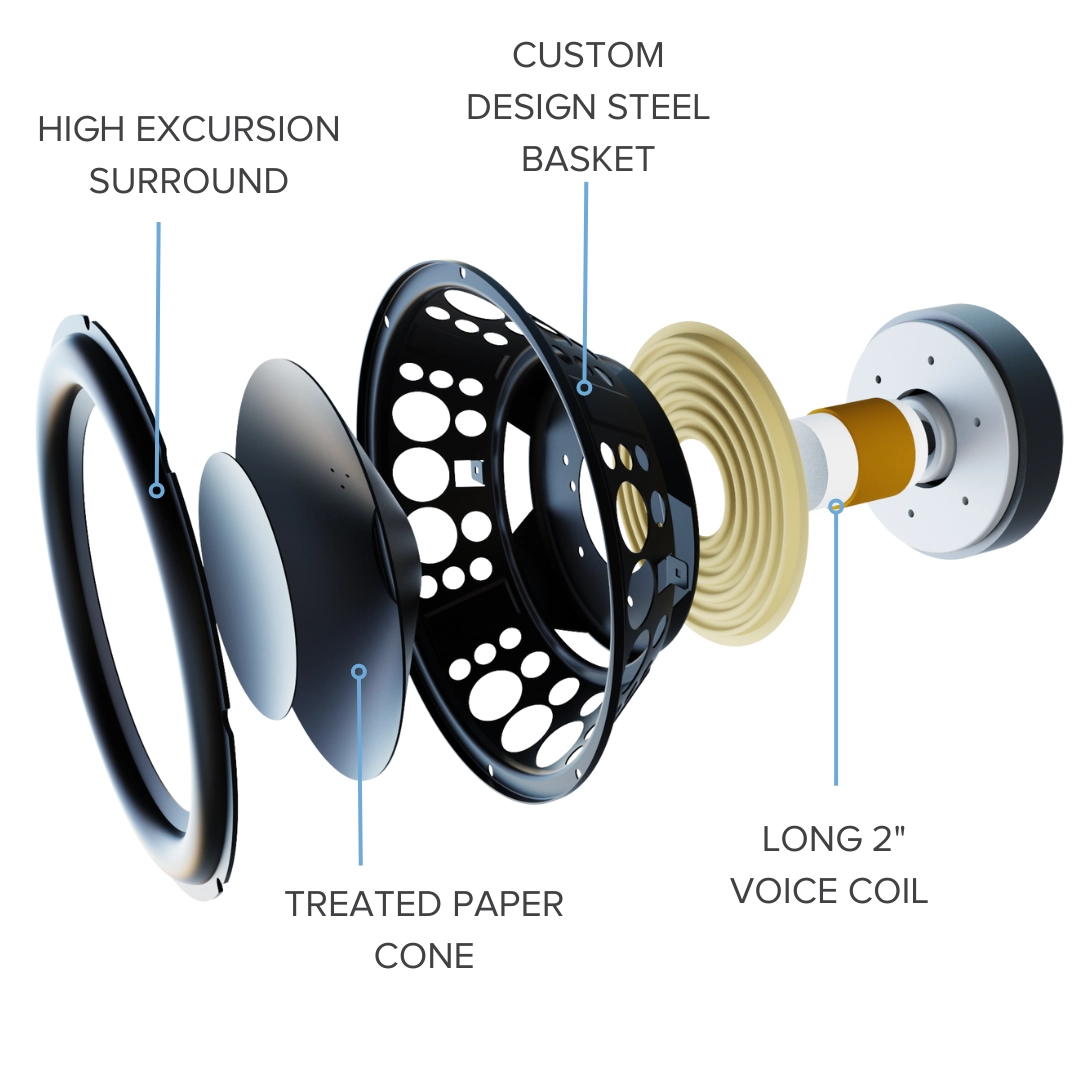
Common Causes Of Speaker Crackling
Speaker crackling in a car stereo is a common problem. It can ruin your music experience. Understanding the causes helps you fix the issue quickly. Many factors can lead to crackling sounds. Some are easy to fix, while others need more care.
Loose Connections
Loose connections often cause speaker crackling. Wires might not fit tightly into their ports. Movement in the car can make connections weaker. Check the wires behind your stereo and speakers. Secure any loose plugs or terminals you find. This simple step can stop many crackling sounds.
Damaged Wiring
Wiring damage is another common cause. Wires can get cut, frayed, or worn out. Damage can happen from sharp edges or heat. Look for visible wire breaks or worn insulation. Replace or repair any damaged wiring to restore clear sound.
49% off Today's Exclusive Deals
Limited-time Exclusive Deals. Check current discount on Amazon.
Check Price on Amazon As an Amazon Associate I earn from qualifying purchases.Speaker Cone Damage
The speaker cone moves to create sound. If it is torn or bent, crackling happens. Damage might come from dirt, age, or hitting the speaker. Inspect the cone carefully for holes or dents. Fixing or replacing the cone improves sound quality.
Faulty Amplifier
The amplifier boosts sound power to the speakers. A faulty amplifier can cause crackling or distortion. Problems could be from overheating or internal faults. Test the amplifier by swapping it with a known good one. Repair or replace the amplifier if it is the source of the noise.
Tools Needed For Repairs
Fixing a car stereo speaker that crackles needs the right tools. Using proper tools makes the repair easier and safer. You can save time and avoid damage to your car’s audio system. Below are the basic tools you need for this job.
Basic Hand Tools
Start with simple hand tools like screwdrivers and pliers. A Phillips and flathead screwdriver help remove panels and screws. Needle-nose pliers grab small parts and wires. Wire cutters trim damaged wires cleanly. These tools are common and easy to find.
49% off Today's Exclusive Deals
Limited-time Exclusive Deals. Check current discount on Amazon.
Check Price on Amazon As an Amazon Associate I earn from qualifying purchases.Multimeter
A multimeter tests electrical connections and speaker wires. It shows if wires have power or are broken. This tool helps find where the crackling sound starts. Multimeters are affordable and very useful for car audio repairs.
Soldering Kit
A soldering kit fixes loose or broken wire connections. It includes a soldering iron, solder, and a stand. Use it to join wires tightly for a clear sound. Soldering makes repairs last longer than tape or glue.
Checking And Securing Connections
Crackling sounds from your car stereo speakers often come from loose or dirty connections. Checking and securing these connections is a key step to fix the problem. This section shows easy ways to inspect and improve your speaker wiring. Follow each step carefully to ensure a clear sound.
Inspecting Wire Terminals
Start by looking at the wire terminals connected to the speakers and stereo. Check for signs of wear or damage. Broken or frayed wires cause poor sound quality. Make sure wires are properly attached to the terminals. Loose or disconnected wires create crackling noises. Replace any damaged wires before continuing.
Cleaning Contact Points
Dirt and corrosion on contact points can block sound signals. Clean these areas gently with a soft cloth or brush. Use a small amount of electrical contact cleaner for better results. Avoid using water or harsh chemicals. Clean connections help the sound flow smoothly and reduce crackling.
Tightening Loose Wires
Loose wires cause interruptions in the audio signal. Check each wire and tighten any loose connections. Use a screwdriver if screws hold the wires. Make sure wires fit snugly into terminals. Tight connections stop crackling and improve sound quality instantly.

Repairing Or Replacing Damaged Wiring
Damaged wiring often causes car stereo speaker crackling. Repairing or replacing these wires can fix the problem. Wires can wear out from heat, moisture, or movement inside the car. Fixing the wiring ensures a clean sound and stops unwanted noise.
Identifying Wire Damage
Look for visible signs of wire damage. Check for cuts, frays, or exposed metal. Wires that move when touched might be loose or broken. Use a flashlight to see inside tight spaces. A multimeter can test if wires carry electricity properly.
Splicing And Soldering Wires
Cut out the damaged part of the wire. Strip about half an inch of insulation from each end. Twist the wire ends together tightly. Heat the twisted wire with a soldering iron. Apply solder until it melts and covers the connection. Let it cool before moving the wire.
Using Heat Shrink Tubing
Slide heat shrink tubing over one wire before splicing. After soldering, move the tubing to cover the joint. Use a heat gun or lighter to shrink the tubing. It creates a tight seal and protects the connection. This stops moisture and prevents short circuits.
Testing And Fixing The Speaker Cone
Testing and fixing the speaker cone is a key step to stop crackling sounds. The cone moves air to create sound. If it is damaged or dirty, the sound will crack or buzz. Careful checking and repair can bring your stereo back to life.
Visual Inspection
Start by looking closely at the speaker cone. Check for tears, holes, or dents. Dust and dirt can also cause problems. Use a bright light to see small cracks. Gently press the cone to check its movement. It should move smoothly without rubbing sounds.
Temporary Repairs
Small tears can get a quick fix using clear tape. Use thin tape to cover the damaged area. Avoid heavy or colored tape that affects sound quality. For dust, blow air gently or use a soft brush to clean. These fixes reduce crackling until you can do a full repair.
When To Replace The Speaker
Replace the speaker if damage is deep or the sound stays bad. Large tears or crushed cones cannot be fixed well. Also, bad wiring inside the speaker means replacement. New speakers bring clear, strong sound without crackling. Choose a model that fits your car and budget.

Troubleshooting The Amplifier
Troubleshooting the amplifier is a key step to fix car stereo speaker crackling. The amplifier boosts the audio signal. If it malfunctions, sound problems occur. Checking the amplifier helps find the cause of crackling sounds.
Start by inspecting the amplifier’s power supply. A weak or unstable power source can cause distortion. Next, try resetting the amplifier to clear any faults. Sometimes, a simple reset restores proper function. If these steps fail, consulting professional help is the safest choice.
Checking Power Supply
Check the amplifier’s power connection. Loose or corroded wires reduce power flow. Make sure the battery provides enough voltage. Inspect the fuse for any damage. Replace faulty fuses with the correct type. A steady power supply keeps the sound clean and clear.
Resetting The Amplifier
Turn off the car stereo system. Disconnect the amplifier from the power source. Wait for a few minutes to let it reset. Reconnect power and turn the system on. This process clears minor errors inside the amplifier. It often stops crackling sounds immediately.
Consulting Professional Help
Seek expert assistance if problems continue. Professionals have tools to test the amplifier accurately. They can repair or replace damaged parts. Avoid further damage by trusting a technician. Professional help ensures your audio system works well again.
Preventive Maintenance Tips
Preventive maintenance keeps your car stereo speakers working well. It stops crackling sounds early. Simple daily care helps your speakers last longer. Follow these tips to avoid common problems.
Regular Cleaning
Dust and dirt cause speaker crackling. Clean speakers often with a soft cloth. Avoid using water or strong cleaners. Gently wipe speaker grills and surrounding areas. Keep your car interior clean to reduce dust buildup.
Avoiding Overloading
Playing music too loud harms speakers. High volume causes distortion and crackling. Use moderate volume to protect speaker parts. Avoid boosting bass or treble too much. Balanced sound keeps speakers safe and clear.
Protecting From Moisture
Moisture damages speaker wires and cones. Avoid parking in wet areas or open windows during rain. Use car covers if needed. Dry your car interior quickly after water exposure. Moisture control stops crackling and extends speaker life.
Frequently Asked Questions
Why Is My Car Stereo Speaker Crackling?
Speaker crackling often results from loose wiring, damaged speakers, or interference. It can also indicate a blown speaker or amplifier issues. Checking connections and speaker condition usually helps identify the cause quickly.
How Can I Fix A Crackling Car Stereo Speaker?
Start by inspecting and tightening speaker wires. Replace damaged speakers or faulty fuses. Cleaning speaker terminals and ensuring the amplifier is working properly can also reduce crackling sounds.
Can Dirty Speaker Terminals Cause Crackling Sounds?
Yes, dirty or corroded speaker terminals can cause crackling. Cleaning terminals with a contact cleaner or rubbing alcohol often restores a clear connection and eliminates noise issues.
Does Using High Volume Cause Speaker Crackling?
Playing audio at very high volumes can strain speakers, causing distortion and crackling. It’s best to keep volume levels moderate to avoid damaging speaker components.
Conclusion
Fixing car stereo speaker crackling improves your listening experience. Start by checking speaker wires for loose connections or damage. Clean the speaker terminals to remove dirt and dust. Adjust the audio settings to reduce distortion. Test the stereo with different music to find the issue.
Small fixes can prevent costly repairs later. Enjoy clear sound on every drive. Keep your car stereo in good shape for long-lasting use. Simple steps bring better sound and less frustration.