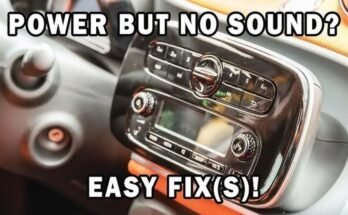
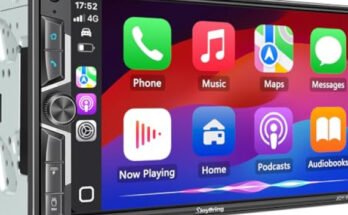
Is your car stereo making your favorite songs sound strange with an annoying echo? That echo can turn every drive into a frustrating experience, making it hard to enjoy music or hear calls clearly.
But don’t worry—you don’t have to live with it. You’ll discover simple and effective ways to fix your car stereo echo, so your sound is crisp and clear again. Keep reading, and you’ll be back to enjoying your music the way it’s meant to be heard.

49% off Today's Exclusive Deals
Limited-time Exclusive Deals. Check current discount on Amazon.
Check Price on Amazon As an Amazon Associate I earn from qualifying purchases.
Common Causes Of Car Stereo Echo
Car stereo echo can spoil your music experience. Understanding the common causes helps fix the problem quickly. Echo happens when sound waves bounce back or overlap. This causes unclear, repeated, or hollow sounds in your car.
Speaker Placement Issues
Speakers placed too close or facing reflective surfaces cause echo. Sound waves hit windows or hard panels and bounce back. This reflection creates a repeating sound effect. Proper speaker placement reduces echo and improves sound clarity.
Wiring Problems
Loose or damaged wires can cause sound delays. Poor connections interrupt the signal flow between stereo and speakers. This delay can create an echo or distorted sound. Checking and fixing wiring ensures steady sound delivery without echoes.
49% off Today's Exclusive Deals
Limited-time Exclusive Deals. Check current discount on Amazon.
Check Price on Amazon As an Amazon Associate I earn from qualifying purchases.Audio Settings Misconfiguration
Incorrect audio settings often cause echo effects. Some settings add artificial echo or reverb to the sound. Equalizer or balance adjustments may also affect audio clarity. Resetting or adjusting settings can eliminate unwanted echo sounds.
Faulty Components
Old or broken stereo parts cause echo problems. Defective amplifiers, speakers, or head units distort sound signals. These faults lead to delays and repeated sounds. Replacing faulty components restores clear, echo-free audio playback.
Preparing To Fix The Echo
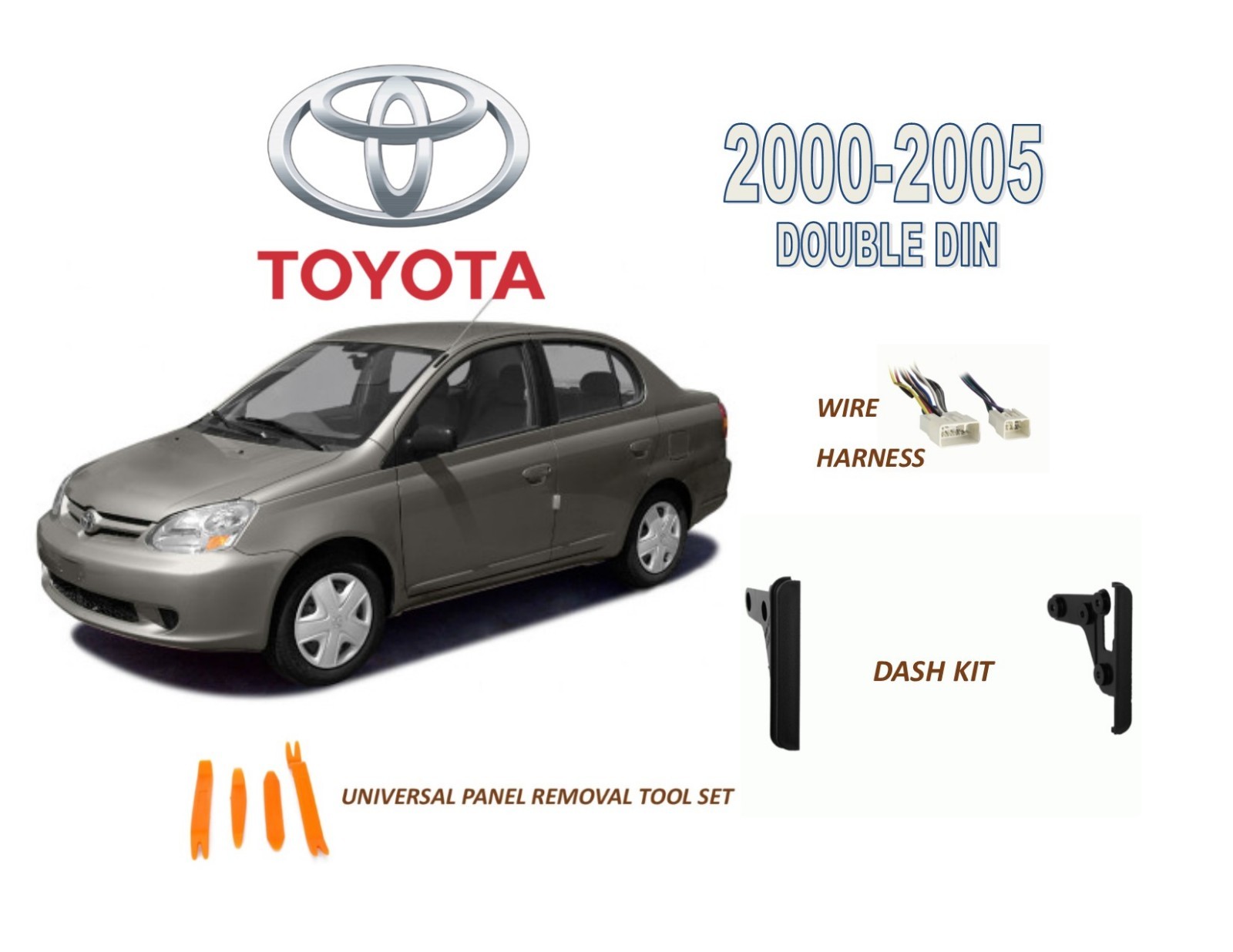
Fixing a car stereo echo starts with good preparation. Knowing what to do first saves time and avoids mistakes. This section guides you through the early steps to get ready.
Gathering Necessary Tools
Collect all tools before starting the fix. Basic tools include a screwdriver, multimeter, and wire stripper. Having these handy helps you work smoothly. Also, keep a flashlight for better visibility inside your car.
49% off Today's Exclusive Deals
Limited-time Exclusive Deals. Check current discount on Amazon.
Check Price on Amazon As an Amazon Associate I earn from qualifying purchases.Safety Precautions
Safety is key when working with electronics. Disconnect the car battery to prevent shocks. Avoid wearing loose clothes or jewelry that can catch on parts. Work in a well-lit area to see clearly. Stay calm and patient throughout the process.
Inspecting The Stereo System
Look closely at the stereo and its connections. Check for loose wires or damaged cables. Notice any moisture or dirt near the system. Test the speakers and wiring for faults. Careful inspection helps find the echo source faster.
Adjusting Audio Settings
Adjusting audio settings can fix echo problems in your car stereo. Small changes help improve sound quality quickly. Follow these steps to get clear sound without echo.
Resetting Equalizer And Balance
Start by resetting the equalizer to default. This removes strange sound boosts or cuts. Check the balance settings next. Make sure sound is centered between left and right speakers. Unbalanced sound can cause echo effects.
Disabling Sound Effects
Many car stereos have built-in sound effects. These include bass boost or surround sound modes. Turn off all sound effects to reduce echo. Clean sound comes from basic settings without extra effects.
Fine-tuning Volume Levels
Adjust the volume carefully. Too high volume can cause echo and distortion. Lower the volume slightly and test the sound. Find a level where music sounds clear and echo disappears. Control volume for every source, like radio or Bluetooth.
Checking And Replacing Wiring
Checking and replacing wiring is a key step to fix car stereo echo problems. Faulty wires can cause sound issues and echo effects. Inspecting wires helps find loose connections or damaged cables. Fixing these can improve your audio quality quickly.
Identifying Loose Connections
Loose connections often cause echo in your car stereo. Check all wire connections at the back of the stereo unit. Wiggle wires gently to see if sound changes or cuts out. Tighten any loose plugs or connectors. Use electrical tape to secure loose wires if needed.
Replacing Damaged Cables
Damaged cables can cause poor sound and echo. Look for wires with cuts, cracks, or worn insulation. Replace any damaged cables with new ones of the same type. Use quality cables to avoid future problems. Properly route cables to avoid pinching or bending.
Securing Ground Wires
Ground wires help reduce noise and echo in stereo systems. Check the ground wire connection for rust or looseness. Clean the contact point to ensure a strong connection. Tighten the ground wire firmly to the chassis. A solid ground reduces electrical interference and echo.
Repositioning Speakers
Repositioning your car speakers can fix the echo issue in your stereo system. Echo happens when sound bounces off surfaces and returns to your ears. Moving speakers to better spots helps reduce these reflections. It also improves sound clarity and balance.
Try different positions to find the best sound. Small changes can make a big difference. This section covers how to place your speakers well, reduce sound reflection, and test different spots.
Optimal Speaker Placement
Place speakers at ear level for clear sound. Avoid pointing them directly at windows or hard surfaces. Position front speakers toward the driver and passenger seats. Rear speakers should fill the space without causing echo. Balanced placement gives better sound and less echo.
Reducing Sound Reflection
Hard surfaces cause sound to bounce and create echo. Use soft materials like seat covers or floor mats to absorb sound. Avoid placing speakers near glass or metal parts. Aim speakers away from flat surfaces to reduce reflection. These steps lower echo and improve audio quality.
Testing Different Positions
Move speakers slightly and listen to the changes. Play music with clear vocals and beats. Notice if echo decreases or sound improves. Test both front and rear speakers. Keep adjusting until the echo is gone or very low. Testing helps find the best speaker spot for your car.
Diagnosing And Repairing Components
Diagnosing and repairing car stereo echo requires careful checking of each component. Echo often comes from electrical issues or faulty parts. Finding the exact cause helps fix the problem faster. Start by inspecting key parts like amplifiers and the head unit. Then, replace any damaged components. This process ensures clear sound without echo or distortion.
Inspecting Amplifiers
Amplifiers boost audio signals for better sound. A bad amplifier can cause echo or feedback. Look for loose wires or damaged connectors. Check if the amplifier is overheating or making strange noises. Test the amplifier with a multimeter to measure voltage. Replace or repair the amplifier if it shows faults.
Testing Head Unit
The head unit controls audio settings and inputs. Faults here often cause echo or sound delays. Remove the unit carefully to avoid damage. Check all connections and wiring harnesses. Test the head unit by playing audio at different volumes. Reset the unit to factory settings. Replace it if echo persists after testing.
Replacing Faulty Parts
Faulty parts cause echo problems in car stereos. Identify broken wires, damaged speakers, or bad amplifiers. Use matching replacement parts for best results. Disconnect power before replacing any part. Install new parts carefully to avoid further damage. Test the stereo system after replacement to confirm echo is gone.
Preventive Tips For Clear Sound
Clear sound in your car stereo makes every drive enjoyable. Echo issues can spoil that experience. Preventing echo is easier than fixing it later. Simple steps keep your sound crisp and clear.
Regular Maintenance
Check your stereo system often. Clean speaker surfaces to avoid dust buildup. Make sure wires are tight and not damaged. Loose connections can cause echo and static noise. Regular checks stop small problems from growing.
Avoiding Interference
Keep other electronics away from your stereo. Devices like phones and chargers can cause sound echo. Use shielded cables to reduce signal noise. Park away from strong radio towers or power lines. This lowers the chance of sound interference.
Upgrading Stereo Equipment
Old stereo parts may cause echo problems. Replace worn-out speakers and amplifiers. Choose higher quality cables for better sound. Consider adding sound dampening materials inside doors. Better gear leads to clearer, echo-free sound.
Frequently Asked Questions
What Causes Echo In Car Stereo Sound Systems?
Echo in car stereos often results from speaker placement or wiring issues. Poor sound insulation inside the car can also cause echo effects. Sometimes, faulty audio settings or damaged hardware contribute to the problem.
How Can I Reduce Echo In My Car Stereo?
To reduce echo, adjust speaker settings and balance. Check all wiring connections for faults or damage. Adding sound-absorbing materials inside the car cabin can also minimize echo effectively.
Can Software Updates Fix Car Stereo Echo Problems?
Yes, software updates can fix echo by improving audio processing. Updating your car stereo’s firmware often resolves glitches causing echo or sound distortion. Always check for updates from the manufacturer regularly.
Is Speaker Placement Important To Avoid Echo In Cars?
Absolutely. Proper speaker placement ensures sound waves don’t bounce excessively. Position speakers to avoid direct reflection on hard surfaces inside the car. This prevents unwanted echo and improves overall sound quality.
Conclusion
Fixing car stereo echo improves your listening experience greatly. Check wiring and speaker connections carefully. Adjust settings to reduce sound reflection. Clean or replace damaged parts if needed. Small fixes can stop the annoying echo fast. Enjoy clear, crisp sound on every drive.
Keep your stereo in good shape for best results. Simple steps make a big difference in sound quality. Don’t let echo ruin your music or calls. Take action and hear the difference today.