Are you ready to boost your car’s sound system to the next level? Connecting your car stereo to an amplifier can transform your music experience, making every beat clearer and every bass thump deeper.
But if you’re unsure where to start or worried about making mistakes, don’t worry—you’re not alone. This guide will walk you through simple, step-by-step instructions to connect your car stereo to an amp with confidence. By the end, you’ll know exactly how to get powerful, crisp sound that fills your car just the way you want.

49% off Today's Exclusive Deals
Limited-time Exclusive Deals. Check current discount on Amazon.
Check Price on Amazon As an Amazon Associate I earn from qualifying purchases.Let’s dive in and make your ride sound amazing!
Choosing The Right Amplifier
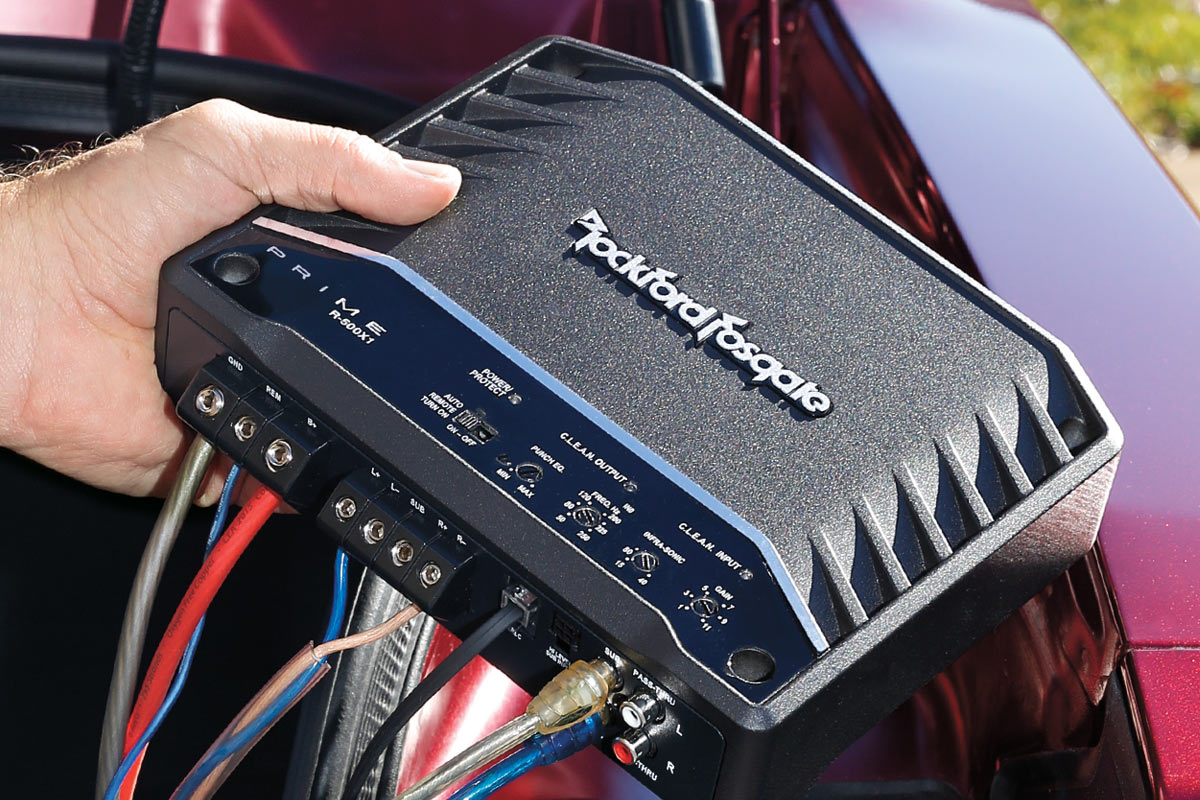
Choosing the right amplifier is key to a great car audio system. It boosts your stereo’s sound and makes music clearer and louder. Picking the wrong amp can cause poor sound or damage. Understanding amplifier types, power matching, and sound quality helps you find the best fit for your car stereo.
Types Of Amplifiers
There are several amplifier types for car audio. Class A amps offer clear sound but use more power. Class B amps are efficient but may add noise. Class AB amps mix both for good sound and efficiency. Class D amps are small and very efficient, perfect for bass-heavy systems.
49% off Today's Exclusive Deals
Limited-time Exclusive Deals. Check current discount on Amazon.
Check Price on Amazon As an Amazon Associate I earn from qualifying purchases.Matching Amp Power To Stereo
Match the amp’s power to your stereo’s output. Too little power causes weak sound. Too much power can damage speakers or the stereo. Check the RMS power rating on both the amp and stereo. RMS means continuous power, which is more reliable than peak power.
Considerations For Sound Quality
Sound quality depends on more than power. Look for amps with low distortion and noise. Good amps keep music clear and crisp at high volume. Consider amps with adjustable crossovers to control bass and treble. This helps tailor sound to your car’s acoustics.
Gathering Necessary Tools And Materials
Before connecting your car stereo to an amplifier, gather all the tools and materials you need. Having everything ready makes the installation smooth and safe. It also helps avoid delays and mistakes during the process.
Prepare the right wiring components, tools, and safety gear. These items ensure a clean, secure connection and protect you while working on your car’s electrical system.
49% off Today's Exclusive Deals
Limited-time Exclusive Deals. Check current discount on Amazon.
Check Price on Amazon As an Amazon Associate I earn from qualifying purchases.Essential Wiring Components
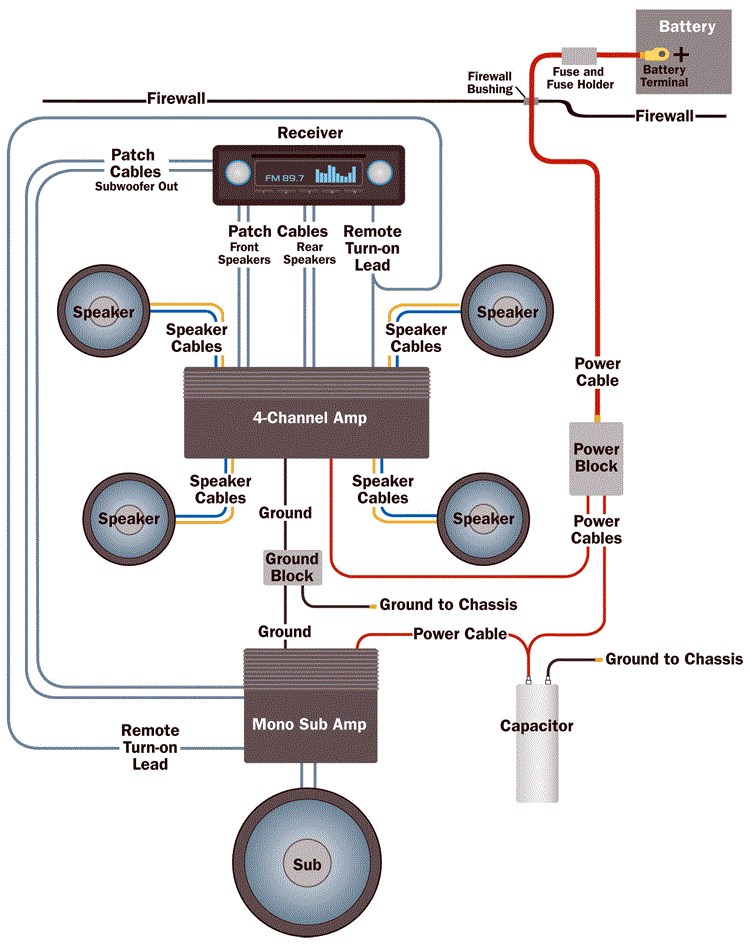
Start with quality wiring components designed for car audio. You need power cables with the right thickness to handle the amplifier’s current. Ground wires must be short and strong for a stable connection. Also, get RCA cables to carry the audio signal from the stereo to the amp. Use fuse holders and fuses to protect your system from electrical damage. Speaker wires should be flexible and thick enough to deliver clear sound.
Tools For Installation
Gather tools that make wiring and mounting easier. Wire strippers help remove insulation without cutting wires. Crimping tools secure connectors tightly to cables. A multimeter checks voltage and continuity for safe connections. Screwdrivers and wrenches fit screws and bolts on the stereo and amp. Electrical tape or heat shrink tubing insulates exposed wires. A panel removal tool prevents damage when accessing your car’s dashboard.
Safety Gear To Use
Protect yourself during the installation. Wear safety glasses to shield your eyes from sparks or debris. Use insulated gloves to avoid electric shocks. Work in a well-lit area to see clearly. Disconnect the car battery before starting to prevent short circuits. Keep a fire extinguisher nearby for emergencies. These safety steps reduce risks and keep you safe while installing your car stereo and amp.
Preparing Your Car Stereo And Amp
Preparing your car stereo and amplifier is the first step to connect them properly. You need to understand where the wires go and which ports to use. This will help you avoid mistakes and get clear sound from your system.
Take time to check the wiring harnesses and ports on both devices. Safety is important too, so disconnect the battery before starting work. This prevents any electrical accidents while handling the wires.
Locating Wiring Harnesses
Wiring harnesses are bundles of wires connected to your car stereo. Find the main harness behind the stereo unit. It carries power, ground, and speaker wires. The amp also has a wiring harness, usually near the amplifier itself. Knowing these locations helps in making clean connections.
Identifying Output And Input Ports
Look for output ports on the car stereo. These send audio signals to the amplifier. They often use RCA connectors or speaker wires. On the amplifier, find input ports. These receive signals from the stereo. Match outputs and inputs carefully to ensure sound flows correctly.
Disconnecting Battery For Safety
Always disconnect the negative terminal of the car battery before starting. This stops any power from flowing through the wires. It reduces the risk of electric shock or short circuits. Safety first. Work only when no power is running through the system.
Wiring The Stereo To The Amplifier
Wiring the stereo to the amplifier is the key step in improving your car audio system. It involves connecting several cables that carry signals and power. Correct wiring ensures clear sound and prevents damage to your equipment.
Connecting Rca Cables
RCA cables carry the audio signal from the stereo to the amplifier. Use good-quality RCA cables for better sound. Connect the cables to the stereo’s RCA output jacks. Then, plug the other ends into the amplifier’s RCA input jacks. Match colors to avoid confusion—usually red for right and white for left channels.
Running Power And Ground Wires
Power wires provide the amplifier with electricity from the car battery. Use a thick wire rated for your amplifier’s power needs. Connect the power wire to the positive battery terminal. Run the wire through the car’s firewall to the amplifier location. Ground wires complete the electrical circuit. Attach a short ground wire from the amplifier to a clean metal part of the car’s body. A solid ground connection prevents noise and electrical issues.
Installing Remote Turn-on Wire
The remote turn-on wire signals the amplifier to turn on with the stereo. Find the remote turn-on lead on the stereo harness. Connect this wire to the amplifier’s remote terminal. This wire carries low voltage and is easy to connect. It ensures the amplifier only powers on when the stereo is on, saving battery life.
Mounting The Amplifier
Mounting the amplifier is a key step in connecting your car stereo to an amp. Proper mounting keeps the amp safe and working well. It also helps the sound system perform better. Pay attention to where and how you place the amplifier. This will protect your equipment and improve sound quality.
Choosing The Best Location
Select a spot that is dry and clean. Avoid places near water or dirt. Common locations include under the seat or in the trunk. Make sure the spot does not block any car parts. The amplifier should be easy to reach for wiring and adjustments.
Securing The Amplifier
Use strong brackets or screws to hold the amp in place. The amplifier must not move or vibrate during driving. Tighten all screws properly. Loose mounting can cause noise or damage to the amp. Check that the amp stays secure after installation.
Ensuring Proper Ventilation
The amplifier generates heat when it runs. Good airflow stops it from overheating. Leave space around the amp for air to move freely. Avoid covering the amp with other objects. Proper ventilation helps the amp last longer and work better.
Testing And Adjusting Sound Settings
Testing and adjusting sound settings is a key step after connecting a car stereo to an amp. It helps make sure the audio sounds clear and balanced. Proper adjustments avoid damage to speakers and improve listening experience.
Careful testing also helps find the best sound for your car’s environment. This step lets you control volume, bass, treble, and other audio features. Follow these simple guidelines to get the best results.
Powering On And Initial Checks
Turn on your car stereo and amplifier. Check all wires and connections for tightness. Listen for any static or strange noises. Ensure the amp’s power light is on. Start with the volume low to avoid speaker damage.
Adjusting Gain And Crossover
Set the amp’s gain control to a low level first. Slowly increase gain until sound is clear without distortion. Use the crossover to select the right frequency range for your speakers. High-pass filters protect small speakers from deep bass. Low-pass filters send bass to subwoofers only.
Fine-tuning For Optimal Sound
Play different types of music to test sound quality. Adjust bass, midrange, and treble settings to your taste. Make small changes and listen carefully each time. Balance volume between front and rear speakers. Stop adjustments when sound feels natural and pleasant.
Troubleshooting Common Issues
Connecting a car stereo to an amplifier can sometimes cause issues. These problems can stop your sound or damage your equipment. Knowing how to fix common issues saves time and stress. Here are some tips to help you troubleshoot common problems.
No Sound Or Distortion
Check all wire connections first. Loose or wrong connections often cause no sound or distortion. Make sure the amp and stereo ground wires are secure. Inspect speaker wires for damage or poor contacts. Adjust the gain settings on your amplifier. Too high gain causes distortion. Too low gain might cause weak sound. Test the stereo and amp separately to find the problem source.
Electrical Noise Problems
Electrical noise sounds like humming or buzzing. This noise comes from power or ground issues. Use a quality ground wire connected to a clean metal surface. Avoid running speaker wires close to power cables. Keep RCA cables away from the car’s electrical system. Using shielded cables can reduce noise. Check if your car battery and alternator are in good condition.
Overheating And Shutdowns
Amplifiers can overheat if not installed properly. Make sure the amp has enough ventilation space. Avoid placing the amp near heat sources. Check the wiring size; small wires can cause overheating. Use a fuse close to the battery for protection. If the amp shuts down, let it cool down before restarting. Continuous overheating might mean the amp or wiring is faulty.

Frequently Asked Questions
How Do I Connect My Car Stereo To An Amplifier?
To connect your car stereo to an amp, use RCA cables from the stereo’s preamp outputs to the amp’s inputs. Ensure proper grounding, connect the power wire to the battery, and run a remote turn-on wire from the stereo to the amp for power control.
What Tools Are Needed For Car Stereo To Amp Connection?
You need RCA cables, speaker wire, a wire stripper, crimp connectors, a fuse holder with fuse, and basic hand tools like screwdrivers and pliers. These tools help ensure secure and safe connections between your car stereo and amplifier.
Can I Use Speaker Wires To Connect Stereo To Amp?
No, it’s best to use RCA cables for the connection. RCA cables carry low-level signals and reduce noise. Speaker wires carry high-level signals and can damage your amplifier if used incorrectly.
How Do I Power My Amplifier From The Car Stereo?
Power the amplifier by connecting its 12V power wire directly to the car battery’s positive terminal. Use a fuse near the battery for safety. Connect the amp’s ground wire to a clean metal chassis point. Run the remote turn-on wire from the stereo to activate the amp.
Conclusion
Connecting your car stereo to an amp improves sound quality a lot. Use the right cables and follow the steps carefully. Double-check all connections to avoid issues or damage. Keep the volume at safe levels to protect your speakers. Enjoy clearer, louder music on every drive.
Simple tools and some patience make the process easy. Try it yourself and feel the difference today.