Is your car stereo’s FM radio suddenly not working? It’s frustrating when you want to enjoy your favorite tunes or catch the latest news, but all you get is silence or static.
You might wonder if the problem is with your car, the radio, or something else entirely. Don’t worry—you’re not alone, and this issue is more common than you think. You’ll discover the most common reasons why your car stereo FM isn’t working and easy ways to fix it.
49% off Today's Exclusive Deals
Limited-time Exclusive Deals. Check current discount on Amazon.
Check Price on Amazon As an Amazon Associate I earn from qualifying purchases.Keep reading, and soon you’ll be back to enjoying clear, crisp radio sound on every drive.
Common Causes Of Fm Issues
Car stereo FM problems happen for many reasons. Knowing common causes helps fix the issue faster. This section explains typical reasons why your FM radio may not work well. Understanding these can save you time and money.
Antenna Problems
The antenna is key for clear FM signals. A broken or loose antenna lowers sound quality. Dirt or corrosion on the antenna can block signals. Sometimes the antenna cable is damaged or disconnected. Check the antenna’s condition to improve reception.
49% off Today's Exclusive Deals
Limited-time Exclusive Deals. Check current discount on Amazon.
Check Price on Amazon As an Amazon Associate I earn from qualifying purchases.Signal Interference
Nearby electronic devices can disturb FM signals. Tall buildings or tunnels block radio waves. Weather conditions like heavy rain or storms cause interference. Other radios or transmitters close by may overlap signals. Moving your car can help find a clearer signal.
Faulty Wiring
Wires connect the car stereo to power and antenna. Loose or broken wires stop the FM from working. Poor connections cause static or no sound. Wiring problems often happen after car repairs or accidents. Inspect wires for damage or poor contact.
Software Glitches
Modern car stereos use software to tune and play FM. Bugs or errors in the software can cause problems. Sometimes, the stereo needs a reset or update. Software issues may cause the radio to freeze or skip stations. Restarting the stereo often fixes these glitches.
Troubleshooting Antenna Problems
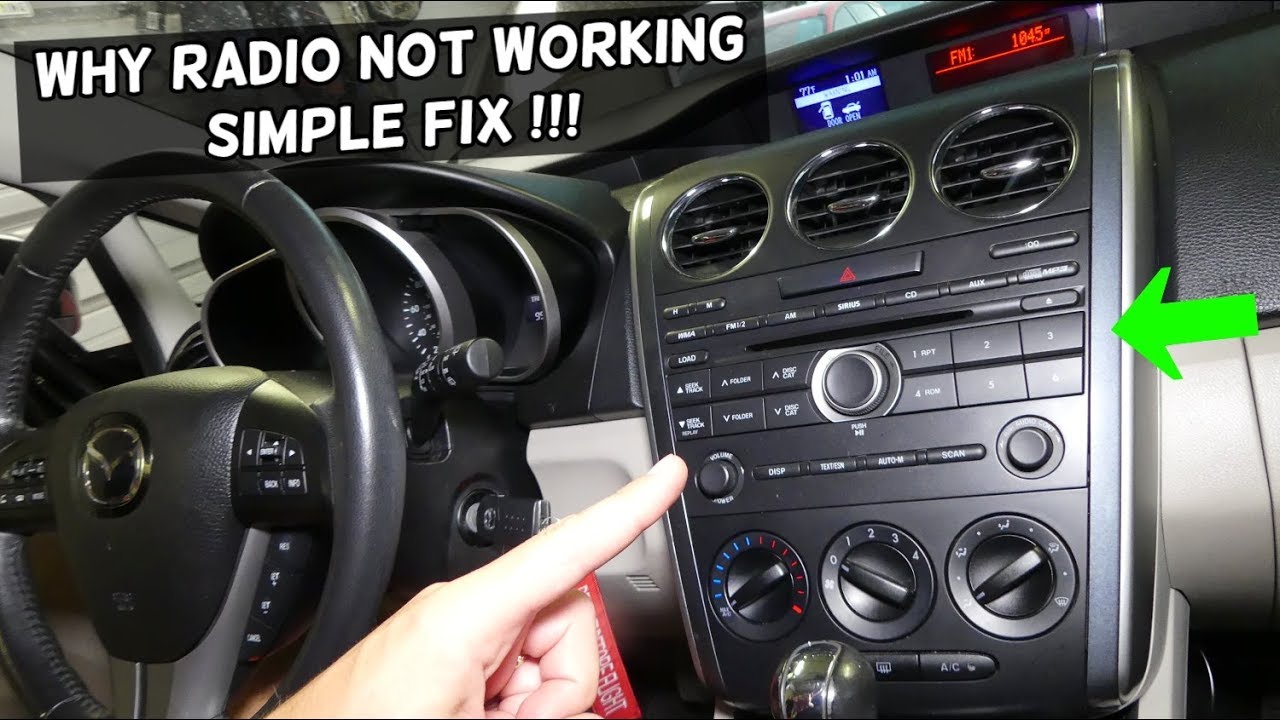
Car stereo FM issues often trace back to antenna problems. The antenna plays a key role in catching radio signals. Weak or no signal can stop the FM from working well. Checking the antenna is the first step to fix this issue.
49% off Today's Exclusive Deals
Limited-time Exclusive Deals. Check current discount on Amazon.
Check Price on Amazon As an Amazon Associate I earn from qualifying purchases.Checking Antenna Connection
Start by examining the antenna connection. Loose wires or poor contact can block the signal. Make sure the antenna plug fits tightly into the stereo unit. Look for signs of rust or dirt on the connector. Clean the area gently if needed. A solid connection can improve signal strength immediately.
Replacing A Damaged Antenna
A damaged antenna cannot catch signals properly. Look for bends, breaks, or corrosion on the antenna rod. These signs mean the antenna needs replacement. Choose one that fits your car model. Installing a new antenna restores clear FM reception. This fix is simple and cost-effective.
Upgrading To A Better Antenna
Older antennas may not work well with modern radios. Upgrading to a better antenna can boost signal quality. Options include longer rods or amplified antennas. These antennas catch weak signals more easily. Upgrading helps get clear sound in areas with weak coverage. Consider this step for a lasting solution.
Resolving Signal Interference
Signal interference often causes car stereo FM problems. Weak or unclear sound may result from blocked or distorted signals. Fixing interference can improve radio clarity and enjoyment. Understanding common causes helps find the right solution.
Avoiding Obstructions
Objects around the car can block FM signals. Tall buildings, trees, or hills may weaken the signal. Park in open spaces to get a clearer reception. Keep the antenna free from covers or dirt. Simple changes in parking spots often improve sound quality.
Reducing Electronic Interference
Electronic devices inside the car can cause radio noise. Chargers, LED lights, or other gadgets may interfere with FM signals. Turn off unused electronics to test signal improvement. Use shielded cables for your stereo system. Reducing electronics near the stereo can clear up static and buzzing.
Choosing Optimal Locations
Signal strength varies by location and time. Moving the car to a higher or open area helps. Avoid tunnels, underground garages, or dense urban areas. Tune in at times with less radio traffic. Finding better spots enhances FM reception and sound clarity.
Fixing Wiring And Connection Issues
Fixing wiring and connection issues is a key step to solve car stereo FM problems. Faulty wires or loose connections often stop the radio from working. Checking these parts carefully can bring your FM signal back. It does not take long and needs only basic tools.
Start by looking at the wires behind the stereo and antenna. Small damage can block the signal. Next, make sure all wires are tight and well connected. Finally, use a multimeter to test the wires for power and continuity. These steps help find and fix the problem fast.
Inspecting Wiring For Damage
Look closely at the wires connecting your car stereo and antenna. Check for cuts, breaks, or worn spots on the insulation. Damaged wires can cause poor or no FM reception. Replace any wires that look broken or frayed. Even small cracks can stop signals from reaching your stereo.
Reconnecting Loose Wires
Loose wires often cause the FM radio to lose signal. Gently push each wire back into its connector. Make sure all plugs fit tightly without wiggle. Reconnect any wires that fell out. A firm connection helps the radio get a clear signal from the antenna.
Testing With A Multimeter
Use a multimeter to check if wires carry electricity correctly. Set the multimeter to measure voltage or continuity. Test the power wires to the stereo and the antenna cable. No reading means a break or power loss. This tool helps find hidden wiring problems that are hard to see.
Addressing Software And Firmware Problems
Software and firmware issues often cause car stereo FM problems. These problems stop the radio from working right. Fixing these issues can bring back clear FM sound. Understanding simple steps helps solve many common errors fast.
Sometimes, the stereo needs a fresh start. Other times, it needs new software. The user manual guides the process. These fixes improve performance and reduce signal errors.
Performing A System Reset
Resetting the stereo clears temporary glitches. This step often fixes minor software faults. Find the reset button or use the settings menu. Hold the button for a few seconds. The system restarts with default settings. This can fix frozen screens or no sound.
Updating Firmware
Firmware controls how the stereo works. Old firmware may cause tuning issues. Check the car stereo brand’s website for updates. Download the update to a USB or SD card. Follow instructions to install the new firmware. This update improves radio signal handling and adds features.
Consulting User Manual
The user manual holds key troubleshooting tips. It explains reset and update steps clearly. Manuals also show error codes and their meanings. Reading the manual saves time and avoids mistakes. Keep the manual handy for quick reference.

When To Seek Professional Help
Knowing when to seek professional help for a car stereo FM issue can save time and money. Some problems are simple and can be fixed at home. Others need expert tools and skills. Recognizing the difference is important.
Identifying Complex Issues
Complex problems include wiring faults and internal component damage. These issues cause the stereo to stop working entirely or have poor sound quality. If basic checks do not fix the problem, it might be complex. Professionals can diagnose problems using special equipment.
Finding Reliable Repair Services
Choose repair services with good reviews and experience. Reliable technicians use quality parts and offer guarantees. Ask for recommendations or check online ratings. A trustworthy service ensures your stereo works well after repair.
Cost Considerations
Repair costs vary depending on the problem’s severity. Sometimes, fixing a stereo is cheaper than buying a new one. Professionals provide clear estimates before starting work. Avoid surprise expenses by discussing costs upfront.
Preventing Future Fm Problems
Preventing future FM problems keeps your car stereo working well. Small habits help avoid common issues. Simple care protects your sound quality and saves time. Follow easy steps to keep your FM signals clear and strong.
Regular Maintenance Tips
Check your stereo regularly for dust and dirt. Clean the buttons and screen with a soft cloth. Avoid spilling liquids on the stereo system. Inspect wiring for loose or damaged connections. Regular checks help catch problems early. Clean parts work better and last longer.
Proper Antenna Handling
Handle your antenna gently to avoid damage. Avoid bending or twisting it hard. Keep the antenna clean from dirt and rust. A strong antenna improves signal reception. Park away from tall buildings or metal objects. Proper care keeps your FM signal clear and steady.
Keeping Software Updated
Check for software updates from the car or stereo maker. Updates fix bugs and improve performance. Follow instructions carefully when updating the system. Updated software helps avoid signal dropouts and glitches. Keep your stereo system fresh and reliable with updates.
Frequently Asked Questions
Why Is My Car Stereo Fm Not Receiving Signals?
Your car stereo FM may not receive signals due to antenna issues. Check if the antenna is loose, damaged, or disconnected. Also, poor signal coverage in your area can cause reception problems. Ensure your stereo settings are correct and the FM band is selected.
How To Fix A Car Stereo Fm That Won’t Tune?
If your car stereo FM won’t tune, try resetting the unit first. Inspect the antenna connection and clean it if dirty. Interference from electronic devices can affect tuning, so keep them away. If the problem persists, professional repair might be necessary.
Can Bad Wiring Cause Car Stereo Fm Failure?
Yes, bad wiring can cause car stereo FM failure. Loose or corroded wires disrupt the signal flow. Inspect all wiring connections, especially those connected to the antenna and stereo unit. Proper wiring ensures clear FM reception and prevents signal loss.
Does Weather Affect Car Stereo Fm Reception?
Weather can affect car stereo FM reception. Heavy rain, storms, or dense fog weaken FM signals. This results in static or no sound. While weather impacts reception temporarily, a strong antenna and good wiring reduce signal issues.
Conclusion
Car stereo FM problems can have simple causes. Check the antenna connection first. Sometimes, a loose wire stops signal reception. Try tuning the radio to different frequencies. Interference from other devices may affect sound quality. Resetting the stereo can also help.
If issues persist, professional help might be needed. Understanding these points saves time and frustration. Enjoy clear radio sound by keeping your system in good shape. Small fixes often restore your FM radio quickly. Stay patient and follow these easy steps.