Is your car stereo suddenly silent, leaving you stuck in a quiet ride? You’re not alone, and fixing this problem might be easier than you think.
Imagine turning the key, expecting your favorite tunes, but hearing nothing at all. Frustrating, right? Don’t worry—this guide will walk you through simple steps to get your sound back fast. Keep reading, because by the end, you’ll know exactly how to bring your car stereo back to life and enjoy every drive with music again.

49% off Today's Exclusive Deals
Limited-time Exclusive Deals. Check current discount on Amazon.
Check Price on Amazon As an Amazon Associate I earn from qualifying purchases.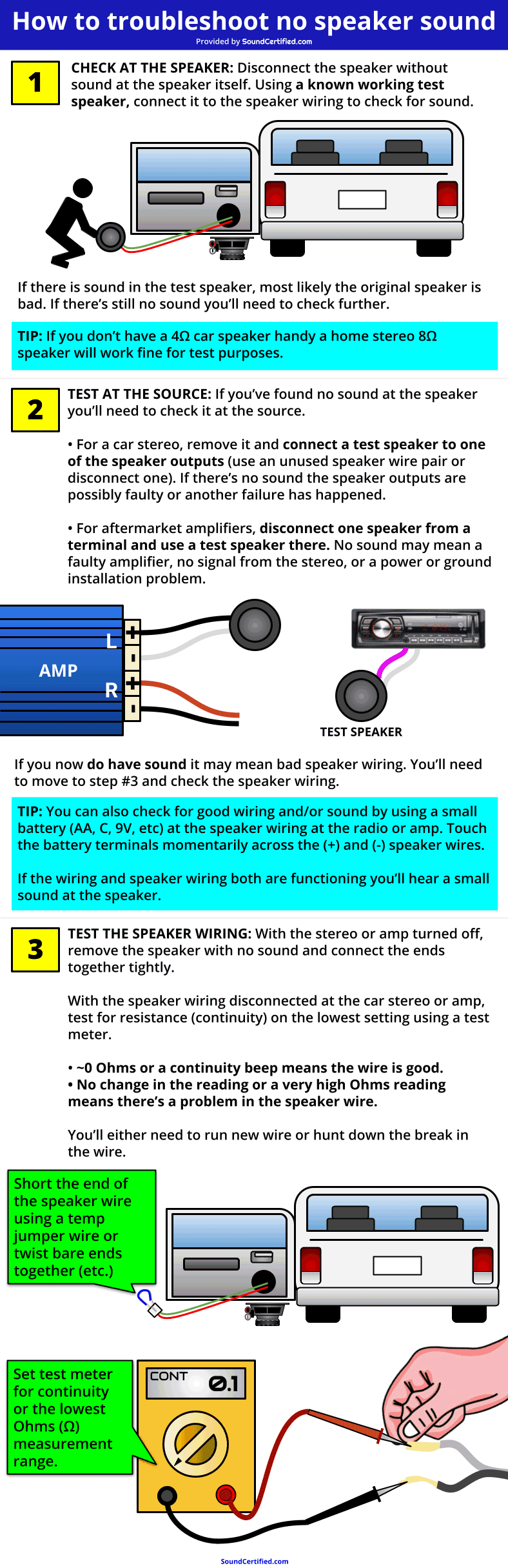
Check Power And Connections
Checking power and connections is the first step in fixing no sound from a car stereo. Power issues or loose connections often cause sound problems. A quick inspection can save time and money. Follow these steps carefully to find the source of the problem.
Inspect Fuse And Wiring
Start by checking the fuse for the car stereo. A blown fuse stops power from reaching the unit. Locate the fuse box in your car and find the stereo fuse using the diagram. Replace the fuse with one that matches the rating if it is blown.
Next, examine the wiring behind the stereo. Loose or damaged wires can break the connection. Gently pull out the stereo and look for any wires that are not secure or have visible damage. Fix or replace any faulty wires before testing again.
49% off Today's Exclusive Deals
Limited-time Exclusive Deals. Check current discount on Amazon.
Check Price on Amazon As an Amazon Associate I earn from qualifying purchases.Verify Battery And Ignition
Make sure the car battery has enough charge. A weak battery may not power the stereo properly. Use a multimeter to check the battery voltage. It should read around 12.6 volts when the car is off.
Check the ignition switch as well. The stereo usually turns on with the ignition. Test if the stereo gets power when the key is in the “accessory” or “on” position. No power means an ignition or wiring problem.
Examine Speaker Wires
Speaker wires carry sound signals from the stereo to the speakers. Inspect these wires for cuts or loose connections. Trace the wires from the stereo to each speaker if possible.
Reconnect any loose wires and repair damaged ones with electrical tape or new wire. Ensure the wires connect correctly to positive and negative terminals. Incorrect wiring can cause no sound or poor sound quality.
49% off Today's Exclusive Deals
Limited-time Exclusive Deals. Check current discount on Amazon.
Check Price on Amazon As an Amazon Associate I earn from qualifying purchases.Test The Stereo Settings
Testing your car stereo settings is the first step to fix no sound issues. Sometimes the problem lies in simple settings rather than hardware. Checking these settings can save time and effort. It helps you understand if the stereo is working but not playing sound correctly.
Adjust Volume And Mute
Check the volume level on your stereo. Make sure it is turned up enough to hear sound. Look for a mute button and see if it is active. Muting stops all sound, so turning it off may fix the issue. Sometimes, volume is set low or muted by accident.
Review Balance And Fade
Balance controls sound direction between left and right speakers. Fade adjusts sound between front and rear speakers. If balance or fade is set fully to one side, you might hear no sound from others. Set balance and fade to the center. This ensures sound comes from all speakers evenly.
Reset To Factory Settings
Resetting to factory settings clears any wrong adjustments. It restores the stereo to its original setup. Find the reset option in your stereo menu. Pressing this resets all settings, including volume, balance, and fade. This step can fix hidden setting issues causing no sound.
Inspect The Speakers
Inspecting the speakers is an important step in fixing car stereo no sound issues. Speakers can get damaged or disconnected, causing no audio output. Checking them helps find the root cause of the problem. This process involves a few simple tasks anyone can do.
Look For Physical Damage
Start by checking each speaker for visible damage. Look for tears, holes, or loose parts on the speaker cone. Make sure the speaker grill is not broken or blocked. Physical damage can stop sound from coming out.
Test With Another Device
Connect the speakers to a different audio source. Use a phone or MP3 player with a headphone jack. Play some music to see if sound comes through. No sound means the speaker may be faulty. Sound means the problem might be in the stereo system.
Replace Faulty Speakers
If a speaker is damaged or does not produce sound, replace it. Buy a speaker that fits your car model and stereo system. Installing new speakers can restore clear sound. It is often the best solution for broken or worn-out speakers.
Evaluate External Components
Before diving into complex fixes, check the external components of your car stereo. These parts often cause no sound issues. A quick inspection can save time and money. Focus on the amplifier, antenna, and input connections. Each plays a key role in sound output. Let’s explore how to evaluate these components step by step.
Check Amplifier Functionality
The amplifier boosts the audio signal to your speakers. If it fails, no sound will come out. Start by ensuring the amplifier is powered on. Look for any blown fuses or loose wires. Test the amplifier by connecting it to a different audio source. Listen for any sound or distortion. Replace or repair the amplifier if it shows no signs of life.
Inspect Antenna Connection
The antenna brings in radio signals for your stereo. A loose or damaged antenna can cause no sound or poor reception. Check the antenna cable for tight connections at both ends. Look for visible damage or corrosion. Try adjusting the antenna position for better signal. Replace the antenna if it looks worn or broken.
Test Auxiliary And Bluetooth Inputs
Many car stereos use auxiliary cables or Bluetooth to play music. Faulty inputs may stop sound from reaching the stereo. Plug a known working device into the auxiliary port. See if audio plays through the car speakers. For Bluetooth, confirm the device is paired and connected. Try disconnecting and reconnecting the Bluetooth device. Fix or replace the cables and reconnect devices as needed.
Use Diagnostic Tools
Using diagnostic tools helps find the cause of no sound from a car stereo. These tools check electrical parts and connections. They save time and avoid guesswork. A few simple devices can show if power reaches the stereo and if speakers work properly.
Employ Multimeter For Voltage
A multimeter measures voltage and current in the stereo system. Set it to DC voltage to check power at the stereo’s power wires. A healthy car stereo needs around 12 volts. No voltage means a blown fuse or wiring problem. Testing speaker wires with the multimeter can also find breaks or shorts in cables.
Utilize Speaker Tester
A speaker tester quickly checks if speakers are functional. Connect the tester to each speaker wire one by one. The tester sends a small signal to the speaker. If you hear sound from the speaker, it works fine. No sound means the speaker is broken or the wiring is cut.
Consult Car Stereo Manual
The car stereo manual has important information about wiring and troubleshooting. It shows the color codes for wires and fuse locations. The manual also explains error codes or blinking lights on the stereo. This guide helps use diagnostic tools correctly and safely.

Seek Professional Help
When your car stereo has no sound, some problems need expert care. Trying to fix complex issues alone can cause more harm. Seeking professional help ensures the right tools and skills handle the problem. Experts can quickly find the cause and offer safe solutions. This saves time and avoids costly mistakes.
Find A Certified Technician
Choose a technician with proper certification. Certified experts have training on many car stereo brands and models. They understand wiring, speakers, and software inside the stereo. This knowledge helps them fix the problem correctly the first time. Avoid uncertified help to prevent damage or poor repairs.
Consider Warranty And Repairs
Check if your stereo is still under warranty. Warranty might cover repairs or replacement parts. Professional technicians can guide you on warranty terms. They know how to handle repairs without voiding warranty. This can save money and ensure quality service.
Explore Replacement Options
If the stereo is beyond repair, consider replacing it. A professional can suggest models that fit your car and budget. They also install new systems safely and correctly. Replacement may improve sound quality and add new features. Experts help you choose the best option.

Frequently Asked Questions
Why Does My Car Stereo Have No Sound?
No sound can be due to blown fuses, loose wiring, or speaker issues. Check connections and fuses first. Inspect speakers and head unit for damage or malfunction.
How Can I Fix A Car Stereo With No Audio Output?
Start by checking the fuse and wiring connections. Reset the stereo system if possible. Test speakers individually to identify any faults.
Can A Faulty Amplifier Cause No Sound In Car Stereo?
Yes, a faulty amplifier can block audio output. Test the amplifier or bypass it to see if sound returns. Replace if necessary.
What Role Does The Mute Button Play In No Sound Issues?
The mute button may be accidentally activated, causing silence. Ensure it’s not engaged. Sometimes the button or remote might be stuck.
Conclusion
Fixing a car stereo with no sound takes simple steps. Check the power, wiring, and speaker connections first. Clean any dirty contacts and test the fuse. Small problems often cause big issues. Patience helps when troubleshooting your stereo. Keep your tools ready and follow instructions carefully.
Soon, you will enjoy music again on the road. Don’t give up if it takes time. Sound can return with a little effort and care. Your car rides become more fun with working stereo.