Have you ever felt your car’s subwoofer shaking the whole vehicle, but not in a good way? That annoying rattle coming from your subwoofer can ruin your listening experience and even damage your sound system.
You might be wondering why this happens and how to fix it. Understanding why your subwoofer rattles is the first step to enjoying deep, clear bass without the unwanted noise. Keep reading to discover the common causes and simple solutions that will bring your car’s audio back to life.

49% off Today's Exclusive Deals
Limited-time Exclusive Deals. Check current discount on Amazon.
Check Price on Amazon As an Amazon Associate I earn from qualifying purchases.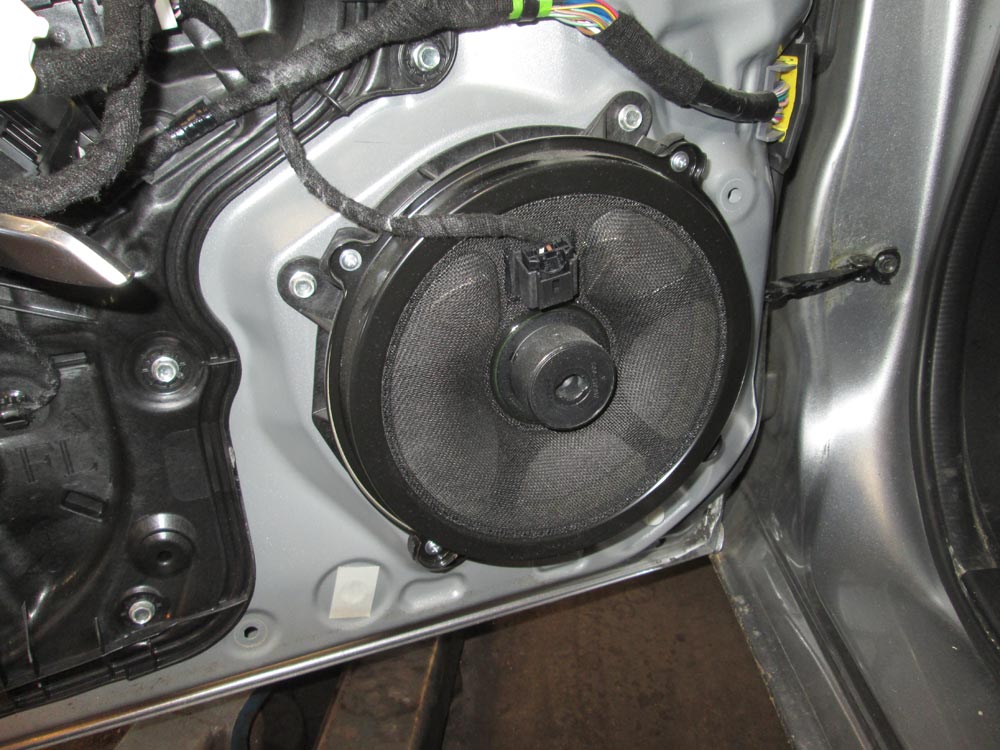
Common Causes Of Subwoofer Rattling
Subwoofer rattling in cars often ruins the listening experience. This noise distracts and lowers sound quality. Many reasons cause this problem. Understanding these common causes helps fix rattling quickly. This section covers frequent issues that lead to subwoofer rattles.
Loose Mounting Or Enclosure
A loose subwoofer or enclosure moves during sound playback. This movement causes vibrations and rattles. Screws may loosen over time. The enclosure might not fit tightly in the car. Tightening mounts and securing the box stops unwanted noise.
Damaged Speaker Cone
The speaker cone can tear or warp. Damage changes how the cone moves. It may hit other parts inside the subwoofer. This contact creates rattling sounds. Inspect the cone for holes or bends. Replace the cone if needed for clear sound.
49% off Today's Exclusive Deals
Limited-time Exclusive Deals. Check current discount on Amazon.
Check Price on Amazon As an Amazon Associate I earn from qualifying purchases.Faulty Surround Or Suspension
The surround and suspension keep the cone centered. If these parts wear out, the cone moves unevenly. This causes popping or rattling noises. Old or cracked surrounds reduce sound quality. Replacing these parts restores smooth cone motion.
Incorrect Amplifier Settings
Amplifier settings affect subwoofer performance. Too much bass boost or gain causes distortion. Distortion leads to rattling sounds. Setting the amplifier correctly prevents unwanted vibrations. Adjust bass levels and gain for balanced sound.
Poor Wiring Connections
Loose or damaged wires can cause electrical noise. Faulty connections may produce crackling or rattling sounds. Check all wires for secure fitting and damage. Fixing wiring issues improves sound clarity and stops rattles.
Resonating Car Panels
Car panels near the subwoofer may vibrate with bass. This resonance creates rattling noises inside the vehicle. Panels or trim pieces might be loose or weak. Reinforce or tighten panels to reduce these vibrations. This improves overall sound experience.
49% off Today's Exclusive Deals
Limited-time Exclusive Deals. Check current discount on Amazon.
Check Price on Amazon As an Amazon Associate I earn from qualifying purchases.
Identifying The Source Of The Rattle
Finding the source of a subwoofer rattle is key to fixing it. The rattle could come from many places in your car. Careful checks help you spot the exact cause. This saves time and prevents wrong repairs.
Listening Techniques
Start by turning the volume low. Increase it slowly to catch the rattle. Listen closely near the subwoofer and other parts. Try different songs with deep bass. Notice if the rattle changes with the music. This helps locate the sound’s origin.
Physical Inspection
Look around the subwoofer for loose parts. Check the speaker cone and surround for damage. Feel for any loose screws or panels nearby. Inspect the car door and dashboard for weak spots. Press gently on the subwoofer to see if it moves. This hands-on check finds loose or broken parts.
Using Tools To Detect Vibrations
Use a flashlight to see hidden areas. A mechanic’s stethoscope can pinpoint vibrations. Tap parts lightly and listen for echoes. A vibration meter shows strong shaking spots. These tools help find subtle rattles you cannot hear. They make the job easier and more precise.
Simple Fixes To Stop Rattling
Subwoofer rattling can spoil your car audio experience. Simple fixes can stop the noise fast. These fixes do not need special tools or skills. Just some attention and a little effort. Let’s explore easy ways to fix subwoofer rattling.
Tightening Screws And Bolts
Loose screws and bolts cause vibration and rattling. Check all mounting points of your subwoofer. Use a screwdriver or wrench to tighten them firmly. Tight screws keep the subwoofer steady and reduce noise. Make sure not to overtighten, which can damage parts.
Replacing Damaged Parts
Damaged parts like torn cones or broken surrounds create rattling sounds. Inspect your subwoofer carefully for tears or cracks. Replace any worn or broken components with new ones. Using good quality parts restores sound clarity and stops rattles.
Adjusting Amplifier Gain And Crossover
High gain or wrong crossover settings push the subwoofer too hard. This causes distortion and rattling. Lower the amplifier gain to a balanced level. Set the crossover frequency to match your subwoofer’s range. Proper settings improve sound and reduce unwanted noise.
Securing Wiring Properly
Loose or vibrating wires can add to the rattling noise. Check all wiring connected to the subwoofer and amplifier. Use cable ties or clips to hold wires firmly in place. Neat wiring prevents movement and stops extra rattles.
Damping Car Panels With Soundproofing
Thin car panels often vibrate with deep bass tones. Add soundproofing mats or foam on doors and panels near the subwoofer. These materials absorb vibrations and reduce rattling. Soundproofing gives you cleaner bass and a better listening experience.
Preventing Future Rattling Issues
Preventing future rattling issues in your car’s subwoofer helps keep sound clear and strong. Rattles can damage your system over time. Taking steps early saves money and frustration. Simple habits and smart choices protect your audio setup. Let’s explore ways to stop rattling before it starts.
Regular Maintenance Tips
Check your subwoofer often for loose parts. Tighten screws and bolts that may come loose. Clean dust and dirt from the speaker area. Dirt can cause parts to stick and rattle. Listen closely for new sounds after driving. Fix small problems before they grow. Regular checks keep your system stable and quiet.
Upgrading To Quality Components
Low-quality parts can cause rattling faster. Use stronger speakers and mounts built for your car. Good materials reduce vibrations and noise. Choose brands known for durability and sound quality. Better parts last longer and perform well. Upgrading parts is a smart way to avoid rattles.
Proper Installation Practices
Install your subwoofer carefully and firmly. Loose or uneven fitting leads to rattling sounds. Use the right tools and follow instructions closely. Add soundproofing materials around the speaker. Foam or rubber can absorb vibrations. A well-installed subwoofer stays quiet and delivers clear bass.

Frequently Asked Questions
Why Does My Car Subwoofer Rattle Loudly?
A car subwoofer rattles loudly due to loose mounting or poor enclosure sealing. Vibrations cause parts to shake. Tightening screws and sealing gaps often stops the noise and improves sound quality.
How Can I Fix A Rattling Subwoofer In My Car?
To fix a rattling subwoofer, check for loose screws and tighten them. Inspect the speaker box for cracks or gaps and seal them. Also, ensure the speaker cone isn’t damaged or misaligned.
Does A Rattling Subwoofer Affect Sound Quality?
Yes, a rattling subwoofer reduces sound clarity and bass response. It creates unwanted noise and distortion, making music less enjoyable. Fixing the rattle restores clean, deep bass and improves overall audio performance.
Can Poor Installation Cause Subwoofer Rattling?
Poor installation often causes subwoofer rattling. Incorrect mounting or using the wrong enclosure size leads to vibrations. Proper installation ensures the subwoofer is secure and the enclosure is sealed, preventing rattling noises.
Conclusion
A subwoofer rattle can spoil your car audio experience. Loose parts, poor installation, or damaged speakers often cause it. Fixing these issues improves sound quality and comfort. Check your subwoofer and surrounding areas regularly. Tighten screws and replace worn parts when needed.
Enjoy clear, deep bass without annoying rattles. A well-maintained subwoofer makes every drive better. Simple steps keep your car sound system working great. Don’t let rattles ruin your music time.