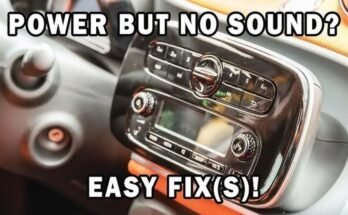
Is your car stereo playing too quietly, no matter how high you turn up the volume? It’s frustrating when your favorite songs or podcasts sound muffled or barely audible during your drive.
But before you spend money on a new system or expensive repairs, there are simple steps you can take to fix the low volume problem yourself. You’ll discover easy and effective solutions that will bring your car’s sound back to life.

49% off Today's Exclusive Deals
Limited-time Exclusive Deals. Check current discount on Amazon.
Check Price on Amazon As an Amazon Associate I earn from qualifying purchases.Keep reading—you’re just moments away from enjoying clear, powerful audio every time you hit the road.
Common Causes Of Low Volume
Low volume in your car stereo can be frustrating. It stops you from enjoying your favorite music or podcasts. Several common issues cause this problem. Knowing these can help you fix the volume quickly. Below are some typical reasons your car stereo sounds too quiet.
Speaker Issues
Speakers are the main source of sound. Damaged or worn-out speakers lower the volume. Dirt or moisture can also affect speaker performance. Check for cracks or holes in the speaker cones. Faulty speakers need repair or replacement to restore sound.
49% off Today's Exclusive Deals
Limited-time Exclusive Deals. Check current discount on Amazon.
Check Price on Amazon As an Amazon Associate I earn from qualifying purchases.Wiring Problems
Loose or broken wires reduce sound output. Poor connections between the stereo and speakers cause low volume. Corroded or frayed wires can block sound signals. Inspect wiring carefully and tighten or replace damaged cables.
Head Unit Settings
The stereo’s settings control sound levels. Incorrect volume or balance settings can make audio quiet. Check the volume, fade, and balance controls. Sometimes, a simple reset of the head unit fixes the issue. Ensure no mute or low-volume mode is on.
Amplifier Faults
An amplifier boosts the audio signal for louder sound. A broken or weak amplifier reduces volume output. Faulty amps may cause distorted or low sound. Test the amplifier and replace it if needed to improve volume.
Checking And Adjusting Volume Settings
Adjusting volume settings is the first step to fix low sound in a car stereo. Small changes here can improve sound quality a lot. It is important to check all volume-related controls. This helps find the cause of the low volume problem quickly.
49% off Today's Exclusive Deals
Limited-time Exclusive Deals. Check current discount on Amazon.
Check Price on Amazon As an Amazon Associate I earn from qualifying purchases.Balance And Fader Controls
Balance controls adjust sound between the left and right speakers. Fader controls adjust sound between the front and rear speakers. If these are set wrong, sound may seem low in certain areas. Set balance and fader to the middle for even sound. This can make the audio louder and clearer.
Equalizer Adjustments
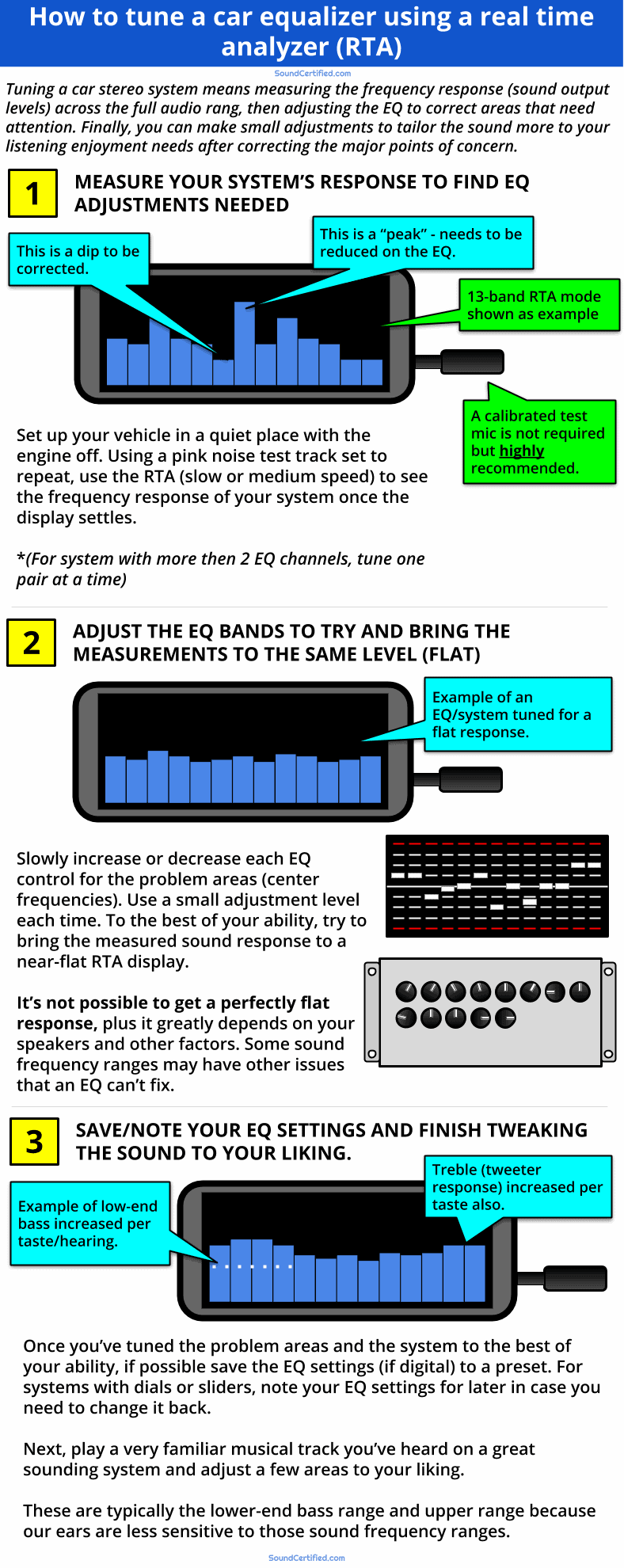
The equalizer changes sound frequencies like bass and treble. Sometimes low volume comes from poor equalizer settings. Try setting all equalizer bands to a flat or neutral position. Then increase the overall volume slowly. Adjust bass and treble to improve clarity without lowering volume.
Volume Limiters
Some car stereos have volume limiters to protect speakers. These limit the maximum volume level allowed. Check if a volume limiter is active in the settings menu. Turn off or raise the limiter if possible. This can allow the stereo to reach higher volume levels safely.
Inspecting And Repairing Wiring
Checking the wiring is an important step to fix low volume in your car stereo. Problems in wiring can stop sound from reaching the speakers properly. Small issues like loose wires or bad connections can reduce volume and sound quality. This section helps you find and fix wiring problems safely and clearly.
Loose Connections
Loose connections can stop sound from flowing well. Check all wire plugs behind the stereo and speakers. Press each connector firmly into place. If a wire feels loose, unplug it and plug it back in. This can improve the sound immediately. Tight connections keep the electrical flow strong and steady.
Damaged Wires
Wires can wear out or get cut over time. Look for cracks, cuts, or bare wires along the cable. Damaged wires cause weak signals and low volume. Use electrical tape to cover small tears. For big damage, replace the wire completely. Healthy wires carry sound clearly from the stereo to the speakers.
Grounding Problems
Ground wires balance the electrical system in your car. A bad ground can cause low volume and noise. Find the grounding wire, usually black or brown. Make sure it connects tightly to a clean metal surface. Remove rust or paint from the spot. Secure the ground wire with a screw or clamp. Good grounding improves audio performance and stops static sounds.
Testing And Replacing Speakers
Testing and replacing car stereo speakers can fix low volume issues. Speakers wear out over time or get damaged. Checking their condition helps find the problem fast. Sometimes, replacing old speakers boosts sound quality and volume.
Speaker Condition Check
Start by turning on the stereo at a moderate volume. Listen carefully to each speaker one by one. Notice any crackling, buzzing, or weak sound. These signs mean the speaker might be damaged.
Use a screwdriver to remove the speaker cover. Look inside for tears, holes, or dust buildup. Check the speaker cone for any dents or damage. Press lightly on the cone; it should move smoothly.
Wires must be tight and connected well. Loose or broken wires cause low volume or no sound. Fix any loose connections or broken wires before testing again.
Speaker Replacement Tips
Choose speakers that match your car’s make and model. This ensures a proper fit and better sound quality. Look for speakers with good power handling and sensitivity ratings.
Disconnect the battery before removing old speakers. This prevents electrical shorts and protects the stereo system. Carefully remove screws and unplug the speaker wires.
Connect the new speakers to the wires correctly. Match positive and negative terminals to avoid sound issues. Secure the speakers tightly and replace the covers.
Test the system again at different volumes. Ensure the new speakers deliver clear and loud sound. Adjust stereo settings if needed for better balance.
Amplifier Troubleshooting
Amplifier issues often cause low volume in car stereos. Troubleshooting the amplifier helps identify the problem fast. It involves checking power, input signals, and fuses. This section guides you through simple steps to fix these common problems.
Power Supply Check
First, ensure the amplifier receives enough power. Check the battery and connections to the amplifier. Loose or corroded wires can stop power flow. Use a multimeter to measure voltage at the amplifier terminals. It should match the car battery voltage. If not, fix the wiring or replace the battery.
Signal Input Verification
Next, verify the audio signal reaches the amplifier. Check the cables from the stereo head unit to the amplifier. Damaged or loose cables reduce signal strength. Swap cables or reconnect them securely. Test the source device to confirm it sends sound signals properly.
Fuse Inspection
Inspect the amplifier fuse for damage. A blown fuse cuts power to the amplifier. Locate the fuse box and find the amplifier fuse. Remove it carefully and look for breaks or burn marks. Replace a bad fuse with one of the same rating. Test the system after replacement to see if volume improves.
Upgrading Your Car Stereo System
Upgrading your car stereo system can solve low volume problems effectively. Older or basic systems often lack power. New components bring clearer and louder sound. Enhancing your setup improves your driving experience. Let’s explore key upgrades that make a real difference.
Choosing A Better Head Unit
The head unit is the control center of your stereo. A better unit offers more power and features. Look for one with higher watt output. Digital signal processing (DSP) helps improve sound quality. Modern units support Bluetooth and USB inputs. These features give you more control over volume and sound.
Adding An External Amplifier
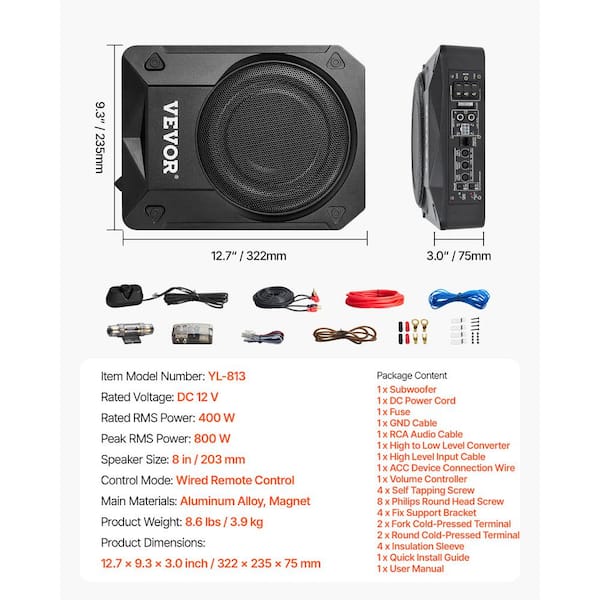
An external amplifier boosts the audio signal. It provides more power to your speakers. This results in louder, clearer sound without distortion. Amplifiers come in various sizes and power levels. Match the amplifier power with your speakers. Installation requires some wiring, but the volume increase is worth it.
Installing High-quality Speakers
Speakers play a big role in sound volume and clarity. Factory speakers often limit volume and sound quality. Upgrading to high-quality speakers improves bass and treble. Look for speakers with good sensitivity ratings. Component speakers separate tweeters and woofers for better sound. Proper speaker placement also enhances volume and clarity.
Maintaining Clear Sound Quality
Maintaining clear sound quality in your car stereo keeps music crisp and enjoyable. Clear sound makes driving more fun and safer. You hear every word and note without strain or distortion.
Simple care steps help your stereo stay loud and clear. Follow these tips to keep your system working well and avoid low volume issues.
Regular System Cleaning
Dust and dirt build up inside your stereo and speakers. This blocks sound and lowers volume. Clean your stereo face and buttons gently with a soft cloth. Use compressed air to blow dust from speaker grills and vents. Keep the area around the stereo free from debris. Regular cleaning stops dirt from harming sound quality.
Avoiding Overpowering
Playing music too loud can damage your stereo system. Overpowering causes speaker cones to wear out. This leads to crackling sounds and lower volume. Set volume at safe levels and avoid sudden loud bursts. Protect your speakers for clear, strong sound over time.
Proper Volume Levels
Keep the volume balanced. Very low volume may hide details in music. Very high volume causes distortion and sound loss. Adjust volume so you hear music clearly without strain. Moderate levels keep sound clear and prevent damage.

Frequently Asked Questions
Why Is My Car Stereo Volume So Low?
Low car stereo volume can be caused by faulty wiring, damaged speakers, or incorrect settings. Check connections and speaker condition first. Adjust equalizer and balance settings to ensure proper audio output. If issues persist, inspect the amplifier or consult a professional for repair.
How Can I Increase Car Stereo Volume Safely?
Increase car stereo volume by checking speaker impedance and amplifier settings. Avoid maxing volume to prevent speaker damage. Use a volume booster or upgrade your car audio system for better sound. Always test adjustments gradually to maintain audio quality and prevent distortion.
What Causes Distorted Sound At High Volume?
Distorted sound often results from overdriving speakers or poor-quality audio files. It can also indicate faulty wiring or a malfunctioning amplifier. Reduce volume levels, check connections, and replace damaged components. Using high-quality audio sources improves clarity and prevents distortion in your car stereo.
How Do I Check If Car Speakers Are Damaged?
Test car speakers by playing audio at moderate volume and listening for crackling or muffled sounds. Inspect speaker cones for tears or damage. Swap speakers with known working ones to confirm faults. Damaged speakers usually need replacement to restore clear, loud sound.
Conclusion
Fixing low car stereo volume is easier than you think. Check the wiring and connections first. Clean any dirty or loose parts. Adjust the volume settings and equalizer properly. Test the speakers for damage or wear. Sometimes, a simple reset can help.
Small steps can make your music sound clear and loud again. Keep your system well maintained for the best sound. Enjoy every drive with better audio quality.