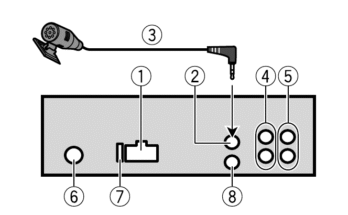
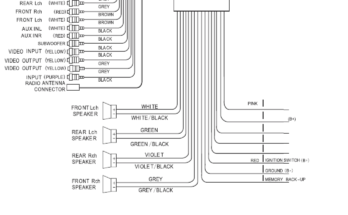
Is your car stereo suddenly not working right? Maybe the sound cuts out, or the stereo won’t turn on at all.
These problems often come down to wiring issues—something that can be frustrating but is usually fixable. If you want to enjoy your favorite tunes without paying a mechanic or buying a new system, this guide is for you. Keep reading, and you’ll learn simple, step-by-step ways to find and fix those tricky wiring problems yourself.

49% off Today's Exclusive Deals
Limited-time Exclusive Deals. Check current discount on Amazon.
Check Price on Amazon As an Amazon Associate I earn from qualifying purchases.Your car stereo will thank you.
Common Wiring Problems
Car stereo wiring problems can cause your system to stop working. These issues are common and often easy to fix. Knowing the usual wiring problems helps you save time and money. This section explains four common wiring problems and how to spot them.
Loose Connections
Loose connections happen when wires are not tightly attached. They cause the stereo to cut in and out or not turn on. Check all wire terminals and plugs. Tighten or reconnect any loose wires. This often fixes the problem quickly.
49% off Today's Exclusive Deals
Limited-time Exclusive Deals. Check current discount on Amazon.
Check Price on Amazon As an Amazon Associate I earn from qualifying purchases.Blown Fuses
A blown fuse stops power from reaching the stereo. It happens because of a short circuit or power surge. Find the fuse box and check the stereo fuse. Replace the blown fuse with one of the same rating. This restores power safely.
Incorrect Wire Colors
Wire colors guide you to connect the right wires. Sometimes, wires are mixed up or not standard. Double-check the wiring diagram for your car and stereo. Match wire colors carefully to avoid damage. Wrong connections may cause no sound or shorts.
Damaged Wires
Wires can wear out or get cut over time. Damaged wires create poor connections or shorts. Inspect wires for cracks, cuts, or burns. Replace or repair damaged sections with electrical tape or new wire. Healthy wires keep your stereo working well.
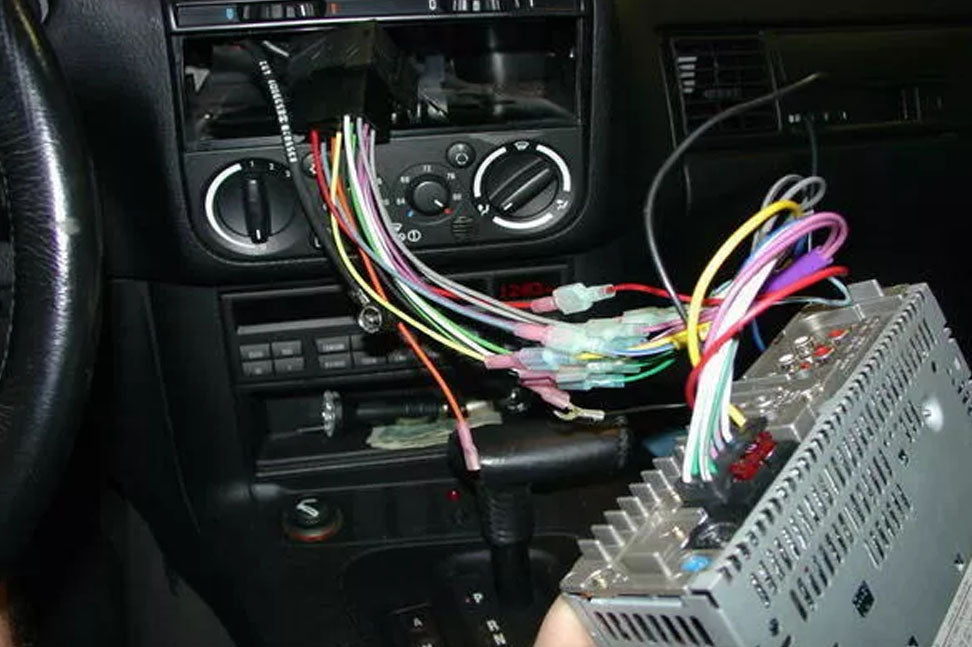
Tools And Materials Needed
Fixing car stereo wiring issues needs the right tools and materials. These help make the work safe and easy. Using proper tools also ensures a good connection and better sound quality.
49% off Today's Exclusive Deals
Limited-time Exclusive Deals. Check current discount on Amazon.
Check Price on Amazon As an Amazon Associate I earn from qualifying purchases.Below are the essential tools and materials you need before starting the repair. Having them ready saves time and avoids mistakes.
Wire Strippers And Crimpers
Wire strippers remove insulation without cutting the wire. This exposes clean wire ends for connections. Crimpers help join wires with connectors tightly. These tools make sure the wires do not come loose.
Multimeter
A multimeter measures voltage, current, and resistance. It helps find breaks or shorts in the wiring. Testing wires with a multimeter ensures the stereo gets proper power and signals.
Electrical Tape And Connectors
Electrical tape insulates wire connections to prevent shorts. Connectors join wires securely and allow easy repairs. Using high-quality tape and connectors keeps wires safe and stable.
Replacement Wires And Fuses
Old or damaged wires must be replaced for safety. Carry extra wires that match your car stereo’s specs. Fuses protect the stereo from power surges. Spare fuses help fix problems quickly.
Step-by-step Troubleshooting
Troubleshooting car stereo wiring problems can be simple if you follow clear steps. This guide helps you find and fix common issues fast. Follow each step carefully for best results.
Checking Power Supply
Start by making sure the stereo gets power. Use a multimeter to test the power wire. Check if the wire carries 12 volts. If no power, inspect the car’s battery and ignition switch. Loose or damaged wires can stop power flow.
Testing Ground Connections
The stereo needs a good ground to work. Find the ground wire and test it with a multimeter. The reading should be close to zero ohms. Clean any rust or paint where the ground wire connects. A poor ground causes sound problems or no power.
Inspecting Speaker Wires
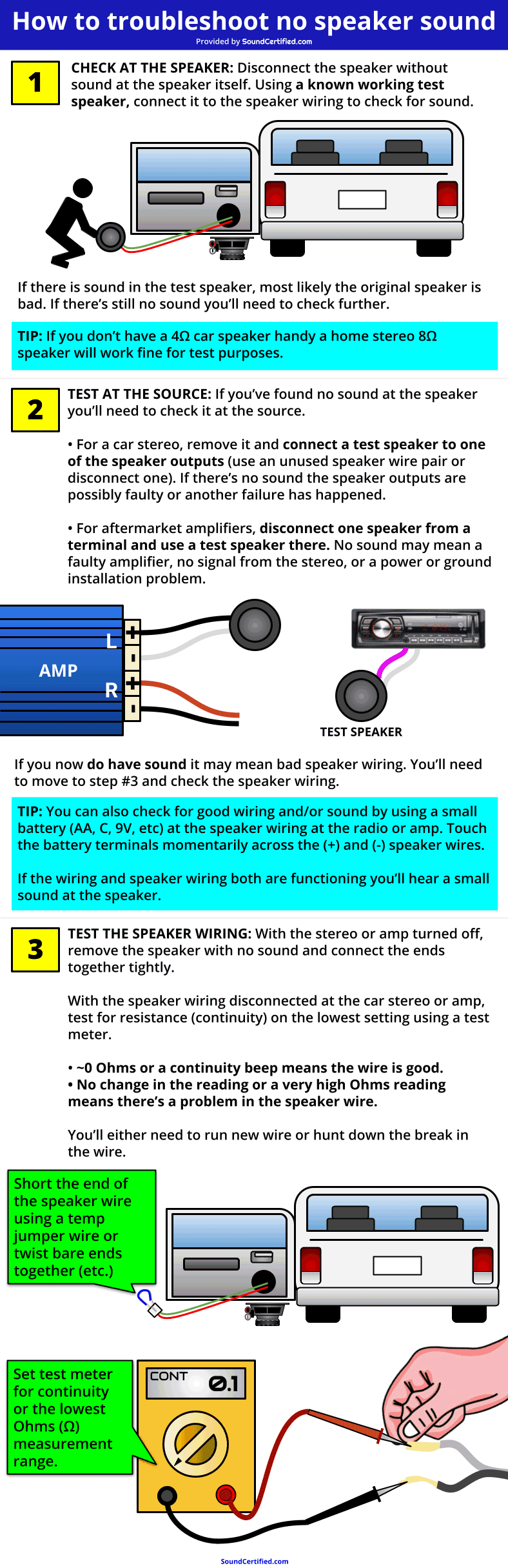
Look closely at all speaker wires. Check for cuts, breaks, or loose connections. Use a multimeter to test wire continuity. Make sure wires match the correct speaker terminals. Wrong connections can cause poor sound or no sound.
Verifying Fuse Integrity
Check the stereo’s fuse in the fuse box. A blown fuse stops the stereo from powering on. Use a fuse tester or replace the fuse with a new one. Always use the fuse with the correct rating. A bad fuse may hide other wiring problems.
Simple Fixes For Common Issues
Simple fixes often solve most car stereo wiring problems. These easy steps can save time and money. Basic tools like wire strippers and electrical tape help a lot. Understanding common issues makes repairs faster and safer. Keep the car battery disconnected before starting any work.
Reattaching Loose Wires
Loose wires cause sound cuts or no power at all. First, find the wire that is not connected properly. Strip a small part of the wire’s end. Twist it tightly with the matching wire or terminal. Use electrical tape or wire connectors to secure the connection. Test the stereo before closing the panels.
Replacing Blown Fuses
A blown fuse stops the stereo from working. Locate the fuse box in your car. Check the stereo fuse for a broken wire inside. Replace it with a fuse of the same rating. Using the wrong fuse can damage the stereo or car electronics. Always keep spare fuses for quick fixes.
Correcting Wire Mismatches
Wire mismatches cause poor sound or no sound. Match wire colors with the stereo’s wiring diagram. Common colors include red for power and black for ground. Use a multimeter to check wire functions if colors differ. Correct connections prevent damage and improve sound quality.
Repairing Damaged Insulation
Damaged insulation can cause shorts or interference. Locate wires with cracks or exposed metal. Cut out the damaged part if possible. Use heat shrink tubing or electrical tape to cover the wire. Proper insulation keeps the stereo system safe and stable.
Upgrading Wiring For Better Performance
Upgrading your car stereo wiring can greatly improve sound quality and system reliability. Old or thin wires may cause poor audio performance and frequent issues. Using better materials and proper wiring techniques helps your stereo work at its best.
Using Higher Gauge Wires
Choose thicker wires with a lower gauge number for power and ground connections. Thicker wires carry more current and reduce voltage drop. This means your stereo gets steady power, improving sound clarity and bass response. Avoid thin wires that can overheat or cause interference.
Installing Inline Fuse Holders
Protect your stereo system by adding inline fuse holders to the power wire. Fuses prevent damage by cutting power during a short circuit or overload. Place the fuse close to the battery for maximum safety. Use the correct fuse rating for your stereo’s power needs.
Improving Grounding Points
Secure a clean and solid ground connection to reduce noise and electrical issues. Find a bare metal spot on the car’s chassis for grounding. Sand off paint or rust before attaching the wire. A strong ground connection helps your stereo deliver clear, stable sound without buzzing or crackling.
Preventive Tips To Avoid Wiring Issues
Keeping your car stereo wiring in good shape avoids many headaches. Simple steps help prevent wiring problems. These tips save time and money on repairs.
Regular Inspections
Check your car stereo wires often. Look for loose connections or damaged wires. Fix small issues quickly to stop bigger problems. Regular checks catch wear and tear early.
Proper Wire Management
Keep wires neat and organized. Use clips or ties to hold wires in place. Avoid tangling or pinching wires behind the stereo. Good wire management reduces stress on connections.
Avoiding Moisture Exposure
Water harms stereo wiring and causes shorts. Keep wires dry and away from leaks. Use protective covers or seal gaps in your car. Moisture protection extends wiring life and reliability.
Frequently Asked Questions
How Do I Identify Car Stereo Wiring Problems?
Check for loose, frayed, or disconnected wires behind the stereo. Use a multimeter to test for power and continuity in each wire. Inspect the wiring harness for damage or corrosion. Proper identification helps target the exact issue for efficient repair.
What Tools Are Needed To Fix Wiring Issues?
You need wire strippers, electrical tape, a multimeter, crimp connectors, and a screwdriver. These tools help you strip wires, test connections, and secure wiring safely. Having the right tools ensures a smooth and safe repair process.
Can I Fix Car Stereo Wiring Without Professional Help?
Yes, if you have basic electrical knowledge and proper tools, you can fix simple wiring issues. Always disconnect the battery before working. Follow wiring diagrams carefully to avoid damage. For complex problems, consider professional assistance.
Why Is My Car Stereo Making Static Noises?
Static noises often result from loose or damaged wiring, poor grounding, or interference. Check and secure all connections, especially ground wires. Replace damaged wires and ensure the stereo is properly grounded to eliminate static.
Conclusion
Fixing car stereo wiring issues is easier than it seems. Start by checking all connections carefully. Use a wiring diagram to guide you step-by-step. Test each wire to find the problem quickly. Keep tools and materials ready before you begin.
Take your time to avoid mistakes or damage. With patience, your stereo will sound great again. Enjoy music clearly on every drive without worries. Simple steps bring big improvements to your car audio. Stay safe and follow instructions closely for best results.