Are you ready to upgrade your car audio experience but don’t know where to start? Connecting speakers to your car stereo can seem tricky, but it doesn’t have to be.
Imagine driving with crystal-clear sound that makes every song come alive. In this guide, you’ll learn simple, step-by-step instructions to connect your speakers quickly and safely. By the end, you’ll have the confidence to bring your car’s sound system to the next level.

49% off Today's Exclusive Deals
Limited-time Exclusive Deals. Check current discount on Amazon.
Check Price on Amazon As an Amazon Associate I earn from qualifying purchases.Keep reading and get ready to enjoy music like never before!
Gather Necessary Tools
Before connecting speakers to your car stereo, gather all necessary tools. Having the right tools makes the job easier and safer. Prepare everything in advance to avoid interruptions.
Required Equipment
You will need a few basic tools to connect your speakers. Start with a wire stripper to remove insulation from speaker wires. A screwdriver set is essential for opening panels and tightening screws. Use electrical tape to secure wire connections. A multimeter helps check voltage and continuity. Speaker wire of the correct gauge ensures good sound quality. A panel removal tool protects your car’s interior from damage.
49% off Today's Exclusive Deals
Limited-time Exclusive Deals. Check current discount on Amazon.
Check Price on Amazon As an Amazon Associate I earn from qualifying purchases.Safety Precautions
Disconnect the car battery before starting. This prevents electrical shocks and short circuits. Work in a well-lit area to see wires clearly. Wear gloves to protect your hands from sharp edges. Avoid loose clothing that can get caught. Double-check all connections before powering the system. Keep tools organized to avoid accidents. Safety ensures a smooth and worry-free installation process.
Identify Speaker Types
Before connecting speakers to your car stereo, identify the speaker types. This step helps ensure the best sound quality and proper setup. Different speakers have unique features and needs. Knowing these details makes installation easier and safer.
Coaxial Vs Component Speakers
Coaxial speakers combine multiple drivers in one unit. They usually include a woofer and a tweeter. This design saves space and is easy to install. Many factory car stereos use coaxial speakers.
Component speakers separate the drivers into different parts. You get separate woofers, tweeters, and sometimes mid-range drivers. This setup offers better sound quality. It allows precise placement of each speaker for clearer audio.
49% off Today's Exclusive Deals
Limited-time Exclusive Deals. Check current discount on Amazon.
Check Price on Amazon As an Amazon Associate I earn from qualifying purchases.Speaker Impedance And Power Ratings
Speaker impedance is measured in ohms. Common car speakers have 2, 4, or 8 ohms. Match the speaker impedance with your stereo’s output. Wrong impedance can cause damage or poor sound.
Power ratings show how much power speakers can handle. Look for RMS (continuous power) and peak power ratings. Use speakers that match your stereo’s power output. This keeps sound clear and protects your equipment.
Locate Car Stereo Wiring
Locating the car stereo wiring is the first step to connect your speakers properly. The wires carry the audio signals and power needed for the speakers. Knowing where these wires are helps avoid mistakes and damage. This section guides you through finding and understanding your car’s stereo wiring.
Accessing The Stereo Unit
Start by removing the stereo unit from the dashboard. Usually, you need to remove screws or clips holding it in place. Use a panel removal tool or a flat screwdriver carefully. Pull the unit out gently to avoid breaking any connectors. Behind the stereo, you will see a bundle of wires plugged into the unit.
Wire Color Codes
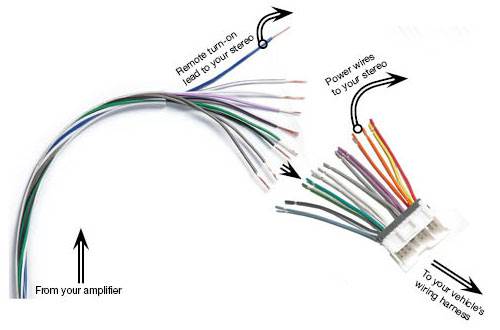
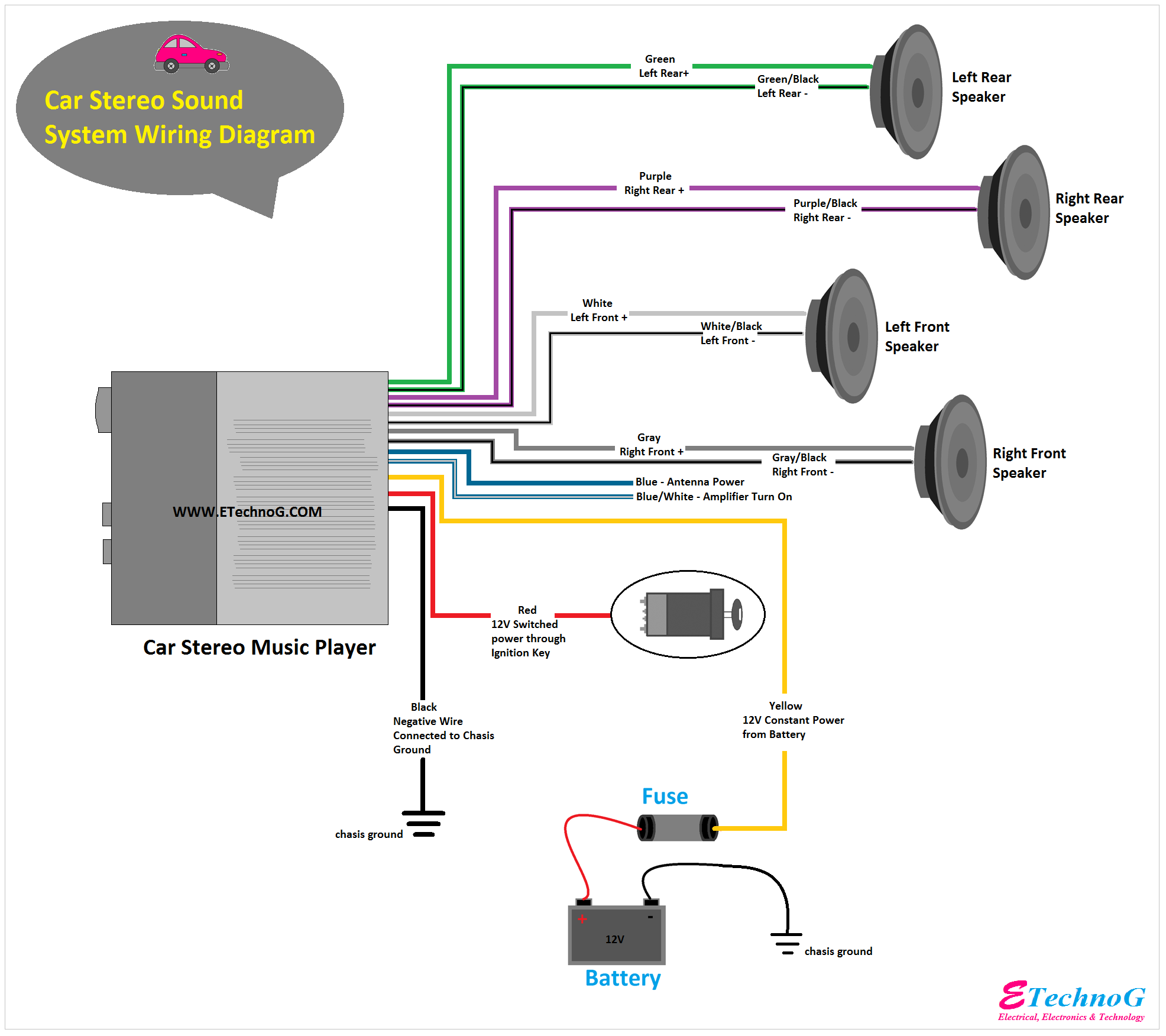
Each wire has a color that shows its purpose. Common colors include red for power and black for ground. Speaker wires come in pairs with a main color and a stripe. For example, white and white with a black stripe connect to the front left speaker. Learning these codes helps match wires correctly and ensures good sound quality.

Prepare Speaker Wires
Preparing speaker wires is an important step before connecting them to your car stereo. It helps ensure a strong and clear sound. Proper preparation also prevents damage to your system.
Take time to get the wires ready. Good connections make a big difference in audio quality. Follow simple steps to prepare wires safely and correctly.
Stripping And Connecting Wires
Start by stripping the wire ends. Remove about half an inch of insulation. Use a wire stripper or a sharp knife carefully. Avoid cutting the wire strands inside.
After stripping, twist the wire strands tightly. Twisted wires connect better and reduce signal loss. This step keeps the wire neat and easy to handle.
Using Connectors And Terminals
Use connectors to join wires securely. Connectors prevent loose connections and corrosion. Crimp connectors or solder the wires for a solid join.
Choose the right terminals for your speaker wires. Ring terminals or spade connectors work well. These terminals fit easily on car stereo posts and keep the connection stable.
Connect Speakers To Stereo
Connecting speakers to your car stereo is an important step for clear and strong sound. It needs careful attention to make sure everything works well. Simple mistakes can cause poor sound or damage to your system.
This guide focuses on two key steps: matching positive and negative terminals and securing connections. Follow these tips to get the best audio experience in your car.
Matching Positive And Negative Terminals
Speakers and stereos have positive (+) and negative (-) terminals. It is important to connect the positive terminal on the speaker to the positive terminal on the stereo. The same goes for the negative terminals.
Mixing these can cause the sound to be weak or distorted. Look for red or marked terminals for positive and black or unmarked for negative. Use the same color wires to avoid confusion.
Securing Connections
Loose connections cause crackling sounds or no sound at all. Make sure wires are tightly connected to the terminals. Use a screwdriver to fasten screws or press connectors firmly.
Check that wires are not touching each other. Use electrical tape or wire covers to keep wires separate and safe. Proper connections help your speakers deliver clear and strong sound.
Test Speaker Functionality
Testing the speaker functionality is a key step after connecting them to your car stereo. It ensures everything works well and sound quality meets your expectations. This step helps find wiring problems or speaker issues early. It saves time and frustration later.
Testing involves turning on the system and adjusting sound settings. Both tasks confirm that speakers play sound correctly and at good volume. Follow simple steps to verify the setup works as planned.
Powering On The System
Start by turning on your car stereo. Listen carefully for any sound from the speakers. Play music or a radio station to check output. Make sure each speaker produces clear sound.
Check for any crackling or distortion. These sounds may mean loose connections or wiring faults. Adjust the volume slowly to avoid sudden loud noises. Ensure all speakers activate and no one is silent.
Adjusting Sound Settings
Use the stereo’s equalizer to balance bass, treble, and midrange tones. Adjust settings until sound feels natural and clear. Test different volume levels for steady output without distortion.
Try adjusting the balance and fade controls. These control sound distribution between left-right and front-back speakers. Proper adjustment improves your listening experience inside the car.
Troubleshoot Common Issues
Troubleshooting common issues helps keep your car stereo working well. Problems with speaker connections can cause poor sound or no sound at all. Checking these issues saves time and money. Here are simple ways to fix common speaker problems in your car.
No Sound Or Distortion
First, check if the speakers have power. No sound often means no power or a broken wire. Turn off your car and inspect the speaker wires. Look for cuts, frays, or loose ends. Use a multimeter to test if power reaches the speakers.
Distortion can happen if wires cross or touch metal parts. Make sure wires are neat and isolated. Also, check the speaker itself. A damaged speaker cone causes poor sound quality. Replace it if needed to improve sound.
Loose Connections
Loose connections cause sound to cut in and out. Check all wire connections on the back of the stereo and speakers. Make sure they fit tightly and are not corroded. Clean any rust or dirt gently with a brush or cloth.
Use electrical tape or wire connectors to secure loose wires. Avoid twisting wires together without a connector. Loose connections also cause static noise. Fixing these keeps your sound clear and steady.
Maintain Speaker Performance
Maintaining your car speakers ensures they deliver clear sound for a long time. Proper care helps avoid damage and keeps audio quality high. Small efforts can prevent big problems later.
Regular Inspection
Check your speakers often for any signs of damage. Look for cracks, loose wires, or dirt buildup. Test the sound to catch any distortion early. Tighten any loose connections to avoid interruptions. Catching issues early saves money and effort.
Cleaning Tips
Use a soft cloth to wipe speaker surfaces gently. Avoid harsh chemicals that can damage the speaker material. Clean speaker grills with a soft brush or compressed air. Keep moisture away to prevent rust and corrosion. Regular cleaning stops dust from affecting sound quality.
Frequently Asked Questions
How Do I Connect Speakers To My Car Stereo?
To connect speakers, first disconnect the car battery. Identify speaker wires and match them with stereo outputs. Use proper connectors or solder for secure connections. Reconnect the battery and test the speakers to ensure sound clarity and proper function.
What Tools Are Needed To Connect Car Speakers?
Essential tools include wire strippers, screwdrivers, electrical tape, and a multimeter. You may also need crimp connectors and a soldering iron. These tools help make secure, safe connections and ensure your speakers work properly with your car stereo system.
Can I Connect Multiple Speakers To One Car Stereo?
Yes, you can connect multiple speakers, but ensure your stereo supports the load. Use proper wiring configurations like parallel or series to avoid damaging the amplifier. Check impedance ratings to maintain sound quality and prevent electrical issues.
How To Identify Positive And Negative Speaker Wires?
Positive wires usually have a colored stripe or marking, while negative wires are plain or black. Use a multimeter to test continuity if unsure. Proper polarity ensures correct speaker phase and optimal sound performance in your car audio system.
Conclusion
Connecting speakers to your car stereo is easier than you think. Follow the steps carefully and take your time. Make sure all wires are secure and matched correctly. Test the sound before you close everything up. Good sound makes driving more fun and safe.
Enjoy your music with clear, strong sound every time. Simple tools and patience will get the job done well. Now, you are ready to boost your car audio experience.