Have you ever noticed your car’s GPS signal suddenly dropping or acting slow right when you need it most? It’s frustrating, confusing, and can even make you feel lost—literally.
If your car stereo’s GPS isn’t working properly, you’re not alone. Understanding why this happens can save you time, stress, and even money. Keep reading to discover the real reasons behind a weak GPS signal in your car stereo and how you can fix it quickly.
49% off Today's Exclusive Deals
Limited-time Exclusive Deals. Check current discount on Amazon.
Check Price on Amazon As an Amazon Associate I earn from qualifying purchases.Your next drive could be smoother and stress-free.
Common Causes Of Weak Gps Signal
A weak GPS signal in your car stereo can cause navigation problems. Several common issues reduce signal strength. Understanding these helps improve your GPS experience. Below are key reasons why GPS signals weaken in cars.
Antenna Placement Issues
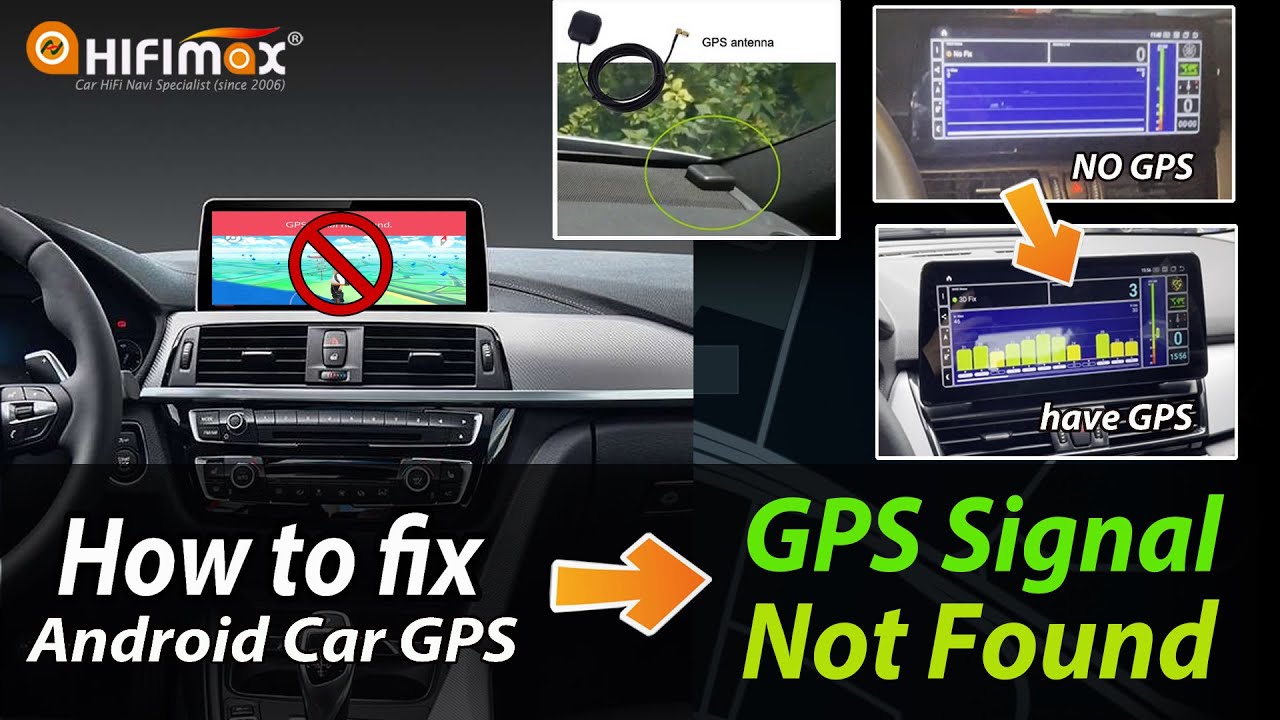
The GPS antenna must have a clear view of the sky. Poor placement under metal parts or inside the dashboard blocks signals. Antennas placed near thick glass or metal reduce reception. Positioning the antenna on the roof or near a window improves signal strength.
49% off Today's Exclusive Deals
Limited-time Exclusive Deals. Check current discount on Amazon.
Check Price on Amazon As an Amazon Associate I earn from qualifying purchases.Interference From Car Components
Electronic devices and wiring inside the car can cause interference. Radios, chargers, and other gadgets create noise that disrupts GPS signals. Metal parts in the car body also reflect or block signals. Reducing electronic clutter near the antenna helps maintain a stable signal.
Obstructions Around The Vehicle
Buildings, trees, and tunnels block GPS signals from satellites. Driving in urban areas with tall buildings often weakens the GPS. Dense forests and deep tunnels create signal dead zones. Open spaces and clear skies offer the best GPS reception.
Software And Firmware Problems
Outdated GPS software or firmware causes poor signal tracking. Bugs and glitches can slow down satellite connection. Regular updates fix issues and improve accuracy. Check your car stereo system for the latest updates often.
Weather And Environmental Factors
Heavy rain, snow, and thick clouds reduce GPS signal strength. Bad weather scatters satellite signals before they reach your car. Fog and storms can also affect GPS accuracy. Clear weather provides the strongest and most reliable signal.
49% off Today's Exclusive Deals
Limited-time Exclusive Deals. Check current discount on Amazon.
Check Price on Amazon As an Amazon Associate I earn from qualifying purchases.
Troubleshooting Antenna Problems
Weak GPS signals in car stereos often trace back to antenna issues. Fixing these problems boosts your GPS accuracy. Start by checking the antenna setup before trying other solutions. Simple steps can improve signal strength and your driving experience.
Checking Antenna Connections
Loose or dirty connections reduce signal quality. Inspect all cables and connectors for tightness and cleanliness. Remove dirt or corrosion gently with a soft cloth. Secure each connection firmly to avoid signal loss. A good connection ensures steady GPS reception.
Relocating The Antenna
Metal parts or glass tint can block GPS signals. Move the antenna to a higher or clearer spot in the car. Try placing it near the windshield or roof interior. Avoid areas covered by metal objects or thick plastic. A better location often leads to stronger signals.
Upgrading To A High-gain Antenna
Standard antennas may not capture weak GPS signals well. A high-gain antenna improves reception by amplifying the signal. Choose one designed for car stereo GPS systems. Installation is usually simple and cost-effective. This upgrade helps in areas with poor GPS coverage.
Reducing Signal Interference
Weak GPS signals in car stereos often result from signal interference. Reducing this interference helps improve the GPS accuracy. Understanding how to identify and limit interference makes a big difference. Simple steps can enhance signal strength and provide a better driving experience.
Identifying Electronic Interference Sources
Many devices inside the car cause electronic interference. Mobile phones, chargers, and other gadgets emit signals that disrupt GPS reception. Engine components and faulty wiring also create noise that blocks GPS signals. Spotting these sources is the first step to reduce interference. Turn off unnecessary devices and check for loose wires near the stereo. This can help find what weakens the GPS signal.
Shielding And Grounding Techniques
Shielding helps block unwanted signals from reaching the GPS antenna. Use materials like copper foil or metal cases to cover sensitive parts. This creates a barrier against interference. Proper grounding also plays a key role. It directs electrical noise away from the GPS system. Make sure the car stereo and antenna share a good ground connection. These simple techniques protect the GPS signal and improve its strength.
Dealing With Obstructions
Weak GPS signals in your car stereo often come from physical barriers blocking satellite signals. These obstructions reduce signal strength and cause navigation errors. Understanding how to deal with these barriers helps improve GPS accuracy and ensures smoother driving experiences.
Avoiding Parking In Covered Areas
Covered parking spots, like garages or underground lots, block GPS signals. Thick roofs and walls stop satellites from reaching your car’s receiver. Parking outside in open spaces lets your stereo receive stronger signals. This simple step can prevent many GPS issues.
Clearing Surrounding Obstacles
Tall trees, buildings, and large signs can also weaken GPS signals. These objects block or reflect satellite waves, causing poor reception. Keep your car away from dense clusters of obstacles. Parking in open areas with clear skies helps your stereo get better signals.
Software Solutions For Gps Issues
Weak GPS signals in car stereos can often be fixed without buying new hardware. Software solutions offer simple ways to improve GPS performance. These methods help your stereo find satellites faster and stay connected longer.
Many GPS problems happen because the software is outdated or settings are incorrect. Updating the software and adjusting settings can clear these issues. Also, using external GPS apps can boost accuracy and signal strength.
Updating Car Stereo Firmware
Firmware is the software that controls your car stereo’s GPS functions. Old firmware may cause slow or weak GPS signals. Check the manufacturer’s website for the latest updates.
Download and install updates carefully. The new firmware improves GPS signal handling and fixes bugs. Regular updates keep your stereo running smoothly.
Resetting Gps Settings
Resetting GPS settings returns the stereo to its original state. This clears errors that block satellite signals. Find the GPS reset option in the stereo’s menu.
After resetting, the system reboots and starts fresh. It may take a few minutes to find satellites again. This simple step often strengthens weak GPS connections.
Using External Gps Apps
Some external apps offer better GPS tracking than built-in systems. These apps use online maps and multiple satellite sources. Download apps from trusted stores only.
Connect your phone or tablet to the car stereo. Use the external app for navigation instead of the built-in GPS. It can provide faster and more accurate directions.
Environmental Impact On Gps Signals
The environment plays a big role in GPS signal strength. Signals travel from satellites to your car. They can get weaker or blocked by things around. This affects how well your car stereo GPS works.
Various natural and man-made factors impact the signal. Knowing these helps you understand why your GPS might lag or fail.
Effect Of Weather Conditions
Weather changes can disrupt GPS signals. Rain and snow absorb or scatter satellite signals. Heavy clouds reduce signal clarity. Storms bring strong winds that shake satellite paths. This causes temporary signal loss or delay. Cold weather can also slow signal travel. Weather impact varies by severity and location.
Urban Canyon And Dense Foliage Challenges
Urban canyons are tall buildings close together. They block or reflect GPS signals in cities. Signals bounce between walls, causing errors. Dense trees and thick leaves also block signals. Forested areas reduce signal strength and accuracy. Your car GPS may lose connection or lag. Open spaces offer better signal reception than crowded areas.
Professional Repairs And Upgrades
Professional repairs and upgrades can solve weak GPS signal issues in car stereos. Skilled technicians use tools to find and fix hidden problems fast. They check wiring, antennas, and software to improve GPS strength and accuracy.
Upgrading parts can also help. Newer GPS modules often have better designs. These upgrades can give clearer signals and faster location tracking. Choosing the right parts is important for your car model and stereo system.
When To Consult A Technician
Consult a technician if your GPS signal stays weak after basic checks. Strange noises or system errors also need expert attention. Technicians can test each component carefully. They spot faults that users cannot see. Early repair avoids bigger problems later.
Choosing Aftermarket Gps Modules
Aftermarket GPS modules can boost performance. Pick modules made for your car brand and stereo type. Quality matters for signal strength and durability. Some modules offer extra features like better satellite tracking. Compare options and ask a professional before buying.

Frequently Asked Questions
Why Is My Car Stereo Gps Signal Weak?
A weak GPS signal in car stereos often results from poor antenna placement or interference. Metal parts in the car can block signals. Additionally, tall buildings or tunnels can cause signal loss. Ensuring the antenna has a clear view of the sky improves reception.
How Does Car Stereo Design Affect Gps Signals?
Car stereo design impacts GPS signals mainly through antenna quality and location. If the antenna is inside the car or obstructed, signals weaken. Manufacturers prioritize audio quality, sometimes compromising GPS antenna placement, leading to weaker signals in some models.
Can Weather Conditions Weaken Gps Signals In Cars?
Yes, severe weather like heavy rain, snow, or thick clouds can degrade GPS signals. These conditions cause signal scattering and absorption. While GPS systems are designed to work in most weather, extreme conditions may reduce accuracy and signal strength temporarily.
Does Metal Tinting On Car Windows Affect Gps?
Yes, metal tinting or window films can block GPS signals. These films often contain metal particles that interfere with satellite signals. Cars with heavily tinted windows may experience weaker GPS reception unless the antenna is placed outside or in a less obstructed area.
Conclusion
Weak GPS signals in car stereos happen for clear reasons. Tall buildings, tunnels, and bad weather block signals. Metal inside the car can also cause trouble. Keeping the GPS antenna clean helps a lot. Updating your system software improves signal strength.
Choosing a good spot for the antenna matters too. Understanding these points makes driving easier and safer. Stay patient and try simple fixes first. Strong GPS signals lead to smooth and stress-free trips.