Are you planning to travel by plane with your little one and wondering if you can use a car seat onboard? It’s a common question that many parents ask because safety and comfort are top priorities when flying with a child.
Using a car seat on an airplane can make a big difference in keeping your child secure during the flight. But is it allowed? And if so, how do you choose the right one? Keep reading to find out everything you need to know about using a car seat on an airplane and make your next trip smoother and safer for your family.

49% off Today's Exclusive Deals
Limited-time Exclusive Deals. Check current discount on Amazon.
Check Price on Amazon As an Amazon Associate I earn from qualifying purchases.Car Seat Rules On Planes
Traveling with children often raises questions about safety on planes. One key concern is using a car seat during the flight. Understanding the rules helps parents prepare and keep their child secure. Car seat rules on planes vary but follow clear guidelines for safety.
Knowing these rules can make your trip smoother. It helps you avoid confusion at the airport and on the plane. Let’s explore the main regulations and airline policies about car seats on airplanes.
Faa Regulations For Child Seats
The Federal Aviation Administration (FAA) sets safety standards for car seats on planes. Only car seats with a label showing FAA approval can be used. This label means the seat passed crash tests for airplane use.
49% off Today's Exclusive Deals
Limited-time Exclusive Deals. Check current discount on Amazon.
Check Price on Amazon As an Amazon Associate I earn from qualifying purchases.Children under two years old can sit on a parent’s lap. But using a car seat is safer and recommended for all young children. The car seat must fit in a single airplane seat and use the airplane seat belt.
Parents should install the car seat in a forward-facing position. Rear-facing seats may not fit properly on airplane seats. Always follow the car seat manufacturer’s instructions for airplane use.
Airline Policies To Know
Each airline may have different rules about car seats. Some require advance notice if you plan to use a car seat. Others may limit the types of seats allowed on board.
Most airlines allow car seats in a separate purchased seat for the child. Many offer discounted tickets for infants but do not provide a seat for car seats. Checking the airline’s website before booking helps avoid surprises.
49% off Today's Exclusive Deals
Limited-time Exclusive Deals. Check current discount on Amazon.
Check Price on Amazon As an Amazon Associate I earn from qualifying purchases.Some airlines restrict window seats for car seats because of emergency exit rules. Confirm your seat assignment early to meet these requirements. Bringing the car seat’s manual can help with installation questions during boarding.

Choosing The Right Car Seat
Choosing the right car seat for airplane travel is important for your child’s safety and comfort. Not all car seats work well on planes. Some may not fit the airplane seat or meet airline rules. Knowing what to pick helps make the trip smooth and safe.
Faa-approved Car Seats
Check if the car seat has an FAA approval label. This label means the seat meets safety rules for airplanes. Seats with this approval are tested for crash safety on flights. Using an FAA-approved seat helps protect your child during takeoff and landing. The label is usually found on the side or back of the seat.
Size And Weight Considerations
Consider the size of the car seat before the trip. Airplane seats are smaller than car seats. A bulky seat might not fit well on the plane. Choose a seat that fits in the airplane seat without blocking aisles. Also, check the car seat’s weight. Lighter seats are easier to carry through airports. Compact and lightweight seats make traveling easier for parents and children.
Installing Car Seats On Airplanes
Installing a car seat on an airplane helps keep your child safe during the flight. Many parents prefer using a car seat for added security and comfort. Airlines allow car seats, but there are rules to follow. Knowing how to install the seat correctly makes the trip easier and safer.
Proper Seat Installation Tips
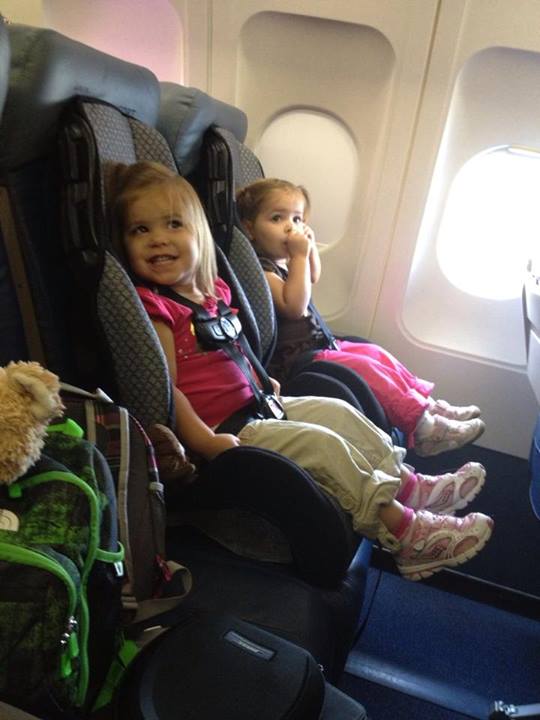
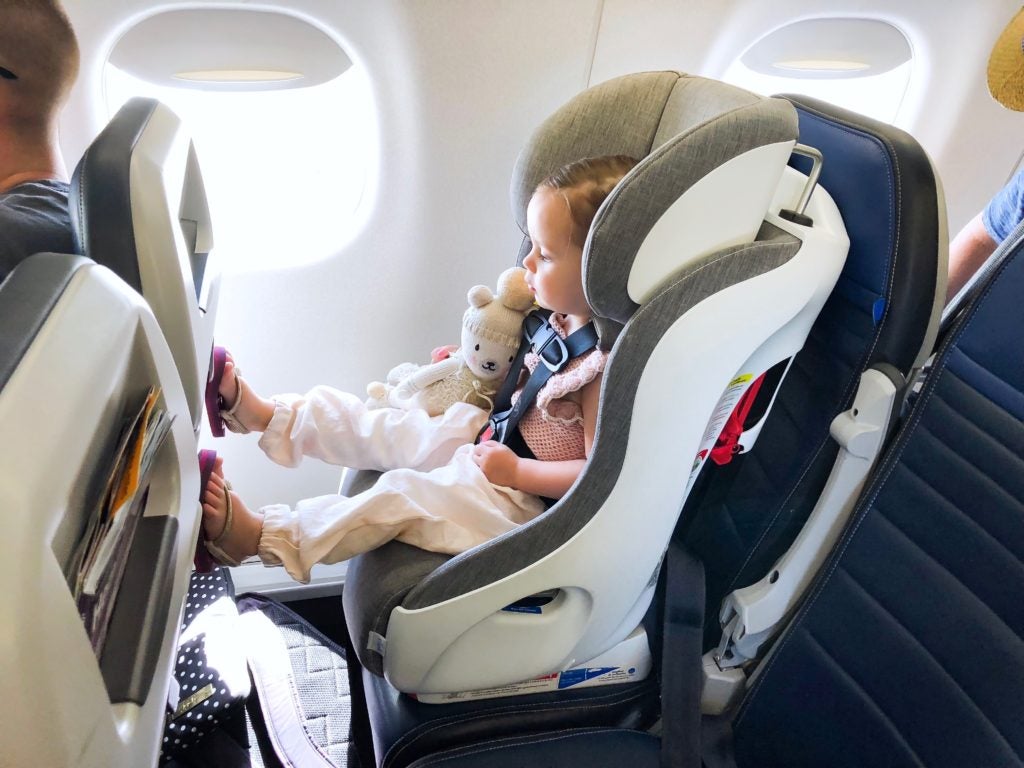
Choose a seat with a window for easier car seat installation. Use the airplane seat belt to secure the car seat tightly. Make sure the seat belt goes through the correct belt path on the car seat. Pull the belt tight to avoid any movement. Check that the car seat does not move more than one inch side to side or front to back. Follow the car seat manufacturer’s instructions for airplane use. Avoid using the top tether; most airplanes do not support it. Ensure the car seat faces the correct direction based on your child’s age and size.
Window Vs. Aisle Seat Selection
Window seats work best for car seats because they fit snugly against the wall. This limits movement and provides more stability. Aisle seats offer easier access but less support for the car seat. Passengers in the aisle may bump into the seat during the flight. Choose the window seat to keep your child safer and more comfortable. Some parents prefer aisle seats for quick bathroom trips. Still, safety and proper installation often outweigh convenience. Reserve your seat early to get the best spot for the car seat.
Booking And Seating Tips
Keeping children safe on airplanes is a top priority for parents. Sometimes, using a car seat is not possible or practical. There are other ways to protect your child during the flight. These options can be easier and still offer good safety.
Using Cares Harness
The CARES harness is a popular choice for child safety on planes. It is a lightweight and portable harness made for children weighing 22 to 44 pounds. The harness attaches to the airplane seat belt. It keeps your child secure without needing a bulky car seat.
Many airlines allow the CARES harness as an approved safety device. It is easy to carry and quick to put on. The harness helps reduce the risk of injury during turbulence or sudden moves.
Holding Children During Flight
Holding your child on your lap is common on flights, especially for infants under two years old. It keeps your child close and comforted. The flight crew may provide a special seatbelt extender to secure both you and your child.
This method offers less protection than a car seat or harness. Still, it is often the only option for very young children. Parents should keep a firm hold and stay seated when the seatbelt sign is on.
Alternative Options For Child Safety
Traveling with a car seat needs careful planning. Packing and transporting car seats can be tricky. Protecting the seat during travel is important. The right gear helps keep the car seat safe and clean. Understanding airport rules makes the process smoother. Here are some useful tips for carrying your car seat on a plane.
Car Seat Travel Bags
Travel bags protect car seats from damage and dirt. These bags come in different sizes and materials. Some have extra padding for better protection. Choose a bag that fits your car seat well. Lightweight bags are easier to carry. Many bags have wheels to move the seat easily. Using a travel bag keeps your car seat clean during the trip.
Airport Check-in And Gate Check
Decide if you want to check the car seat at the counter or gate. Checking at the counter means the seat goes in the plane’s cargo hold. This can risk damage or loss. Gate checking lets you keep the seat until boarding. Staff tags the seat and stores it safely. Gate check is safer but may not be available on all flights. Always ask the airline about their car seat policies before travel.
Frequently Asked Questions
Can I Bring A Car Seat On An Airplane?
Yes, you can bring a car seat on an airplane. It is allowed as carry-on or checked baggage. However, check airline policies for size and usage rules to ensure compliance.
Is It Safe To Use A Car Seat On A Plane?
Using a car seat on a plane is safe if it is FAA-approved. The seat must have a label confirming it meets safety standards for air travel.
Do Airlines Allow Car Seats In Airplane Seats?
Most airlines allow car seats in airplane seats if you buy a separate ticket for the child. Always confirm with your airline before travel for specific rules.
How Do I Install A Car Seat On An Airplane?
Install the car seat using the airplane seat belt. Follow the car seat manual and airline instructions to ensure proper and secure installation.
Conclusion
Using a car seat on an airplane can make travel safer for your child. Airlines usually allow approved car seats if they fit the airplane seat. Always check the airline’s rules before your trip. Bring the right car seat and install it correctly.
This helps your child stay secure and comfortable. Traveling with a car seat takes some planning but offers peace of mind. Safe travels and happy flying with your little one!