If you’ve been in a car accident, you’re probably wondering, “When should I replace my car seat?” It’s a question that matters because your child’s safety depends on it. Even if the damage isn’t obvious, a crash can weaken the seat in ways you can’t see.
Knowing exactly when to replace your car seat can protect your little one from hidden dangers. Keep reading to find out the signs to watch for and expert advice to help you make the safest choice for your family.

49% off Today's Exclusive Deals
Limited-time Exclusive Deals. Check current discount on Amazon.
Check Price on Amazon As an Amazon Associate I earn from qualifying purchases.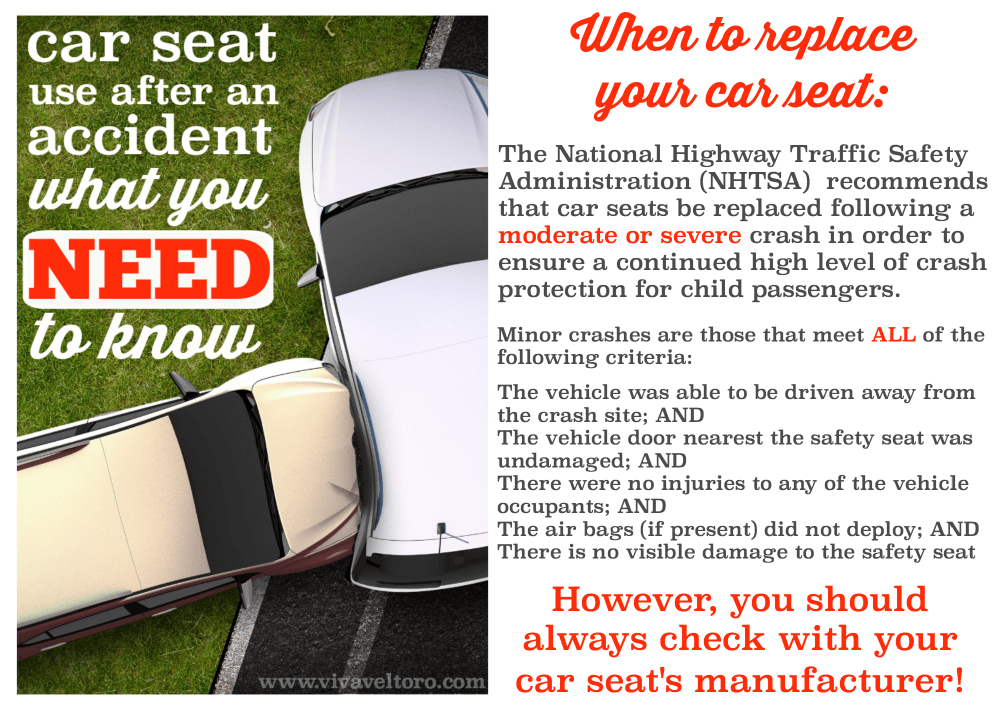
Signs Of Damage To Car Seats
Car seats protect children in accidents. It is crucial to check them for damage after a crash. Damage might not always be obvious. Small signs can mean the seat is unsafe. Knowing these signs helps decide if replacement is needed.
Visible Cracks And Deformations
Look carefully at the car seat’s shell. Cracks or bends can weaken its strength. Even small cracks reduce protection in future impacts. Deformations may change how the seat fits or holds the child. Any visible damage means the seat should be replaced.
Compromised Harness Systems
The harness keeps the child secure during a crash. Check straps for fraying, cuts, or tears. Test the buckles to ensure they latch and release properly. Damaged harnesses may fail to hold the child safely. Replace the car seat if the harness shows signs of damage.
49% off Today's Exclusive Deals
Limited-time Exclusive Deals. Check current discount on Amazon.
Check Price on Amazon As an Amazon Associate I earn from qualifying purchases.Impact On Frame Integrity
The frame supports the whole car seat structure. A strong frame absorbs crash forces. Look for dents or warping in metal or plastic parts. A compromised frame cannot protect the child well. Any damage to the frame means the seat is no longer safe to use.

Manufacturer Recommendations
Car seat safety is a top priority for every parent. Following the manufacturer’s guidelines ensures your child’s protection after an accident. These recommendations help you decide if you must replace the car seat or if it remains safe to use.
Checking The Car Seat Manual
The car seat manual has vital information about accident safety. It states whether the seat must be replaced after a crash. Some seats need replacement after any accident, even minor ones. Others may allow reuse if no damage is visible. Always read the manual carefully to know the exact rules.
Expiration Dates And Safety Guidelines
Every car seat has an expiration date. Over time, materials weaken and safety features fade. The manual shows this date clearly. After an accident, check if the seat is close to expiring. If yes, replacing it is safer. Safety guidelines also advise on how long you can use the seat.
49% off Today's Exclusive Deals
Limited-time Exclusive Deals. Check current discount on Amazon.
Check Price on Amazon As an Amazon Associate I earn from qualifying purchases.Recall Notices And Updates
Manufacturers issue recalls for seats with safety issues. Check for recalls regularly by visiting the brand’s website. Sometimes, an accident reveals a defect covered by a recall. Staying updated helps you avoid using unsafe seats. If your seat is recalled, replace it immediately.
Types Of Accidents Affecting Car Seats
Car seats protect children during accidents. Different types of crashes affect car seats in various ways. Understanding these impacts helps decide if a seat needs replacement. Some accidents cause minor damage, while others can harm the seat’s safety features. Knowing the difference is important for your child’s protection.
Minor Collisions
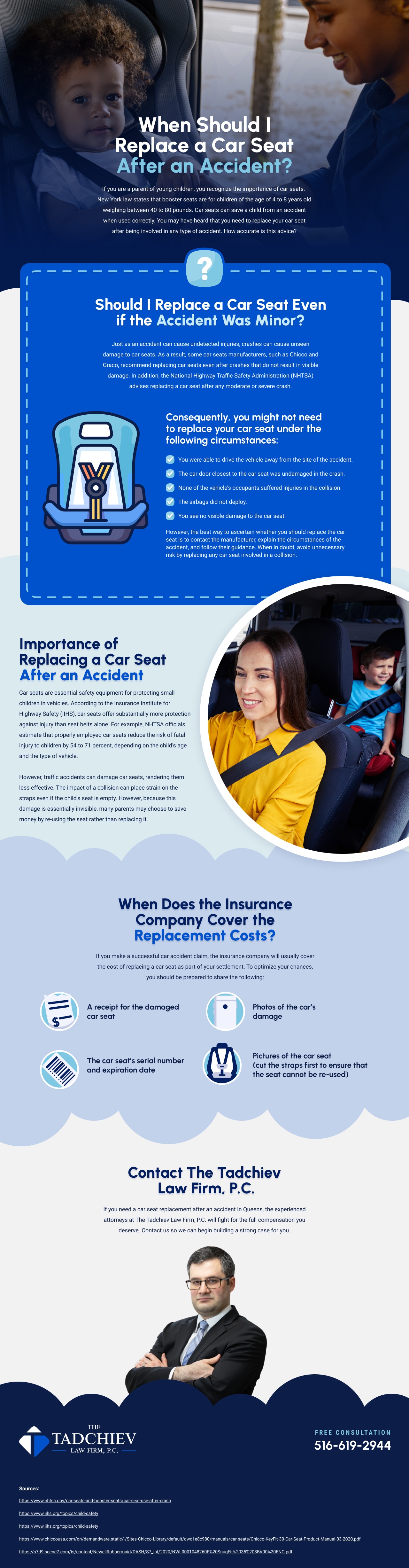
Minor collisions usually involve low speeds and small impacts. These accidents might not harm the car seat’s structure. However, check for cracks or broken parts carefully. Even small damage can reduce the seat’s safety. Inspect straps and buckles for wear or looseness after any collision.
Moderate To Severe Crashes
Moderate and severe crashes cause strong forces on car seats. The seat may absorb energy to protect the child. This can damage internal parts that are not always visible. Any seat involved in a serious crash should be replaced. Safety can no longer be guaranteed after a strong impact.
Side-impact Vs. Frontal Impact
Side-impact crashes hit the car seat from the side. This can cause different damage than frontal impacts. Frontal crashes push the seat forward with high force. Both types stress the seat’s frame and padding. Side impacts may damage the seat’s side protection. Frontal impacts affect the harness and base stability.
Safety Risks Of Using A Seat After A Crash
Using a car seat after a crash brings many safety risks. The seat may look fine outside, but damage often hides inside. This damage can reduce the seat’s ability to protect your child in future accidents. Learning about these risks helps parents make the safest choice.
Reduced Crash Protection
Crash forces can weaken the car seat’s frame and materials. The seat may not absorb impact well after a crash. This reduces its ability to protect your child during another accident. A damaged seat might fail to keep the child secure.
Potential Harness Failure
The harness system is critical for safety. Crash forces can weaken straps, buckles, or adjusters. Worn or damaged harness parts may break or slip in a crash. This can cause serious injury or allow your child to be ejected.
Hidden Structural Weaknesses
Cracks or breaks inside the seat frame often go unseen. These hidden faults affect the overall strength of the seat. A seat with hidden damage can collapse or fail under stress. It puts your child at high risk during a collision.
Steps To Take After An Accident
After a car accident, safety is the top priority. Your child’s car seat may have taken a hit. Taking quick and proper steps is vital to keep your child safe. Follow these simple actions to decide what to do next.
Inspecting The Car Seat
Start by checking the car seat carefully. Look for cracks, dents, or broken parts. Check the harness, buckles, and straps for damage. Any sign of wear means the seat might not be safe anymore. Even small damage can affect protection.
Contacting The Manufacturer
Reach out to the car seat maker right after the accident. They can provide advice based on the seat model. Some manufacturers have specific rules for replacing seats. Provide details about the crash to get the best guidance.
Replacing Vs. Repairing
Deciding to fix or replace the seat depends on the damage. Most experts say replacing is safer after a crash. Repairs might not restore full protection. A new seat ensures your child is fully secure on the road.
Proper Disposal And Replacement Tips
After a car accident, replacing your child’s car seat is crucial for safety. Proper disposal and choosing the right new seat ensure your child stays protected. Follow these tips to handle old seats safely and install new ones correctly.
Disposing Of Old Car Seats Safely
Old car seats should never be used again after a crash. Remove the label and cut the straps to prevent reuse. Check local recycling rules for proper disposal methods. Many areas have special programs for car seat recycling. Do not throw seats in regular trash without preparation. Disposing safely helps protect other children from unsafe seats.
Choosing A New Car Seat
Select a car seat that fits your child’s age, weight, and height. Look for seats that meet current safety standards. Choose a seat with easy-to-use features and good reviews. Avoid buying used car seats without knowing their history. A new seat offers the best protection after an accident.
Installation Best Practices
Read the manual carefully before installing a new car seat. Use the vehicle’s seat belt or LATCH system as directed. Ensure the seat is tight and does not move more than one inch. Position the seat at the correct angle for your child’s age. Double-check all straps and buckles are secure. Proper installation keeps your child safe on every trip.
Frequently Asked Questions
When Should I Replace A Car Seat After An Accident?
Replace your car seat immediately after any moderate or severe accident. Even minor damage can compromise its safety features, making it unreliable in future crashes. Manufacturers recommend replacement to ensure maximum protection for your child.
Can A Car Seat Be Reused After A Minor Collision?
Generally, car seats involved in minor collisions should still be replaced. Invisible damage might weaken the seat’s structure. Always check the manufacturer’s guidelines and consider safety first.
How Long Can A Car Seat Be Used After An Accident?
A car seat should not be used at all after an accident. Its protective integrity is compromised, regardless of visible damage. Immediate replacement is crucial to protect your child.
Does Insurance Cover Car Seat Replacement After A Crash?
Some insurance policies cover car seat replacement after an accident. Coverage varies by provider and policy details. Check with your insurer to understand your benefits and claims process.
Conclusion
Car seats protect children during accidents. Always check your car seat after a crash. Cracks, broken parts, or missing labels mean replacement is needed. Safety is the top priority for every child. Never use a seat that may be damaged.
Follow the car seat maker’s instructions carefully. Replace seats used in moderate or severe crashes. Keep your child safe by acting quickly. A new car seat ensures proper protection. Don’t take chances with safety after an accident.