Are you wondering if you can reuse your car seat for your second child? It’s a common question for many parents trying to save money and make smart choices.
But before you simply pull out that old car seat from the closet, there are important things you need to know. Your child’s safety is at stake, and using the wrong car seat could put them at risk. Keep reading to find out what experts say, what to look for, and how to make the best decision for your growing family.

49% off Today's Exclusive Deals
Limited-time Exclusive Deals. Check current discount on Amazon.
Check Price on Amazon As an Amazon Associate I earn from qualifying purchases.This information could protect your little one every time they buckle up.
Car Seat Lifespan
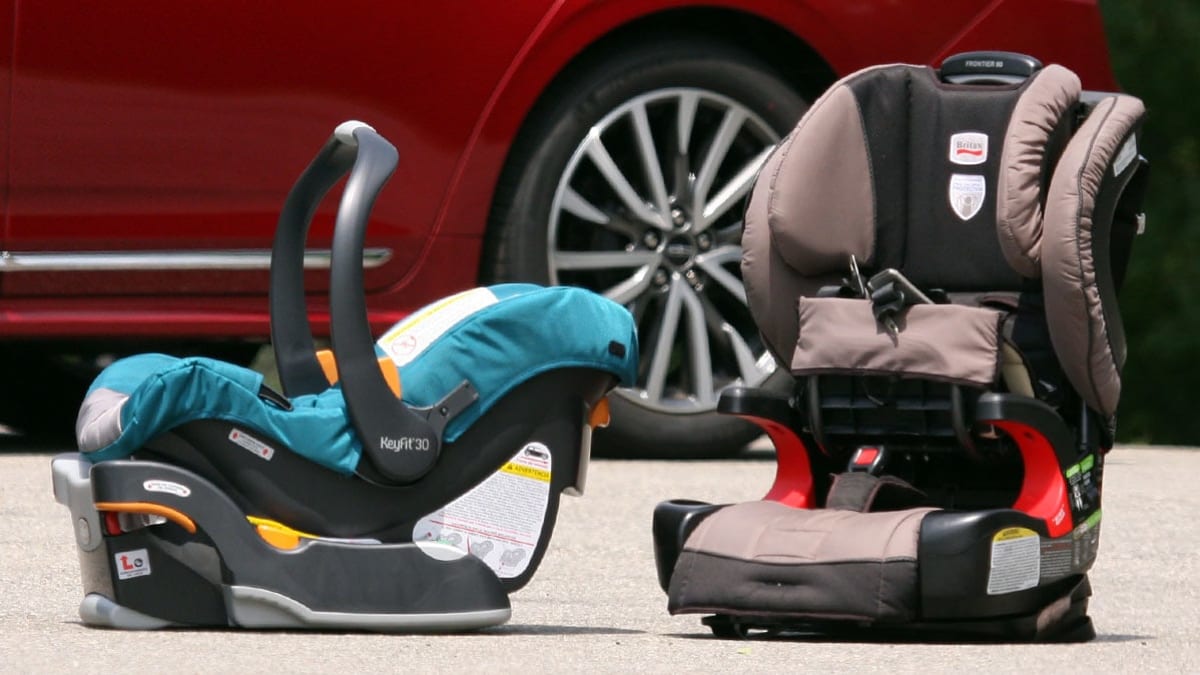
Car seats do not last forever. Each car seat has a limited lifespan set by the manufacturer. Using an old car seat can be risky. Over time, materials break down and safety features may fail. Knowing the lifespan helps protect your child during travel.
Expiration Dates
Every car seat has an expiration date. This date is usually found on a sticker or molded into the plastic. The typical lifespan ranges from six to ten years. Expiration dates ensure the seat meets current safety standards. Using a seat past this date is unsafe and not recommended.
49% off Today's Exclusive Deals
Limited-time Exclusive Deals. Check current discount on Amazon.
Check Price on Amazon As an Amazon Associate I earn from qualifying purchases.Wear And Tear Signs
Check the car seat for visible damage before reuse. Look for cracks in the plastic shell. Inspect the harness and straps for fraying or stretching. Make sure buckles click securely and release easily. Any damage or wear reduces the seat’s protection. Replace the seat if you find these signs.
Safety Standards
Safety standards are the top priority when reusing a car seat for a second child. Car seats protect children in crashes. Over time, these standards can change. Checking if your seat meets current safety rules is very important. Using a seat that no longer complies may put your child at risk.
Recalls And Updates
Car seat recalls happen if a product has safety issues. These can include broken parts or weak straps. Always check if your seat has been recalled. Manufacturers post recalls online. A recalled seat should not be used again. Updates in design also improve safety. Older seats may miss these improvements.
Compliance With Regulations
Car seat laws change to improve child safety. New regulations may require better crash protection. Some older seats do not meet these rules. Check the label to see the manufacture date. Seats older than six years may not comply. Using a seat that follows current laws keeps your child safer. Always follow the latest safety guidelines for car seats.
49% off Today's Exclusive Deals
Limited-time Exclusive Deals. Check current discount on Amazon.
Check Price on Amazon As an Amazon Associate I earn from qualifying purchases.Cleaning And Maintenance
Cleaning and maintaining a car seat before reusing it for a second child is very important. Dirt, food crumbs, and spills can build up over time. This can affect the seat’s safety and comfort. Proper care keeps the seat in good shape and safe for your new baby.
Proper Cleaning Methods
Start by reading the car seat’s manual. It has specific cleaning instructions. Remove the seat cover carefully. Wash it by hand or in a gentle machine cycle. Use mild soap and cold water. Avoid bleach or harsh chemicals that can damage fabric.
Wipe plastic parts with a damp cloth. Use mild soap and water. Do not soak the straps or buckle. Let all parts air dry completely before reassembling. Never put car seat parts in the dryer. Heat can weaken materials.
Avoiding Damage
Check the car seat for cracks or broken parts before cleaning. Do not use abrasive brushes or strong cleaners. These can weaken the plastic and straps. Avoid pulling or twisting the harness. It can lose strength or stop working properly.
Keep the car seat away from direct sunlight for long periods. UV rays can fade and weaken materials. Store the seat in a cool, dry place. Proper care helps the seat last longer and stay safe for your child.
Previous Accident History
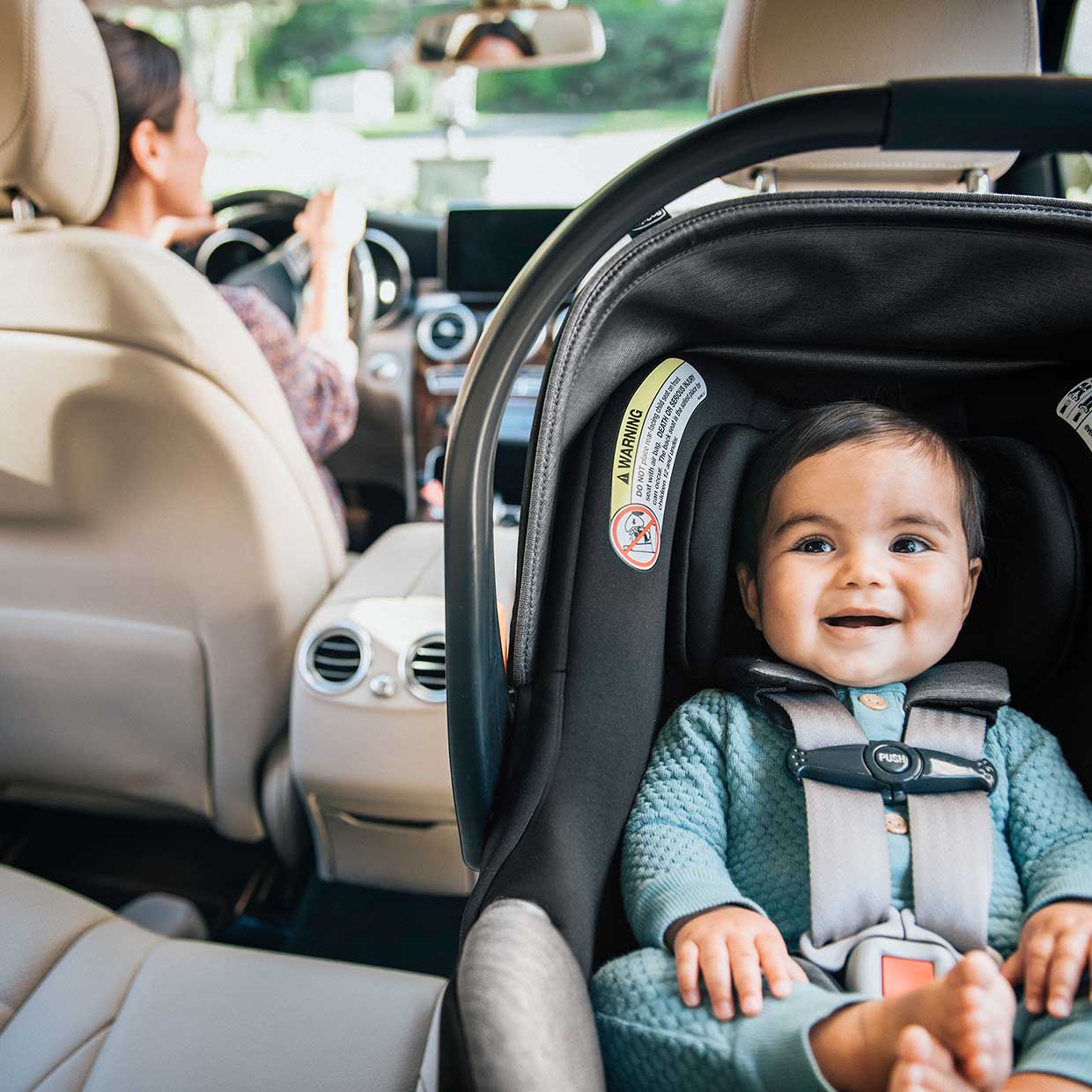
Knowing the previous accident history of a car seat is very important. Car seats can hide damage after a crash. This damage might not be easy to see. Using a car seat that was in an accident can put your child at risk. Safety should always come first.
Impact On Safety
Even small crashes can weaken the car seat. The frame or straps can break or stretch. This damage lowers the seat’s ability to protect your child. The seat might fail during another accident. Safety tests do not cover used or damaged seats. A car seat with a crash history is less reliable.
When To Replace
Replace the car seat after any crash. Check the manual for specific guidance. Some seats say to replace after minor impacts. Do not guess about the damage. If you do not know the crash details, replace the seat. New seats offer better protection. Choose safety over saving money.
Installation Tips For Second Use
Reusing a car seat for a second child requires careful attention to installation. Proper setup ensures safety and comfort. Follow simple steps to avoid common mistakes. Each child is different, so adjustments matter.
Checking Fit For New Child
Measure your child’s height and weight first. Compare these numbers with the car seat’s limits. Make sure the harness fits snugly. The straps should lie flat without twists. Adjust the headrest to support your child’s head well.
Check that the seat reclines to the right angle. This prevents your child from slumping forward. A good fit keeps your child safe during rides. Never use a seat that is too big or too small.
Proper Installation Techniques
Read the car seat manual carefully before installing. Use the vehicle’s seat belt or LATCH system to secure the seat. Pull the belt tight to remove slack. Test the seat by shaking it side-to-side and front-to-back.
The seat should not move more than one inch. Place the harness chest clip at armpit level. Check all buckles and straps for damage. Replace any worn parts before use. A correctly installed seat protects your child in crashes.

Alternatives To Reusing
Choosing the right car seat for your second child is important. Some parents think about reusing the first car seat. There are other options to consider. These alternatives can help keep your child safe and fit your budget.
Buying New Vs. Used
Buying a new car seat means you get the latest safety features. New seats have not been in accidents or damaged. They come with a full warranty and instructions.
Used car seats cost less but carry risks. You cannot always know their history. They may have hidden damage or missing parts. Check the expiration date before buying used seats. Look for recalls or past accidents.
Hand-me-down Safety Considerations
Hand-me-down car seats save money but need careful checking. Always inspect the seat for cracks or broken parts. Make sure the straps and buckles work well. Clean the seat thoroughly before use.
Check the car seat’s manual for proper installation. Some seats expire after a few years. Using an expired seat can be unsafe. Safety should come first to protect your child on the road.
Frequently Asked Questions
Can I Reuse A Car Seat For My Second Child?
Yes, you can reuse a car seat if it meets safety standards. Check for expiration dates, damage, and recall history before reuse.
When Should I Replace A Car Seat For Safety?
Replace a car seat if it is expired, damaged, or after a crash. Most seats expire after six years.
How Do I Check If A Car Seat Is Safe?
Inspect for cracks, missing parts, and recalls. Confirm the seat’s expiration date and ensure it meets current safety regulations.
Is It Safe To Use A Hand-me-down Car Seat?
Using a hand-me-down is safe only if it’s undamaged, unexpired, and has no crash history. Always verify safety standards.
Conclusion
Reusing a car seat can save money and reduce waste. Check the seat’s age and condition before using it again. Always follow the manufacturer’s rules for safety. Avoid car seats with any damage or missing parts. Make sure the seat fits your child’s size and weight.
Safety must be the top priority for every child. Taking these steps helps keep your little one secure. Trust your judgment and choose wisely for your family’s safety.