Have you ever noticed your car’s check engine light suddenly flashing and felt a spike of worry? That blinking warning isn’t just a random signal—it’s your car’s way of telling you something serious needs attention right away.
Ignoring this flashing light could lead to bigger problems and costly repairs. You’ll discover exactly why your car’s check engine light is flashing and what steps you should take next to keep your vehicle running smoothly. Keep reading, because understanding this warning could save you time, money, and stress on the road.

49% off Today's Exclusive Deals
Limited-time Exclusive Deals. Check current discount on Amazon.
Check Price on Amazon As an Amazon Associate I earn from qualifying purchases.
What Flashing Check Engine Light Means
A flashing check engine light warns of a serious engine problem that needs quick attention. It often signals engine misfires that can damage the catalytic converter. Ignoring this light may lead to costly repairs or breakdowns.
A flashing check engine light is a serious warning from your car. It signals a problem that needs fast attention. Unlike a steady light, flashing shows the issue can harm your engine. This alert should not be ignored.
The flashing light often points to a severe engine misfire. This can cause damage to the catalytic converter. Driving with this condition may lead to costly repairs. Stopping the car safely and checking the problem is best.
49% off Today's Exclusive Deals
Limited-time Exclusive Deals. Check current discount on Amazon.
Check Price on Amazon As an Amazon Associate I earn from qualifying purchases.Engine Misfire And Its Risks
An engine misfire means one or more cylinders are not firing properly. This causes rough running and loss of power. Fuel may not burn correctly, leading to higher emissions and damage. The catalytic converter can overheat and fail.
The flashing light warns about this immediate risk. Continuing to drive can worsen the problem quickly. You might notice shaking, poor acceleration, or strange noises. These signs should prompt a quick check.
Immediate Actions To Take
When the check engine light flashes, reduce speed. Avoid heavy acceleration or high engine load. Find a safe place to stop and turn off the engine. Restarting the car may help if the problem is minor.
Use an OBD-II scanner to read error codes if available. These codes explain the exact fault and guide repairs. If unsure, call a mechanic or roadside assistance. Avoid driving long distances with a flashing light.
49% off Today's Exclusive Deals
Limited-time Exclusive Deals. Check current discount on Amazon.
Check Price on Amazon As an Amazon Associate I earn from qualifying purchases.Preventive Maintenance Tips
Regular car maintenance can reduce check engine light flashes. Change spark plugs and wires as recommended. Keep fuel injectors clean and use quality fuel. Inspect ignition coils and sensors periodically.
Proper care helps prevent engine misfires and other faults. Early detection of issues lowers repair costs and keeps you safe. Always follow the vehicle’s maintenance schedule closely.
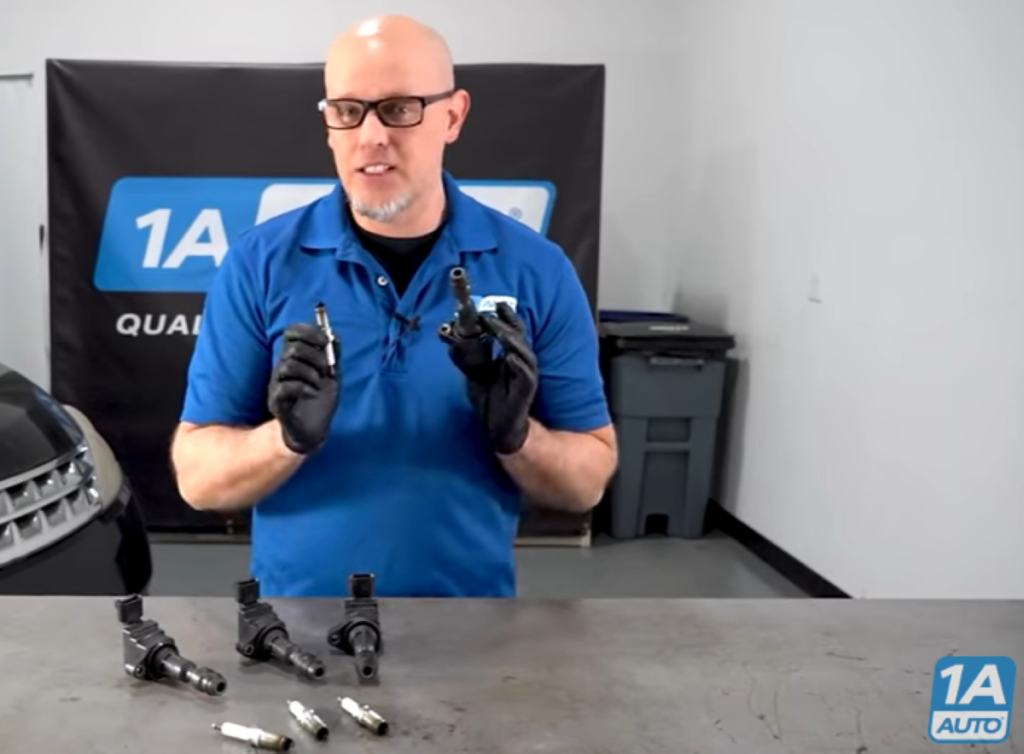
Common Causes For Flashing Light
The check engine light flashing on your car’s dashboard signals a serious problem. It means the engine is misfiring or running poorly. Driving with a flashing light can damage your engine. Understanding common causes helps you act quickly and avoid costly repairs.
Ignition System Problems
The ignition system creates sparks to ignite fuel in the engine. Faulty spark plugs, bad ignition coils, or broken wires cause weak or no spark. This leads to engine misfires and a flashing check engine light. Fixing ignition issues restores smooth engine operation.
Fuel System Issues
The fuel system supplies the engine with the right amount of fuel. Clogged fuel injectors, a dirty fuel filter, or a failing fuel pump disrupt fuel flow. This causes the engine to run lean or rich, triggering the flashing light. Maintaining the fuel system prevents engine damage.
Oxygen Sensor Failures
Oxygen sensors monitor exhaust gases and help control fuel mixture. A bad sensor sends wrong data to the engine computer. This causes poor engine performance and higher emissions. A failing sensor can cause the check engine light to flash.
Catalytic Converter Damage
The catalytic converter reduces harmful emissions from the engine. A clogged or damaged converter restricts exhaust flow. This causes the engine to misfire and overheat. A flashing check engine light often signals catalytic converter problems.
Misfiring Engine Cylinders
Engine cylinders must fire in the correct order and timing. Misfires happen when fuel or air supply is off, or parts wear out. This causes rough running and a flashing check engine light. Identifying the misfiring cylinder helps fix the issue fast.
Immediate Risks Of Ignoring The Light
The check engine light flashing in your car is a sign you should not ignore. It warns about a serious problem that needs quick attention. Ignoring it can cause many risks. These risks can affect your car’s performance, safety, and cost you more money in repairs.
Here are some immediate risks of ignoring the flashing check engine light.
Engine Damage
A flashing check engine light often means the engine is misfiring. Misfires can cause severe damage inside the engine. Parts like pistons, valves, and catalytic converters may get harmed. This damage can lead to costly repairs or even engine replacement.
Reduced Fuel Efficiency
A problem causing the check engine light to flash can make your engine work harder. This uses more fuel than usual. Your car’s fuel efficiency drops, and you spend more money on gas. Fixing the issue early saves fuel and money.
Increased Emissions
When the engine has problems, it may release more harmful gases. This increases air pollution. Your car might fail emissions tests, which can cause legal trouble. Keeping the engine healthy helps protect the environment and keeps your car legal.
Safety Concerns
A flashing check engine light can signal serious engine trouble that affects safety. The engine might stall or lose power suddenly. This can be dangerous while driving, especially on highways or in traffic. Fixing the issue quickly helps keep you and others safe on the road.
How To Diagnose The Problem
The check engine light flashing on your car means a serious issue. Diagnosing the problem quickly can help avoid expensive repairs. Start by understanding the possible causes and use simple tools to find the issue. Here are easy steps to check your car and figure out what is wrong.
Using An Obd-ii Scanner
An OBD-II scanner reads error codes from your car’s computer. Plug the scanner into the car’s port, usually under the dashboard. The device shows codes that point to specific problems. These codes help you understand if the problem is with the engine, sensors, or other parts. Many auto parts stores offer free code reading.
Checking Spark Plugs And Wires
Spark plugs and wires help your engine run smoothly. Remove the spark plugs and look for signs of damage or dirt. Worn or dirty plugs can cause misfires and make the light flash. Check wires for cracks or loose connections. Replacing old plugs and wires often fixes engine problems.
Inspecting Fuel System Components
The fuel system delivers fuel to the engine. Check the fuel filter for clogs or dirt. A dirty filter can reduce fuel flow and cause trouble. Look at the fuel injectors for leaks or blockages. Clean or replace faulty parts to improve engine performance and stop the light from flashing.
Professional Diagnostic Services
Sometimes problems need expert tools and knowledge. Mechanics use advanced scanners and tests to find hidden issues. They check engine parts that are hard to reach. Professional help ensures the problem is fixed correctly. Visit a trusted mechanic if the light keeps flashing after your checks.
Steps To Take When Light Flashes
The check engine light flashing on your car’s dashboard signals a serious issue. Acting fast can prevent more damage and save money. Follow these steps carefully to protect your engine and stay safe on the road.
Reducing Engine Load
Lower the engine’s workload immediately. Turn off air conditioning and electrical accessories. Avoid heavy acceleration or towing. Drive gently to reduce stress on the engine parts. This helps prevent further damage until you get repairs.
Avoiding High Speeds
Keep your speed low and steady. High speeds increase engine heat and pressure. Slowing down lowers the risk of engine failure. Stay below highway speeds and avoid sudden acceleration. This keeps your car safer until it is fixed.
Scheduling Immediate Repairs
Book a mechanic as soon as possible. A flashing light means urgent attention is needed. Do not ignore the warning or delay repairs. Professional diagnosis will find the exact problem. Quick fixes reduce repair costs and downtime.
Preventive Maintenance Tips
Regular maintenance prevents engine light issues. Change oil and filters on time. Check spark plugs and ignition system regularly. Use quality fuel and avoid bad driving habits. Routine care keeps your engine healthy and avoids surprises.

Preventing Future Check Engine Light Issues
Preventing future check engine light issues helps save time and money. A flashing check engine light often signals a serious problem. Taking steps early keeps your car running smoothly. Simple habits can reduce the chance of engine troubles. Here are key ways to protect your vehicle and avoid this warning.
Regular Vehicle Inspections
Schedule inspections regularly to spot problems early. Mechanics check vital parts like sensors and hoses. Early detection stops small issues from growing. Inspections keep your car safe and efficient. Do not skip these important checkups.
Timely Replacement Of Parts
Replace worn parts before they fail. Old spark plugs, filters, and belts cause engine trouble. Using fresh parts keeps your engine healthy. Follow the manufacturer’s schedule for replacements. This prevents unexpected check engine light flashes.
Using Quality Fuel
Use high-quality fuel to protect the engine. Cheap fuel may contain impurities that harm parts. Good fuel burns cleaner and helps engine performance. Avoid filling up from unknown or low-grade stations. Better fuel means fewer engine problems.
Keeping Engine Tuned
Regular engine tuning improves fuel efficiency and power. A tuned engine runs smoothly and emits fewer pollutants. It also reduces the risk of a flashing check engine light. Tune your engine as recommended to maintain optimal function.
Frequently Asked Questions
Why Is My Car’s Check Engine Light Flashing?
A flashing check engine light usually means a serious engine problem. It often indicates a misfire, which can damage the catalytic converter. Immediate inspection and repair are necessary to prevent costly damage and ensure safe driving.
Can I Keep Driving With A Flashing Check Engine Light?
It’s not safe to keep driving with a flashing check engine light. The issue may cause engine damage or reduced performance. Stop driving and have your vehicle checked by a mechanic promptly to avoid further damage or breakdown.
What Causes The Check Engine Light To Flash?
Common causes include engine misfires, faulty spark plugs, ignition coil problems, or fuel system issues. These problems disrupt engine combustion, triggering the flashing light as a warning to prevent damage.
How Do Mechanics Diagnose A Flashing Check Engine Light?
Mechanics use an OBD-II scanner to read error codes from the vehicle’s computer. These codes identify the specific problem causing the light to flash, allowing accurate diagnosis and efficient repairs.
Conclusion
A flashing check engine light signals a serious car problem. Ignoring it can cause engine damage and costly repairs. Act fast to diagnose the issue. Use a code reader or visit a mechanic. Early attention keeps your car safe and reliable.
Don’t wait until the problem gets worse. Stay alert and maintain your vehicle regularly. Your car will thank you with better performance and fewer troubles.


