Is your car leaving mysterious puddles of oil wherever you park? An oil leak isn’t just messy—it can signal serious trouble for your vehicle.
If you ignore it, you risk costly repairs or even engine damage. But don’t worry, understanding what causes your car to leak oil and how to fix it can save you time and money. You’ll discover the common reasons behind oil leaks and simple steps you can take to stop them.

49% off Today's Exclusive Deals
Limited-time Exclusive Deals. Check current discount on Amazon.
Check Price on Amazon As an Amazon Associate I earn from qualifying purchases.Keep reading to protect your car and keep it running smoothly.
Common Causes Of Oil Leaks
Oil leaks are a common issue in cars. They can cause engine damage and reduce performance. Knowing the causes helps in quick fixing and prevents bigger problems. Here are the most common reasons for oil leaks in vehicles.
Worn Out Gaskets And Seals
Gaskets and seals keep oil from escaping the engine. Over time, they wear out or crack. This creates gaps where oil can leak. Replacing old gaskets and seals stops leaks effectively.
49% off Today's Exclusive Deals
Limited-time Exclusive Deals. Check current discount on Amazon.
Check Price on Amazon As an Amazon Associate I earn from qualifying purchases.Damaged Oil Pan
The oil pan holds the engine oil at the bottom. It can get damaged by road debris or hitting objects. A dented or cracked oil pan causes oil to drip. Repair or replacement is needed to fix the leak.
Loose Or Broken Oil Filter
The oil filter cleans the engine oil. If it is loose or damaged, oil leaks around it. Tightening or changing the oil filter solves this problem fast.
Faulty Valve Cover
The valve cover seals the top of the engine. Its gasket can fail and cause oil leaks. A leaking valve cover gasket should be replaced to stop oil loss.
Cracked Engine Block
Cracks in the engine block are rare but serious. They allow oil to leak and can cause engine failure. This usually requires professional repair or engine replacement.
49% off Today's Exclusive Deals
Limited-time Exclusive Deals. Check current discount on Amazon.
Check Price on Amazon As an Amazon Associate I earn from qualifying purchases.
Signs Of An Oil Leak
Oil leaks can cause serious damage to your car’s engine. Early signs help you catch the problem fast. Spotting these signs saves money and prevents bigger repairs. Watch for unusual marks and smells around your vehicle. Check your dashboard and engine area regularly. Recognizing these signs helps keep your car safe on the road.
Puddles Under The Car
Dark, wet spots under your car often mean oil is leaking. The puddles usually appear where you park. Fresh oil looks shiny and smooth. Old oil puddles turn dark and sticky. Check early to avoid engine damage.
Burning Oil Smell
A strong burning oil smell near your car signals a leak. Oil might drip onto hot engine parts. This causes smoke and a sharp odor. The smell can get worse as you drive. Don’t ignore this warning sign.
Low Oil Levels
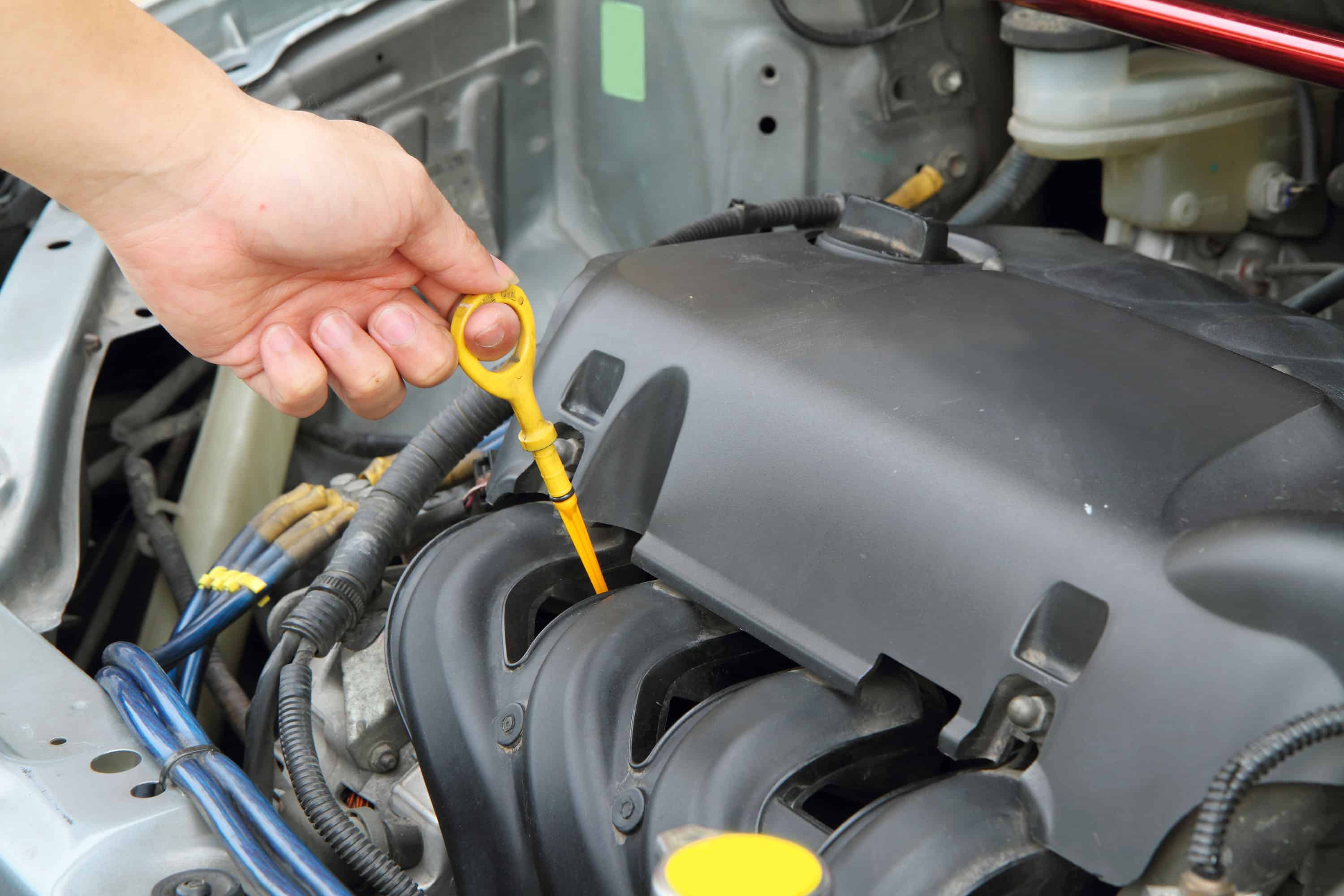
Check your oil level with the dipstick. Low oil means your car is losing oil somewhere. Regularly low oil levels suggest a leak or engine problem. Add oil as needed and find the leak source quickly.
Smoke From Engine
Smoke coming from under the hood can mean oil is leaking. The oil burns on hot engine parts, causing smoke. The smoke may be blue or gray. This is a serious sign. Stop driving and inspect your car.
Dashboard Warning Lights
Your car’s oil warning light shows oil pressure or level issues. The light turns on when oil leaks reduce pressure. Never ignore this light. It signals a need for immediate attention.
Quick Fixes For Oil Leaks
Oil leaks can damage your car and cause costly repairs. Quick fixes help stop leaks temporarily. These fixes save time and reduce oil loss. They allow you to drive safely to a mechanic. Below are common quick fixes anyone can try.
Tightening Loose Components
Loose bolts or screws often cause oil leaks. Check the engine and oil pan for loose parts. Use a wrench to tighten them carefully. Do not overtighten to avoid damage. This simple step can stop minor leaks fast.
Replacing Damaged Gaskets
Gaskets seal the engine parts and prevent oil leaks. Over time, gaskets wear out or crack. Replacing damaged gaskets stops oil from escaping. Remove the old gasket before installing the new one. Use the correct gasket for your car model.
Using Oil Leak Sealants
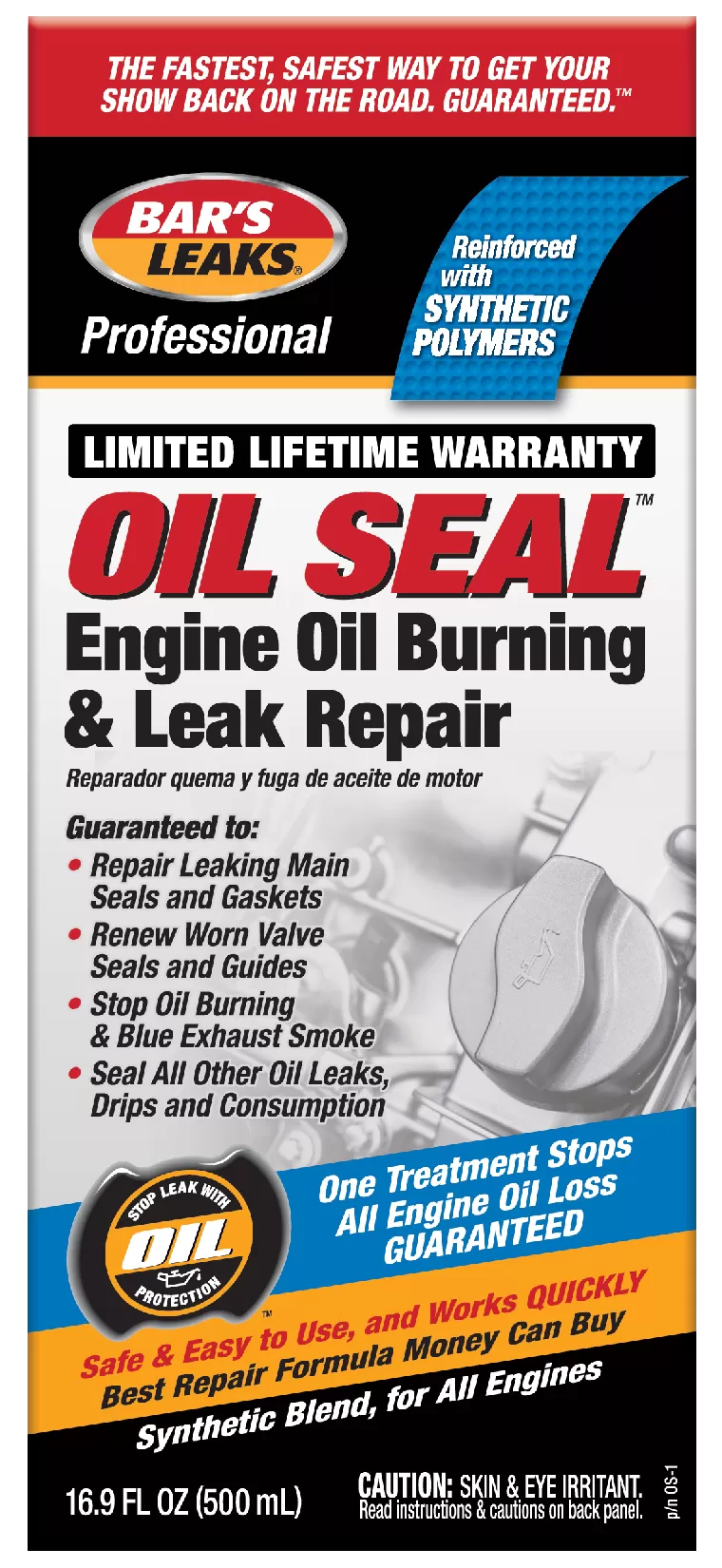
Oil leak sealants are easy-to-use liquids that plug small leaks. Pour the sealant into the engine oil. It circulates and seals tiny cracks and holes. Sealants work best for minor leaks and slow drips. Follow product instructions for the best result.
Changing Oil Filter
An old or damaged oil filter can leak oil. Replace the oil filter during regular oil changes. Use the filter recommended by your car maker. Tighten the new filter properly to prevent leaks. Clean the filter area before installation.
Temporary Patch Repairs
Temporary patches stop leaks on hoses or oil pans. Use a special tape or patch kit made for cars. Clean the leaking area before applying the patch. Press the patch firmly and let it set. This fix is short-term and needs professional repair later.
Preventive Measures To Avoid Leaks
Preventing oil leaks saves money and extends your car’s life. Small leaks can turn into big problems fast. Taking simple steps helps keep your engine clean and running well. Careful attention stops leaks before they start.
Regular Oil Changes
Changing oil on time keeps it clean and thick enough to protect. Old oil breaks down and causes leaks. Follow the car maker’s schedule for oil changes. Use the right oil type for your engine.
Routine Engine Inspections
Check the engine often for signs of leaks or damage. Look under the car for fresh oil spots. Inspect seals and gaskets for cracks or wear. Early checks catch leaks before they grow.
Using Quality Oil And Parts
Use good quality oil and parts to avoid leaks. Cheap oil can break down faster and cause damage. High-quality seals and gaskets fit better and last longer. Always choose parts made for your car model.
Proper Engine Maintenance
Keep the engine clean and free from dirt and debris. Dirt can wear seals and cause leaks. Replace worn belts and hoses on time. Well-maintained engines run cooler and leak less.
Avoiding Overfilling Oil
Do not put too much oil in the engine. Overfilling creates pressure that can damage seals. Use the dipstick to check oil levels after filling. Fill slowly and stop at the right mark.
When To See A Mechanic
Knowing when to see a mechanic is key to keeping your car safe and running well. Some oil leaks are minor and easy to fix. Others can cause serious damage if ignored. Watch for signs that need professional help. Acting fast can save you money and avoid bigger problems.
Persistent Leak Issues
Oil leaks that do not stop after a quick fix need a mechanic. Constant leaks can harm the engine and reduce oil levels. A professional can find the exact source and fix it correctly.
Visible Engine Damage
Look under the hood for dark stains or wet spots. These may show engine parts damaged by leaking oil. A mechanic can check for cracks or worn seals and replace broken parts.
Oil Pressure Problems
A drop in oil pressure signals trouble inside the engine. The oil light on the dashboard may turn on. Low pressure can cause engine failure. A mechanic can test and repair the oil system.
Unusual Engine Noises
Strange sounds like knocking or ticking can mean low oil levels. Oil lubricates engine parts and prevents noise. When oil leaks, parts rub together and make noise. A mechanic can find the cause and fix it.
Safety Concerns On Road
Oil leaks can drip onto the road and make surfaces slippery. This creates danger for you and other drivers. If you smell burning oil or see smoke, stop and call a mechanic. Safety must come first.
Frequently Asked Questions
What Are Common Causes Of Car Oil Leaks?
Common causes include worn gaskets, damaged oil pan, loose drain plug, and cracked valve cover. Regular checks prevent leaks and costly repairs.
How Can I Identify An Oil Leak In My Car?
Look for oil spots under your car, burning oil smell, or low oil levels. Early detection helps avoid engine damage.
What Is The Best Way To Fix A Car Oil Leak?
Fixing depends on the leak source. Replace gaskets, tighten plugs, or repair damaged parts. Professional help ensures proper repair.
Can Driving With An Oil Leak Damage My Engine?
Yes, low oil levels reduce lubrication, causing engine overheating and wear. Fix leaks promptly to protect your engine.
Conclusion
Oil leaks in cars can cause serious problems if ignored. Find the source of the leak quickly. Fix small leaks early to avoid big repairs. Regular checks help keep your engine healthy. Use the right tools and parts for repairs.
Clean up any spilled oil to prevent damage. Taking action saves money and keeps your car safe. Stay aware and act fast to protect your vehicle.


