Have you ever wondered what happens if a helicopter’s engines suddenly stop working? Can a helicopter still fly if all its engines are damaged?
This question might seem like something out of a movie, but understanding the answer could be crucial—whether you’re a curious traveler, an aviation enthusiast, or someone who simply wants to know how these incredible machines work. You’ll discover how helicopters handle emergencies and what keeps them in the air even when things go wrong.

49% off Today's Exclusive Deals
Limited-time Exclusive Deals. Check current discount on Amazon.
Check Price on Amazon As an Amazon Associate I earn from qualifying purchases.Keep reading—you might be surprised by how much control a pilot really has, even in the worst situations.
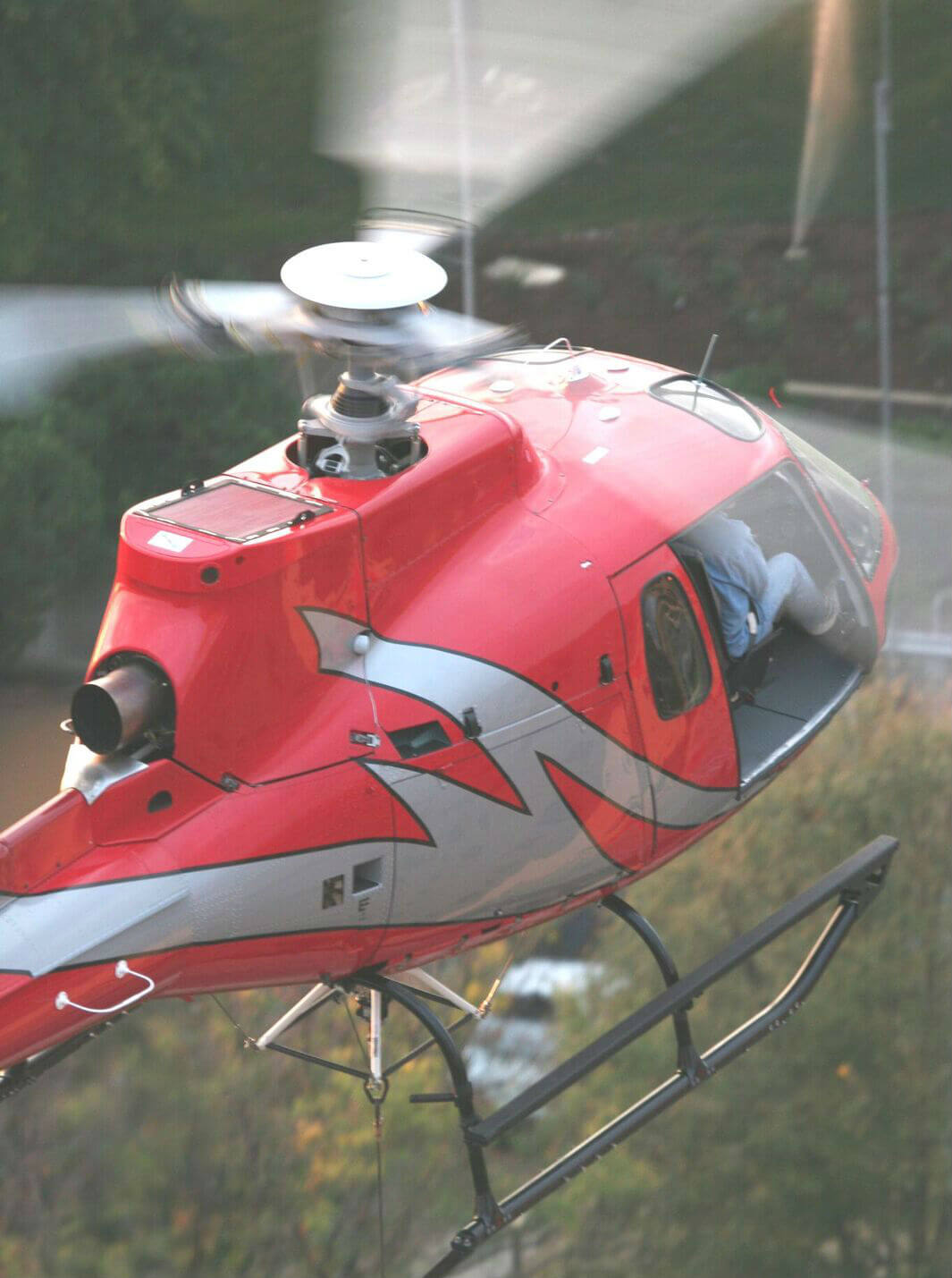
Helicopter Engine Basics
Helicopter engines are the heart of the aircraft. They provide the power needed to spin the rotor blades. This power allows the helicopter to lift, move, and hover. Understanding how these engines work helps explain what happens if they fail. The basics of helicopter engines show why keeping them running is critical for flight safety.
Engines in helicopters are different from those in airplanes. They must be lightweight and strong. They also need to deliver high power in a small size. These features help helicopters perform complex maneuvers and fly at low speeds or stay still in the air.
49% off Today's Exclusive Deals
Limited-time Exclusive Deals. Check current discount on Amazon.
Check Price on Amazon As an Amazon Associate I earn from qualifying purchases.Types Of Helicopter Engines
Two main types of engines power helicopters: piston and turbine engines. Piston engines work like car engines. They burn fuel to move pistons up and down. This motion turns the rotor blades. Piston engines are common in small, light helicopters.
Turbine engines are more powerful and efficient. They use hot gases to spin a turbine, which turns the blades. Turbine engines are used in bigger helicopters. They handle heavier loads and longer flights.
Engine Role In Flight
The engine’s job is to turn the main rotor. This rotor creates lift to keep the helicopter in the air. The engine also powers the tail rotor. This rotor stops the helicopter from spinning uncontrollably.
When engines fail, the helicopter loses power. The pilot must act fast to keep control. Some helicopters can glide down safely without engine power. This is called autorotation. It uses the rotor’s spinning to slow descent.
49% off Today's Exclusive Deals
Limited-time Exclusive Deals. Check current discount on Amazon.
Check Price on Amazon As an Amazon Associate I earn from qualifying purchases.How Helicopters Stay Airborne
Helicopters fly by creating lift through their spinning blades. These blades push air downwards, which lifts the helicopter up. This process is different from airplanes, which use fixed wings to fly.
Understanding how helicopters stay in the air helps explain what happens if their engines fail. The key parts involved are the rotor blades and the way they move.
Lift Generation
Lift is the force that holds a helicopter in the sky. The main rotor blades cut through the air and push it down. This action pushes the helicopter upward.
The faster the blades spin, the more lift they create. Pilots control the speed and angle of the blades to keep the helicopter stable and flying.
Rotor Mechanics
The rotor system is the heart of a helicopter. It consists of several blades attached to a central hub. The blades rotate around this hub at high speed.
Each blade can change its angle to control lift and direction. This movement helps the helicopter hover, climb, or turn. The engine usually powers this rotation.
Even if the engine stops, the blades can keep spinning by using the helicopter’s forward speed. This technique is called autorotation. It helps the helicopter land safely without engine power.
Engine Failure Scenarios
Engine failure in helicopters is a serious issue that pilots train for often. Understanding different engine failure scenarios helps in knowing the helicopter’s ability to keep flying. Helicopters can face either partial damage or complete failure of their engines. Each situation requires different pilot actions and has different effects on flight safety.
Partial Engine Damage
Partial engine damage means the engine is not working fully but still runs. The helicopter may lose some power but can continue flying. Pilots must quickly adjust controls to manage power loss. Often, the helicopter can fly safely to a landing spot. This situation allows for more time to react and plan an emergency landing.
Complete Engine Failure
Complete engine failure means all engine power is lost. The helicopter can no longer rely on engine thrust to stay in the air. Pilots use a technique called autorotation to keep the helicopter flying. Autorotation uses air moving past the rotor blades to keep them spinning. This allows a controlled descent and landing without engine power. It is a critical skill for helicopter pilots to save lives in this scenario.

Autorotation Explained
Autorotation is a critical safety technique used by helicopter pilots. It allows a helicopter to land safely without engine power. This process uses the airflow through the rotor blades to keep them turning. Pilots rely on autorotation during engine failure to control the descent and landing.
Principles Of Autorotation
Autorotation happens when the helicopter’s rotors spin freely. The upward flow of air through the blades keeps them moving. This airflow replaces engine power to turn the rotors. The rotor blades act like a windmill, generating lift and control.
Maintaining rotor speed is key. The pilot controls the pitch of the blades to manage lift. Proper blade angle helps slow the descent. The helicopter falls but stays stable and controllable. This balance allows a safe landing without engine thrust.
Pilot Techniques During Engine Loss
When engines fail, pilots quickly enter autorotation. They lower the collective pitch to reduce drag. This action keeps the rotor spinning fast. The pilot uses the cyclic to steer and keep level flight. Timing the flare before landing is crucial.
The flare slows the helicopter’s descent and forward speed. It prepares the helicopter for a gentle touchdown. Pilots train extensively to perfect these techniques. Autorotation skills save lives during emergency landings.
Can Helicopters Fly Without Engines?
Can helicopters fly without engines? This question sparks curiosity and some confusion. Many wonder if a helicopter can keep flying after all engines fail. The answer depends on the helicopter’s design and the pilot’s skills.
Helicopters have unique ways to handle engine failure. Unlike planes, they don’t just drop from the sky. They use a special technique called autorotation. This method allows the helicopter to glide safely down without engine power.
Myths About Engine-less Flight
Some people believe a helicopter cannot fly at all without engines. They think the blades stop moving immediately. This is not true. The rotor blades keep spinning due to air flowing up through them.
Another myth is that a helicopter will crash without engines. Pilots train to control the helicopter during engine failure. They can steer and slow the descent. This skill greatly increases safety.
Realities Of Engine Failure Flight
In reality, helicopters can glide down safely using autorotation. The pilot lowers the collective pitch to reduce drag. The spinning blades keep creating lift and control.
Autorotation gives pilots time to find a safe landing spot. It is a critical emergency procedure. Most helicopters are designed to handle this situation effectively.
Engine failure is serious but not always deadly. Proper training and quick action help pilots manage it well. Helicopters can still fly without engines, but only for a limited time and distance.
Safety Measures And Training
Safety measures and training are crucial for helicopter flights. Pilots must be ready for engine failure. They learn how to handle emergencies carefully. These skills can save lives during critical moments.
Training focuses on quick thinking and correct actions. Pilots practice emergency landings and engine-out procedures. This training builds confidence and improves response time. Helicopter safety depends on how well pilots prepare.
Emergency Procedures
Helicopters have specific steps for engine failure. Pilots follow strict checklists to keep control. They try to restart engines if possible. If not, pilots use autorotation to descend safely. Autorotation means using the rotor’s motion to land without power.
Emergency procedures are drilled often. Pilots rehearse these steps to react fast. Staying calm is key to managing the situation well. Proper action can prevent accidents and save lives.
Pilot Preparedness
Pilots receive regular training to stay sharp. They practice handling engine failure in simulators. This training mimics real emergencies closely. Pilots also learn to check helicopter systems before flights. Early detection of issues reduces risks.
Prepared pilots know how to protect passengers. They focus on smooth landings and safety. Good pilot skills lower the chance of crashes. Constant training keeps their knowledge fresh and reliable.
Case Studies Of Engine Failures
Engine failures in helicopters are rare but critical events. Studying real cases helps understand what happens in such emergencies. Pilots and engineers learn from these incidents to improve safety.
Some helicopters have kept flying even after engine damage. These cases show the skill and technology involved. They also reveal areas where improvements are needed.
Notable Incidents
One famous case is the 2013 emergency landing of a helicopter in New York. Both engines failed, but the pilot used autorotation to land safely. Autorotation allows a helicopter to glide down without engine power.
In another incident, a helicopter lost engine power during a rescue mission in the mountains. The pilot quickly switched to a backup system and controlled the descent. The crew survived with minor injuries.
Lessons Learned
Pilots must train extensively on autorotation and emergency procedures. Quick thinking can save lives during engine failures. Helicopters need reliable backup systems and regular maintenance.
Manufacturers improve engine design to reduce failure risks. Flight crews benefit from clear communication and calm actions. These lessons shape safer helicopter operations worldwide.

Frequently Asked Questions
Can A Helicopter Glide Without Engine Power?
Yes, helicopters can perform autorotation, allowing controlled descent without engine power. This technique uses the upward airflow to keep rotor blades spinning, enabling a safe landing.
What Happens If All Helicopter Engines Fail Mid-flight?
If all engines fail, pilots use autorotation to maintain rotor speed. This helps control the helicopter’s descent and landing despite engine loss.
Is Autorotation A Reliable Emergency Procedure For Helicopters?
Autorotation is a standard emergency procedure taught to all helicopter pilots. It is reliable for safely landing a helicopter when engine power is lost.
Can Helicopters Fly On A Single Engine If Others Fail?
Many helicopters have multiple engines designed for redundancy. They can continue flying safely on one engine if others fail, depending on the model.
Conclusion
A helicopter cannot fly normally without working engines. Pilots use special techniques to control the helicopter if engines fail. The rotors keep spinning by air, helping to glide safely down. This is called autorotation. It is a critical skill for emergency landings.
Still, the helicopter cannot gain altitude or hover without power. Safety depends on quick pilot actions and good training. Knowing this helps us understand helicopter limits and pilot skills. Flying without engines is risky but not always impossible.


