Is your diesel engine burning oil and leaving you worried about costly repairs? You’re not alone, and the good news is that you can take steps to fix it.
When your engine burns oil, it affects performance and can lead to serious damage if ignored. But don’t panic—this problem often has simple solutions that you can apply yourself. You’ll discover easy-to-follow tips that can stop your diesel engine from burning oil and keep it running smoothly for miles to come.

49% off Today's Exclusive Deals
Limited-time Exclusive Deals. Check current discount on Amazon.
Check Price on Amazon As an Amazon Associate I earn from qualifying purchases.Keep reading to protect your engine and save money today.
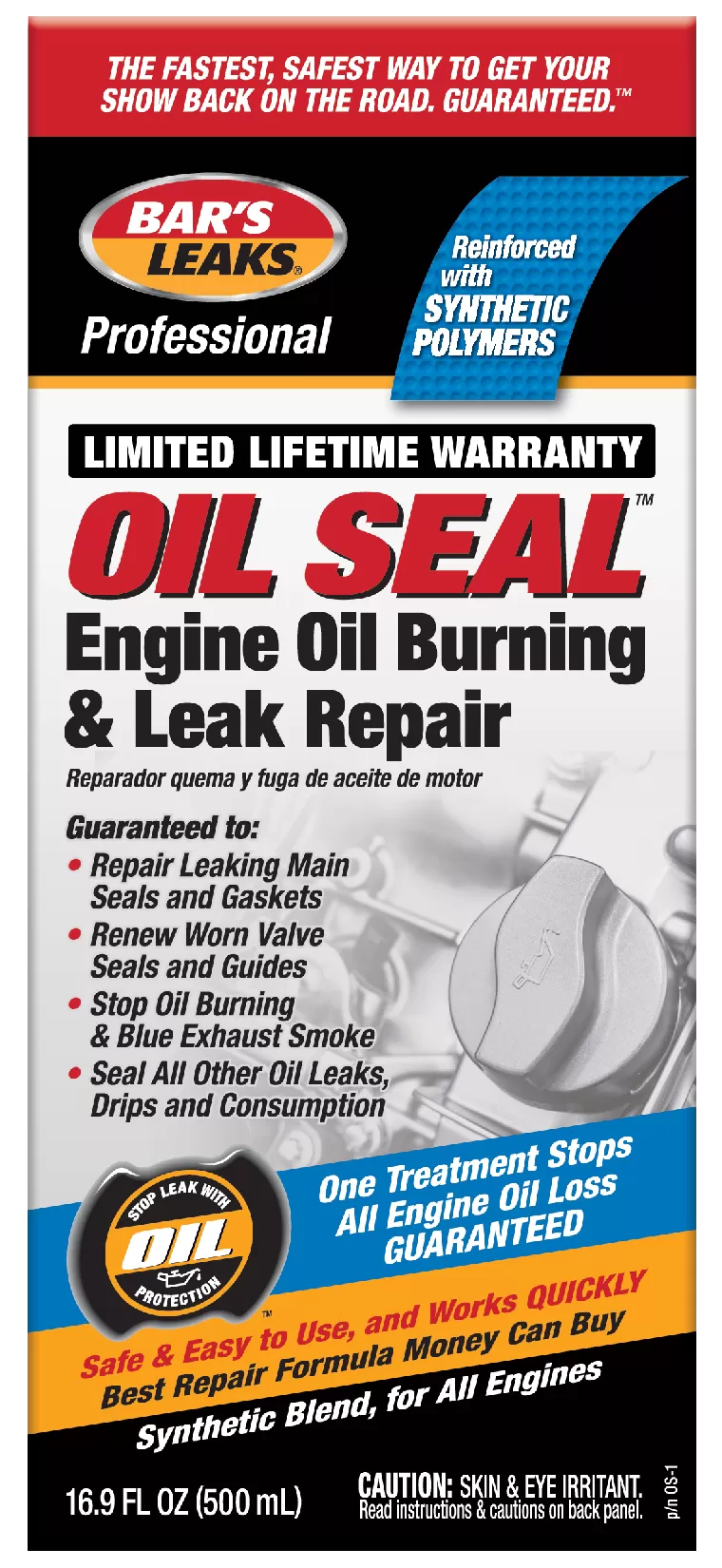
Causes Of Oil Burning In Diesel Engines
Diesel engines may burn oil for several reasons. Understanding these causes helps in fixing the problem early. Burning oil can harm engine parts and reduce performance. Identifying the root cause is the first step to prevent damage.
Worn Piston Rings
Piston rings seal the gap between the piston and cylinder wall. Over time, they wear out or break. This lets oil leak into the combustion chamber. Burning oil here causes smoke and reduces engine power.
49% off Today's Exclusive Deals
Limited-time Exclusive Deals. Check current discount on Amazon.
Check Price on Amazon As an Amazon Associate I earn from qualifying purchases.Valve Seal Damage
Valve seals stop oil from entering the combustion chamber. If seals get old or cracked, oil can pass through. This leads to burning oil and increased smoke from the exhaust.
Turbocharger Issues
The turbocharger uses oil for lubrication. If its seals fail, oil leaks into the intake system. This oil then burns in the engine, causing smoke and loss of power.
Pcv System Malfunction
The Positive Crankcase Ventilation (PCV) system removes gases from the engine. If it clogs or breaks, pressure builds up. This forces oil into the combustion chamber, causing it to burn.
Cylinder Wall Wear
Cylinders wear down with use, creating gaps for oil to enter. This wear leads to oil burning and reduced engine efficiency. Regular checks can spot this problem early.
49% off Today's Exclusive Deals
Limited-time Exclusive Deals. Check current discount on Amazon.
Check Price on Amazon As an Amazon Associate I earn from qualifying purchases.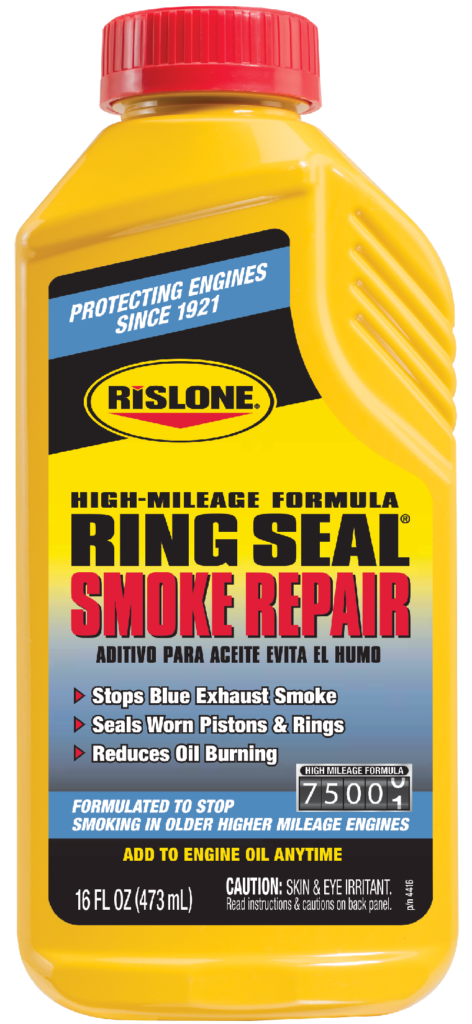
Symptoms Of Excessive Oil Burning
Excessive oil burning in a diesel engine can cause several noticeable problems. These symptoms warn you about engine trouble. Recognizing them early helps avoid costly repairs. Watch for changes in exhaust, oil level, engine power, and emissions.
Blue Smoke From Exhaust
Blue smoke coming from the exhaust signals burning oil. It often appears during engine start or acceleration. This smoke means oil leaks into the combustion chamber. It can damage the engine if not fixed.
Frequent Oil Top-ups
Needing to add oil often shows the engine burns oil. Check the oil level regularly. If it drops quickly, the engine is losing oil inside. This problem needs immediate attention.
Loss Of Engine Power
Burning oil can reduce engine power. The engine may feel weak or sluggish. It struggles to perform well under load. This issue affects driving safety and fuel efficiency.
Oil Fouled Spark Plugs
Oil fouling the spark plugs is a sign of oil burning. Dirty plugs cause poor ignition and rough running. The engine may misfire or stall. Cleaning or replacing plugs helps restore performance.
Increased Emissions
Excess oil burning increases harmful emissions. It pollutes the air more than normal. This can cause the vehicle to fail emission tests. Addressing oil burning reduces environmental impact.
Preventive Maintenance Tips
Preventive maintenance plays a key role in stopping diesel engines from burning oil. It helps keep the engine parts in good condition. This reduces wear and tear. Regular care extends engine life and saves money on repairs.
Following simple steps can lower oil burning risks. These tips improve engine performance and avoid costly problems. Consistent attention to the engine prevents oil leaks and damage.
Regular Oil Changes
Change oil at the intervals recommended by the manufacturer. Old oil loses its ability to lubricate engine parts. Fresh oil keeps the engine clean and reduces friction. This helps prevent oil from burning inside the engine.
Using Quality Engine Oil
Use the right oil grade for your diesel engine. High-quality oil protects engine parts better. It resists breakdown under high temperatures. Good oil reduces wear and prevents oil leaks. Choose oils that meet engine specifications for best results.
Routine Engine Inspections
Check the engine regularly for signs of oil leaks or damage. Look for worn seals, gaskets, and hoses. Early detection stops small problems from becoming bigger. Inspections also catch any unusual smoke or noises. This keeps the engine running smoothly.
Timely Replacement Of Worn Parts
Replace old or damaged parts quickly. Worn piston rings and valve seals cause oil burning. Fixing these parts stops oil from entering the combustion chamber. Timely repairs keep the engine efficient and clean. This lowers oil consumption and improves performance.
Diy Repairs To Reduce Oil Burning
DIY repairs can help reduce oil burning in diesel engines. Many common causes allow oil to enter the combustion chamber. Fixing these parts can save money and prevent damage. Simple steps and basic tools make these repairs possible for most people.
Understanding the key parts that wear out helps target the repair. Valve seals, piston rings, turbochargers, and PCV valves often cause oil leaks. Checking and fixing these parts improves engine performance and lowers oil use.
Replacing Valve Seals
Valve seals stop oil from leaking into the engine cylinders. Old or worn seals let oil slip past and burn. Removing the valve cover reveals the seals. Replace them with new ones to stop oil leaks. This repair needs some engine knowledge but is doable at home.
Installing New Piston Rings
Piston rings seal the gap between pistons and cylinder walls. Worn rings allow oil to enter the combustion area. Removing the engine head and pistons is necessary. Replace the old rings with new ones. This repair takes more time but greatly reduces oil burning.
Cleaning Or Replacing Turbocharger
The turbocharger can leak oil if it fails. Oil leaks cause smoke and oil burning. Remove the turbocharger to inspect it. Clean or replace damaged seals and bearings. A working turbocharger stops oil leaks and improves engine power.
Fixing Pcv Valve Issues
The PCV valve controls crankcase pressure and oil vapors. A clogged valve causes oil to burn in the engine. Locate the PCV valve and clean or replace it. This simple fix lowers oil consumption and engine smoke. It often helps older engines run cleaner.
When To Seek Professional Help
Knowing when to get professional help can save your diesel engine from serious damage. Some oil burning problems need expert tools and skills. Acting fast can keep repair costs low and your engine safe.
Complex Engine Overhauls
Complex engine overhauls require special knowledge and equipment. These repairs involve taking apart and rebuilding many engine parts. Only trained mechanics should perform this work. Trying it yourself can cause more damage.
Diagnosing Internal Engine Damage
Internal engine damage is hard to spot without experience. Professionals use advanced tools to find the problem inside the engine. Early diagnosis helps fix the issue before it worsens. This step is critical to stop oil burning.
Advanced Turbocharger Repairs
Turbocharger problems need precise repairs to work properly again. Fixing or replacing turbo parts is tricky and requires skill. A professional can ensure the turbocharger runs efficiently. This prevents further oil consumption and engine wear.
Upgrades To Minimize Oil Consumption
Upgrading parts of your diesel engine can help reduce oil burning. Small changes make a big difference in oil consumption. Focus on key areas that control oil flow and engine protection. These upgrades improve engine life and save money on oil.
High-quality Gaskets And Seals
Gaskets and seals stop oil leaks in your engine. Using high-quality materials prevents oil from escaping. Old or weak gaskets cause oil to burn faster. Replacing them with better ones keeps oil where it should be. This reduces oil loss and engine wear.
Performance Engine Oils
Choose engine oils made for diesel engines. Performance oils have better additives to protect parts. They reduce friction and help seal engine gaps. This lowers oil consumption and keeps the engine running smoothly. Changing to the right oil extends engine life.
Enhanced Air Filtration Systems
Clean air protects your engine from damage. Dust and dirt make oil burn faster inside the engine. Upgrading to better air filters traps more particles. This keeps the engine cleaner and reduces oil use. Fresh air also improves engine performance and fuel economy.
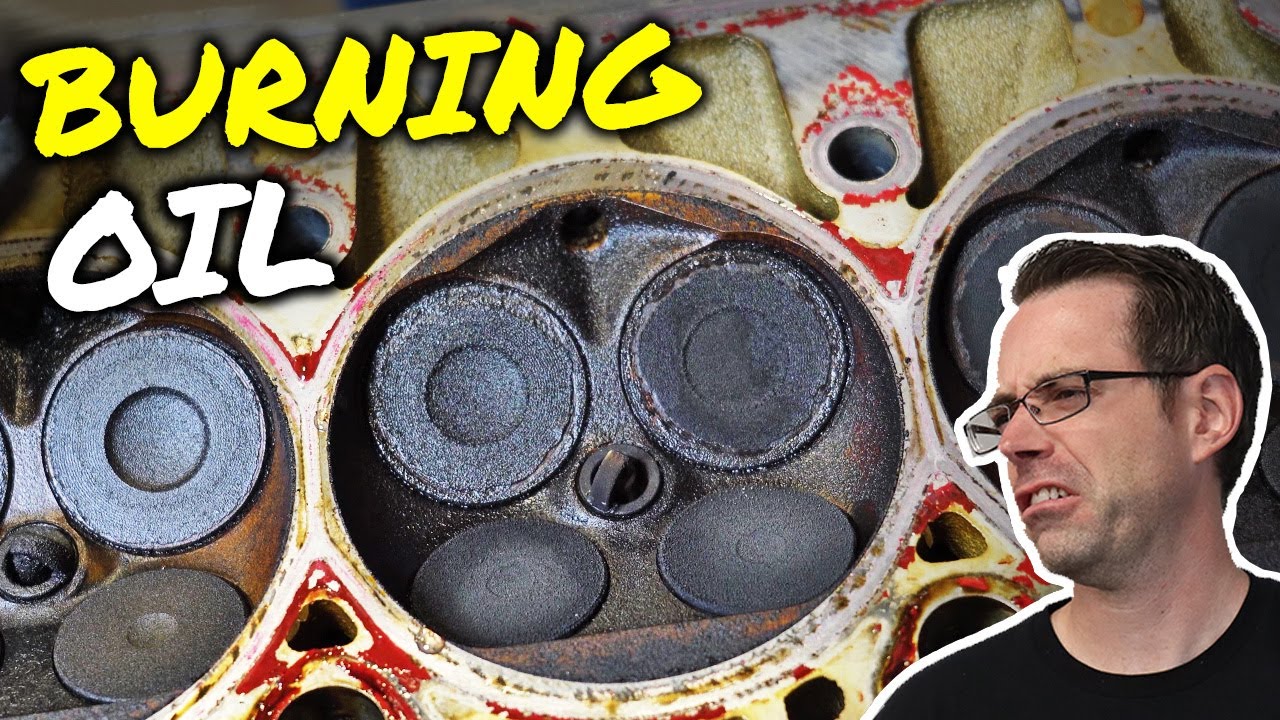
Frequently Asked Questions
How Can I Stop My Diesel Engine From Burning Oil?
To stop oil burning, regularly check and replace worn piston rings and valve seals. Maintain proper engine oil levels and use the right oil grade. Regularly inspect turbochargers and fuel injectors for leaks or damage. Routine engine servicing prevents excessive oil consumption effectively.
What Causes Diesel Engines To Burn Oil Excessively?
Excessive oil burning in diesel engines is caused by worn piston rings, damaged valve seals, clogged air filters, or faulty turbochargers. Poor maintenance and using incorrect oil types also contribute. Identifying the root cause early helps prevent engine damage and costly repairs.
How Often Should I Check Oil Levels In Diesel Engines?
Check diesel engine oil levels at least once a week or before long trips. Frequent monitoring helps detect leaks or oil consumption early. Maintaining proper oil levels ensures engine lubrication, reduces wear, and prevents oil burning problems effectively.
Can Using The Wrong Oil Cause Diesel Engine Burning Oil?
Yes, using the wrong oil can increase diesel engine oil burning. Incorrect oil viscosity or low-quality oil reduces lubrication efficiency. Always use manufacturer-recommended oil grades to ensure proper sealing and minimize oil consumption issues in diesel engines.
Conclusion
Stopping a diesel engine from burning oil needs regular care. Check seals and gaskets often to avoid leaks. Use the right oil type for your engine. Clean or replace air filters as needed. Watch for smoke or unusual sounds while driving.
Fix small problems early before they get worse. Simple steps help your engine last longer. Save money on repairs by keeping it healthy. A well-maintained engine runs smoother and cleaner every day. Keep an eye on oil levels and quality too.
Your diesel engine will thank you with better performance.


