Have you ever wondered how your engine keeps running smoothly without grinding or overheating? The secret lies in a special engine component that stores oil for lubrication.
Without this part working properly, your engine could suffer serious damage. You’ll discover exactly what this component is, how it works, and why it’s crucial for your vehicle’s health. Understanding this can help you take better care of your engine and avoid costly repairs down the road.

49% off Today's Exclusive Deals
Limited-time Exclusive Deals. Check current discount on Amazon.
Check Price on Amazon As an Amazon Associate I earn from qualifying purchases.Keep reading to learn more about the key to your engine’s smooth performance.

Engine Oil Reservoir
The engine oil reservoir is a vital part of any engine. It stores the oil needed for proper lubrication. Without this reservoir, the engine parts would wear out quickly. The reservoir keeps the oil ready to flow through the engine. It helps the engine run smoothly and last longer.
Function And Importance
The engine oil reservoir holds the oil that lubricates engine parts. Lubrication reduces friction between moving parts. This stops the engine from overheating and breaking down. The reservoir also allows oil to cool before it recirculates. Clean and well-stored oil improves engine performance. The reservoir plays a key role in engine health and efficiency.
49% off Today's Exclusive Deals
Limited-time Exclusive Deals. Check current discount on Amazon.
Check Price on Amazon As an Amazon Associate I earn from qualifying purchases.Location In The Engine
The oil reservoir is usually found at the bottom of the engine. It is often called the oil pan or sump. This location allows oil to collect after circulating through the engine. Gravity helps oil flow back into the reservoir. The reservoir sits under the crankcase, where it stays protected. This placement helps with easy oil drainage during changes.
Types Of Oil Storage Designs
There are different oil reservoir designs in engines. Wet sump systems store oil in a pan under the engine. They are common in most cars and trucks. Dry sump systems keep oil in a separate tank. They use pumps to move oil through the engine. Dry sump designs are used in high-performance and racing engines. Both types ensure oil is available for lubrication at all times.
Oil Pan Features
The oil pan is a key part of the engine that stores oil for lubrication. It sits at the engine’s bottom and holds the oil needed to keep parts moving smoothly. The oil pan has several important features that help it do its job well. These features affect how well the engine runs and how easy it is to maintain.
Material And Construction
Oil pans are usually made from steel or aluminum. Steel pans are strong and cost less. Aluminum pans are lighter and cool the oil faster. The construction must be sturdy to avoid leaks and damage. Some pans have extra ribs for strength. This helps protect the engine during rough driving.
49% off Today's Exclusive Deals
Limited-time Exclusive Deals. Check current discount on Amazon.
Check Price on Amazon As an Amazon Associate I earn from qualifying purchases.Capacity And Shape
The oil pan must hold enough oil for the engine. Its size depends on the engine type and oil needs. The shape is designed to fit the engine and car frame. Some pans have a deep design to store more oil. A good shape also helps oil flow to the pump easily.
Drain Plug And Maintenance
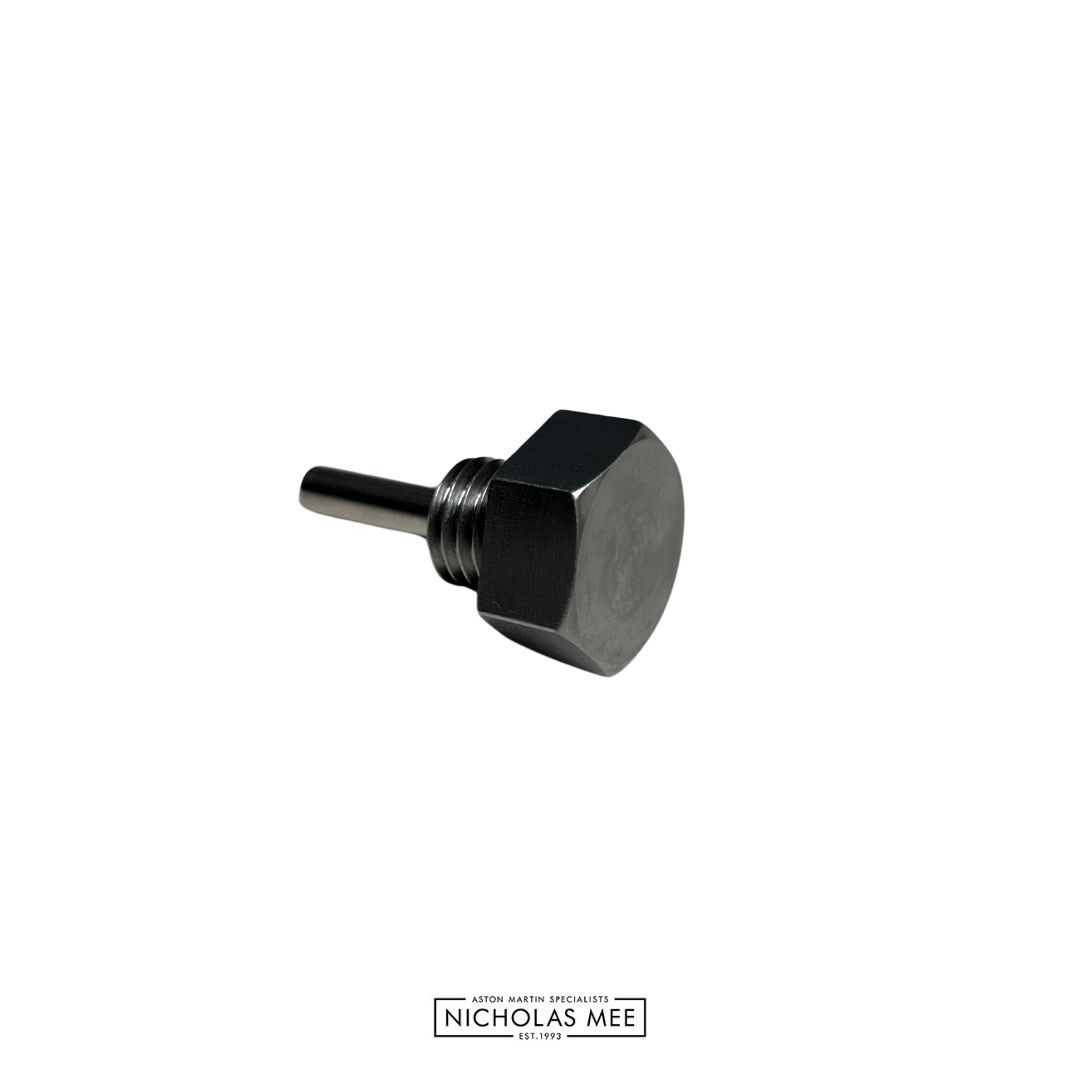
The drain plug lets you remove old oil quickly. It screws into the pan’s bottom for easy access. A tight seal prevents oil leaks. Regular oil changes use this plug to keep oil clean. Some pans have magnetic plugs to catch metal bits. This helps protect engine parts from wear.
Oil Pump Role
The oil pump plays a key role in an engine’s lubrication system. It moves oil from the oil pan to various engine parts. This movement keeps parts cool and reduces friction. Without the oil pump, the engine would overheat and wear out quickly.
The pump works constantly while the engine runs. It ensures oil reaches every corner where it is needed. A well-functioning oil pump helps the engine last longer and run smoothly.
Circulating Oil Through The Engine
The oil pump draws oil from the oil pan. It then pushes the oil through small passages in the engine. These passages lead to bearings, pistons, and other moving parts. The oil forms a thin layer between metal parts. This layer stops metal from rubbing directly against metal.
Oil also carries heat away from engine parts. The pump keeps oil flowing at the right pressure. This steady flow is important for proper lubrication and cooling.
Types Of Oil Pumps
Two common types of oil pumps are gear pumps and rotor pumps. Gear pumps use two gears that mesh together. These gears spin and push oil forward. Rotor pumps have an inner and outer rotor. The rotors create a vacuum to pull oil in and push it out.
Both types are reliable and efficient. The choice depends on the engine design and size.
Common Issues And Solutions
Oil pumps can wear out or get clogged. A worn pump may not build enough pressure. Low oil pressure can cause engine damage. Dirt and debris can block oil passages.
Regular oil changes keep the pump clean. Checking oil pressure helps spot problems early. If the pump fails, replacing it is necessary to protect the engine.
Lubrication Pathways
Lubrication pathways are the routes oil takes inside an engine. These paths help oil reach parts that need it most. Without proper pathways, oil cannot protect engine parts well. This section explains how oil moves inside the engine and why it matters.
Oil Galleries And Passages
Oil galleries are small channels built into the engine block. They carry oil from the oil pump to different parts of the engine. Passages connect galleries to areas like the crankshaft and camshaft. These tiny routes keep oil flowing smoothly. Clean and clear passages are vital for good lubrication.
How Oil Reaches Critical Components
The oil pump pushes oil through galleries and passages. It flows to bearings, pistons, and valve parts. Oil forms a thin layer between metal surfaces. This layer stops parts from rubbing directly. Without oil, parts would wear out very fast. Proper pathways make sure oil reaches every needed spot.
Impact On Engine Longevity
Good lubrication pathways reduce friction and heat. They stop parts from wearing and breaking early. Engines with clear oil routes last longer and work better. Blocked or damaged pathways cause engine damage. Maintaining these paths helps keep the engine healthy for years.
Oil Filter Integration
The oil filter is a vital part of the engine’s oil system. It helps keep the oil clean and the engine running smoothly. This section covers how oil filters work, where they are placed, and how to maintain them properly.
Filtering Contaminants
The oil filter removes dirt, metal bits, and other particles from the oil. Clean oil protects engine parts from wear and damage. Without a filter, these contaminants cause engine problems and reduce engine life.
Placement And Design
Oil filters are usually located near the engine block. This placement allows quick oil flow through the filter. Most filters have a paper or synthetic element that traps dirt. The design ensures oil moves smoothly and stays clean.
Maintenance Tips
Change the oil filter regularly to keep the engine healthy. Follow the vehicle’s service schedule for oil and filter changes. Using the correct filter type ensures proper fit and function. Always check for leaks after installation.
Signs Of Oil Storage Problems
Oil storage in engine components is vital for smooth engine operation. Problems in oil storage can cause serious damage. Early signs help prevent costly repairs. Recognizing these signs keeps your engine healthy and running well.
Leakage Symptoms
Oil leaks are a clear sign of storage issues. Look for wet spots under your vehicle. Dark oil stains or puddles appear on the ground. You might also notice a burning oil smell. Leaks reduce oil levels and harm engine parts.
Oil Pressure Warnings
Your dashboard may show an oil pressure light. This warning signals low or uneven oil pressure. Low pressure means oil isn’t flowing properly. It can cause engine parts to wear quickly. Ignoring this warning risks severe engine damage.
Effects On Engine Performance
Oil storage problems affect engine power and smoothness. The engine may sound louder or rough. You might feel vibrations while driving. Poor lubrication causes overheating and wear. Engine stalls or poor acceleration can occur too.
Maintenance Best Practices
Proper maintenance is key to keeping your engine oil system working well. The oil stores inside the engine help lubricate moving parts. This stops friction and wear. Good care of oil and engine parts extends engine life and improves performance.
Following simple maintenance steps protects your engine from damage. It also keeps your vehicle running smoothly. Focus on regular checks, choosing the right oil, and timely replacements.
Regular Oil Checks
Check your oil level often. Low oil can cause engine parts to rub and wear quickly. Use the dipstick to see the oil level. Make sure the engine is cool and on flat ground. Add oil if the level is low. Look for dirty or thick oil that may need changing.
Choosing The Right Oil
Use oil that matches your engine’s needs. Check your owner’s manual for the right oil type. Different engines need different viscosities and grades. Using the wrong oil can cause poor lubrication. Pick oil that meets the quality standards for your engine.
When To Replace Oil And Components
Replace oil at regular intervals. Old oil loses its ability to protect the engine. Change oil filters with every oil change. Dirty filters reduce oil flow and can harm engine parts. Follow the service schedule to know when to replace oil and parts. This keeps your engine running clean and safe.
Frequently Asked Questions
What Engine Component Stores Oil For Lubrication?
The oil pan, located at the engine’s base, stores oil for lubrication. It collects and holds oil, ensuring constant supply to engine parts.
Why Is Oil Storage Important In Engines?
Oil storage allows continuous lubrication, reducing friction and wear. It ensures smooth engine operation and prevents overheating and damage.
How Does Stored Oil Reach Engine Parts?
Oil is pumped from the storage component through channels to lubricate moving parts, reducing friction and maintaining engine efficiency.
Can Oil Storage Affect Engine Performance?
Yes, proper oil storage ensures consistent lubrication, improving engine performance and longevity. Insufficient oil storage can cause engine damage.
Conclusion
The engine part that stores oil keeps everything moving smoothly. It stops metal parts from rubbing and wearing out fast. Good oil storage helps the engine last longer and run better. Without this part, the engine could get damaged quickly.
Remember, clean oil and proper storage are key to engine health. Take care of this part, and your engine will thank you. Simple but important.


