Have you ever wondered if a small part in your engine could lead to a major breakdown? The piston ring is one of those tiny components that plays a huge role in keeping your engine running smoothly.
If it fails, the consequences can be serious—and costly. You’ll discover how a piston ring works, what happens when it goes bad, and why ignoring its issues could put your entire engine at risk. Keep reading to protect your vehicle and avoid unexpected engine failure.

49% off Today's Exclusive Deals
Limited-time Exclusive Deals. Check current discount on Amazon.
Check Price on Amazon As an Amazon Associate I earn from qualifying purchases.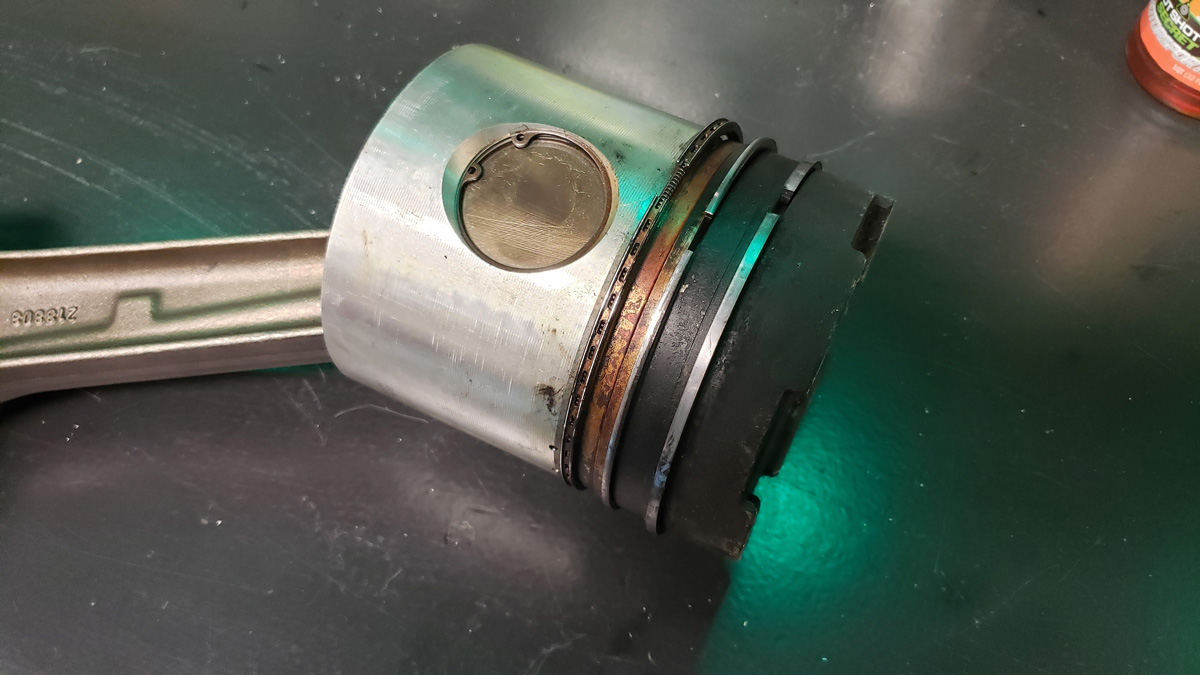
Role Of Piston Rings
Piston rings are small but very important parts of an engine. They fit around the piston inside the cylinder. Their job is to keep the engine running smoothly and efficiently. Without piston rings, the engine cannot work properly and may fail quickly.
These rings have three main roles. They seal the combustion chamber, control oil consumption, and transfer heat. Each role helps protect the engine and improve its performance.
Sealing Combustion Chamber
Piston rings seal the space between the piston and cylinder walls. This prevents the gas from escaping during combustion. Good sealing keeps the engine power strong. It also helps maintain proper pressure for engine efficiency. Poor sealing can lead to loss of power and engine damage.
49% off Today's Exclusive Deals
Limited-time Exclusive Deals. Check current discount on Amazon.
Check Price on Amazon As an Amazon Associate I earn from qualifying purchases.Controlling Oil Consumption
Piston rings control how much oil reaches the combustion chamber. They scrape excess oil off the cylinder walls. This stops oil from burning in the chamber. Proper oil control reduces smoke and pollution. It also prevents oil waste and keeps the engine clean inside.
Heat Transfer Functions
Piston rings transfer heat from the piston to the cylinder wall. This helps cool the piston during engine operation. Good heat transfer prevents the piston from overheating. Overheating can cause engine parts to warp or fail. Thus, piston rings protect the engine from heat damage.

Common Piston Ring Problems
Piston rings are small but vital parts inside an engine. They seal the gap between the piston and cylinder wall. This seal keeps the engine’s power strong and stops oil from leaking. Problems with piston rings can lead to engine failure. Understanding common piston ring problems helps keep engines in good shape.
Wear And Tear
Piston rings face constant friction inside the engine. Over time, this friction causes wear and tear. Worn rings lose their tight seal. This lets combustion gases escape, reducing engine power. Oil can also leak into the combustion chamber. Regular maintenance helps spot wear early.
49% off Today's Exclusive Deals
Limited-time Exclusive Deals. Check current discount on Amazon.
Check Price on Amazon As an Amazon Associate I earn from qualifying purchases.Breakage And Cracks
Extreme engine heat or stress can cause piston rings to break or crack. A broken ring cannot seal properly. This leads to poor engine compression and oil burning. Small cracks may grow bigger, causing more damage. Engine overheating often plays a role in ring breakage.
Incorrect Installation
Piston rings must fit precisely in the piston grooves. Incorrect installation leads to poor sealing. Rings placed upside down or in the wrong order cause engine problems. This mistake causes loss of compression and excessive oil use. Careful installation is essential for engine health.
How Piston Ring Issues Lead To Engine Failure
Piston rings play a vital role in an engine’s performance. They seal the combustion chamber and control oil use. Problems with piston rings can cause serious engine damage. Understanding how piston ring issues lead to engine failure helps in spotting trouble early.
Loss Of Compression
Piston rings keep the combustion chamber sealed tightly. Worn or broken rings let air and fuel escape. This causes a drop in compression pressure. Low compression means the engine loses power and runs poorly. The engine may struggle to start or stall often.
Increased Oil Consumption
Damaged piston rings allow oil to enter the combustion chamber. The oil burns along with fuel, causing smoke from the exhaust. High oil use means more frequent oil top-ups. This leads to dirty spark plugs and fouled engine parts. Over time, engine parts wear faster.
Overheating Risks
Good piston rings help control engine heat. Faulty rings cause poor sealing and more friction inside. This raises engine temperature quickly. Overheating can warp metal parts and cause engine failure. Cooling system stress increases, risking breakdowns on the road.
Symptoms Of Failing Piston Rings
Piston rings play a key role in engine health. When they fail, the engine shows clear signs. Knowing these symptoms helps catch problems early. This prevents costly engine damage and keeps your vehicle running smoothly.
Excessive Smoke
Failing piston rings cause oil to leak into the combustion chamber. This oil burns with fuel and produces blue or gray smoke. You may notice more smoke than usual from the exhaust. This smoke often appears during startup or acceleration.
Reduced Engine Power
Worn piston rings reduce compression inside the cylinders. Lower compression means less power from the engine. Your car may feel weak or slow to respond. Climbing hills or carrying heavy loads becomes harder than before.
Oil Fouling On Spark Plugs
Oil leaks caused by bad piston rings dirty the spark plugs. Oil on spark plugs stops them from sparking well. This leads to rough engine running and misfires. You might experience poor fuel economy and rough idling too.
Diagnosing Piston Ring Damage
Diagnosing piston ring damage is key to preventing engine failure. Early detection helps save costly repairs and extends engine life. Several tests and inspections identify worn or broken piston rings. Understanding these methods allows better care for your engine.
Compression Test
A compression test measures pressure inside each cylinder. Low pressure often signals piston ring wear or damage. Mechanics use a gauge screwed into the spark plug hole. The engine cranks, and the gauge shows pressure levels. Uneven or low readings suggest piston rings may leak.
Leak-down Test
The leak-down test finds where air escapes from the cylinder. This test pinpoints piston ring gaps or valve leaks. Air is pushed into the cylinder at top dead center. Listening near the exhaust or intake helps locate leaks. High air loss means piston rings might be damaged.
Visual Inspection Techniques
Visual checks reveal physical damage to piston rings and cylinder walls. Removing the cylinder head allows inspection of rings for cracks or wear. Look for scoring or scratches inside the cylinder bore. Dark deposits on rings can also reduce sealing ability. Clean parts carefully and examine under good light.
Preventing Piston Ring Failures
Preventing piston ring failures is key to keeping your engine healthy. Piston rings wear out over time, but many issues can be avoided. Simple care steps extend engine life and keep performance steady. Below are essential practices to help you avoid costly engine damage.
Regular Maintenance
Regular maintenance checks catch small problems early. Inspect piston rings during routine engine service. Replace worn or damaged rings before they cause failure. Clean air filters and fuel injectors to reduce engine strain. Follow your vehicle’s service schedule strictly. Preventive care keeps piston rings functioning well.
Using Quality Engine Oil
Quality engine oil protects piston rings from wear and tear. Use oil that meets your engine’s specifications. Change oil at recommended intervals to maintain proper lubrication. Clean oil prevents buildup on piston rings. Avoid cheap or old oil that can damage engine parts. Good oil keeps rings sealing and moving smoothly.
Proper Engine Break-in Procedures
Proper engine break-in helps piston rings seat correctly. Follow manufacturer instructions during the first few hundred miles. Avoid heavy loads and high speeds early on. Gentle driving allows rings to adjust to cylinder walls. A good break-in reduces the risk of ring damage. This step is vital for long-lasting engine health.
Repairing Or Replacing Piston Rings
Repairing or replacing piston rings is crucial to keep an engine running smoothly. Piston rings seal the combustion chamber and control oil use. When rings wear out, engine power drops and oil burns faster. This can lead to serious engine damage. Deciding whether to repair or replace them depends on the damage and engine condition.
When To Repair
Repairing piston rings can work if the damage is minor. Small scratches or worn edges may be fixed by polishing. This restores the seal and reduces oil consumption. Repair is faster and cheaper than replacement. It suits engines with low wear and no serious damage. A mechanic will measure ring gaps to decide if repair is possible.
Replacement Process
Replacing piston rings requires removing the engine’s cylinder head. The piston must be taken out carefully. Old rings are removed and new rings are installed in the correct order. Each ring must fit tightly to prevent leaks. After installation, the piston is put back and the engine reassembled. This process takes time and skill. Proper tools and clean conditions are essential for success.
Cost Considerations
Repairing piston rings costs less than replacing them. Repair may only need a few dollars for materials and labor. Replacement can cost hundreds of dollars, depending on engine type. Labor charges increase if the engine is complex. Ignoring worn rings can lead to costly engine failure. Spending on repair or replacement early saves money later.
Impact On Overall Engine Health
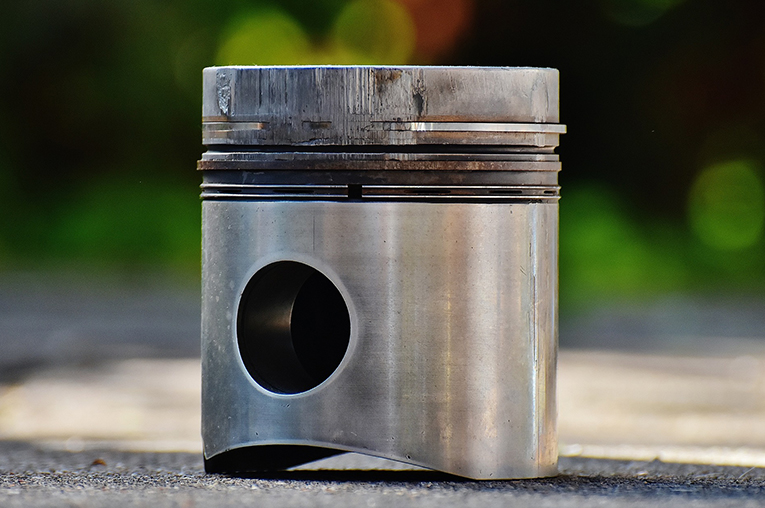
The piston ring plays a vital role in the engine’s health. It seals the combustion chamber and controls oil use. When piston rings fail, the engine suffers in many ways. The damage can grow worse over time. Understanding this impact helps in keeping the engine strong and lasting longer.
Long-term Damage Risks
Worn or broken piston rings lead to engine wear. The combustion gases leak past the rings. This causes loss of compression and power. Metal parts inside the engine wear faster. This wear causes scratches and damage to the cylinder walls. Over time, the engine parts weaken and break. The engine may need costly repairs or replacement.
Effect On Fuel Efficiency
Bad piston rings reduce engine efficiency. The engine burns more fuel to make the same power. Fuel mixes with oil, causing more pollution. The engine runs rough and loses power. Poor fuel economy means spending more money on gas. Fixing piston rings can improve fuel use and engine smoothness.
Potential For Complete Engine Breakdown
Severely damaged piston rings can cause total engine failure. The engine may lose all compression and stop running. Oil leaks can lead to engine overheating. Overheating causes serious damage to engine parts. Without quick repair, the engine can seize completely. Engine breakdown often means expensive replacement or rebuild.
Frequently Asked Questions
Can A Piston Ring Cause Engine Failure?
Yes, a damaged piston ring can cause engine failure. It leads to poor compression, oil leakage, and overheating, damaging the engine.
How Do Piston Rings Affect Engine Performance?
Piston rings seal the combustion chamber, control oil, and maintain compression. Worn rings reduce efficiency and cause power loss.
What Symptoms Indicate Piston Ring Failure?
Common symptoms include excessive smoke, loss of power, increased oil consumption, and rough idling, signaling piston ring issues.
Can Piston Ring Damage Be Repaired?
Yes, piston ring damage can be repaired by replacing the rings. Timely repair prevents further engine damage and costly repairs.
Conclusion
Piston rings play a key role in engine health. Worn or broken rings can cause serious engine problems. They lead to loss of compression and increased oil use. This can result in reduced power and engine failure. Regular checks help catch issues early.
Fixing piston rings on time saves costly repairs later. Keep your engine running smoothly by paying attention to piston ring condition. Small problems now prevent big failures later. Always maintain your engine for a longer life.