If you want your engine to run smoothly and last longer, understanding the role of thrust washers is key. These small but mighty components keep your engine’s moving parts aligned and reduce friction that can cause wear and tear.
Without the right thrust washers, you might face costly repairs and poor engine performance. You’ll discover how thrust washers work, why they matter to your engine’s health, and how choosing the right ones can make a real difference. Keep reading to unlock the secret to smoother rides and better engine reliability.

49% off Today's Exclusive Deals
Limited-time Exclusive Deals. Check current discount on Amazon.
Check Price on Amazon As an Amazon Associate I earn from qualifying purchases.Role Of Thrust Washers
Thrust washers play a vital role in engine performance. They control the axial movement of engine parts. This control helps keep engine components in the right position. Without thrust washers, parts could shift and cause damage. These small components reduce friction and wear between moving parts. Their presence ensures smooth engine operation and longer engine life.
Function In Engine Mechanics
Thrust washers sit between moving parts inside the engine. They limit forward and backward movement of the crankshaft. This limits axial play, which can damage engine parts. By absorbing side forces, thrust washers protect the crankshaft and bearings. They also help maintain the proper alignment of engine components. This alignment is key to smooth engine running and preventing noise or vibration.
Types Of Thrust Washers
Thrust washers come in various materials and designs. Common types include bronze, steel, and composite washers. Bronze washers offer good wear resistance and strength. Steel washers provide durability in high-load conditions. Composite washers reduce friction and need less lubrication. Some thrust washers are flat, while others have grooves. Grooved washers help with oil flow and cooling. Each type fits specific engine needs and conditions.
49% off Today's Exclusive Deals
Limited-time Exclusive Deals. Check current discount on Amazon.
Check Price on Amazon As an Amazon Associate I earn from qualifying purchases.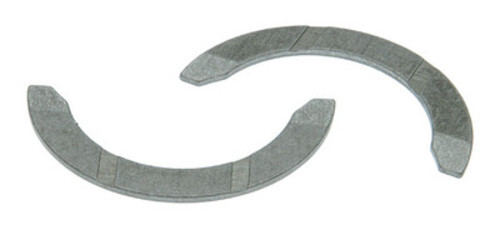
Materials And Design
Thrust washers play a key role in keeping an engine running smoothly. Their materials and design affect how well they perform. Choosing the right materials helps reduce wear and tear. The design ensures the washer fits perfectly and handles pressure effectively.
Common Materials Used
Thrust washers often use metals like steel and bronze. Steel is strong and resists heat well. Bronze offers good friction control and wears slowly. Some washers use composite materials to reduce weight. These materials also help absorb shocks inside the engine. Each material suits different engine types and conditions.
Impact Of Design On Performance
The shape and thickness of a thrust washer matter a lot. A well-designed washer spreads pressure evenly. This prevents damage to engine parts. Grooves or oil holes in the design help lubricate moving parts. Proper design also reduces noise and vibration. A good fit avoids slipping or misalignment. All these factors improve engine life and performance.
Signs Of Wear And Damage
Thrust washers play a vital role in engine performance. They help control axial movement and reduce friction between moving parts. Over time, these washers wear out or get damaged. Recognizing the signs of wear early can prevent major engine problems.
49% off Today's Exclusive Deals
Limited-time Exclusive Deals. Check current discount on Amazon.
Check Price on Amazon As an Amazon Associate I earn from qualifying purchases.Common Symptoms
Unusual noises from the engine can indicate thrust washer wear. A grinding or knocking sound often points to excessive clearance. Engine vibration may increase due to worn washers. Oil leaks around the crankshaft area also signal trouble. Reduced engine performance or power loss can happen as well.
Inspection Techniques
Visual inspection is the first step. Look for scratches, grooves, or discoloration on the washers. Use a feeler gauge to check the clearance between parts. Measure the washer thickness and compare it with specifications. Check the crankshaft for axial play using a dial indicator. Regular inspection helps catch damage early and maintain smooth engine operation.

Installation Best Practices
Installing thrust washers correctly is key for smooth engine performance. Proper installation prevents wear and keeps engine parts moving freely. Follow these best practices to ensure the washers fit perfectly and work well.
Preparation Steps
Clean the area where the thrust washer will sit. Dirt or oil can cause the washer to slip or wear out quickly. Check the engine parts for any damage or rough edges. Use a soft cloth to wipe the surfaces. Make sure to have the right size washer for your engine model. Gather all tools before starting the installation.
Proper Alignment Tips
Place the thrust washer carefully in its seat. Align it with the engine shaft or bearing it supports. Avoid forcing the washer into place to prevent damage. Check that the washer lies flat and does not tilt. Rotate the shaft slightly to confirm smooth movement. Proper alignment reduces friction and extends engine life.
Maintenance For Longevity
Thrust washers play a vital role in engine performance. Proper maintenance helps these parts last longer and work better. Careful attention to thrust washers can prevent engine damage and costly repairs. Simple maintenance steps keep the engine smooth and efficient.
Routine Checks
Regular inspections help find wear and tear early. Check thrust washers for cracks or uneven surfaces. Replace damaged washers before they cause problems. Look for signs of friction or heat marks. Early detection prevents engine failure and improves safety.
Lubrication Importance
Lubrication reduces friction between moving parts. Use the right oil or grease as recommended by the engine maker. Proper lubrication stops thrust washers from wearing out fast. Keep lubricant clean and change it on time. Well-lubricated washers support smooth engine operation and longer life.
Impact On Engine Efficiency
Thrust washers play a key role in engine efficiency. They support the engine parts that move side to side. This support reduces wear and tear on these parts. A smooth movement inside the engine means better fuel use and longer engine life.
Engines with well-maintained thrust washers run cooler. Cooler engines perform better and use less energy. This helps the engine deliver steady power and saves fuel over time.
Reducing Friction
Thrust washers lower friction between moving parts. Less friction means less energy lost as heat. This keeps the engine parts from wearing out quickly. Smooth surfaces on washers help parts glide easily. This reduces resistance inside the engine. Lower friction also means the engine runs quieter and smoother.
Enhancing Power Output
With less friction, the engine uses more power for driving. Thrust washers help keep the engine’s moving parts aligned. Proper alignment means better force transfer from the engine to the wheels. The engine can deliver more power without extra effort. This improves the overall performance of the vehicle.
Choosing Quality Thrust Washers
Choosing quality thrust washers is key for smooth engine performance. These small parts reduce friction and wear between moving engine components. Poor quality washers can cause noise, damage, and shorter engine life. Selecting the right washers ensures better durability and efficiency.
Focus on material strength, precision, and brand reputation. Quality washers fit perfectly and handle high pressure. This keeps the engine running quietly and smoothly.
Brand Comparisons
Different brands offer various thrust washers. Some use stronger materials like bronze or steel. Others may use cheaper metals that wear out fast. Trusted brands provide washers tested for durability and fit. They often follow strict manufacturing standards. Lesser-known brands might save money but risk poor performance. Choosing a reliable brand means fewer engine problems and longer service.
Cost Vs. Performance
Cheap washers may seem good for saving money. But they often wear out quickly and cause engine damage. High-quality washers cost more but last longer and protect parts better. Spending a bit more upfront reduces repair costs later. Good washers improve engine stability and reduce noise. Balance cost with performance to get real value for your engine.
Frequently Asked Questions
What Are Thrust Washers In An Engine?
Thrust washers are flat, disc-shaped components that control axial movement in engine parts. They prevent excessive wear and maintain proper alignment. By reducing friction between rotating parts, they ensure smooth engine performance and longevity.
How Do Thrust Washers Improve Engine Performance?
Thrust washers minimize friction and wear between moving engine parts. This reduces heat and mechanical stress, allowing the engine to run smoothly. Properly functioning thrust washers help maintain correct engine timing and alignment, boosting overall efficiency and durability.
When Should Thrust Washers Be Replaced?
Thrust washers should be replaced if there is excessive wear or damage. Signs include unusual engine noise, vibrations, or poor performance. Regular inspection during maintenance helps detect wear early, preventing costly engine repairs and ensuring optimal operation.
Can Faulty Thrust Washers Cause Engine Damage?
Yes, faulty thrust washers can cause severe engine damage. They may lead to misalignment and increased friction, resulting in overheating and part failure. Timely replacement is crucial to avoid costly repairs and maintain engine reliability.
Conclusion
Thrust washers keep your engine parts in the right place. They help reduce friction and wear between moving parts. This leads to smoother engine performance and longer engine life. Choosing good quality thrust washers matters a lot. Regular checks can prevent costly engine problems later.
Small parts, big impact. Keep your engine running quietly and efficiently with proper thrust washers.


