Have you ever noticed that engine oil sometimes looks red and wondered why? It’s a question many car owners ask but don’t always get a clear answer to.
Understanding why your engine oil changes color can help you spot potential problems early and keep your vehicle running smoothly. You’ll discover the reasons behind that red hue and what it means for your car’s health. Keep reading to learn what your engine oil is trying to tell you.

49% off Today's Exclusive Deals
Limited-time Exclusive Deals. Check current discount on Amazon.
Check Price on Amazon As an Amazon Associate I earn from qualifying purchases.
Common Engine Oil Colors
Engine oil comes in several colors. These colors tell you about the oil’s condition and performance. Understanding these colors helps you keep your engine healthy. Knowing what each color means can save you time and money on repairs.
Typical Oil Color Range
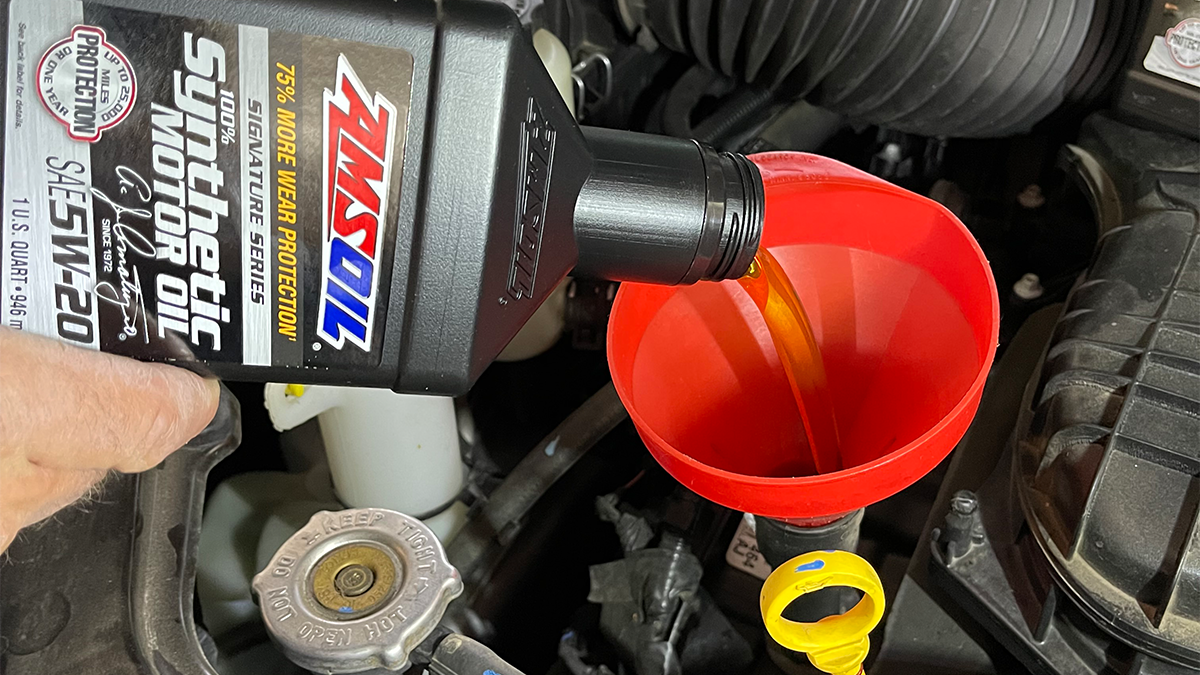
Fresh engine oil usually looks amber or golden brown. As the oil works, it darkens to a deep brown or black. This darkening happens because the oil collects dirt and engine deposits. Some oils may also have a red or green tint. These colors come from special additives or dye used by the manufacturer.
What Color Indicates Normal Oil
Normal engine oil starts clear and amber. After use, it turns darker but stays smooth and shiny. Dark brown or black oil is common in older oil but still good if it flows well. Red engine oil is less common but normal when additives are present. Avoid milky or frothy oil; it may mean water contamination. Watch for gritty or thick oil; it signals a need for an oil change.
49% off Today's Exclusive Deals
Limited-time Exclusive Deals. Check current discount on Amazon.
Check Price on Amazon As an Amazon Associate I earn from qualifying purchases.Reasons For Red Engine Oil
Red engine oil can surprise many car owners. Engine oil should usually be amber or brown, but red oil raises questions. Several reasons explain this unusual color. Understanding them helps in proper car care.
Red oil does not always mean a problem. Sometimes, it is due to additives or external fluids mixing with the oil. Knowing these causes can save time and money on repairs.
Additives And Dyes
Some engine oils contain red dyes to show freshness or quality. These dyes help manufacturers and mechanics identify the oil type quickly. The red color can also come from special additives that protect the engine parts. This coloring does not harm the engine.
Transmission Fluid Contamination
Transmission fluid is usually red. If it leaks into the engine oil, it will turn the oil red. This mixing can happen due to a bad gasket or seal. Transmission fluid in engine oil can reduce lubrication and cause damage. It is important to check and fix leaks fast.
49% off Today's Exclusive Deals
Limited-time Exclusive Deals. Check current discount on Amazon.
Check Price on Amazon As an Amazon Associate I earn from qualifying purchases.Coolant Leak Effects
Coolant leaking into the engine oil may change the oil’s color. Coolants have different colors, sometimes red or pink. A leak often means a cracked engine block or blown head gasket. Coolant in oil can cause engine overheating and serious problems. Inspect the engine if oil turns red unexpectedly.
Impact Of Red Oil On Engine Health
The color of engine oil can signal many things about its condition and the engine’s health. Red oil is not very common but can appear due to certain additives or contamination. Understanding the impact of red oil on your engine helps you keep it running smoothly. It also prevents serious damage that may cost a lot to fix.
Red oil might mean the oil is mixed with fuel, coolant, or other fluids. This can reduce the oil’s ability to protect engine parts. The engine may overheat or wear out faster. Checking red oil early can save you from bigger problems later.
Potential Risks
Red oil can cause engine parts to wear unevenly. It may lead to poor lubrication and increased friction. This causes overheating and damage to the engine components. The oil’s cleaning power also drops, letting dirt and debris build up. These particles can block oil passages and reduce engine efficiency. Oil contamination may cause the engine to lose power and increase fuel use. Ignoring red oil can result in engine failure or costly repairs.
When To Take Action
Notice red oil during an oil change or dipstick check. If red oil appears, do not delay inspection. Check for oil leaks or mixing with other fluids. Take the vehicle to a mechanic for a proper diagnosis. Change the oil and filter if contamination is confirmed. Regular oil checks help catch problems early. Acting fast can protect your engine and improve its lifespan.
How To Identify Oil Color Changes
Knowing how to spot changes in engine oil color helps keep your car healthy. Oil color shifts can show if the oil is clean or needs changing. Regular checks catch problems early and protect the engine.
Visual Inspection Tips
Check oil color by pulling out the dipstick. Wipe it clean, then dip it again to see the true color. Fresh oil looks amber or light brown. Dark brown or black oil means it is dirty. Red oil may indicate a special type or contamination. Look for milky or frothy oil, which signals water in the oil. Also, thick or gritty oil texture means it needs replacing.
Using Oil Test Kits
Oil test kits help check oil quality beyond color. They come with strips or small bottles for samples. Dip the strip into the oil or add a sample to the bottle. Wait for the reaction, which changes the strip’s color. This shows if oil has acids, metals, or dirt. Kits provide clear results for better oil care. Use test kits regularly to keep engine oil in good shape.
Preventing Red Oil Issues
Red engine oil often signals a problem in the vehicle’s system. Preventing red oil issues protects the engine and keeps it running smoothly. Taking simple steps can avoid costly repairs and maintain oil quality.
Understanding how to care for engine oil helps prevent contamination and damage. Clean, healthy oil improves engine life and performance. Focus on regular care and proper oil selection to stop red oil problems early.
Regular Maintenance Practices
Check the oil level frequently. Low oil can cause overheating and damage. Change the oil at the intervals recommended by the vehicle maker. Old oil loses its ability to protect the engine. Use a clean oil filter to keep impurities out. Inspect the engine for leaks or signs of burning oil. These steps keep oil clean and prevent red discoloration.
Choosing The Right Oil
Select oil that matches the vehicle’s specifications. Using wrong oil can cause chemical reactions, leading to red oil. Synthetic oils offer better protection against heat and wear. Avoid mixing different oil brands or types. Check the oil’s color and texture before buying. Correct oil supports engine health and avoids red oil issues.

Frequently Asked Questions
Why Does Engine Oil Appear Red Sometimes?
Engine oil looks red due to the addition of dyes for easy identification. Some manufacturers add red dye to distinguish synthetic or high-performance oils. The color also helps detect leaks quickly. However, natural engine oil is usually amber or brown.
Is Red Engine Oil A Special Type?
Yes, red engine oil often indicates synthetic or high-performance oil. These oils contain additives and dyes to enhance protection and longevity. The red color helps users differentiate it from conventional oils. Always check your vehicle manual before using colored oils.
Can Red Engine Oil Indicate Contamination?
Red engine oil usually does not mean contamination. It is often colored by design, not due to dirt or damage. However, if the oil changes color unexpectedly, it could signal coolant leaks or additives mixing. Regular oil checks help maintain engine health.
Does Red Engine Oil Affect Engine Performance?
The red color itself does not impact performance. What matters are the oil’s additives and quality. Red dyes are purely for visual identification. Using the correct oil type and grade ensures optimal engine protection and efficiency.
Conclusion
Red engine oil often catches attention due to its color. This color comes from special additives that protect the engine. These additives help clean, cool, and stop wear inside the engine. Red oil also shows when it is fresh and safe to use.
Knowing why engine oil looks red helps you care for your vehicle better. Always check your oil regularly to keep your engine healthy. Clean, good oil means your car runs smoothly and lasts longer. Simple care makes a big difference in engine life.


