Have you ever wondered what would happen if you put gasoline in a diesel engine? It’s a question that might cross your mind if you’re in a hurry or just curious about how engines work.
But before you try it, you need to know the facts. Can a diesel engine actually run on gasoline? What risks could you face? You’ll get clear answers and learn exactly why mixing these fuels is a big deal. Keep reading to protect your vehicle and avoid costly mistakes.

49% off Today's Exclusive Deals
Limited-time Exclusive Deals. Check current discount on Amazon.
Check Price on Amazon As an Amazon Associate I earn from qualifying purchases.Diesel Vs Gasoline Engines
Diesel and gasoline engines are common in vehicles worldwide. Both convert fuel into power but use different methods. Understanding their differences helps explain why diesel engines do not run well on gasoline.
Fuel Characteristics
Diesel fuel is thicker and has more energy per liter. Gasoline is lighter and evaporates quickly. Diesel ignites under high pressure without a spark. Gasoline needs a spark to start burning. These differences affect engine performance and fuel use.
Engine Design Differences
Diesel engines are built stronger to handle high pressure. They have heavier pistons and cylinders. Gasoline engines have lighter parts to run faster. Diesel engines usually run slower but produce more torque. Gasoline engines rev higher for speed.
49% off Today's Exclusive Deals
Limited-time Exclusive Deals. Check current discount on Amazon.
Check Price on Amazon As an Amazon Associate I earn from qualifying purchases.Combustion Processes
Diesel engines compress air until it is very hot. Fuel is then injected and ignites on contact. Gasoline engines mix fuel and air before compression. A spark plug lights the mixture at the right time. This leads to different combustion speeds and efficiency.
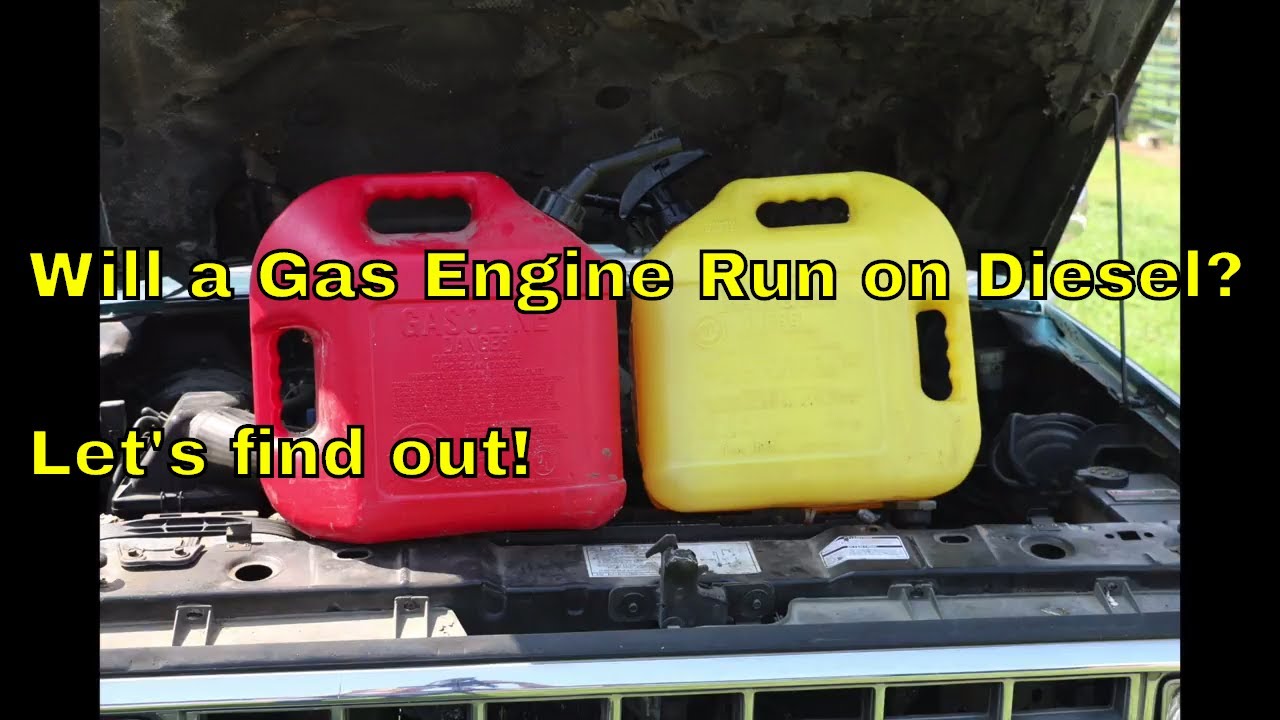
What Happens If Gasoline Enters Diesel Engine
Gasoline in a diesel engine causes serious problems. Diesel engines rely on fuel that ignites under high pressure. Gasoline behaves very differently. This mismatch can lead to engine trouble quickly. Understanding the effects helps in spotting the issue fast.
Immediate Engine Reactions
Gasoline lowers the diesel engine’s compression. This causes knocking and rough running. The engine may lose power or stall soon after. Smoke from the exhaust can become darker. Strange noises might also appear during operation. These signs mean gasoline is inside the engine.
Potential Damage To Components
Gasoline’s lower lubricating power harms engine parts. Pistons and cylinders can wear faster. Fuel injectors may fail or clog up. Over time, this leads to costly repairs. Ignoring gasoline contamination worsens the damage quickly. Early action can prevent major breakdowns.
49% off Today's Exclusive Deals
Limited-time Exclusive Deals. Check current discount on Amazon.
Check Price on Amazon As an Amazon Associate I earn from qualifying purchases.Impact On Fuel System
Gasoline affects the diesel fuel pump badly. It can cause overheating and internal damage. Fuel filters clog more often, reducing flow. The fuel lines may suffer corrosion or cracks. The system struggles to maintain proper pressure. Repairing the fuel system is expensive and complex.
Risks Of Running Diesel Engines On Gasoline
Running a diesel engine on gasoline poses serious risks. Diesel engines and gasoline engines work differently. Using gasoline in a diesel engine can cause damage fast. The engine is not built to handle gasoline’s properties. This leads to several problems that affect performance and engine life.
Engine Knock And Misfire
Gasoline ignites faster than diesel fuel. This difference causes engine knock in diesel engines. Knock sounds like knocking or pinging noises. It harms engine parts and reduces power. Misfires happen when fuel does not burn properly. This causes rough running and loss of control.
Lubrication Issues
Diesel fuel acts as a lubricant for engine parts. Gasoline does not provide enough lubrication. This lack causes metal parts to rub hard against each other. The result is faster wear and damage. Pumps and injectors may fail without proper lubrication.
Long-term Engine Wear
Using gasoline in a diesel engine causes slow damage over time. Engine parts wear out faster than normal. The fuel system can get clogged or corroded. Repairs will be costly and frequent. The engine’s lifespan shortens significantly with continued misuse.
Can Diesel Engines Operate On Gasoline At All
Diesel engines and gasoline engines work differently. Diesel engines use compression to ignite fuel. Gasoline engines use a spark. This difference makes running diesel engines on gasoline tricky. It’s a question many ask: Can diesel engines operate on gasoline at all? The answer is not simple. Let’s explore what happens if you try it.
Short-term Operation Possibility
Diesel engines might run on gasoline for a very short time. The engine may start and run briefly. Gasoline can burn, but not as diesel does. The engine will lose power quickly. It will run rough and may stall. Running for long is unlikely without damage.
Performance Limitations
Diesel engines need fuel that ignites under pressure. Gasoline does not ignite the same way. This causes poor combustion in a diesel engine. The engine will produce less power. Fuel efficiency drops a lot. You may hear knocking or unusual noises. The engine struggles to work properly.
Safety Concerns
Using gasoline in a diesel engine can be dangerous. Gasoline’s higher volatility can cause engine damage. The fuel system may get harmed. There is a risk of fire or explosion. The engine parts can wear out fast. It is unsafe to run diesel engines on gasoline.
Steps To Take If Gasoline Is Added To Diesel Engine
Adding gasoline to a diesel engine can cause serious problems. It damages parts and affects engine performance. Acting fast is key to reducing harm. Follow clear steps to handle this issue safely. Start by stopping the engine immediately to avoid further damage. Then, clean the fuel system thoroughly. Finally, get professional help to check and fix any damage.
Immediate Actions
Stop the engine as soon as you notice gasoline in the diesel tank. Do not try to start or run the engine. This prevents gasoline from circulating and causing damage. Remove the vehicle from active use to avoid further risks. Keep the engine off until the problem is fixed.
Fuel System Draining And Cleaning
Drain all the fuel from the tank carefully. Remove contaminated fuel completely to protect the engine. Clean fuel lines, filters, and injectors to remove gasoline residues. Use proper tools and follow safety steps during cleaning. This step helps avoid engine failure and costly repairs.
Professional Inspection And Repairs
Take the vehicle to a trusted mechanic for a full checkup. Technicians can spot hidden damage and fix it properly. They may replace damaged parts like fuel pumps or injectors. Professional repairs ensure the engine runs smoothly again. Early inspection reduces the risk of long-term damage.

Preventing Fuel Mix-ups
Preventing fuel mix-ups is key to keeping diesel engines safe and running well. Using the wrong fuel can cause costly damage and engine failure. Taking simple steps stops these mistakes before they happen. Clear practices and good habits protect your engine and wallet.
Fueling Best Practices
Always check the fuel type before filling your tank. Use the right pump labeled for diesel. Avoid rushing during refueling. Clean the area around the fuel cap to prevent dirt entry. Double-check the nozzle fits correctly before pumping fuel.
Labeling And Signage
Clear labels on fuel tanks help avoid confusion. Use bright stickers showing “Diesel Only” near the filler cap. Signs at fuel stations guide users to the correct pump. Labels should be easy to read and placed in visible spots. This small step reduces the risk of errors greatly.
Vehicle Owner Awareness
Know your vehicle’s fuel requirements well. Read the owner’s manual for fuel type information. Share this knowledge with anyone who may fuel your vehicle. Teach drivers to recognize diesel pumps and signs. Staying informed prevents costly mistakes and keeps engines healthy.
Real-life Cases And Lessons
Many drivers have faced the problem of putting gasoline in a diesel engine. Stories from real life show the effects and what can happen. These cases teach important lessons about engine care and vehicle maintenance.
Understanding real situations helps avoid costly mistakes and keeps engines running well.
Common Scenarios
Accidental fueling happens often at gas stations. Drivers may confuse pumps or rush during refueling. Rental cars and borrowed vehicles add to the risk. Sometimes, old vehicles do not have clear fuel labels. These errors cause the diesel engine to run poorly or stop working.
Cost Implications
Running a diesel engine on gasoline can cause serious damage. Repairs may include cleaning the fuel system or replacing parts. Costs can range from hundreds to thousands of dollars. Engine damage may lead to complete engine replacement. Early detection reduces repair bills significantly.
Preventive Measures
Always check the fuel type before refueling. Look for clear labels on fuel pumps and vehicle tanks. Use different colored caps for diesel and gasoline tanks. Educate all drivers about the difference between fuels. Keep emergency contact numbers for roadside assistance ready. These steps help prevent costly fuel mistakes.

Frequently Asked Questions
Can A Diesel Engine Run On Gasoline?
No, a diesel engine cannot run on gasoline. Diesel engines rely on compression ignition, which gasoline cannot provide. Using gasoline in a diesel engine causes severe damage and engine failure. Always use the correct fuel type to ensure engine safety and performance.
What Happens If Gasoline Is Put In A Diesel Engine?
Putting gasoline in a diesel engine causes poor lubrication and pre-ignition. This damages fuel pumps and injectors quickly. The engine may stall or fail to start. Immediate draining and cleaning are necessary to prevent costly repairs.
Why Is Diesel Fuel Different From Gasoline?
Diesel fuel has higher energy density and lubricates engine parts. It ignites under compression, unlike gasoline, which requires a spark. Diesel engines are designed for this fuel’s properties, making gasoline incompatible and harmful to their operation.
Can A Diesel Engine Start With Gasoline By Mistake?
A diesel engine might start briefly with gasoline but will soon stall. Gasoline’s low ignition temperature causes knocking and damage. Early detection and fuel system cleaning are essential to avoid permanent engine harm.
Conclusion
Diesel engines are not designed to run on gasoline safely. Gasoline can cause damage and reduce engine life. Using the right fuel helps your engine work well and last longer. Always check the fuel type before filling your tank. Avoid risks by sticking to recommended fuels.
This keeps your vehicle running smoothly and saves money on repairs. Understanding fuel differences keeps your engine healthy and reliable. Choose wisely to protect your diesel engine.


