Have you ever noticed your oil pressure light flickering on just as your engine heats up? It’s a warning you can’t ignore.
When that little light comes on, it’s your car’s way of telling you something isn’t right—and it could lead to serious engine damage if you don’t act fast. You’ll discover why this happens, what risks you face, and the simple steps you can take to protect your engine.
49% off Today's Exclusive Deals
Limited-time Exclusive Deals. Check current discount on Amazon.
Check Price on Amazon As an Amazon Associate I earn from qualifying purchases.Keep reading to learn exactly what your oil pressure light means and how to handle it before it’s too late.
Oil Pressure Light Basics
The oil pressure light is a small but important signal on your car’s dashboard. It tells you about the health of your engine’s oil system. Understanding this light helps you keep the engine safe and avoid costly repairs.
This section explains the basics of the oil pressure light. It shows what the light means and what normal oil pressure looks like.
49% off Today's Exclusive Deals
Limited-time Exclusive Deals. Check current discount on Amazon.
Check Price on Amazon As an Amazon Associate I earn from qualifying purchases.What The Light Means
The oil pressure light turns on when oil pressure drops below a safe level. Oil pressure is needed to push oil through the engine parts. This oil lubricates and cools the engine. Low pressure can mean less oil flow. Without enough oil, the engine parts may wear out fast or get damaged.
The light can come on due to low oil level, a bad oil pump, or a faulty sensor. Sometimes, it lights up if the engine is very hot. This warns you to check the oil system soon.
Normal Oil Pressure Range
Normal oil pressure varies by car type and engine size. Usually, it ranges between 20 and 60 psi while running. When the engine is hot, oil pressure tends to drop slightly but should stay above 20 psi.
Pressure below this range signals a problem. Low oil pressure means less lubrication. High pressure can also cause damage by stressing seals and hoses. Watching this range helps catch problems early.
49% off Today's Exclusive Deals
Limited-time Exclusive Deals. Check current discount on Amazon.
Check Price on Amazon As an Amazon Associate I earn from qualifying purchases.Common Causes When Engine Is Hot
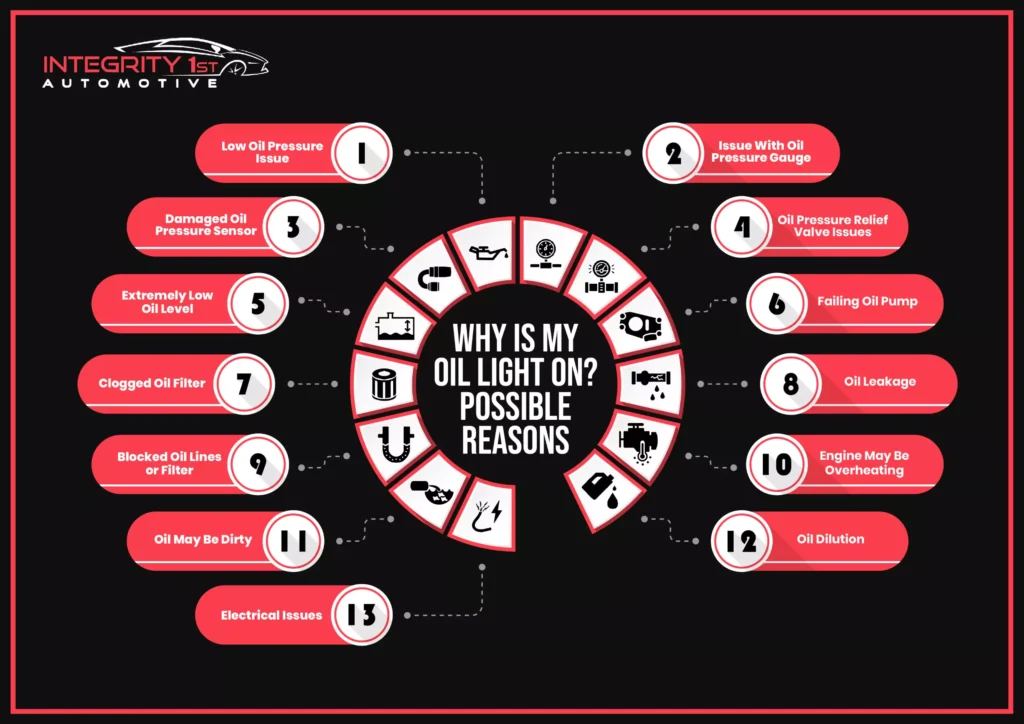
The oil pressure light turning on when the engine is hot can signal several issues. This warning should not be ignored. It often means the engine is not getting enough oil pressure. Low pressure can cause serious damage quickly. Understanding common causes helps prevent costly repairs.
Low Oil Level
Low oil level is a frequent cause of oil pressure light. Heat makes the engine use more oil. Oil can leak or burn off. Without enough oil, pressure drops. Check the oil level regularly to avoid this problem.
Worn Engine Bearings
Engine bearings wear out over time. They support moving parts inside the engine. When worn, they create larger gaps. Oil pressure falls because oil flows too freely. Hot engines worsen this effect. Worn bearings need professional repair.
Faulty Oil Pressure Sensor
The oil pressure sensor monitors pressure and alerts the driver. A faulty sensor may send false signals. Heat can affect the sensor’s performance. This causes the oil pressure light to come on incorrectly. Sensor testing or replacement may be needed.
Oil Pump Issues
The oil pump moves oil through the engine. A failing pump cannot maintain proper pressure. Heat can worsen pump wear. If the pump is weak or broken, pressure drops. Repairing or replacing the pump fixes this problem.
Thick Or Degraded Oil
Oil thickens or breaks down when old or dirty. Thick oil flows slower, lowering pressure. High engine temperature speeds up oil degradation. Using the right oil type and changing it often keeps pressure steady.
Diagnosing The Problem
The oil pressure light coming on when the engine is hot signals a possible issue. Diagnosing the problem quickly prevents engine damage. Start by checking simple things first. Then move to testing sensors and parts. Step-by-step checks help find the cause.
Checking Oil Level And Quality
Low oil level often causes the oil pressure light to come on. Use the dipstick to check the oil level. Add oil if it is below the minimum mark. Look at the oil color and texture. Dark or gritty oil means it needs changing. Clean oil helps the engine run smoothly.
Testing Oil Pressure Sensor
The oil pressure sensor sends signals to the dashboard light. A faulty sensor may give false warnings. Use a multimeter to check the sensor’s electrical resistance. Replace the sensor if readings are outside the normal range. This step avoids replacing costly engine parts unnecessarily.
Measuring Actual Oil Pressure
Use a mechanical oil pressure gauge to get a real reading. Connect the gauge to the engine’s oil pressure port. Run the engine until it reaches normal temperature. Compare the reading to the manufacturer’s specs. Low pressure points to a real oil flow problem.
Inspecting Oil Pump Performance
The oil pump moves oil through the engine. A worn or damaged pump lowers oil pressure. Inspect the pump for signs of wear or damage. Listen for unusual noises while the engine runs. Replace the pump if it fails to maintain proper pressure. Proper pump function is critical for engine health.
Effective Fixes And Repairs
The oil pressure light turning on when the engine is hot signals a serious issue. Fixing this problem quickly protects the engine from damage. The following repairs help restore proper oil pressure and keep the engine running smoothly.
Topping Up Or Changing Oil
Low oil levels cause the oil pressure light to turn on. Check the oil level using the dipstick. Add the correct type of oil if it is low. Old or dirty oil loses its ability to lubricate. Change the oil and oil filter regularly to keep the engine healthy.
Replacing The Oil Pressure Sensor
The oil pressure sensor tells the dashboard about oil pressure. A faulty sensor can send wrong signals and light up the warning. Replace the sensor if it is damaged or giving false readings. This fix is simple and often solves the problem quickly.
Repairing Or Replacing Oil Pump
The oil pump moves oil through the engine. A broken or worn pump lowers oil pressure. Repair the pump if possible, or replace it if damaged. This repair requires professional help but is key to fixing low oil pressure issues.
Addressing Engine Wear
Old engines may have worn parts that cause oil pressure loss. Worn bearings or seals reduce oil flow and pressure. Repair or replace these parts to restore proper oil pressure. Regular engine maintenance helps prevent severe wear problems.
Preventive Maintenance Tips
Preventive maintenance helps keep your engine healthy and avoids oil pressure problems. Simple steps can stop the oil pressure light from turning on when the engine is hot. These tips save you from costly repairs and extend your engine’s life.
Regular Oil Changes
Change your engine oil at the right time. Old oil loses its ability to lubricate parts. This can cause low oil pressure and damage. Follow your car manual’s schedule for oil changes. Fresh oil keeps your engine running smoothly and cool.
Using The Right Oil Grade
Use the oil grade recommended by your car maker. The wrong oil can cause oil pressure issues. Thicker or thinner oil affects engine performance. Check your owner’s manual or ask a mechanic. The right oil grade protects your engine under heat.
Routine Engine Inspections
Check your engine regularly for leaks or worn parts. Inspect oil filters, seals, and pressure sensors. Catch problems early before the oil pressure light comes on. Simple inspections help maintain steady oil pressure. Schedule a mechanic visit to keep your engine safe.

When To Seek Professional Help
Knowing when to seek professional help is crucial if the oil pressure light comes on while the engine is hot. Ignoring this warning can lead to severe engine damage. Some signs clearly show the need for expert attention. Acting fast can save money and avoid breakdowns.
Persistent Oil Pressure Warnings
The oil pressure light should not stay on for long. If it stays on or keeps flashing, the problem is serious. This means the oil is not circulating properly. Driving with low oil pressure can harm engine parts. A mechanic can diagnose and fix the issue quickly.
Unusual Engine Noises
Strange sounds like knocking or ticking from the engine are warning signs. Low oil pressure can cause these noises. They happen because engine parts do not get enough lubrication. These sounds need immediate attention to prevent engine failure.
Visible Oil Leaks
Oil spots under the car show a leak. Leaks lower oil levels and reduce pressure. Oil leaks can cause the light to come on. Check under the car for fresh oil. A professional can find the leak’s source and repair it properly.

Frequently Asked Questions
Why Does Oil Pressure Light Come On When Hot?
The oil pressure light signals low oil pressure when the engine heats up. It can indicate oil thinning, leaks, or a failing oil pump. Prompt inspection prevents engine damage.
Can Low Oil Cause Pressure Light To Activate?
Yes, low oil levels reduce pressure, triggering the warning light. Check and top off oil regularly to maintain proper pressure and avoid engine issues.
Is Engine Overheating Related To Oil Pressure Light?
Overheating can lower oil viscosity, causing the pressure light to turn on. Ensure cooling systems work well and oil is at the correct level.
How To Fix Oil Pressure Light When Engine Is Hot?
Check oil level, quality, and change if dirty. Inspect oil pump and pressure sensor. Seek professional help if the problem persists to avoid engine damage.
Conclusion
The oil pressure light signals a serious engine issue. Hot engines can cause low oil pressure. Check oil levels and quality often. Ignoring the light may lead to engine damage. Visit a mechanic quickly for safety. Regular car care helps avoid such problems.
Stay alert and keep your engine healthy.