Have you ever wondered why a diesel engine, known for its strength and reliability, might suddenly catch fire? It’s a serious problem that can happen unexpectedly and put you and your vehicle at risk.
Understanding what causes a diesel engine to catch fire can help you prevent dangerous situations and keep your engine running safely. You’ll discover the common reasons behind diesel engine fires and learn simple steps to protect your engine—and yourself—from harm.

49% off Today's Exclusive Deals
Limited-time Exclusive Deals. Check current discount on Amazon.
Check Price on Amazon As an Amazon Associate I earn from qualifying purchases.Keep reading to stay safe and confident on the road.
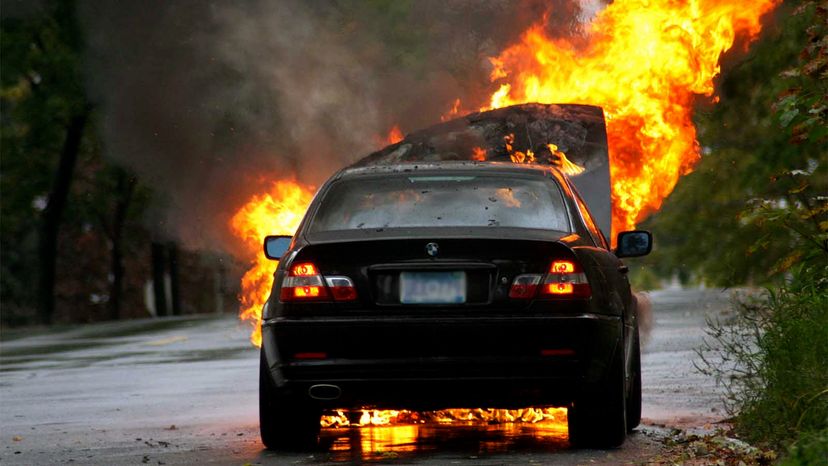
Common Fire Triggers
Diesel engines can catch fire due to several common triggers. These triggers create conditions where fuel or hot parts ignite. Understanding these causes helps prevent accidents and damage.
Fuel Leaks
Fuel leaks are a major cause of diesel engine fires. Diesel fuel is flammable and leaks can reach hot engine parts. Even small leaks can lead to dangerous fires. Regularly check fuel lines and connections. Fix any leaks immediately to avoid fire risks.
49% off Today's Exclusive Deals
Limited-time Exclusive Deals. Check current discount on Amazon.
Check Price on Amazon As an Amazon Associate I earn from qualifying purchases.Electrical Faults
Electrical faults often start fires in diesel engines. Worn wires or loose connections can spark. Sparks near fuel or oil cause flames. Inspect electrical systems for damage or corrosion. Replace faulty parts quickly to maintain safety.
Overheating Components
Overheating engine parts can ignite nearby fuel or oil. Common hot spots include the turbocharger and exhaust. Poor cooling or blocked airflow causes overheating. Keep engine components clean and well-maintained. Monitor temperature gauges to detect overheating early.
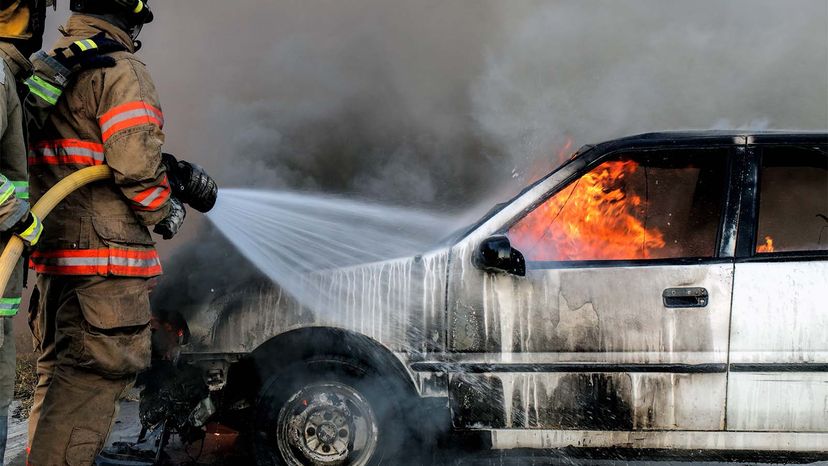
Fuel System Issues
Fuel system issues are a common cause of diesel engine fires. The fuel system moves diesel from the tank to the engine. Any problem here can lead to leaks or sparks. These sparks can ignite the diesel fuel. Understanding key fuel system problems helps prevent fires.
Damaged Fuel Lines
Fuel lines carry diesel under pressure. Over time, they can crack or wear out. Damaged lines may leak fuel onto hot engine parts. Leaking diesel is highly flammable and dangerous. Regular inspection and replacement of fuel lines reduce fire risk.
49% off Today's Exclusive Deals
Limited-time Exclusive Deals. Check current discount on Amazon.
Check Price on Amazon As an Amazon Associate I earn from qualifying purchases.Faulty Injectors
Injectors spray fuel into the engine cylinders. Faulty injectors may leak or spray unevenly. Leaked fuel can drip on hot surfaces. This creates fire hazards inside the engine compartment. Proper injector maintenance and timely repairs keep engines safe.
Improper Fuel Storage
Diesel must be stored correctly to remain safe. Storing fuel near heat sources increases fire chances. Contaminated or old fuel can clog the system. This may cause leaks or engine problems. Use approved containers and cool, dry places for storage.
Electrical System Hazards
The electrical system in a diesel engine plays a crucial role in starting and running the vehicle. Faults in this system can lead to serious hazards. Electrical problems often cause fires due to sparks and overheating. Understanding these risks helps prevent dangerous situations.
Short Circuits
Short circuits happen when wires touch each other or metal parts. This causes a sudden flow of electricity. The heat from this flow can ignite nearby materials. Short circuits often result from damaged insulation or loose connections. Regular checks can identify and fix these problems early.
Worn Wiring
Worn wiring occurs due to age, heat, or vibration. Exposed wires can create sparks or overheat. These sparks can ignite fuel or oil around the engine. Damaged wiring also causes electrical failures, increasing fire risk. Inspect wires often and replace any damaged ones.
Battery Problems
Batteries store electrical power but can also cause fires. Overcharged or leaking batteries produce heat and dangerous gases. Faulty battery terminals may spark and start fires. Keep batteries clean, secure, and check for damage regularly. Proper battery care lowers fire risks significantly.
Engine Overheating Causes
Engine overheating is a common cause of diesel engine fires. It happens when the engine gets too hot and cannot cool down. Heat builds up and damages parts. This damage can lead to sparks or fuel leaks. Both can start a fire quickly. Understanding the causes of overheating helps prevent engine fires and keeps your diesel engine safe.
Cooling System Failures
The cooling system stops the engine from getting too hot. It uses coolant to absorb heat and carry it away. If the system fails, heat stays inside the engine. Common failures include leaks, broken water pumps, or damaged hoses. Without proper cooling, the engine temperature rises fast. This can cause parts to melt or crack, increasing fire risk.
Blocked Radiators
Radiators release heat from the coolant to the air. Dirt, leaves, or debris can block the radiator’s fins. Blockages stop air from flowing freely. This reduces the radiator’s ability to cool the engine. Over time, heat builds up inside the engine. A blocked radiator is a silent but dangerous cause of overheating.
Thermostat Malfunctions
The thermostat controls when coolant flows through the engine. It opens to let coolant cool the engine and closes to warm it up. If the thermostat sticks closed, coolant cannot flow. The engine heats up very fast. A faulty thermostat often causes sudden and severe overheating. This failure needs quick attention to avoid fire hazards.
Maintenance Mistakes
Maintenance mistakes often cause diesel engines to catch fire. Poor care allows small problems to grow. These problems can turn dangerous quickly. Understanding common errors helps prevent fire risks. Regular and proper maintenance is key to safe engine operation.
Neglected Inspections
Skipping regular engine inspections is risky. Small leaks or worn parts may go unnoticed. Fuel or oil leaks can ignite easily. Checking the engine often catches issues early. Early fixes stop fires before they start.
Using Wrong Fluids
Using incorrect fluids harms the engine. Wrong oil or fuel can cause overheating. Overheated parts may spark or catch fire. Always use fluids recommended by the manufacturer. Correct fluids keep the engine cool and safe.
Ignoring Warning Signs
Warning lights and unusual smells are important. They signal possible engine trouble. Ignoring these signs can lead to fire. Take all warnings seriously and act fast. Quick response prevents small problems from worsening.
Environmental Factors
Environmental factors play a big role in causing diesel engines to catch fire. Certain conditions around the engine can increase the risk. Knowing these can help prevent dangerous situations.
Extreme Temperatures
Very hot weather can heat diesel fuel and engine parts. Overheated parts can ignite fuel vapors. Cold temperatures can cause fuel to thicken, leading to engine problems. These problems can create sparks that start fires.
Flammable Surroundings
Diesel engines near dry grass, leaves, or other flammable materials face higher fire risks. Sparks from the engine can easily ignite these materials. Keeping the area clean reduces the chance of fire.
Poor Ventilation
Engines need good airflow to stay cool. Poor ventilation traps heat and fuel vapors. This trapped heat can cause parts to overheat and catch fire. Always ensure proper airflow around the engine.
Preventive Measures
Preventing diesel engine fires starts with careful attention and routine care. Taking small steps can reduce risks significantly. Focus on actions that keep your engine and surroundings safe. This section highlights key measures to keep fire hazards away.
Regular Maintenance
Check the engine often for leaks or cracks. Replace old or damaged fuel lines immediately. Clean the engine area to remove oil and grease. Inspect electrical connections to avoid sparks. Change filters and fluids as recommended by the manufacturer. A well-maintained engine runs cooler and safer.
Proper Storage
Store diesel fuel in approved containers. Keep fuel away from heat sources and open flames. Ensure storage areas are dry and ventilated. Avoid storing large amounts of fuel near the engine. Use spill containment to prevent leaks from spreading. Proper storage lowers fire risks drastically.
Fire Safety Equipment
Install fire extinguishers near the engine and fuel storage. Use extinguishers rated for fuel fires, like Class B. Keep a fire blanket handy for quick response. Train all users on how to use safety equipment. Regularly check extinguishers for pressure and condition. Fire safety tools save lives and property.

Frequently Asked Questions
What Are Common Causes Of Diesel Engine Fires?
Diesel engine fires often result from fuel leaks, electrical faults, and overheating. Poor maintenance and faulty wiring increase fire risk. Leaked diesel can ignite when it contacts hot engine parts. Regular inspections reduce these hazards effectively.
How Does Fuel Leakage Lead To Engine Fires?
Fuel leaks create flammable vapor near hot surfaces. When diesel contacts exhaust manifolds or turbochargers, it can ignite. Leaks often stem from damaged fuel lines or loose fittings. Prompt leak repair is crucial to prevent fire outbreaks.
Can Overheating Cause A Diesel Engine To Catch Fire?
Yes, overheating can ignite diesel fuel or engine oil. Excessive heat weakens seals, causing leaks and fires. Overheating often results from coolant failure or blocked radiators. Maintaining cooling systems lowers overheating risks significantly.
Why Is Electrical Malfunction A Fire Risk In Diesel Engines?
Electrical shorts generate sparks that ignite diesel vapors or oil. Faulty wiring, damaged insulation, or corroded connectors increase fire chances. Regular electrical system checks and repairs are essential to avoid engine fires.
Conclusion
Diesel engine fires happen due to leaks, overheating, or electrical faults. Poor maintenance raises the risk significantly. Fuel spills near hot parts can ignite flames quickly. Checking your engine regularly helps keep it safe. Fixing small problems early prevents big fires later.
Stay alert to strange smells or smoke. Knowing what causes fires can protect your vehicle and life. Simple care reduces danger and keeps your engine running well. Always act fast if you notice any warning signs. Safety matters most with diesel engines.