You’ve just changed your engine oil, and now you’re left wondering what to do with the old, used oil. Throwing it in the trash or pouring it down the drain might seem easy, but it can cause serious harm to the environment and your community.
Knowing how to dispose of engine oil responsibly protects your health, keeps your neighborhood clean, and even helps prevent costly fines. You’ll discover simple, practical steps to get rid of your used engine oil safely and smartly. Keep reading to learn how your small actions can make a big difference.

49% off Today's Exclusive Deals
Limited-time Exclusive Deals. Check current discount on Amazon.
Check Price on Amazon As an Amazon Associate I earn from qualifying purchases.Why Proper Disposal Matters
Proper disposal of engine oil is very important. Used oil contains harmful substances. These can damage nature and living beings. Knowing why disposal matters helps protect our world.
Environmental Impact Of Engine Oil
Engine oil can pollute soil and water. Just one gallon can contaminate millions of gallons of water. Oil spills harm plants and animals. It stops sunlight from reaching underwater life. This destroys ecosystems and reduces biodiversity.
Oil also seeps into the ground. It pollutes drinking water sources. This makes water unsafe for people and animals. Proper disposal prevents these serious problems.
49% off Today's Exclusive Deals
Limited-time Exclusive Deals. Check current discount on Amazon.
Check Price on Amazon As an Amazon Associate I earn from qualifying purchases.Health Risks From Improper Disposal
Used engine oil has toxic chemicals. These can cause skin problems and allergies. Breathing fumes can harm lungs. Long-term contact may increase cancer risk.
Oil dumped in open places attracts pests. These pests spread diseases. Contaminated water and soil also harm people’s health. Safe disposal reduces these risks and keeps communities safe.
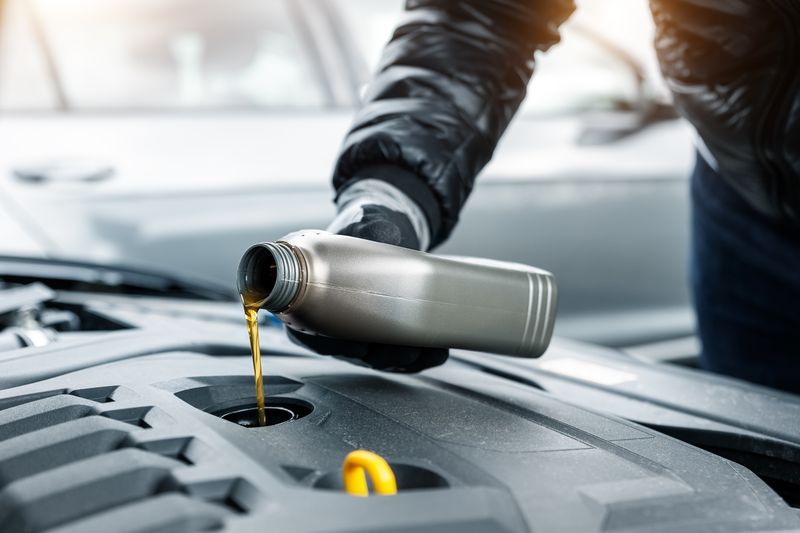
Safe Storage Of Used Engine Oil
Storing used engine oil safely is important for the environment and your home. Proper storage keeps oil from leaking and harming soil or water. It also helps you handle the oil more easily when it is time to dispose of it. Follow simple steps to store used engine oil correctly and avoid problems.
Choosing The Right Container
Use containers made of strong plastic or metal that won’t break or rust. Pick containers with tight-fitting lids to keep oil sealed inside. Avoid using old milk jugs or thin plastic bags. Label the container clearly as “Used Engine Oil” to prevent confusion. Choose containers that are easy to carry to recycling centers.
49% off Today's Exclusive Deals
Limited-time Exclusive Deals. Check current discount on Amazon.
Check Price on Amazon As an Amazon Associate I earn from qualifying purchases.Preventing Leaks And Spills
Keep the container upright and on a flat surface to avoid spills. Store it in a cool, dry place away from heat or sunlight. Check the container regularly for cracks or damage. Use a funnel when pouring oil to reduce spills. Clean any spills immediately with absorbent materials like rags or cat litter.
Recycling Options For Engine Oil
Recycling engine oil helps protect the environment. It prevents water and soil pollution. Used oil can be cleaned and reused. This saves natural resources and energy. Many places accept used engine oil for recycling. Knowing where to take your oil is important.
Local Recycling Centers
Many towns have local recycling centers. These centers accept used engine oil. They keep oil from harming nature. Some centers have special containers for oil. Drop off your oil safely at these locations. Call ahead to check hours and rules. Recycling centers often take oil filters too.
Auto Shops And Service Stations
Auto shops often accept used engine oil. Service stations may also take your oil. These places recycle oil properly. Some offer free oil drop-off services. Ask the staff about their recycling program. They usually have containers for used oil. This is an easy way to recycle oil near you.

Eco-friendly Disposal Methods
Disposing of engine oil responsibly protects the environment and conserves resources. Eco-friendly methods reduce pollution and keep harmful chemicals out of soil and water. These options help you recycle or reuse oil safely and effectively.
Using Engine Oil In Waste Oil Heaters
Waste oil heaters burn used engine oil for heat. This method recycles oil while providing energy for homes or workshops. The process lowers the need for new fuel and cuts waste. Only clean, filtered oil should be used to avoid damage. These heaters must meet safety and environmental rules. Using engine oil this way supports a cleaner, greener lifestyle.
Community Collection Events
Many towns hold collection events for used engine oil. Residents bring their oil for safe disposal and recycling. These events prevent illegal dumping and protect local water sources. Staff handle the oil with care and send it to recycling centers. Check your local community calendar for collection dates. Participating in these events helps keep your neighborhood clean.
Avoiding Common Disposal Mistakes
Disposing of engine oil properly is very important for the environment. Many people make simple mistakes that cause pollution. These mistakes can harm water, soil, and animals. Knowing what to avoid helps keep the earth clean and safe.
Follow these tips to avoid common disposal errors. They protect nature and help you follow the law.
Never Pouring Oil Down Drains Or Soil
Pouring oil down drains or on soil damages plants and wildlife. Oil can seep into groundwater and pollute drinking water. It also clogs pipes and causes costly repairs. Always keep used oil away from sinks, toilets, and the ground.
Store used oil in a clean container until you find a recycling center. This small step prevents large environmental problems.
Avoiding Mixing Oil With Other Substances
Mixing engine oil with water, paint, or chemicals makes recycling impossible. Contaminated oil becomes hazardous waste and costs more to process. Keep oil pure by using clean containers and no mixing.
Separate engine oil from other fluids like antifreeze or brake fluid. This helps recycling centers handle the waste safely and efficiently.

Tips For Reducing Engine Oil Waste
Reducing engine oil waste helps protect the environment and saves money. Small changes in how you care for your vehicle can make a big difference. Simple steps can stretch the life of your engine oil and reduce waste.
Regular Maintenance To Extend Oil Life
Check your engine oil level often. Running low oil can damage the engine and cause leaks. Change the oil and filter on time. Old oil loses its ability to protect the engine well. Follow the car maker’s recommended service schedule. Clean filters help keep oil cleaner longer. Proper maintenance keeps your engine running smoothly and reduces waste.
Choosing Synthetic Oils
Synthetic oils last longer than regular oils. They resist breaking down under heat and pressure. Using synthetic oil means fewer oil changes are needed. This reduces the total amount of oil you use. Synthetic oils also improve engine protection and fuel efficiency. Pick the right synthetic oil grade for your vehicle. This choice lowers oil waste and helps your engine stay healthy.
Frequently Asked Questions
How Do I Dispose Of Used Engine Oil Safely?
To dispose of used engine oil safely, collect it in a clean, sealed container. Take it to a local recycling center or auto shop that accepts used oil. Never pour it down drains, on soil, or in trash to prevent environmental damage.
Where Can I Recycle My Old Engine Oil Nearby?
You can recycle old engine oil at auto repair shops, service stations, or hazardous waste collection sites. Many communities offer free oil recycling programs. Check local government websites for nearby locations and drop-off guidelines to ensure proper disposal.
Why Is Proper Engine Oil Disposal Important?
Proper engine oil disposal prevents soil and water contamination. Used oil contains harmful chemicals that can damage ecosystems and human health. Recycling used oil conserves resources by allowing it to be refined into new lubricants or fuel, reducing environmental impact.
Can I Mix Engine Oil With Other Automotive Fluids?
No, avoid mixing engine oil with other automotive fluids like antifreeze or brake fluid. Mixing contaminants complicates recycling and disposal. Keep used oil separate to ensure it can be safely recycled or processed without environmental harm.
Conclusion
Properly disposing of engine oil protects the environment. It stops soil and water pollution. Many local centers accept used oil for recycling. Always store oil in a sealed container before dropping it off. Never pour oil down drains or on the ground.
Taking these small steps helps keep communities clean and safe. Responsible disposal is easy and important for everyone. Protect nature and follow local rules for oil disposal. Your actions make a difference. Clean habits lead to a healthier planet.


