Have you noticed a slick spot under your car or a drop in your engine oil level? You might be dealing with an engine oil leak.
Now, you’re probably wondering: Is it safe to drive with an engine oil leak? This question matters because your engine relies on oil to stay cool and run smoothly. Ignoring a leak could lead to serious damage or even leave you stranded.
You’ll discover the risks involved and learn how to handle an oil leak before it turns into a costly problem. Keep reading to protect your car and your peace of mind.
Signs Of Engine Oil Leak
Noticing signs of an engine oil leak is important for your car’s health. Small leaks can turn into big problems fast. Early detection helps avoid costly repairs and keeps your car running smoothly.
Recognizing these signs is simple. Watch for changes in your car’s look, smell, and performance. These clues tell you if oil is escaping the engine.
Common Leak Sources
Oil leaks often start at worn gaskets or seals. The oil pan gasket is a usual spot. Valve cover gaskets may also fail over time. Oil filter and drain plug areas can leak too. Cracks in the engine block or oil cooler lines cause leaks as well.
Visual Indicators
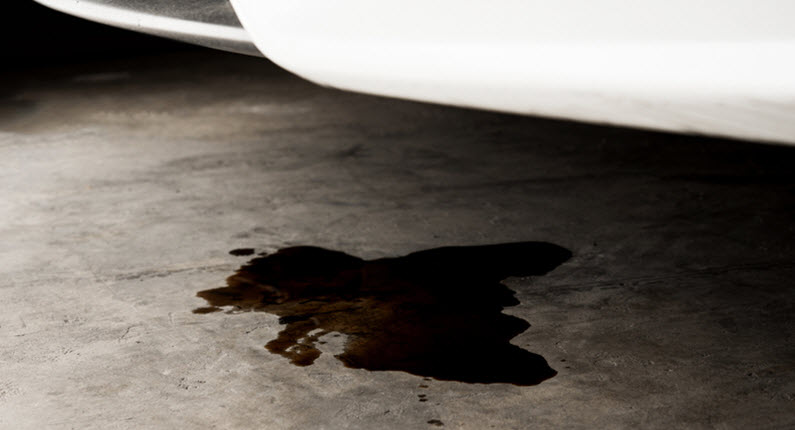
Look under your car for dark oil spots on the ground. Fresh oil is shiny and thick. Old oil stains turn dull and dry. Check the engine bay for wet, oily patches. Oil on engine parts or hoses is a clear sign. Low oil levels on the dipstick also hint at a leak.
Smell And Smoke Clues
A burning oil smell while driving is a warning. Oil dripping on hot engine parts creates smoke. This smoke often smells sharp and unpleasant. White or blue smoke from the exhaust may link to oil issues. These clues mean the leak needs quick attention.

Risks Of Driving With Oil Leak
Driving with an engine oil leak can cause serious problems. Oil is essential for engine health and smooth function. Losing oil means less lubrication. This can harm your car in many ways. Understanding the risks helps you act fast and avoid costly damage.
Engine Damage
Oil lubricates engine parts to prevent friction. Without enough oil, parts rub together and wear out. This can cause overheating and engine failure. Small leaks can quickly turn into big problems. Engine repair or replacement costs a lot. Avoid driving long distances with an oil leak.
Fire Hazards
Leaking oil can drip onto hot engine parts. This can start a fire under the hood. Oil fires spread fast and cause damage. Fire risks increase with large or fast leaks. Always check for oil leaks to keep your car safe.
Environmental Impact
Oil leaks pollute roads and soil. Oil mixes with rain and enters water systems. This harms plants, animals, and fish. Cleaning oil spills is expensive and time-consuming. Fix oil leaks quickly to protect the environment.
Checking Oil Levels Regularly
Checking oil levels regularly is vital if your car has an engine oil leak. It helps you avoid engine damage and keeps your vehicle running smoothly. Low oil levels reduce lubrication, leading to increased friction and overheating. This can cause serious engine problems and costly repairs. Monitoring oil lets you act quickly before the leak worsens. It also gives you peace of mind while driving.
How To Check Oil
Park your car on a flat surface and turn off the engine. Wait a few minutes for the oil to settle. Find the dipstick, usually marked with a bright handle. Pull it out, wipe it clean with a cloth, and reinsert it fully. Pull it out again and check the oil level. The oil should be between the minimum and maximum marks. Also, look at the oil’s color and texture. Clean oil is amber and smooth. Dark or gritty oil means it needs changing.
When To Top Up
Top up the oil if the level is below the minimum mark. Low oil can cause engine damage quickly. Add small amounts of oil and recheck the level each time. Avoid overfilling as it can also harm the engine. Top up more often if you notice frequent drops in oil level. This signals a serious leak that needs professional repair. Keep an eye on oil consumption to avoid emergencies.
Choosing The Right Oil
Use the oil grade recommended in your car’s manual. Different engines require different oil types and weights. Using the wrong oil can reduce engine performance and cause damage. Synthetic oil lasts longer but can be more expensive. Conventional oil is cheaper but may need more frequent changes. Choose oil that suits your driving conditions and climate. Always pick quality oil to protect your engine better.
Immediate Actions For Oil Leaks
Finding an engine oil leak can be worrying. Acting quickly helps protect your car from serious harm. Knowing the right steps to take keeps your vehicle safer and prevents costly repairs. Immediate actions focus on stopping the leak, knowing when to get help, and avoiding damage.
Stopping The Leak Temporarily
Turn off the engine right away to prevent more oil loss. Use an oil leak repair kit if you have one. These kits can seal small cracks and holes temporarily. Keep a container ready to catch dripping oil. Avoid driving the car long distances until the leak stops.
When To Seek Professional Help
Call a mechanic if oil leaks heavily or keeps coming back. Leaks from the oil pan, valve cover, or oil filter need expert checks. Watch for warning lights on the dashboard. Strange engine sounds or smoke mean urgent repair. Professionals can find the leak’s exact source and fix it properly.
Avoiding Further Damage
Do not drive far with low oil levels. Check oil levels often during the leak. Use the right oil type to refill if needed. Avoid hard acceleration or high speeds. Park on a flat surface to prevent oil pooling under the engine. Regular checks prevent damage to engine parts.
Preventive Maintenance Tips
Preventive maintenance is key to avoiding engine oil leaks. It helps keep your car safe and running smoothly. Small checks and repairs save money and prevent bigger problems. Follow simple steps to protect your engine and avoid leaks.
Routine Inspections
Check your engine oil regularly. Look under the car for any oil spots. Inspect the engine for wet or oily areas. Catching leaks early stops damage. Make inspections part of your regular car care.
Replacing Gaskets And Seals
Gaskets and seals wear out over time. They stop oil from leaking out. Replace old or cracked gaskets quickly. Use the right parts for your car model. This keeps the engine tight and leak-free.
Using Quality Parts
Cheap parts can cause leaks and damage. Choose high-quality gaskets, seals, and oil filters. Quality parts fit better and last longer. They protect your engine and keep oil inside. Invest in good parts for safer driving.
Safe Driving Practices With Minor Leaks
Driving with a minor engine oil leak needs careful attention. Small leaks can cause problems if ignored. Safe driving practices help protect your engine and keep you safe on the road.
Knowing how to handle minor oil leaks lets you drive safely until repair is possible. Simple steps can reduce risk and prevent damage to your car.
Monitoring Oil Pressure
Check your oil pressure gauge often. Low oil pressure shows oil loss or engine trouble. Stop driving if the pressure drops below normal. Regular checks keep your engine safe and working well.
Limiting Drive Time
Drive only for short distances with a minor leak. Long drives increase oil loss and engine wear. Plan trips carefully and avoid driving far until the leak is fixed. Short drives reduce risk and help protect your engine.
Avoiding Harsh Conditions
Do not drive in extreme heat or cold with an oil leak. Harsh weather makes leaks worse and harms engine parts. Avoid rough roads or heavy traffic too. Gentle driving helps keep your car safe and running smoothly.
Frequently Asked Questions
Is It Dangerous To Drive With An Engine Oil Leak?
Yes, driving with an oil leak is risky. It can cause engine damage, overheating, and reduced lubrication, leading to costly repairs. Immediate inspection and repair are recommended to avoid severe engine problems and ensure safe vehicle operation.
How To Identify Engine Oil Leaks Early?
Look for oil spots under the car, burning oil smells, or low oil levels. Regularly check the oil dipstick and engine bay for wet or dark stains. Early detection helps prevent engine damage and costly repairs.
Can Engine Oil Leaks Cause Engine Failure?
Yes, oil leaks can lead to engine failure. Loss of oil reduces lubrication, causing overheating and increased friction. This damages engine components and may result in complete engine breakdown if not addressed promptly.
What Are Common Causes Of Engine Oil Leaks?
Common causes include worn gaskets, damaged seals, loose oil pans, and cracked valve covers. Aging engine parts and improper oil changes also contribute. Regular maintenance helps identify and fix leaks early.
Conclusion
Driving with an engine oil leak is risky and can cause serious damage. Oil keeps the engine cool and running smooth. Without enough oil, your car can overheat or break down. Small leaks might seem okay, but they often get worse fast.
Check your oil level often and fix leaks quickly. Safe driving means a healthy engine. Don’t wait until the problem becomes expensive to repair. Stay alert and take care of your car to avoid trouble on the road.


