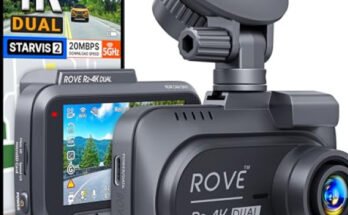
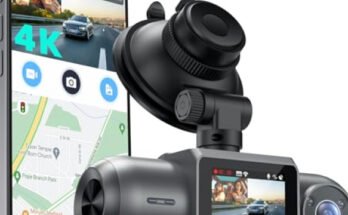
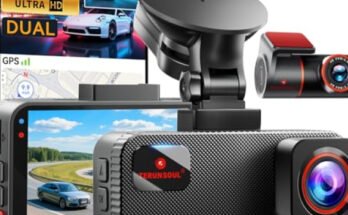
Have you ever wondered why some dash cams come with not just one, but two cameras? If you’re considering buying a dash cam or already have one, understanding this feature can make a big difference in how well you protect yourself on the road.
Two cameras mean more than just double the footage—they offer a smarter way to capture every important moment from different angles. Keep reading to discover why this simple addition could be a game-changer for your safety and peace of mind.

49% off Today's Exclusive Deals
Limited-time Exclusive Deals. Check current discount on Amazon.
Check Price on Amazon As an Amazon Associate I earn from qualifying purchases.Benefits Of Dual Camera Dash Cams
Dual camera dash cams offer clear benefits over single camera models. They provide better protection and more detailed recording. These devices capture more angles of the road and your vehicle. This helps drivers feel safer and more secure during their trips.
Enhanced Road Coverage
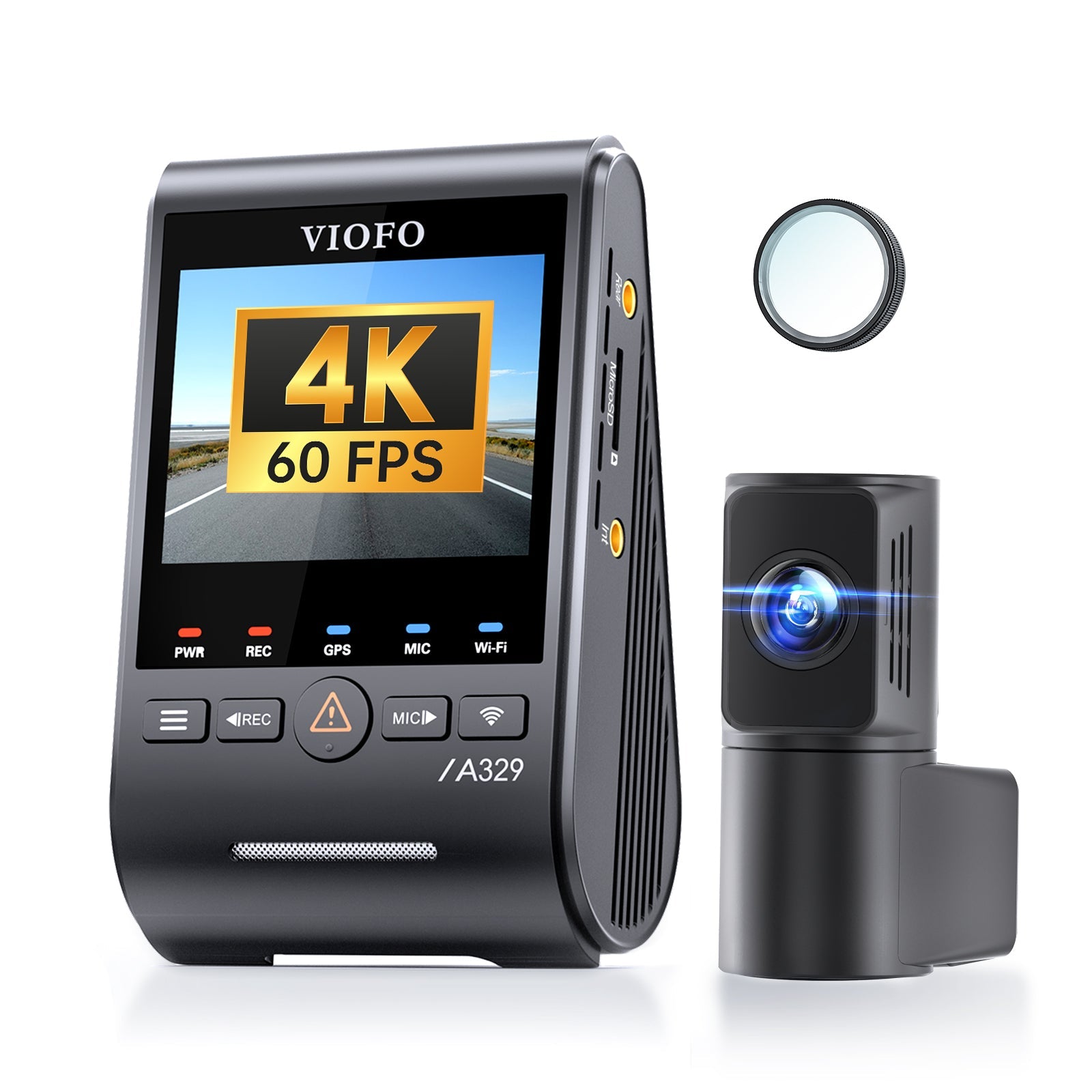
Two cameras cover both front and rear views. This means no blind spots on the road. Drivers can see traffic behind and ahead clearly. It helps catch important details like license plates or road signs. More coverage means better awareness of the driving environment.
Improved Evidence Collection
Dual cameras record incidents from two angles. This gives a complete view of accidents or disputes. Police and insurance companies trust footage from both sides. It reduces chances of misunderstanding or false claims. Clear evidence makes resolving cases faster and fairer.
49% off Today's Exclusive Deals
Limited-time Exclusive Deals. Check current discount on Amazon.
Check Price on Amazon As an Amazon Associate I earn from qualifying purchases.Better Parking Surveillance
Dual cameras protect your car even when parked. Rear cameras watch for close objects or people behind. Front cameras catch someone trying to hit or steal the car. This extra security helps prevent damage and theft. It gives peace of mind while your car is unattended.
Front Vs Rear Camera Functions
Dash cams with two cameras serve distinct purposes. Each camera focuses on different areas around your vehicle. This improves safety and records more details during drives. Understanding their functions helps you see why both are important.
Capturing Front Road Activity
The front camera records the road ahead. It catches important details like traffic lights, signs, and other vehicles. This helps prove fault in accidents. It also records unexpected events, such as sudden stops or road hazards.
Monitoring Rear Traffic
The rear camera watches the area behind your car. It records cars that follow or approach quickly. This is useful during parking or backing up. It captures rear-end collisions and hit-and-run incidents.
49% off Today's Exclusive Deals
Limited-time Exclusive Deals. Check current discount on Amazon.
Check Price on Amazon As an Amazon Associate I earn from qualifying purchases.Blind Spot Reduction
Two cameras reduce blind spots. The front camera covers what’s ahead. The rear camera covers what’s behind. Together, they provide a full view of the road. This helps drivers stay aware of their surroundings and avoid accidents.
How Dual Cameras Enhance Safety
Dual cameras in dash cams offer a clear safety advantage. They record both the road ahead and the inside or rear of the vehicle. This dual view helps drivers stay safer and more protected. More details show exactly what happens during driving incidents. This extra footage provides peace of mind and better security for every trip.
Accident Prevention
With two cameras, drivers can see blind spots more clearly. The front camera records the road and traffic conditions. The second camera monitors the car’s interior or rear view. This setup helps spot dangers early. Drivers react faster to avoid crashes. The extra view reduces risks on busy streets and highways.
Insurance Claim Support
Dual cameras provide strong proof in case of accidents. Insurance companies trust video evidence from both cameras. This footage shows exactly what happened before and after a crash. It helps settle claims faster and more fairly. Clear videos reduce disputes and make claims smoother. Drivers get better support with solid evidence.
Protection Against Fraud
Dash cams with two cameras protect against fake claims. Some people stage accidents to cheat insurance companies. Dual camera videos show the full story from inside and outside. This evidence stops false accusations and fraud attempts. Drivers stay safe from dishonest claims. The cameras act as honest witnesses on the road.
Installation Considerations
Installing a dash cam with two cameras needs careful thought. Both cameras must capture clear views without blocking your sight. Proper setup ensures reliable recording and safety.
Optimal Camera Placement
Place the front camera behind the rearview mirror. This spot offers a wide, clear view of the road. The rear camera usually goes on the back window. Make sure it faces straight out to record traffic behind you. Avoid placing cameras where sunlight or reflections can blur the video.
Wiring And Power Sources
Dash cams need a steady power supply. Most use your car’s 12V socket or hardwire to the fuse box. Plan wiring so cables stay hidden and do not interfere with airbags or controls. Use cable clips to secure wires along headliners or door frames.
Compatibility With Vehicle Types
Different vehicles have unique layouts. Large trucks and SUVs might need longer cables. Some cars have tinted or heated windows that affect camera clarity. Check if the dash cam fits your car’s size and design before buying. This ensures easy installation and good recording quality.
Features To Look For In Dual Dash Cams
Dual dash cams come with two cameras to capture different views at the same time. Choosing the right one depends on key features. These features ensure you get clear, reliable, and useful footage. Understanding them helps pick the best dual dash cam for your needs.
Video Quality And Resolution
High video quality is vital for clear images. Look for dash cams with at least 1080p resolution. This ensures details like license plates are visible. Some models offer 2K or 4K for sharper images. Good resolution helps in case of accidents or disputes.
Night Vision Capabilities
Night vision lets your dash cam record clearly in low light. Infrared or enhanced sensors improve visibility in the dark. This feature is important for nighttime driving or underground parking. A good night vision helps capture important details any time of day.
Storage And Cloud Options
Storage matters for saving your videos safely. Many dual dash cams use microSD cards with different sizes. Larger cards store more footage before overwriting old files. Some cams offer cloud storage to keep videos online. Cloud options provide extra security and easy access to your recordings.

Common Misconceptions About Dual Cameras
Many people have wrong ideas about dash cams with two cameras. These dual-camera systems are often misunderstood. Some think they are too costly, hard to use, or a threat to privacy. Clearing up these myths helps you see their true benefits.
Cost Vs Value Debate
People often think two-camera dash cams are very expensive. Yes, they cost more than single-camera models. But they offer better protection and evidence from both front and rear views. This extra coverage can save money in accident disputes. It adds real value beyond the price.
Complexity Of Use
Many believe dual cameras are hard to set up and operate. Actually, most models come with simple instructions. The system works automatically once installed. Users do not need technical skills to use them daily. They record both sides without any extra effort.
Privacy Concerns
Some worry about privacy with two cameras recording inside and outside. Dual cameras usually focus on the road and traffic. Many models do not record audio or private areas. Users can choose settings to limit what the cameras capture. Privacy can be protected while still gaining safety benefits.
Future Trends In Dash Cam Technology
Dash cam technology keeps changing fast. New features make driving safer and easier. Cameras with two lenses are just the start. Future dash cams will do much more. They will use smart tools and connect with cars better.
Small size and wireless use will make dash cams more popular. These trends show how dash cams will help drivers in many ways.
Ai And Smart Detection
Future dash cams will use AI to spot dangers quickly. They will detect sudden stops, crashes, and even sleepy driving. Cameras will alert drivers to stay safe. AI will help record only important moments. This saves memory and keeps videos useful.
Integration With Vehicle Systems
Dash cams will link with car systems like GPS and sensors. This connection gives more accurate info about speed and location. Cameras will work with airbags and brakes for better safety. Drivers will get real-time alerts from their dash cams. This makes driving more informed and safe.
Wireless And Compact Designs
Future dash cams will be smaller and easier to install. Wireless designs will let drivers place cameras anywhere. No messy wires or hard setups. Compact size keeps cameras hidden but effective. Battery life will improve for longer use. This means dash cams will fit all cars smoothly.

Frequently Asked Questions
Why Do Dash Cams Have Two Cameras?
Dash cams with two cameras capture both front and rear views. This provides comprehensive coverage and better evidence in accidents. It enhances driver safety by recording all angles, including inside the car and behind, improving overall security and insurance claims.
What Are The Benefits Of Dual-lens Dash Cams?
Dual-lens dash cams offer wider coverage, capturing front and rear or inside views. They provide more detailed evidence during accidents and thefts. This feature improves driver safety and aids in resolving disputes with clear footage from multiple angles.
How Does A Rear Camera Improve Dash Cam Functionality?
A rear camera records activity behind the vehicle, offering full situational awareness. It helps capture hit-and-run incidents and rear collisions, providing crucial evidence. This improves security and supports accurate insurance claims, making it a valuable dash cam feature.
Are Dual-camera Dash Cams Better For Insurance Claims?
Yes, dual-camera dash cams provide comprehensive footage from different angles. This helps insurers verify accident details accurately. Clear video evidence speeds up claim processing and reduces fraud risk, making dual-camera dash cams valuable for insurance purposes.
Conclusion
Dual-camera dash cams offer better road safety and evidence collection. One camera records the front view, while the other captures inside or rear scenes. This helps drivers prove what happened during accidents or disputes. It also keeps passengers safer by recording inside the car.
Many drivers prefer two cameras for full coverage and peace of mind. Choosing a dual dash cam can be a smart choice for more complete protection. It’s about capturing every angle clearly and simply. This small addition can make a big difference on the road.