Have you ever wondered if your wiper blades come with a warranty? You rely on your wipers every time it rains or snows, so knowing whether they’re covered can save you money and hassle.
Imagine driving through a storm with streaky, worn-out blades—frustrating and dangerous. But what if you could avoid that with a simple warranty? Keep reading to discover what warranties on wiper blades really mean for you and how to make sure you get the best protection for your safety and your wallet.

49% off Today's Exclusive Deals
Limited-time Exclusive Deals. Check current discount on Amazon.
Check Price on Amazon As an Amazon Associate I earn from qualifying purchases.
Wiper Blade Warranty Basics
Wiper blades often come with a warranty to protect buyers from defects. Understanding the basics of these warranties helps you know what to expect. Wiper blade warranties vary by brand and type. Knowing the common types, duration, and coverage can save you money and hassle.
Warranties show the manufacturer’s confidence in their product quality. They also offer peace of mind during use. Many warranties cover problems like poor performance or early wear.
Common Warranty Types
Most wiper blades have two main warranty types. One is a limited warranty, which covers defects in material or workmanship. The other type is a satisfaction guarantee. It allows you to return or exchange the blades if not happy with performance.
49% off Today's Exclusive Deals
Limited-time Exclusive Deals. Check current discount on Amazon.
Check Price on Amazon As an Amazon Associate I earn from qualifying purchases.Some brands offer lifetime warranties. These last as long as you own the blades. Others provide short-term warranties, from a few months to a year.
Warranty Duration
Warranty length depends on the blade’s quality and price. Basic models usually have 6 to 12 months of coverage. Premium blades may offer up to 2 years or more. Read the warranty card for exact details.
Keep your purchase receipt. Many warranties require proof of purchase to honor claims.
What Is Covered
Wiper blade warranties typically cover defects and early wear. This includes cracking, splitting, or rubber deterioration. Problems caused by poor materials or assembly are also covered.
49% off Today's Exclusive Deals
Limited-time Exclusive Deals. Check current discount on Amazon.
Check Price on Amazon As an Amazon Associate I earn from qualifying purchases.Warranties do not cover damage from accidents or misuse. Normal wear from weather and use is usually excluded. Always check the terms to know what is included.

Brands And Warranty Policies
Wiper blades often come with warranties. These warranties vary by brand and type. Knowing the warranty policy helps buyers choose the right product. Warranties protect you from defects and poor performance. They also show the brand’s confidence in their product.
Top Brands With Strong Warranties
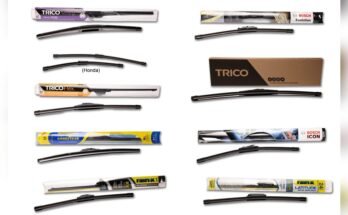
Some brands offer solid warranties on their wiper blades. Rain-X, Bosch, and Michelin often provide good coverage. These brands stand behind their quality. Their warranties usually cover defects and early wear. Choosing these brands can give peace of mind.
Limited Vs. Lifetime Warranties
Wiper blade warranties come in two main types: limited and lifetime. Limited warranties cover defects for a set time, like six months or a year. Lifetime warranties promise coverage as long as you own the blades. The lifetime option often has specific terms. Understanding these terms helps avoid confusion later.
How Policies Vary By Brand
Each brand sets its own warranty rules. Some require proof of purchase to claim warranty. Others may need the product returned for inspection. Some brands exclude damage from misuse or weather. Reading the warranty details before buying is important. It ensures you know your rights and coverage.
How To Claim A Warranty
Claiming a warranty on wiper blades is usually simple but requires some steps. Knowing what to prepare and how to act helps you get your replacement or refund quickly. Follow the instructions carefully to avoid delays.
Proof Of Purchase Requirements
Keep your receipt or invoice from the purchase. This document shows where and when you bought the wiper blades. Some brands ask for original packaging or product tags. Check the warranty terms for exact proof needed. Without proof, most companies will not accept your claim.
Steps To File A Claim
First, contact the store or manufacturer. Use their official customer service phone or email. Explain the problem with your wiper blades clearly and honestly. Provide your proof of purchase and any photos if asked. Follow their instructions about sending the product back. Wait for their response or confirmation before buying new blades.
Tips For Smooth Warranty Service
Act quickly once you notice a defect. Keep all documents and packaging safe. Be polite and clear in your communication. Write down names and dates of your contacts. Read the warranty policy carefully to know your rights. These steps make the process faster and easier.
Warranty Limitations And Exclusions
Wiper blade warranties provide some protection but have clear limits. Understanding these limits helps avoid surprises. Not all damage or issues fall under warranty coverage. Some problems result from external factors, not product defects. Knowing what is excluded helps you manage expectations and care for your wipers properly.
Damage Not Covered
Warranties usually exclude damage from accidents or misuse. Scratches, cracks, or breaks caused by road debris or harsh weather often do not qualify. Sun exposure or chemical damage also falls outside warranty terms. These factors wear down blades but are not manufacturer faults.
Improper Installation Issues
Incorrect installation can cause wiper problems quickly. Many warranties void coverage if the blades are not fitted properly. Twisted arms or loose attachments affect performance. Always follow the installation guide or seek professional help to keep warranty valid.
Wear And Tear Considerations
Wiper blades naturally wear out over time. Warranties rarely cover normal wear and tear. Rubber edges thin and harden with use and weather. Expect to replace blades every six to twelve months. Regular maintenance ensures clear vision and safe driving.
When To Replace Wiper Blades
Knowing when to replace your wiper blades is crucial for safe driving. Clear visibility during rain or snow depends on good wipers. Old or worn blades can smear water and reduce your view. Regular checks help you spot problems early and avoid accidents.
Signs Of Blade Wear
Look for streaks or smears on your windshield. Blades that skip or chatter show wear. Cracks or tears on the rubber mean it is time to replace. If blades leave patches of water, they no longer work well. Noises like squeaking also signal blade problems.
Impact Of Weather Conditions
Hot sun can dry out and crack wiper rubber. Cold weather may cause blades to freeze or harden. Snow and ice can damage the edges and reduce flexibility. Heavy rain wears out blades faster than light rain. Changing seasons require more frequent blade checks.
Maintaining Blade Performance
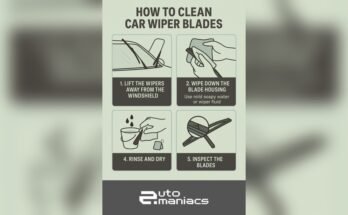
Clean blades regularly with a damp cloth. Remove dirt and debris to prevent damage. Lift blades off the windshield in winter to avoid freezing. Replace blades every six to twelve months for best results. Proper care extends blade life and keeps vision clear.

Frequently Asked Questions
Do Wiper Blades Typically Come With A Warranty?
Yes, most wiper blades come with a limited warranty covering defects and performance issues. Warranty periods vary by brand and model.
How Long Is A Typical Wiper Blade Warranty?
Wiper blade warranties usually last between 6 months to 1 year. Some premium brands offer longer coverage for durability.
What Does A Wiper Blade Warranty Cover?
Warranties generally cover manufacturing defects, streaking, or poor wiping performance. Normal wear and tear or damage from misuse is excluded.
Can I Return Wiper Blades Under Warranty?
Yes, if defects appear during the warranty period, you can return or exchange the blades at the place of purchase.
Conclusion
Wiper blade warranties vary by brand and seller. Most offer limited coverage for defects or early wear. Always check the warranty details before buying. Knowing the warranty helps you avoid extra costs later. Proper installation and care can extend blade life.
Choose blades with clear warranty terms for peace of mind. Keeping your windshield clear is safer and easier this way. Warranties add value but don’t replace regular blade checks. Stay alert to signs of wear and replace promptly. This keeps your driving safe in all weather conditions.