Are you wondering if car dollies are a safe and practical choice for your low-profile sports car? You’re not alone.
Many sports car owners worry about whether these handy tools can handle the unique design and delicate undercarriage of their prized vehicles. The good news is, there’s more to this question than a simple yes or no. Understanding how car dollies work and what to look for can save you from costly damage and stress.
Keep reading to discover what you need to know before using car dollies with your low-profile sports car.
Car Dollies Basics
Car dollies are tools used to move vehicles easily. They help in towing or parking cars in tight spaces. Many people wonder if car dollies work well with low-profile sports cars. Understanding the basics of car dollies can clear up these doubts.
Car dollies come in different types and designs. Each type serves a specific purpose. Knowing how they work helps in choosing the right dolly for your car.
Types Of Car Dollies
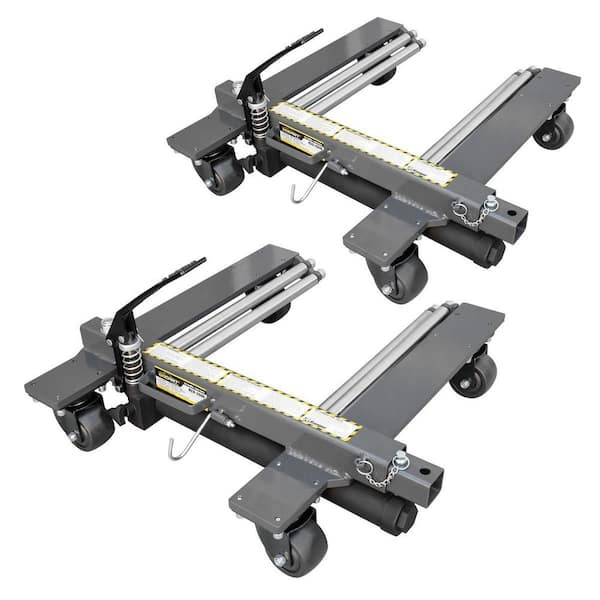
There are several types of car dollies. The most common are four-wheel dollies and two-wheel dollies. Four-wheel dollies support the entire car, lifting all wheels off the ground. Two-wheel dollies lift only the front or rear wheels. Some dollies are heavy-duty for trucks and SUVs. Others are lightweight, designed for smaller cars. Low-profile dollies have a lower frame for sports cars. These prevent damage to the car’s body.
How Car Dollies Work
Car dollies work by lifting wheels off the ground. This allows easy movement without driving the car. The car is rolled onto the dolly, and the wheels are locked in place. The dolly then moves the car smoothly. Dollies use strong metal frames and wheels to support the car’s weight. They reduce friction and make towing safer. For low-profile sports cars, the dolly’s height matters a lot. It must clear the car’s low body without scraping.
Low-profile Sports Cars Features
Low-profile sports cars stand out with their sleek and sharp design. These cars focus on speed, style, and road grip. Their unique features affect how they interact with car dollies during transport.
Their design and tire setup are important to understand before choosing a dolly. Let’s explore these key features.
Design And Ground Clearance
Low-profile sports cars have a very low ground clearance. This means the space between the car’s bottom and the road is small. It helps with better handling and speed. But it also makes loading on a dolly tricky. The dolly must support the car without scraping the bottom. The ramps on the dolly need to be gentle and smooth. Sharp angles can cause damage to the car’s body or undercarriage.
Tire And Wheel Specifications
Sports cars often have wide, low-profile tires. These tires have short sidewalls and large wheels. This setup improves grip and cornering but can cause fitment issues on standard dollies. Some dollies may not hold wide tires securely. The wheels may stick out from the dolly’s frame. Special adapters or wider platforms may be needed. Careful attention to tire size ensures safe transport without damage.
Compatibility Challenges
Car dollies offer a handy way to move cars without driving them. Sports cars with low profiles pose unique challenges. Their design and build often clash with standard dollies. Understanding these challenges helps owners protect their vehicles and avoid damage.
Clearance Issues
Low-profile sports cars sit close to the ground. Dollies usually require enough space underneath to lift the wheels. Many dollies have fixed height settings. This can cause scraping or damage to the car’s body or undercarriage. Not all dollies adjust to very low clearance. Owners must check measurements before using a dolly.
Weight Distribution Concerns
Sports cars often have uneven weight distribution. Some models put more weight on the rear or front wheels. Dollies lift one set of wheels, so balance matters. Poor weight distribution can cause instability. The car might tilt or slip off the dolly. Using the wrong dolly increases risk during transport. Proper weight support is essential for safety and vehicle care.
Expert Tips For Safe Use
Using car dollies with low-profile sports cars needs care and attention. Safety is key to protect your vehicle and avoid damage. These expert tips help ensure you use dollies correctly and safely. Follow these steps for a smooth experience and keep your sports car in top shape.
Selecting The Right Dolly
Choose a dolly that fits your car’s size and weight. Check the weight limit to avoid overloading. Low-profile cars need dollies with adjustable ramps. This helps prevent scraping the car’s front or side skirts. Look for dollies with padded supports to protect the car’s body.
Proper Loading Techniques
Drive the car slowly onto the dolly to avoid damage. Use a spotter to guide you and keep the car straight. Align the wheels carefully with the dolly’s wheel trays. Secure the car with straps at strong points, not on fragile parts. Tighten straps just enough to hold the car firmly without causing dents.
Alternative Transport Options
Low-profile sports cars need special care during transport. Car dollies might not always fit well. Alternative transport options offer safer ways to move these vehicles. They protect the car’s body and tires from damage. Choosing the right option depends on the car’s size and the journey length.
Flatbed Trailers
Flatbed trailers carry the entire car off the ground. This keeps low-clearance cars safe from scrapes or bumps. The car is tied down securely to avoid shifting. This method works well for short and long distances. It also prevents wear on the tires and suspension. Flatbed trailers are common for moving sports cars safely.
Enclosed Carriers
Enclosed carriers offer full protection from weather and road debris. The car is loaded inside a covered trailer or truck. This option keeps the car clean and secure during transport. It is ideal for expensive or show cars. Enclosed carriers provide extra peace of mind. They are often used by collectors and racers.

Frequently Asked Questions
Are Car Dollies Safe For Low-profile Sports Cars?
Car dollies can be safe for low-profile sports cars if used correctly. Ensure the dolly supports the car’s weight evenly and avoid sharp turns. Properly securing the vehicle prevents damage to the chassis and tires during transport.
Can Car Dollies Prevent Damage To Sports Car Suspensions?
Yes, car dollies help prevent suspension damage by lifting the wheels off the ground. This reduces stress on the suspension system during towing or moving, which is crucial for low-profile sports cars with delicate suspension setups.
What Features Should I Look For In A Dolly For Sports Cars?
Look for dollies with adjustable wheel trays, non-slip surfaces, and strong weight capacity. These features ensure a secure fit and prevent slipping or damage. Low-profile cars need dollies that accommodate lower ground clearance safely.
Are Car Dollies Compatible With All Sports Car Tire Sizes?
Most car dollies are compatible with a wide range of tire sizes, including low-profile tires. However, it’s essential to check the dolly’s specifications to confirm it fits your sports car’s tire width and diameter.
Conclusion
Car dollies can work with low-profile sports cars, but caution is key. Check your car’s clearance before use. Choose a dolly designed for low ground clearance. Avoid damage by lifting your car carefully. Proper fit means safer towing and less risk.
Always follow the dolly manufacturer’s instructions. Regularly inspect the dolly and your vehicle. This helps keep your sports car safe during transport. Taking these steps ensures smooth, worry-free towing every time.


