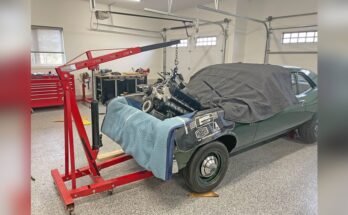
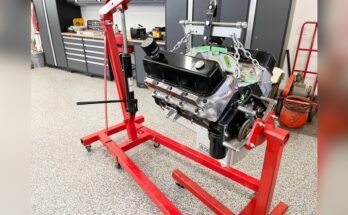
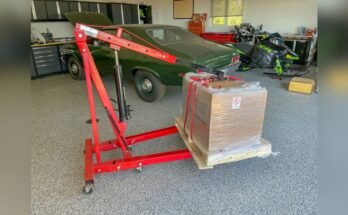
Thinking about lifting your car’s engine yourself? You might be wondering, “Are engine hoists safe for DIY car repair?” It’s a smart question because safety should always come first when working on your vehicle.
Using an engine hoist can make tough jobs easier, but only if you know how to use it correctly. You’ll discover key tips to keep you safe and confident while handling your engine. Keep reading to find out what you need to know before taking that big step.
Your safety—and your car—depend on it.
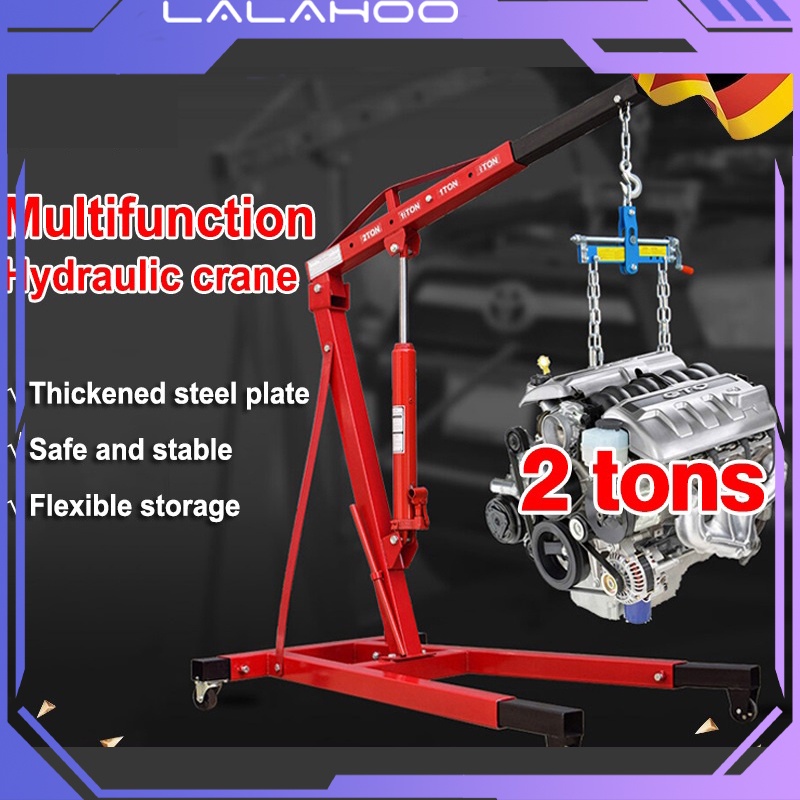
Engine Hoist Basics
Understanding the basics of engine hoists helps you decide if they are safe for DIY car repair. Engine hoists lift heavy engines out of vehicles. They make engine removal and installation easier and safer. Knowing how they work and the types available is important. This knowledge reduces risks and improves your repair experience.
Types Of Engine Hoists
There are different types of engine hoists for various needs. The most common is the hydraulic engine hoist. It uses a hydraulic cylinder to lift engines smoothly. Another type is the electric engine hoist. It uses a motor to lift the engine with less effort. Chain hoists are manual and require more strength. Folding engine hoists save space and are easy to store. Choose a hoist that fits your workspace and lifting needs.
How Engine Hoists Work
Engine hoists use a strong frame and lifting arm to hold the engine. A hydraulic pump or electric motor powers the lifting mechanism. The hoist has a hook and chains to attach to the engine. As you pump or activate the lift, the engine rises safely. Wheels on the hoist allow easy movement around the workshop. Proper setup and secure attachments keep the engine stable during lifting.
Common Risks With Engine Hoists
Engine hoists help lift heavy car parts during repairs. They make DIY projects easier. Yet, using them carries certain risks. Knowing these risks helps you stay safe. Common problems include load limits, setup errors, and mechanical faults.
Load Capacity Issues
Every engine hoist has a weight limit. Exceeding this limit can cause accidents. The hoist may bend or break. Always check the engine weight before lifting. Using a hoist beyond capacity is unsafe.
Improper Setup Hazards
Setting up the hoist incorrectly leads to trouble. Unstable bases or wrong angles cause tipping. Loose bolts or missing pins increase danger. Follow setup instructions carefully. A wrong setup can cause serious injury.
Mechanical Failures
Parts of the hoist can wear out over time. Hydraulic leaks or broken chains are common issues. These failures can cause sudden drops. Regular inspection and maintenance reduce risks. Never use a hoist with damaged parts.
Safety Gear For Diy Repairs
Safety gear is important for any DIY car repair. It protects you from injuries and keeps you safe. Using an engine hoist can be risky without the right equipment. Proper gear helps prevent accidents and makes the job easier.
Protective Clothing
Wear clothes that cover your skin fully. Long sleeves and pants protect against cuts and burns. Use durable fabrics that resist oil and dirt. Avoid loose clothing to stop it from getting caught in tools or the hoist.
Eye And Hand Protection
Always wear safety goggles to shield your eyes from debris. Dust, metal shards, and fluids can cause serious eye injuries. Use gloves to protect your hands from sharp edges and hot parts. Choose gloves that allow you to grip tools firmly.
Proper Setup And Operation
Using an engine hoist for DIY car repair needs careful setup and operation. Proper steps keep you safe and protect your car parts. Understanding the basics helps avoid accidents and damage. Let’s explore the key points for safe use.
Inspecting The Hoist
Always check the hoist before use. Look for cracks, rust, or loose parts. Ensure all bolts and pins are tight. Check hydraulic fluid levels and test the lift smoothly. A damaged hoist can cause serious injury.
Securing The Load
Attach the engine properly to the hoist. Use strong chains or straps rated for the engine’s weight. Double-check the connections to avoid slipping. Balance the load evenly to prevent tipping or swinging.
Safe Lifting Techniques
Lift the engine slowly and steadily. Avoid sudden movements or jerks. Keep the hoist on a flat, solid surface. Never stand under the load or near moving parts. Use support stands if you work under the engine.
Maintenance And Storage Tips
Proper maintenance and storage keep your engine hoist safe and reliable. Regular care prevents damage and extends its life. It also makes your DIY car repair safer and easier. Follow simple tips to maintain and store your hoist well.
Routine Checks
Inspect the hoist before each use. Look for cracks, bends, or rust on the frame. Check the hydraulic system for leaks or damage. Make sure all bolts and nuts are tight. Test the hoist’s lifting and lowering actions. Report any unusual sounds or movements.
Lubrication And Repairs
Keep moving parts well lubricated to avoid wear. Use oil or grease on joints and wheels. Clean old grease and dirt before applying fresh lubricant. Replace worn or damaged parts immediately. Use parts recommended by the manufacturer. Regular repairs prevent bigger problems during work.
Safe Storage Practices
Store the hoist in a dry, clean place. Avoid damp areas to prevent rust. Fold or disassemble parts if possible for compact storage. Keep it away from heavy traffic to avoid bumps. Cover the hoist with a cloth or tarp to protect it from dust. Proper storage keeps it ready for the next job.
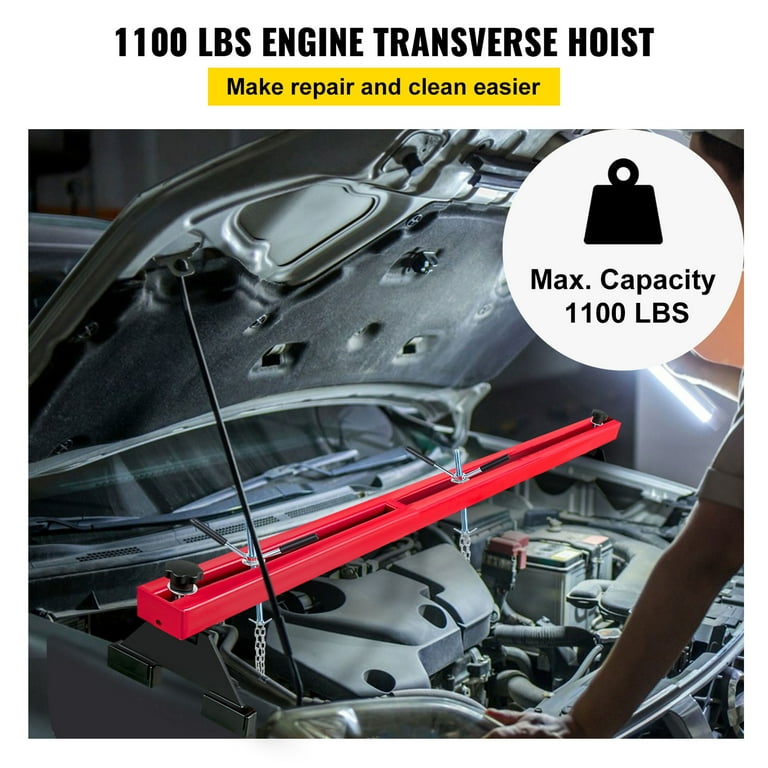
Emergency Preparedness
Emergency preparedness is vital when using engine hoists for DIY car repair. Accidents can happen suddenly, so being ready can protect you and others. Knowing how to act fast reduces injuries and damage. Safety tools and knowledge save lives during unexpected events.
Handling Load Drops
Load drops are one of the most dangerous risks with engine hoists. Always check the hoist before lifting any weight. Use strong chains and hooks rated for your engine’s weight. Stand clear of the load path to avoid injury if it falls. Never work under a suspended engine without proper supports. Quick action is needed if a load starts to fall. Stop work immediately and secure the area. Call for help if anyone is hurt or trapped.
First Aid Basics
Knowing first aid basics is crucial for DIY car repair safety. Keep a first aid kit nearby with bandages, antiseptic, and gloves. Learn how to treat cuts, burns, and bruises. Stop bleeding by applying pressure. Clean wounds to prevent infection. Know how to help if someone faints or has trouble breathing. Call emergency services for serious injuries. Being prepared can save lives and reduce panic.

Frequently Asked Questions
Are Engine Hoists Safe For Diy Car Repairs?
Engine hoists are safe for DIY use if operated correctly. Always follow the manufacturer’s instructions, inspect the hoist regularly, and never exceed the weight limit. Proper safety gear and a stable working surface enhance safety during engine lifts.
What Safety Precautions Should I Take Using An Engine Hoist?
Always wear protective gear, check the hoist for damage, and secure the load properly. Use a flat, stable surface and never work alone. Follow weight limits and avoid sudden movements to prevent accidents.
Can Beginners Safely Use Engine Hoists At Home?
Yes, beginners can use engine hoists safely with proper training and supervision. Start with smaller loads, read the manual carefully, and practice safe lifting techniques. Taking safety seriously reduces risk during DIY repairs.
How Do I Maintain An Engine Hoist For Safety?
Regularly inspect hydraulic fluid levels, check for leaks, and lubricate moving parts. Tighten bolts and replace worn components promptly. Proper maintenance ensures reliable and safe operation during car repairs.
Conclusion
Engine hoists can be safe for DIY car repair with proper use. Always check the hoist’s weight limit before starting work. Secure the engine tightly to avoid slips or falls. Use the hoist on a flat, stable surface for better balance.
Never rush the lifting process. Safety gear, like gloves and goggles, helps protect you. Taking these steps reduces risks and keeps your project smooth. Trust your tools, but stay alert and careful at all times. Safety first makes DIY car repair easier and safer.