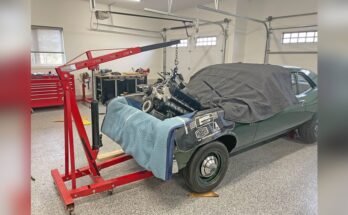
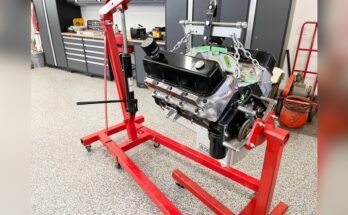
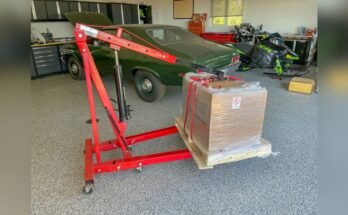
If you’ve ever worked on a car engine, you know how tough it can be to lift and move it safely. That’s where hydraulic engine hoists come in.
But are these tools really the best choice for handling your car engine? You might be wondering if they offer the strength, ease, and safety you need. Keep reading to discover how hydraulic engine hoists work, what makes them stand out, and whether they’re the right fit for your next engine project.
By the end, you’ll have a clear answer and feel confident about your decision.
Benefits Of Hydraulic Engine Hoists
Hydraulic engine hoists offer many benefits for lifting car engines. They make heavy work easier and safer. These hoists use hydraulic power to lift engines smoothly. They help mechanics and car owners handle engines without strain.
Below are key benefits of using hydraulic engine hoists for car engines.
Enhanced Lifting Capacity
Hydraulic hoists can lift very heavy engines with ease. Their design allows lifting weights beyond human strength. This makes them ideal for large or heavy car engines. You can lift engines without worrying about damage or failure.
Improved Safety Features
These hoists come with built-in safety mechanisms. They prevent sudden drops or slips during lifting. Safety valves control the lifting speed and hold the load steady. This reduces the risk of accidents in the workshop.
Ease Of Operation
Hydraulic hoists are simple to use, even for beginners. The hydraulic system requires minimal effort to lift engines. Controls are easy to understand and operate. This saves time and reduces physical strain on workers.
Versatility In Use
Hydraulic engine hoists work well in many situations. They can lift engines from different car models and sizes. Some models fold for easy storage and transport. This makes them useful for both home garages and professional shops.
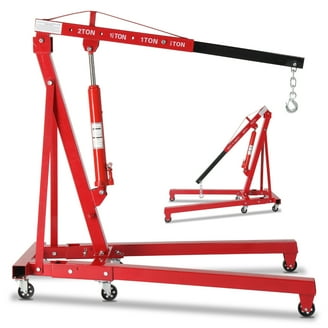
Types Of Hydraulic Engine Hoists
Hydraulic engine hoists come in different types. Each type serves a specific need. Knowing these types helps you pick the right hoist for your car engine. Below are the common types of hydraulic engine hoists.
Foldable Engine Hoists
Foldable engine hoists save space. They can be collapsed for easy storage. This makes them perfect for small garages. Despite their size, they lift heavy engines safely. They are light and easy to move around.
Heavy-duty Engine Hoists
Heavy-duty hoists handle very heavy engines. They have stronger frames and bigger lifting capacity. These hoists work well in professional shops. They provide stability and durability for tough jobs. Heavy-duty hoists are built to last long.
Electric Vs Manual Hoists
Electric hoists lift engines with motor power. They reduce physical effort and speed up work. Manual hoists use a hydraulic pump and lever. They require more strength but cost less. Both types are reliable but suit different needs.
Key Features To Consider
Choosing the right hydraulic engine hoist requires attention to several key features. These features ensure safe, easy, and efficient engine lifting. Understanding each one helps to pick a hoist that fits your needs and your car engine’s demands.
Weight Capacity
Weight capacity is the maximum load a hoist can lift safely. Always check the hoist’s limit before buying. Your car engine’s weight must be within this limit. Overloading a hoist can cause accidents or damage. Choose a hoist with a higher capacity than your engine’s weight.
Lift Height And Reach
Lift height is how high the hoist can raise an engine. Reach is the distance the hoist’s arm extends. Both affect how easily you can move and place the engine. Ensure the hoist can lift the engine high enough for your workspace. Also, make sure the arm reaches where you need to position the engine.
Build Quality And Materials
Strong materials like steel improve durability and safety. Look for solid welds and sturdy joints. Poor build quality risks bending or breaking under load. A well-made hoist lasts longer and handles heavy engines better. Check reviews or product details for material information.
Mobility And Storage
Wheels help move the hoist around your garage. Locking wheels add stability during lifting. Some hoists fold or have removable parts for easy storage. Consider your workspace size before choosing a hoist. A mobile, compact hoist saves space and allows easy handling.
Common Applications In Car Engine Work
Hydraulic engine hoists are common tools in car engine work. They help mechanics lift and move heavy engines safely. These hoists make many tasks easier and safer in workshops. Understanding their common uses shows why they are useful for engine jobs.
Engine Removal And Installation
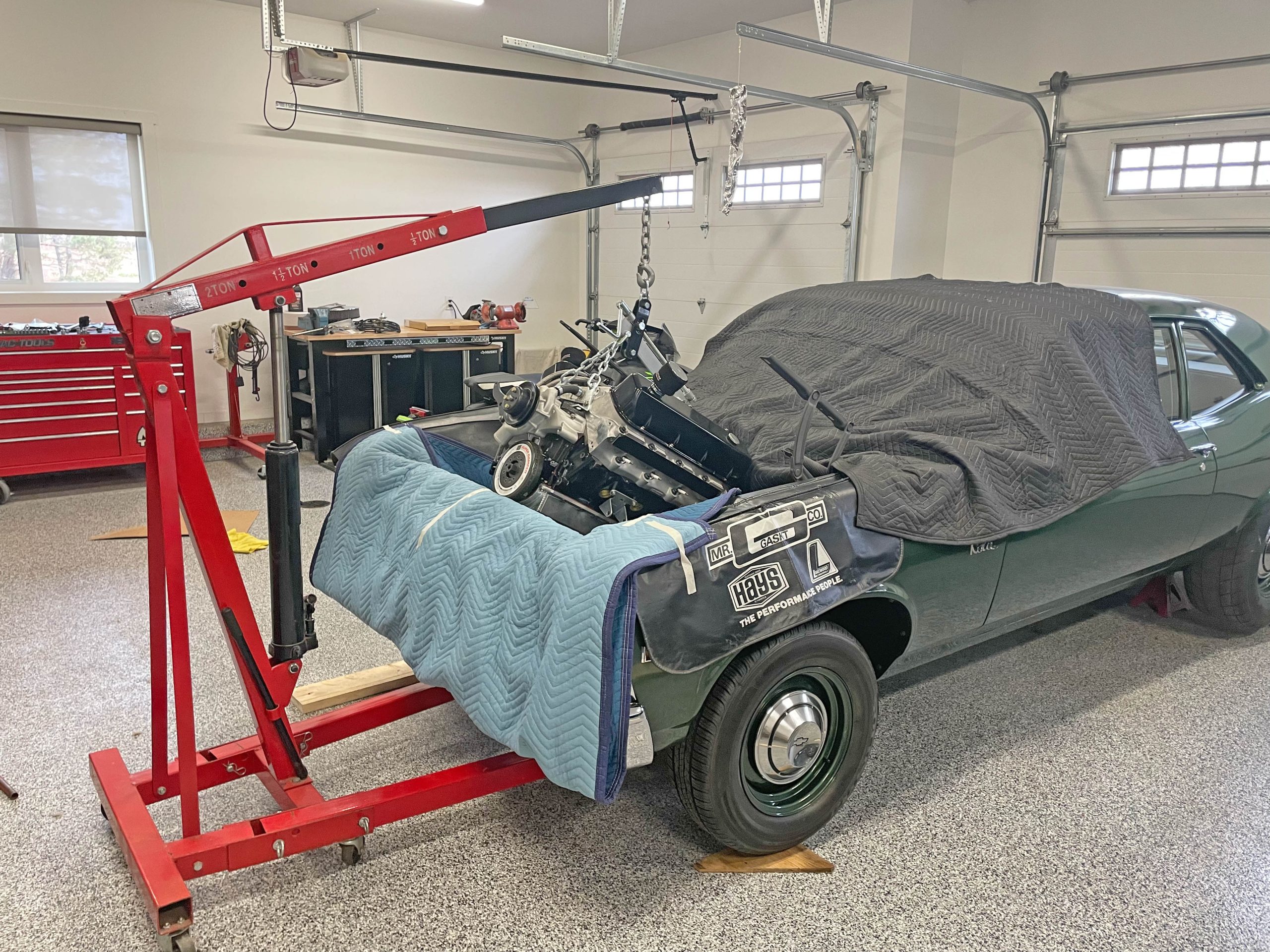
Hydraulic hoists lift engines out of car bodies smoothly. They carry the heavy load without much effort. This helps mechanics remove old engines quickly. Also, they assist in placing new engines into cars. The hoists keep engines steady during the process. This reduces damage risk and saves time.
Engine Transport Within Workshops
Moving engines inside workshops can be hard. Hydraulic hoists make it simple to carry engines between workstations. They provide stability and control during transport. This avoids dropping or damaging engines. The hoists also reduce worker strain and injury risk. They make workshop flow more efficient and safe.
Supporting Engine Repairs
Hydraulic hoists hold engines in place during repairs. They allow access to hard-to-reach engine parts. Mechanics can work comfortably and safely. The hoists adjust engine height and position easily. This support improves repair quality and speed. They help complete tough jobs with less hassle.
Safety Tips For Using Hydraulic Hoists
Using hydraulic engine hoists can be safe when you follow key safety tips. These tools lift heavy car engines, so caution is crucial. Proper handling reduces accidents and protects both you and your vehicle.
Proper Setup And Inspection
Always set up the hoist on a flat surface. Check the hoist for any damage or leaks before use. Inspect all bolts, pins, and welds to ensure they are secure. Never use a hoist that looks worn or broken.
Weight Limit Awareness
Know the hoist’s weight capacity before lifting. Do not exceed the maximum weight listed. Overloading can cause the hoist to fail and lead to injury. Use a hoist that matches or exceeds your engine’s weight.
Secure Engine Attachment
Attach the engine firmly using chains or straps. Double-check all connections before lifting. Loose attachments can make the engine slip or fall. Use strong, rated chains designed for heavy loads.
Using On Stable Surfaces
Use the hoist only on stable, level ground. Avoid soft or uneven surfaces that can cause tipping. Clear the area of obstacles and clutter. Stability is key to safe lifting and moving of the engine.
Maintenance And Longevity
Proper maintenance is key to keeping a hydraulic engine hoist working well. Good care helps the hoist last longer and stay safe. Regular checks and simple actions prevent big problems later. This section covers important steps to maintain your hoist.
Regular Hydraulic Fluid Checks
Hydraulic fluid powers the hoist’s lifting ability. Check the fluid level often. Low fluid can cause poor performance and damage. Replace the fluid according to the manufacturer’s schedule. Use the right type of hydraulic oil. Clean fluid helps the hoist work smoothly and safely.
Lubrication Of Moving Parts
Moving parts need grease or oil to reduce friction. This keeps the hoist parts moving freely. Pay attention to joints, pins, and wheels. Lubricate these parts regularly. Use the lubricant recommended by the manufacturer. Proper lubrication prevents wear and extends the hoist’s life.
Storage Recommendations
Store the hoist in a dry and clean place. Avoid damp areas that can cause rust. Keep it covered to protect from dust. Store with the hoist lowered to reduce stress on parts. Proper storage stops damage and keeps the hoist ready to use.
Troubleshooting Common Issues
Sometimes the hoist may not work as expected. Check for leaks in the hydraulic system. Look for damaged or bent parts. Listen for unusual noises during operation. Tighten loose bolts and nuts. Early fixes keep the hoist safe and reliable.
Comparing Hydraulic Hoists With Alternatives
Choosing the right tool for lifting car engines is important. Hydraulic hoists are common, but many alternatives exist. Comparing these tools helps find the best fit for the job and budget.
Understanding the differences in operation, safety, and ease can guide your decision. Each tool has unique benefits and limits.
Chain Hoists Vs Hydraulic Hoists
Chain hoists use manual or electric power to lift heavy loads. They are compact and good for small spaces. Hydraulic hoists use fluid pressure for smooth lifting. They handle heavier loads more easily. Chain hoists need more effort for heavy engines. Hydraulic hoists offer better control and stability. Chain hoists are cheaper but slower. Hydraulic hoists cost more but save time.
Electric Hoists Vs Hydraulic Hoists
Electric hoists lift engines using motors. They reduce physical work and increase speed. Hydraulic hoists use fluid pressure, which is quieter and smoother. Electric hoists need a power source. Hydraulic hoists can work manually if needed. Electric hoists may be heavier and more complex. Hydraulic hoists are easier to maintain. Both are good for heavy engines, but hydraulic hoists offer more control.
Manual Lifting Tools
Manual tools like jacks and pulleys are basic and cheap. They require much physical effort and take more time. Manual tools are less safe for heavy engines. Hydraulic hoists reduce risk by offering steady lifting. Manual tools are good for light repairs or emergencies. Hydraulic hoists are better for frequent or heavy lifting jobs.
Popular Brands And Models
Hydraulic engine hoists play a key role in lifting car engines safely and easily. Choosing the right brand and model helps ensure smooth work and long-lasting use. Many brands offer various models with features suited to different needs. Understanding popular options helps pick the best hoist for any garage or workshop.
Top-rated Hydraulic Hoists
Strong and reliable hoists often come from brands like Torin, Hein-Werner, and Blackhawk. These models have high weight capacities and sturdy frames. They handle heavy engines with ease. Many users praise their smooth lifting and durable build. These hoists often include safety features like locking bars and wide bases. They suit both professionals and hobbyists.
Budget-friendly Options
Affordable hoists come from brands like Omega and Pro-Lift. These models work well for lighter engines and occasional use. They offer good quality without high prices. Budget hoists usually have simpler designs but still provide safe lifting. Ideal for small garages or beginners. Some models fold for easy storage.
Premium Features To Look For
Look for adjustable boom lengths for versatile lifting. Heavy-duty wheels improve movement on rough floors. A hydraulic pump with smooth action makes lifting effortless. Check for easy-to-read load capacity labels. Extra safety locks add peace of mind. Some models have quick-release hooks for fast engine attachment. Good handle grips reduce hand strain during use.
User Experiences And Reviews
User experiences and reviews give clear insight into how hydraulic engine hoists perform in real life. These tools are popular among car owners and mechanics for engine lifting. Many users share their honest opinions, highlighting both benefits and drawbacks. This section explores what people say about these hoists, focusing on the pros, common complaints, and useful tips.
Pros Shared By Mechanics
Mechanics praise hydraulic engine hoists for their strong lifting power. They find the hoists easy to operate with minimal effort. Many mention the hoists’ stable design, which keeps engines secure during lifting. The compact size helps save space in small workshops. Users also like the adjustable height feature that fits different engine types.
Common Complaints
Some users report issues with hydraulic leaks after extended use. A few mention the hoist’s weight, making it hard to move without help. Others find the assembly instructions unclear or difficult to follow. Limited lifting height is a problem for certain large engines. Some hoists show wear on wheels, reducing smooth movement over time.
Tips From Experienced Users
Experienced users recommend checking hydraulic fluid levels regularly. They suggest using the hoist on flat, even surfaces for safety. Tightening all bolts before each use prevents accidents. Lubricating moving parts keeps the hoist working smoothly. Storing the hoist indoors extends its lifespan and avoids rust.

Frequently Asked Questions
Are Hydraulic Engine Hoists Safe For Lifting Car Engines?
Yes, hydraulic engine hoists are safe when used properly. They have strong lifting capacity and stable design. Always follow manufacturer guidelines and inspect hoist before use to ensure safety.
How Do Hydraulic Engine Hoists Work For Car Engines?
Hydraulic engine hoists use fluid pressure to lift heavy engines smoothly. The hydraulic system amplifies force, making it easier to raise and lower car engines with precision.
What Are The Benefits Of Using Hydraulic Engine Hoists?
Hydraulic hoists offer powerful lifting, easy maneuverability, and adjustable height. They reduce physical strain and improve safety during engine removal or installation tasks.
Can Hydraulic Engine Hoists Handle Different Engine Sizes?
Yes, most hydraulic hoists support various engine sizes and weights. Check the hoist’s weight capacity to ensure it matches your engine’s specifications before use.
Conclusion
Hydraulic engine hoists offer strong support for lifting car engines safely. They handle heavy weights with ease and help avoid injuries. Using them saves time and effort during engine work. These tools work well for both professionals and hobbyists. Always follow safety steps to get the best results.
Choosing the right hoist depends on your engine size and needs. Overall, hydraulic hoists prove to be a reliable choice for engine lifting tasks. Simple to use, they make tough jobs easier and safer.