Have you ever struggled with streaky or noisy windshield wipers on a rainy day? Choosing the right wiper blades can make a huge difference in your driving safety and comfort.
You might have heard about silicone wiper blades as a new alternative to traditional rubber ones, but are they really better for your car? You’ll discover the key differences between silicone and rubber wiper blades, so you can make the best choice for your vehicle and enjoy clearer, safer drives no matter the weather.
Keep reading to find out what suits your needs the most!

Silicone Vs Rubber Materials
Choosing the right material for wiper blades affects their performance. Silicone and rubber are the two main options. Each has unique qualities that impact how well they clean your windshield. Understanding these materials helps in making a better choice for your vehicle’s needs.
Composition And Properties
Rubber wiper blades are made from natural or synthetic rubber. This material is soft and flexible. It can bend easily to fit the windshield’s curve. Silicone blades use silicone rubber, a mix of silicon and oxygen. This makes them more resistant to heat and cold. Silicone also repels water, causing droplets to slide off faster. This property helps keep the windshield clearer during rain.
Durability Factors
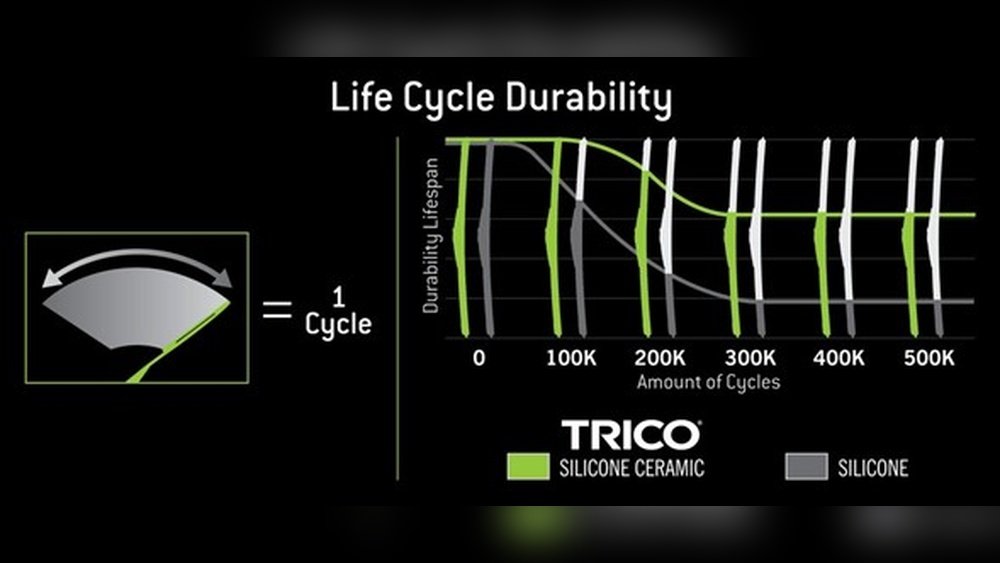
Rubber blades wear out faster due to sun and temperature changes. They can crack and become stiff over time. Silicone blades last longer because they resist damage from UV rays and ozone. They stay flexible in hot or cold weather. Silicone also resists dirt buildup, which keeps wiping smooth. This means fewer replacements and better visibility on the road.
Performance In Different Conditions
Performance in different weather conditions is a key factor in choosing wiper blades. Silicone and rubber blades behave differently depending on rain, snow, or noise levels. Understanding these differences helps pick the best blade for your needs.
Rain And Wet Weather
Silicone wiper blades offer excellent water repellency. They push water off the windshield faster than rubber blades. This leads to clearer vision during heavy rain. Rubber blades can leave streaks or patches behind. Silicone blades last longer in wet conditions without cracking. They maintain flexibility and wipe smoothly.
Snow And Ice Handling
Silicone blades resist freezing better than rubber ones. They do not get stiff or brittle in cold weather. This helps them glide over snow and ice more easily. Rubber blades may stick to icy windshields and tear. Silicone’s durability means less damage from scraping ice. They clear snow effectively without extra effort.
Noise And Smoothness
Silicone wiper blades run quietly on glass surfaces. They produce less squeaking or chattering sounds. Rubber blades tend to make more noise as they age. Silicone maintains a smooth wipe for a longer time. The soft material glides gently without harsh rubbing. This makes driving more comfortable, especially at night.
Longevity And Maintenance
Longevity and maintenance are key factors when choosing between silicone and rubber wiper blades. The lifespan and care needs affect how well the blades perform and how often you replace them. Understanding these aspects helps in making a smart choice for your car.
Wear And Tear Rates
Silicone wiper blades last longer than rubber ones. Silicone resists heat and cold better. This means it does not crack or harden easily. Rubber wears out faster under sun and cold weather. It may leave streaks sooner. Silicone blades keep wiping clean for many months.
Cleaning And Upkeep
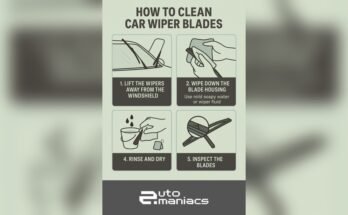
Silicone blades are easier to clean. Dirt and grime wash off quickly with water. Rubber blades need more care. They can gather dirt that causes noise and streaks. Regular cleaning extends the life of any blade. Silicone’s smooth surface stays cleaner longer, reducing the need for frequent cleaning.

Cost And Value Comparison
Cost and value matter a lot when choosing wiper blades. Silicone and rubber blades differ in price and durability. Understanding these differences helps you decide which option suits your needs and budget better.
Initial Price Differences
Silicone wiper blades usually cost more than rubber blades at first. The materials and manufacturing process make silicone blades pricier. Rubber blades are cheaper and easy to find in most stores. This lower price attracts many buyers on a tight budget.
Still, the upfront cost should not be the only factor. Think about how long the blades last and how well they work.
Long-term Investment
Silicone blades last longer than rubber blades. They resist wear and damage caused by weather. This means fewer replacements over time. Rubber blades wear out faster and need frequent changing. Frequent replacements add up and increase total costs.
Silicone blades also clean better for a longer time. This can improve driving safety and reduce eye strain. Spending more initially can save money and hassle later on.
Environmental Impact
Understanding the environmental impact of wiper blades helps make better choices. Both silicone and rubber blades affect the planet differently. Knowing these differences guides eco-friendly decisions.
Material Sustainability
Silicone wiper blades use synthetic materials made from silica. Silica comes from sand, a natural resource. Silicone lasts longer than rubber, reducing the need for replacements. Rubber blades come from natural rubber trees or synthetic rubber. Natural rubber is renewable but takes time to grow. Synthetic rubber is made from petroleum, a non-renewable resource. Silicone’s longer life means fewer blades end up in landfills over time.
Disposal And Recycling
Recycling options for silicone blades are limited but growing. Silicone is not biodegradable but can be recycled in special facilities. Rubber blades, especially natural rubber, break down more easily in nature. Synthetic rubber takes much longer to decompose. Most used wiper blades end up in landfills. Proper disposal methods can reduce environmental harm. Choosing blades with recycling programs helps lower waste.
User Experiences And Reviews
User experiences and reviews offer real insight into silicone versus rubber wiper blades. Buyers share honest thoughts about performance and durability. These reviews help others make informed choices.
Many users notice a difference in how smoothly silicone wipers work. They often last longer and resist weather effects better. Still, some prefer the classic feel of rubber blades. Reading various opinions gives a balanced view.
Customer Satisfaction
Most customers report high satisfaction with silicone wiper blades. They praise the quiet wiping and clear vision during rain. Many say these blades hold up well in cold and heat. Easy installation is another plus mentioned often.
Some users feel silicone blades perform better on older cars. They tend to glide smoothly without skipping or streaking. A significant number say silicone blades need less frequent replacement. This helps save money over time.
Common Complaints
Not all feedback is positive about silicone blades. Some users find them pricier than rubber options. A few mention the silicone can attract dust and dirt faster. This may cause smearing if not cleaned regularly.
Others report silicone blades sometimes chatter on very dry glass. This can make noise or reduce wiping quality. A small group prefers the softer touch of rubber blades. They feel rubber fits better on certain windshield shapes.
Choosing The Right Wiper Blade
Selecting the correct wiper blade is essential for safe driving. The right blade clears your windshield effectively. It also lasts longer and suits your driving conditions. Not all blades fit every car or weather. Understanding your vehicle and environment helps make the best choice.
Vehicle Types And Needs
Different vehicles require different wiper blades. Small cars often use shorter blades. Larger vehicles like trucks need longer blades for better coverage. Some cars have curved windshields needing flexible blades. Check your car manual for recommended blade size. Performance cars might need high-speed blades for stability. Choose blades that match your vehicle’s shape and size for best results.
Climate Considerations
Weather affects wiper blade performance greatly. Silicone blades handle heat better and resist cracking. Rubber blades work well in cold weather but can freeze. In rainy areas, smooth wiping is crucial. Silicone blades resist water buildup and leave fewer streaks. Snowy climates need blades that clear ice and snow easily. Pick a blade material that suits your local weather for clear vision all year.
Frequently Asked Questions
Are Silicone Wiper Blades More Durable Than Rubber?
Yes, silicone wiper blades last longer than rubber ones. Silicone resists cracking and hardening caused by UV rays and extreme temperatures, providing better longevity and consistent performance over time.
Do Silicone Wiper Blades Improve Visibility In Rain?
Silicone blades offer smoother and quieter wiping, which reduces streaks. This ensures clearer windshield visibility during rain, enhancing driver safety compared to traditional rubber blades.
Are Silicone Wiper Blades More Expensive Than Rubber?
Silicone wiper blades generally cost more upfront than rubber blades. However, their durability and performance can make them more cost-effective over time due to less frequent replacements.
How Do Silicone Wiper Blades Perform In Cold Weather?
Silicone blades remain flexible in cold weather, preventing cracking and freezing. This flexibility ensures effective wiping even in harsh winter conditions, unlike some rubber blades that stiffen and lose efficiency.
Conclusion
Silicone wiper blades last longer and resist weather better. Rubber blades clean well but wear out faster. Silicone stays smooth and keeps glass clearer. They cost more but save money over time. Choose silicone for durability and strong performance. Rubber works fine for short-term use.
Think about your climate and budget too. Either way, good wipers improve your driving safety. Clear vision matters every time you drive.