Have you ever wondered if a car vacuum can really get rid of dust from your seats? Keeping your car clean is important, not just for looks but for your comfort and health too.
Dust can build up quickly, making your ride less pleasant and even causing allergies. You might have a car vacuum at home or think about buying one, but does it actually do the job well? You’ll discover how effective a car vacuum is at removing dust from your seats and what you need to know to keep your car interior fresh and spotless.
Keep reading—you might be surprised by what you learn!
Effectiveness Of Car Vacuums On Seats
Car vacuums are a common tool for cleaning seats. Their effectiveness depends on several factors. Understanding these can help you get better results. Seats trap different types of dust and dirt. A vacuum’s power and design influence how well it cleans.
Types Of Dust Found On Car Seats
Car seats collect many dust types. These include fine dust, pet hair, crumbs, and dirt from clothes. Some dust sits on the surface. Other dust particles settle deeper into the fabric. Knowing what dust is on your seats helps in choosing the right cleaning method.
How Car Vacuums Work On Fabric
Car vacuums use suction to lift dust and small debris. They often come with brushes to loosen dirt from fabric. The vacuum’s airflow pulls dust into the dustbin or bag. Lightweight dust and loose particles come off easily. Fabric seats need gentle cleaning to avoid damage.
Limitations With Deep-set Dust
Car vacuums struggle with dust stuck deep in fabric fibers. Dust embedded in thick or worn seats may not come out fully. Stains or sticky dirt need special cleaners or steam. Some dust hides under seat cushions and seams. Regular vacuuming helps prevent deep dust buildup but may not remove it all.

Credit: www.amazon.com
Choosing The Right Car Vacuum
Choosing the right car vacuum is key for cleaning dust from seats effectively. Not all vacuums are made the same. Some models work better for certain tasks than others. Picking the right one saves time and effort. It also keeps your car seats cleaner.
Consider what you need from a vacuum. Think about power, size, and ease of use. This helps narrow down the choices. Below are important points to consider.
Corded Vs Cordless Models
Corded vacuums offer steady power without worrying about battery life. They usually have stronger suction. But cords can limit movement inside the car. Cordless vacuums provide more freedom to move around. You can reach every corner easily. Battery life limits the cleaning time though. Decide if you want constant power or more mobility.
Suction Power And Attachments
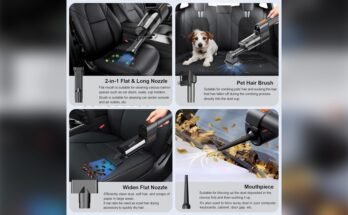
Strong suction is important to remove dust deeply from seats. Some vacuums come with different attachments. A brush tool helps loosen dust from fabric. A narrow nozzle reaches tight spaces between seats. Choose a vacuum with good suction and useful tools. This makes cleaning thorough and fast.
Battery Life And Portability
Long battery life means you clean without stopping. Portable vacuums are easy to carry and store. A lightweight model reduces hand strain. Small size helps reach hard areas. Check battery time and weight before buying. It makes cleaning simpler and more comfortable.
Step-by-step Seat Cleaning Process
Cleaning car seats with a vacuum helps keep your vehicle fresh and tidy. The process is simple but requires care for different seat materials. Follow these easy steps to remove dust and dirt efficiently. A clean seat improves comfort and car value.
Preparing The Car Interior
Start by removing all loose items from the seats and floor. Open doors or windows for good air flow. Use a brush or cloth to loosen dust on the seats. Check the vacuum cleaner for a clean filter and proper attachments. This preparation makes vacuuming easier and more effective.
Vacuuming Techniques For Fabric Seats
Use a vacuum with a brush attachment for fabric seats. Move the vacuum slowly over the seat surface. Focus on seams and crevices where dust hides. Avoid pressing too hard to protect the fabric. For stubborn dirt, run the vacuum multiple times in different directions.
Handling Leather And Vinyl Surfaces
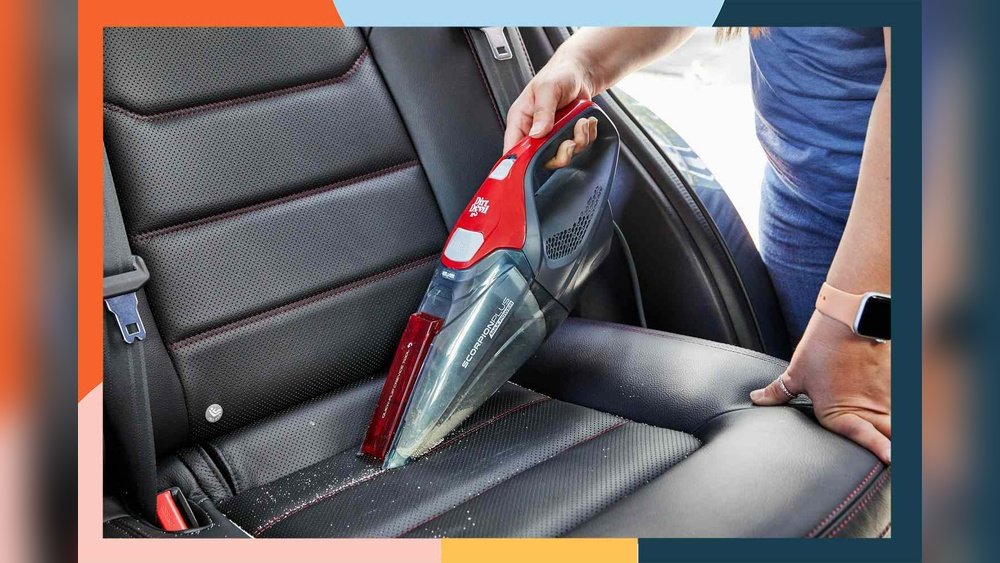
Leather and vinyl need gentle vacuuming to avoid scratches. Use a soft brush attachment or a handheld vacuum. Clean edges and folds carefully to remove dust. After vacuuming, wipe the surface with a damp cloth. This keeps the material soft and clean without damage.
:max_bytes(150000):strip_icc()/peo-car-vacuums-test-dirt-devil-scorpion-plus-corded-handheld-cleaner-sd30025b-walmart-dburreson-020-10-8248e011949d452d8f996a47a8bd148a.jpg)
Credit: people.com
Common Mistakes To Avoid
Cleaning car seats with a vacuum seems simple. Many people make small mistakes that reduce cleaning success. Avoid these errors to get seats truly clean and fresh.
Using Excessive Force
Pressing the vacuum too hard can damage seat fabric. It may wear out fibers or cause tears. Use gentle, steady pressure for best results. Let the vacuum do the work, not your strength.
Ignoring Seat Crevices
Dust gathers in seat folds and seams. Skipping these spots leaves dirt behind. Use a narrow nozzle or brush tool to reach tight spaces. Clean crevices well for thorough dust removal.
Skipping Pre-cleaning Steps
Vacuuming dirty seats without prep lowers effectiveness. Loose debris clogs the vacuum quickly. Brush or shake seats to remove large particles first. This makes vacuuming easier and more efficient.
Additional Tips For Deep Cleaning
Cleaning car seats deeply requires more than just vacuuming. Dust hides in fibers and corners. Using extra methods can help remove stubborn dirt and keep seats fresh longer. Follow these simple tips to improve your car seat cleaning routine.
Using Upholstery Cleaners
Upholstery cleaners are made for fabric and leather seats. Spray a small amount on the seat surface. Use a soft brush or cloth to scrub gently. This helps lift dirt and stains from deep inside the fabric. Wipe off excess cleaner with a clean cloth. Avoid soaking the seats to prevent damage.
Drying And Protecting Seats
After cleaning, seats must dry well. Leave car doors open on a sunny day. Avoid using heat directly on seats to stop cracks or shrinkage. Once dry, apply a fabric protector or leather conditioner. This adds a layer that repels dust and stains. It also keeps seats soft and looking new.
Regular Maintenance Practices
Vacuum seats often to stop dust buildup. Use a brush attachment to reach seams and crevices. Clean spills immediately to avoid stains. Keep windows closed in dusty areas. Regular cleaning extends seat life and keeps your car smelling fresh.
:max_bytes(150000):strip_icc()/rsp-car-vacuums-test-dewalt-20-volt-max-stick-ace-dburreson-008-6-35129f01e6b34677be824350c66e03e3.jpg)
Credit: www.realsimple.com
Frequently Asked Questions
Can A Car Vacuum Effectively Remove Dust From Seats?
Yes, a car vacuum can effectively remove dust from seats. It uses strong suction to lift dust and debris. Regular vacuuming helps maintain seat cleanliness and prevents dirt buildup.
What Types Of Car Vacuums Work Best On Seats?
Handheld vacuums with strong suction and specialized attachments work best. Look for models with brush nozzles to loosen dust from fabric seats.
Can Car Vacuums Clean Dust From Leather Seats?
Yes, car vacuums can remove dust from leather seats. Use a soft brush attachment to avoid scratching the leather surface.
How Often Should I Vacuum My Car Seats For Dust?
Vacuum your car seats every 1-2 weeks to keep dust at bay. Frequent cleaning helps maintain appearance and air quality inside the vehicle.
Conclusion
A car vacuum can help remove dust from seats effectively. It cleans dirt trapped in fabric and crevices well. Regular vacuuming keeps seats fresh and extends their life. Choose a vacuum with strong suction and suitable attachments. Small dust particles disappear quickly with the right tool.
Keeping your car clean feels good and protects your investment. Dust-free seats also improve air quality inside the car. Simple steps like vacuuming make a big difference. Try it often to maintain a neat and comfy car interior.