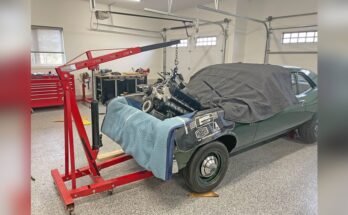
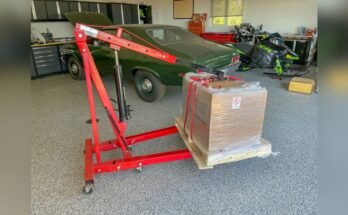
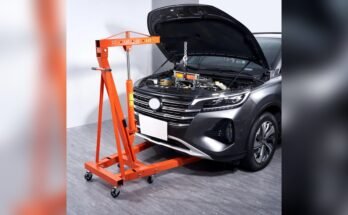
Are you planning to install a new engine and wondering if an engine hoist is the right tool for the job? Using the right equipment can make all the difference between a smooth installation and a frustrating, time-consuming mess.
An engine hoist might seem like a simple lift tool, but can it actually help you install your engine safely and efficiently? Keep reading to discover how an engine hoist can be your best ally during engine installation—and what you need to know to use it like a pro.
Engine Hoist Basics
An engine hoist is a tool designed to lift and move heavy engines safely. It helps mechanics and car owners handle engine removal and installation tasks. Understanding the basics of an engine hoist is important before using it for engine installation.
Knowing how it works and its parts ensures safe and effective operation. The hoist offers strong support and precise control during engine handling. Let’s explore the types and key components of engine hoists.
Types Of Engine Hoists
Engine hoists come in various forms. The most common type is the hydraulic engine hoist. It uses a hydraulic jack to lift heavy weights smoothly.
Another type is the electric engine hoist. It lifts engines using an electric motor, reducing manual effort. There are also shop crane hoists that provide more height and reach for larger engines.
Each type suits different workshop needs and budgets. Choosing the right hoist type depends on the engine size and workspace.
Key Components
Engine hoists consist of several key parts. The main part is the lifting arm or boom. It holds the engine during lifting and moving.
The hydraulic jack powers the lifting action in most hoists. It allows smooth and controlled lifting. Wheels or casters make the hoist mobile, letting users move engines easily.
Chain or lifting hook attaches the engine securely to the hoist. Safety locks and stabilizers keep the engine steady during work. These parts work together to handle heavy engines safely.

Engine Installation Requirements
Installing an engine requires careful planning and the right tools. The engine hoist plays a key role in this process. Before using it, certain requirements must be met. These ensure the installation is safe and efficient. Understanding these needs helps avoid damage and injury.
The first step is to consider the engine’s weight and size. Next, safety standards must be followed. Both factors affect how well the hoist works during installation.
Weight And Size Considerations
The engine hoist must support the engine’s full weight. Know your engine’s weight before starting. Check the hoist’s weight limit. Do not exceed this limit. The size of the engine also matters. It affects how you position and move the engine. Large engines need more space and stronger hoists. Small hoists may not work for heavy or big engines. Always match the hoist capacity with the engine size.
Safety Standards
Safety is crucial during engine installation. Use hoists that meet industry safety standards. Inspect the hoist for damage before use. Make sure all parts are secure and working well. Wear safety gear like gloves and boots. Keep the work area clear of obstacles. Never stand under a suspended engine. Follow proper lifting techniques to avoid accidents. Using a hoist without meeting safety rules risks injury and damage.
Using An Engine Hoist For Installation
Using an engine hoist for installation makes the process safer and easier. This tool helps lift and place the engine precisely into the vehicle. It reduces the risk of injury and damage during engine installation. Proper use of the hoist ensures smooth and controlled movements.
Preparation Steps
Start by clearing the workspace around the vehicle. Remove any obstacles that could block movement. Check the engine hoist for any damage or wear. Ensure all bolts and pins are tight and secure. Attach the hoist’s chains or straps firmly to the engine. Use strong points on the engine for lifting. Plan the path you will move the engine along. Make sure the vehicle is stable and won’t move during installation.
Proper Techniques
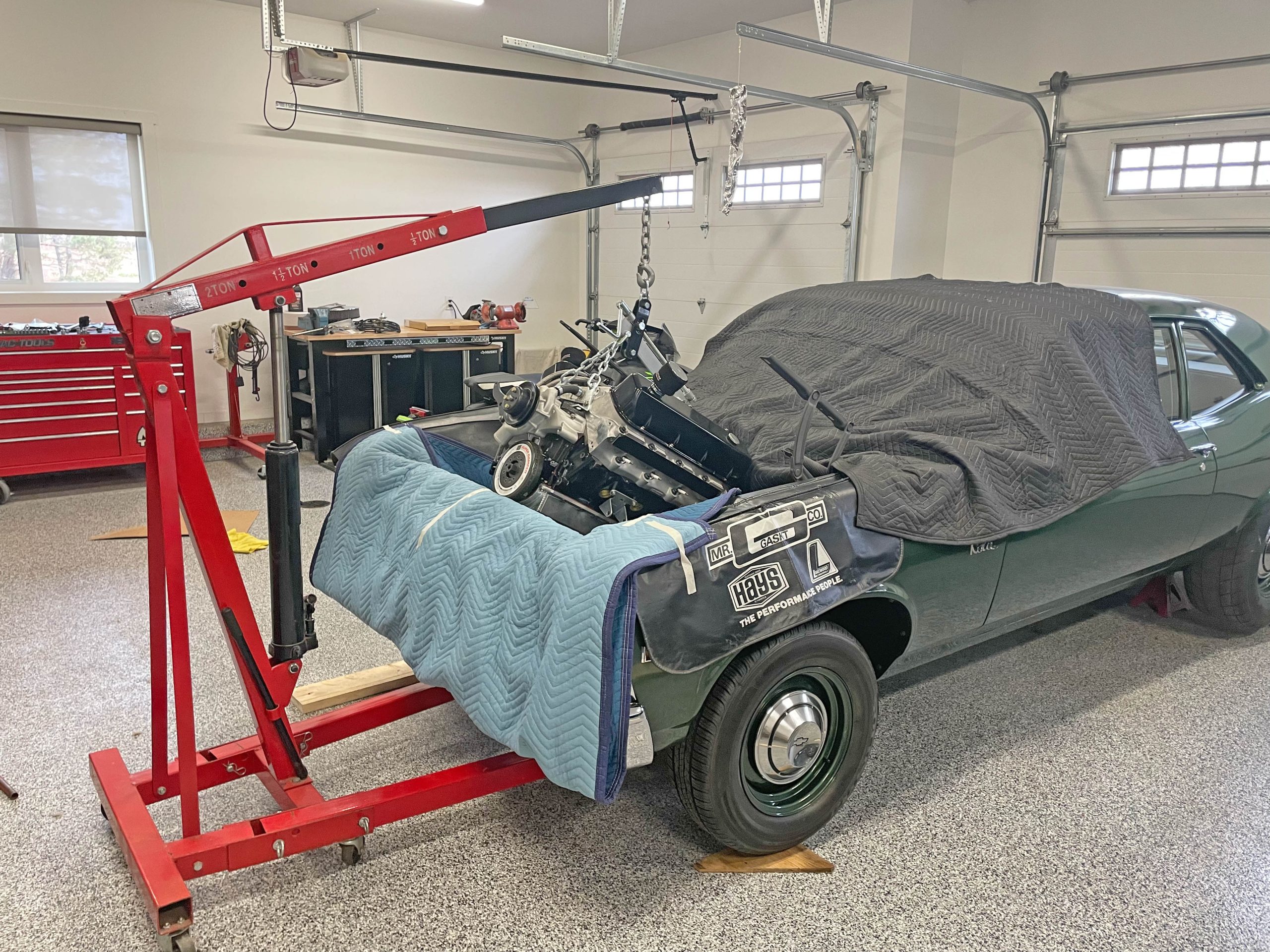
Lift the engine slowly and steadily using the hoist. Avoid sudden movements that could cause the engine to swing. Keep the load close to the hoist’s frame for better balance. Guide the engine carefully into the engine bay. Use a spotter to help with alignment and safety. Lower the engine gently onto the mounts. Double-check all connections before removing the hoist. Follow safety rules at all times to prevent accidents.
Common Challenges And Solutions
Using an engine hoist for engine installation brings some common challenges. These challenges can slow down the work or cause damage. Knowing these issues helps prepare better. Simple solutions can fix most problems and make installation smooth. Here are key challenges and how to handle them effectively.
Alignment Issues
Aligning the engine perfectly is hard with a hoist. Even a small misalignment can cause parts to fit poorly. This can lead to extra wear or engine damage. To avoid this, use guide pins or alignment tools. Lower the engine slowly and check the fit often. A helper can guide the engine into place. Take time to adjust before tightening bolts.
Handling Delicate Components
Engines have delicate parts like sensors and wiring. They can break if not handled carefully. Protect these parts by covering them during the lift. Use soft straps or padding on the hoist hooks. Avoid swinging or sudden movements. Keep tools and parts organized to prevent accidents. Handle the engine gently to keep all components safe.
Expert Tips For Efficient Installation
Installing an engine using an engine hoist requires more than just lifting power. Careful planning and the right approach make the job smoother. Experts share key tips that can help anyone complete the task safely and efficiently.
Tool Selection
Choosing the right tools is essential for engine installation. Use an engine hoist rated for your engine’s weight. Include sturdy chains or straps to secure the engine. A set of wrenches and sockets will help with bolts and connections. Avoid cheap or worn tools that might break or slip.
Consider a level or angle finder to position the engine correctly. A creeper or padded mat can make working under the car easier. Having all tools ready before starting saves time and frustration.
Team Coordination
Working with a partner improves safety and control. One person can guide the engine while the other operates the hoist. Clear communication prevents accidents and damage. Use simple signals or voice commands to stay in sync.
Plan each step together before lifting. Discuss how to handle tight spots or tricky alignments. Taking breaks to check progress helps avoid mistakes. Teamwork makes the installation faster and less stressful.

Alternatives To Engine Hoists
Alternatives to engine hoists offer different ways to lift and install engines. These tools can be safer or more convenient depending on the job. Understanding the options helps you pick the right tool for your needs. Two common alternatives are engine cranes and hydraulic lifts.
Engine Cranes
Engine cranes are strong and reliable tools. They use a hook and chain to lift the engine. Many models have wheels for easy movement around the garage. You can adjust the boom length to reach different heights. Engine cranes provide good control during engine installation. They work well in tight spaces or smaller workshops. These cranes require less setup time compared to some other tools.
Hydraulic Lifts
Hydraulic lifts use fluid pressure to raise heavy loads smoothly. They can lift engines vertically or at an angle. These lifts often come with adjustable arms for precise positioning. Hydraulic systems reduce the physical effort needed to move an engine. They are useful for lifting engines straight out of the vehicle. Many shops use hydraulic lifts for quick and safe engine removal or installation.
Frequently Asked Questions
Can An Engine Hoist Be Used For Engine Installation?
Yes, an engine hoist can be used for engine installation. It provides the necessary support and lifting power to safely position the engine into the vehicle. Proper use and secure attachment are essential for a smooth installation process.
What Safety Tips Apply When Using An Engine Hoist?
Always check the hoist’s weight capacity before use. Securely fasten all chains and hooks. Work on a flat, stable surface and wear protective gear. Never leave the engine suspended unattended to prevent accidents.
Is An Engine Hoist Suitable For All Engine Types?
Engine hoists are versatile and can handle most engine sizes. However, always verify the hoist’s load limit matches the engine’s weight. For very large or heavy engines, specialized lifting equipment may be required.
How Do You Secure An Engine To A Hoist For Installation?
Use proper lifting chains or straps attached to designated engine lifting points. Double-check all connections for tightness. Avoid using damaged or worn hardware to ensure safe lifting during installation.
Conclusion
An engine hoist works well for engine installation. It helps lift heavy parts safely and with control. Use the right tools and follow safety steps. This keeps the job easier and avoids damage. Take your time and check everything twice.
A good hoist makes engine work less stressful. It’s a helpful tool for both beginners and pros. Remember, careful handling leads to better results. This way, your engine install will go smoothly and safely.