Are you wondering if an engine hoist can lift a transmission safely and easily? If you’re working on your vehicle and thinking about moving heavy parts, this question is crucial.
Using the right tool can save you time, effort, and even prevent injury. You’ll discover exactly how an engine hoist works with transmissions, what you need to know before lifting, and tips to make the process smooth and safe. Keep reading to find out if your engine hoist is up for the task and how to use it like a pro.
Engine Hoist Basics
An engine hoist is a tool designed to lift heavy parts like engines and transmissions safely. It helps mechanics move these parts without strain or injury. Understanding the basics of engine hoists is important before using one for lifting a transmission.
Engine hoists come in different styles and sizes. Each type serves a specific purpose and offers unique features. Knowing these types helps in choosing the right hoist for your task.
Types Of Engine Hoists
There are mainly two types of engine hoists: hydraulic and electric. Hydraulic hoists use fluid pressure to lift heavy loads. They are common and reliable for most garage jobs. Electric hoists use motors to lift parts. They require less physical effort but are usually more expensive. Both types have folding designs for easy storage.
Load Capacity Considerations
Load capacity is the maximum weight a hoist can lift safely. It is crucial to check this before lifting a transmission. Most engine hoists can lift between 1 and 3 tons. Always select a hoist with a capacity higher than the weight of the transmission. This ensures safety and prevents damage to the hoist or the part.
Transmission Weight Factors
Understanding transmission weight is key before lifting. Transmissions vary in size and weight. This affects the type of hoist you need. Knowing these weight factors helps in choosing the right equipment. It also ensures safe handling and prevents damage.
Common Transmission Weights
Manual transmissions usually weigh between 75 to 150 pounds. Automatic transmissions tend to be heavier, from 100 to 300 pounds. Larger trucks and SUVs have transmissions that can weigh over 300 pounds. Some heavy-duty models may even exceed 400 pounds. Weight depends on the transmission type and vehicle size.
Impact On Hoist Selection
Choose a hoist with a weight capacity above your transmission’s weight. A hoist rated for 500 pounds covers most transmissions safely. Using a hoist with too low capacity risks failure and injury. Check hoist specifications carefully before lifting. The right hoist makes the job easier and safer.
Lifting A Transmission Safely
Lifting a transmission requires care and attention. The transmission is heavy and awkward to move. Using an engine hoist can help, but safety must come first.
Proper technique protects you and your equipment. It also prevents damage to the transmission. Follow these key steps to lift a transmission safely.
Proper Attachment Points
Find the solid points on the transmission to attach the hoist. Use the bolts or brackets designed for lifting. Avoid weak or thin parts that can break.
Secure the hoist hooks to these strong points. Check that all connections are tight. Loose attachments can cause the transmission to fall.
Using Chains And Straps
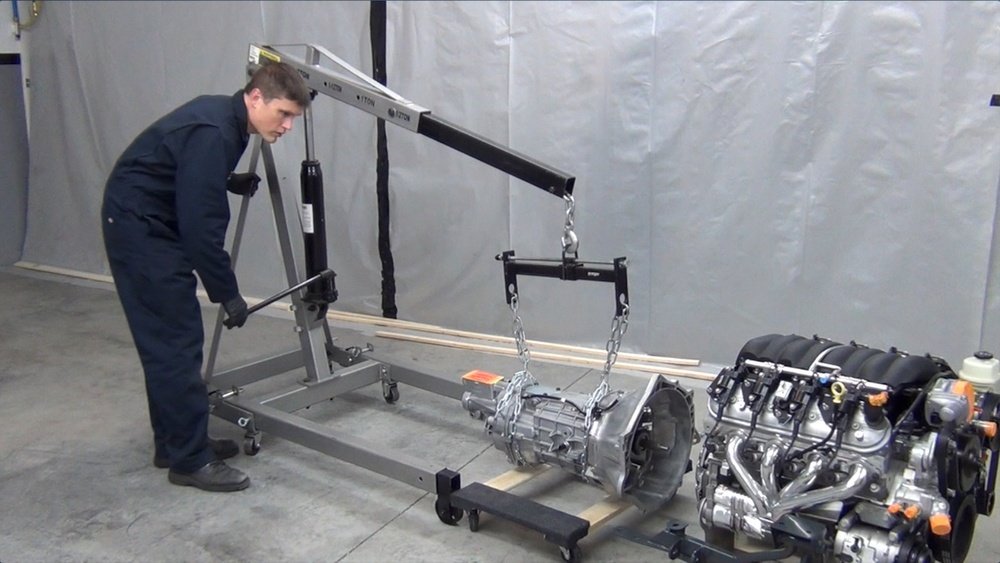
Use heavy-duty chains or straps to connect the transmission to the hoist. Chains must have the right weight rating for the load. Straps should be wide and strong.
Wrap chains or straps around the transmission carefully. Avoid sharp edges that can cut or wear the material. Inspect all gear before lifting.
Balancing The Load
Keep the transmission balanced while lifting. Uneven weight can tip the hoist or damage the part. Adjust chains or straps to center the load.
Lift slowly and watch the transmission’s movement. Stop immediately if it shifts or swings. Balance ensures a safe and smooth lift every time.

Comparing Engine Hoists And Transmission Jacks
Comparing engine hoists and transmission jacks helps understand their roles in auto repair. Both tools assist with heavy parts but serve different purposes. Choosing the right tool improves safety and efficiency. This section explains key differences and best uses for each.
Design Differences
Engine hoists have a tall frame with a hydraulic arm. They lift engines vertically from the vehicle. The arm extends and moves the load outward. Wheels allow easy movement around the garage.
Transmission jacks have a low profile and wide base. They support transmissions under the vehicle. The platform tilts and adjusts height precisely. Their design fits tight spaces under cars.
Best Uses For Each Tool
Use engine hoists for lifting entire engines out of the car. They handle heavy weight and large size. Hoists provide stable lifting from above the engine bay.
Transmission jacks work best for removing or installing transmissions. They fit under vehicles and support transmissions during alignment. Their tilt feature helps match transmission angles easily.
Common Challenges And Solutions
Using an engine hoist to lift a transmission has its challenges. Transmissions can be heavy and awkward to handle. This creates risks for both the user and the equipment. Knowing common problems helps prevent accidents and damage. Simple solutions make the job safer and easier.
Handling Heavy Or Bulky Transmissions
Transmissions weigh a lot and often have odd shapes. Balancing them on a hoist can be tricky. Use strong chains or straps rated for the weight. Secure the transmission firmly before lifting. Lift slowly and keep the load steady. Avoid sudden movements that could cause swinging. If the transmission is too large, consider extra hands to guide it.
Avoiding Hoist Damage
Overloading the hoist can cause serious damage. Check the hoist’s weight limit before starting. Do not lift more than the hoist can handle. Inspect the hoist for wear or defects regularly. Use proper attachments designed for transmissions. Avoid sharp edges that can cut chains or straps. Keep the hoist clean and lubricated to ensure smooth operation.

Maintenance Tips For Engine Hoists
Keeping an engine hoist in good shape makes it safer and lasts longer. Regular care helps avoid accidents and costly repairs. Simple maintenance tasks keep the hoist working smoothly.
Regular Inspection
Check the hoist for cracks or rust every time before use. Look at the chains, hooks, and bolts closely. Tighten any loose parts and replace damaged ones fast. Testing the hoist’s lifting ability helps catch problems early. Do not use the hoist if you find any faults.
Lubrication And Storage
Keep moving parts oily to stop them from sticking or wearing out. Use the right grease for joints and wheels often. Store the hoist in a dry place to avoid rust. Cover it with a cloth or plastic sheet for extra protection. Proper storage keeps the hoist ready for the next job.

Frequently Asked Questions
Can An Engine Hoist Lift A Transmission Safely?
Yes, an engine hoist can lift a transmission if it has the correct weight capacity. Ensure the hoist is rated for the transmission’s weight. Use proper chains or straps for secure lifting and maintain balance during the process to avoid accidents or damage.
What Weight Capacity Is Needed To Lift A Transmission?
Most transmissions weigh between 100 and 400 pounds. Choose an engine hoist with a weight capacity exceeding the transmission’s weight. A hoist rated for at least 500 pounds is generally safe for most transmissions to ensure stability and safety.
How Do I Attach A Transmission To An Engine Hoist?
Use strong chains or lifting straps attached to secure transmission points. Avoid hooking onto fragile parts to prevent damage. Double-check all connections before lifting to ensure a safe and balanced lift.
Are Engine Hoists Better Than Transmission Jacks?
Engine hoists are versatile and can lift transmissions but lack the stability of transmission jacks. Transmission jacks are designed specifically for transmissions with better support and maneuverability during installation or removal.
Conclusion
An engine hoist can lift a transmission safely with the right tools. Use proper chains or straps to secure the load firmly. Check the hoist’s weight limit before starting any work. Always work on a flat, stable surface to avoid accidents.
Take your time and stay careful during lifting and moving. This simple tool helps with heavy parts like transmissions. Stay safe and follow all instructions for best results.