Are you wondering if car dollies can be used on trailers? You’re not alone.
Many people ask this question because using the right equipment can save you time, money, and stress. But before you try it, you need to know the facts. You’ll discover how car dollies work with trailers, what you should watch out for, and whether it’s a safe and smart choice for your next move.
Keep reading to make sure you’re making the best decision for your vehicle and your journey.
Car Dollies Basics
Car dollies make moving vehicles easier and safer. They lift and hold the wheels off the ground. This allows towing without damaging the car’s transmission or tires. Understanding the basics of car dollies helps you use them correctly.
Car dollies come in different styles and sizes. Choosing the right one depends on the vehicle and trailer type. Knowing how they work is key to safe towing and transport.
What Are Car Dollies
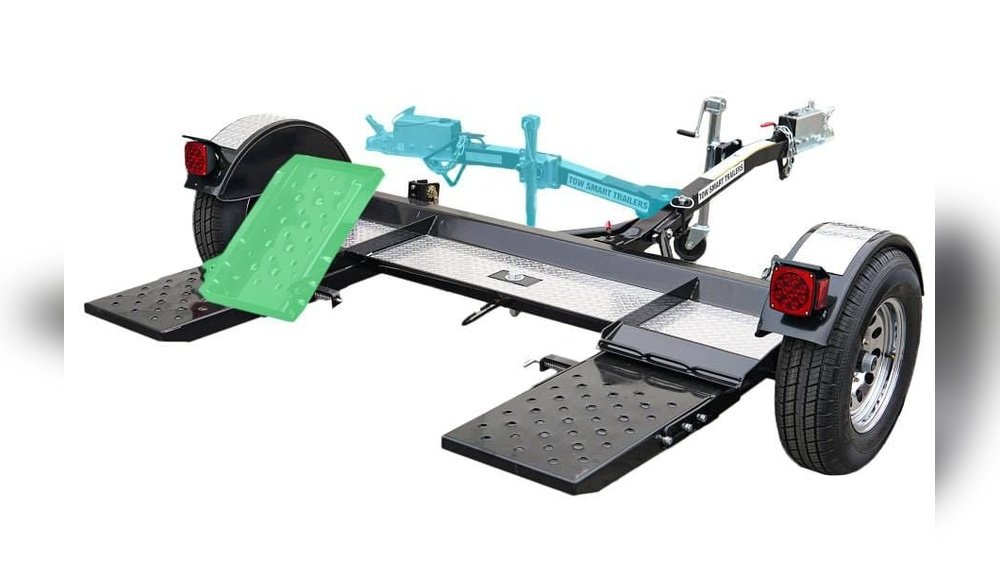
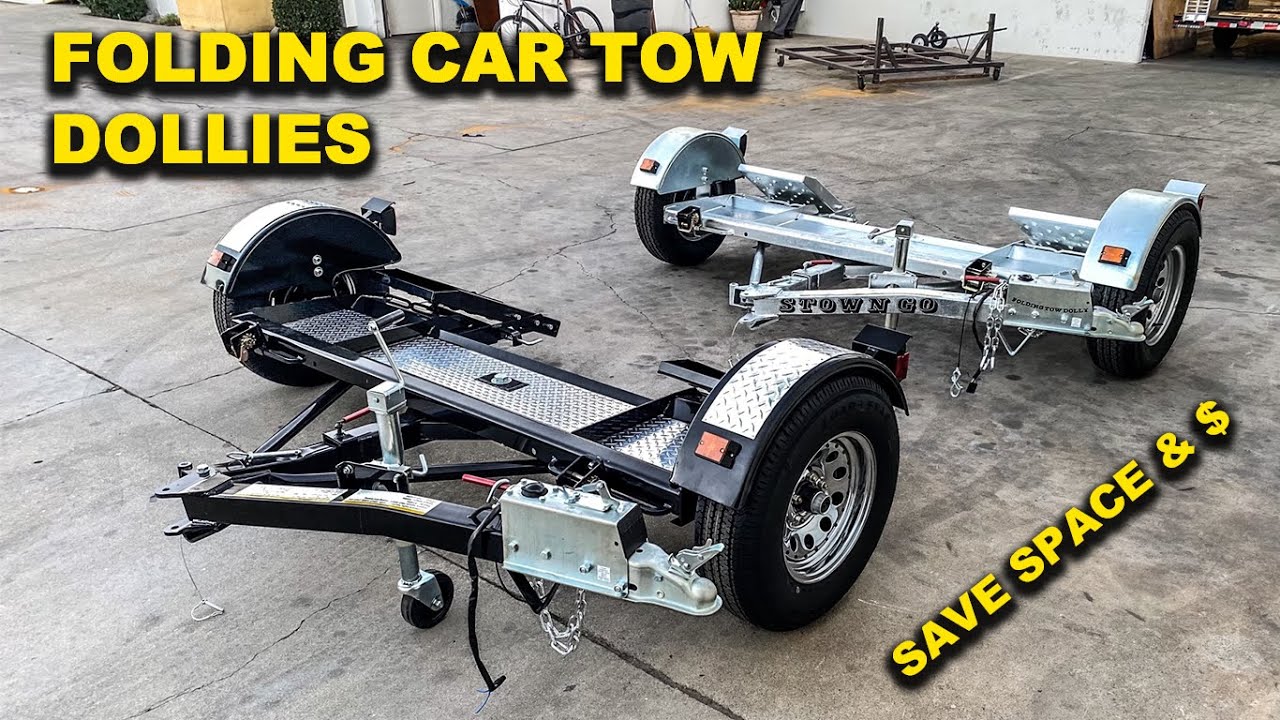
Car dollies are small platforms with wheels. They fit under a vehicle’s tires. The dolly lifts the tires off the road. This prevents wear on the car’s wheels during towing. Dollies also help steer the vehicle while moving.
Most dollies have adjustable parts. This lets them fit different car sizes. They connect to a trailer or tow vehicle. This setup supports the car’s weight safely.
Common Uses For Dollies
Car dollies are often used for towing cars behind RVs. They allow two-vehicle transport without extra drivers. Dollies also help move vehicles in tight spaces.
Mechanics use dollies to shift cars inside garages. They aid in transporting damaged or non-running cars. Dollies make it easier to load cars onto trailers.

Trailer Types And Compatibility
Car dollies help move vehicles easily and save space. They work best when paired with the right trailer. Different trailers have different designs and features. This affects how well a car dolly fits and works with them. Knowing trailer types and their compatibility with dollies is key to safe towing.
Types Of Trailers
Open trailers are simple and have no walls. They are lightweight and easy to load. Enclosed trailers protect vehicles from weather and dirt. They have walls and a roof for full coverage. Flatbed trailers have a flat surface without sides. They offer easy loading for many vehicle types. Each trailer type suits different towing needs.
Dollies And Trailer Compatibility
Car dollies fit best on trailers with ramps or low decks. Open trailers often work well with dollies. Enclosed trailers may limit dolly use due to space. Flatbed trailers allow easy positioning of dollies and vehicles. Check trailer weight limits before adding dollies. Matching dolly size to trailer width is important. Proper fit prevents shifting and damage during travel.
Using Dollies On Trailers
Using car dollies on trailers is a practical solution for moving vehicles. Dollies help in shifting cars without driving them. They make transport easier, especially for long distances or damaged vehicles.
Car dollies fit well on trailers designed to carry heavy loads. Proper setup and safety are vital. This ensures the vehicle stays secure during travel.
Setup And Attachment
Start by placing the dolly on the trailer’s flat surface. Align it with the trailer’s tie-down points. Secure the dolly using strong straps or chains. Make sure the dolly is centered to balance the weight evenly.
Next, roll the vehicle onto the dolly slowly. The wheels should fit snugly into the dolly’s channels. Use wheel chocks to prevent movement. Attach safety straps to the vehicle’s frame for extra hold.
Safety Considerations
Check all connections before driving. Loose straps can cause accidents on the road. Inspect the dolly and trailer for damage. Replace worn parts immediately.
Drive at moderate speeds to reduce sway. Avoid sharp turns that may shift the load. Always follow legal weight limits for trailers and dollies. Proper lighting and signals on the trailer improve visibility to other drivers.
Benefits Of Dollies With Trailers
Using car dollies with trailers offers several clear benefits. They make moving trailers simpler and safer. Dollies help control and protect both the trailer and the vehicle towing it.
Improved Maneuverability
Dollies help trailers turn easier in tight spaces. They allow sharper, smoother turns without stressing the towing vehicle. This is very useful in crowded areas or narrow driveways. Dollies give more control over trailer direction and speed. This reduces the chance of accidents or damage.
Reduced Tire Wear
Dollies take some weight off the trailer tires. This lowers friction and prevents fast tire wear. Tires last longer and need less frequent replacement. Reduced tire wear also means safer towing. It prevents blowouts and improves fuel efficiency during transport.
Limitations And Risks
Using car dollies on trailers can seem helpful but carries clear limits and risks. Understanding these is key to avoid trouble and damage. Safety and proper use depend on knowing what dollies can and cannot handle.
Weight And Load Restrictions
Car dollies have strict weight limits. Exceeding these limits risks breaking the dolly or trailer. Each dolly is designed for certain vehicle weights only. Trailers also have maximum load capacities. Ignoring these rules can cause accidents or damage. Always check the weight of your vehicle and the dolly’s rating before use. Overloading can lead to loss of control on the road.
Potential Damage To Trailer Or Vehicle
Using dollies incorrectly can harm both trailer and vehicle. Dollies may create pressure points on the trailer floor. This can cause cracks or dents over time. Vehicles might suffer from uneven support and stress on tires or suspension. Improperly secured dollies can shift during transit, causing damage. Protect your equipment by following proper loading and securing methods. This reduces wear and tear and keeps your vehicle safe.

Alternatives To Car Dollies
Car dollies are useful but not the only option for moving vehicles. Other tools and methods can help transport cars safely and easily. These alternatives can fit different needs and trailer types. Below are two common options for towing cars without using a dolly.
Tow Bars
Tow bars connect one vehicle to another. They let you pull a car behind without lifting its wheels. This tool works well for small distances and smooth roads. Tow bars keep the car’s tires on the ground, reducing wear. Setup is simple and quick, making it a popular choice.
Tow bars require a proper hitch on the towing vehicle. Safety chains add extra security during transport. Some models fold or detach for easy storage. Ideal for cars that can roll freely without damage.
Flatbed Trailers
Flatbed trailers carry the entire vehicle off the ground. This method avoids any contact between the towed car’s tires and the road. It offers maximum protection from road debris and weather. Flatbeds handle all types of vehicles, even heavy or damaged ones.
Loading a car onto a flatbed needs ramps or a winch. This type of trailer often comes with straps to secure the vehicle. Flatbeds are common for long distances or professional towing. They provide peace of mind and prevent wear on the towed car.
Tips For Safe Towing
Towing a car dolly on a trailer requires care and attention. Safety should be your top priority. Proper steps help prevent accidents and damage. Follow these tips for smooth and safe towing.
Proper Loading Techniques
Place the car dolly evenly on the trailer. Balance the weight to avoid swaying. Secure the dolly with strong straps or chains. Check that the car on the dolly is stable. Avoid overloading the trailer beyond its capacity.
Regular Equipment Inspections
Inspect the trailer, dolly, and towing vehicle often. Look for worn tires, loose bolts, and damaged parts. Check the lights and brakes before every trip. Replace any faulty equipment immediately. Regular checks keep your towing safe and reliable.
Frequently Asked Questions
Can Car Dollies Be Used On All Types Of Trailers?
Car dollies can be used on many trailers, but compatibility depends on trailer size and design. Always check weight limits and hitch types before use to ensure safe towing.
Do Car Dollies Improve Trailer Towing Safety?
Yes, car dollies can improve towing safety by distributing weight evenly. They reduce strain on the trailer and vehicle, enhancing stability during transport.
Are Car Dollies Easy To Attach To Trailers?
Most car dollies are designed for easy attachment. Proper alignment and secure hitch connections are essential for safe and efficient use on trailers.
What Vehicles Are Compatible With Car Dollies On Trailers?
Car dollies generally work with cars, SUVs, and light trucks. Verify your vehicle’s towing capacity and dolly specifications before use for safe transport.
Conclusion
Car dollies can work well with trailers, but choose carefully. Check weight limits and trailer type before use. Proper setup keeps your vehicle safe during transport. Using dollies makes moving cars easier on trailers. Always follow instructions for best results and safety.
This helps prevent damage and saves time. Car dollies add convenience but need correct handling. Simple steps make your towing experience smooth and safe.


