Have you ever noticed your wiper blades struggling just when you need them most on a chilly morning? Cold weather can sneakily harm your wiper blades, leaving you with streaky, ineffective wipes right when visibility is crucial.
If you rely on clear vision during winter drives, understanding how cold affects your wipers is essential. Keep reading to discover why your wiper blades may fail in cold weather and what you can do to protect them—because your safety on the road depends on it.
How Cold Affects Wiper Materials
Cold weather can harm wiper blades in many ways. The materials used in wipers react to low temperatures. These changes can reduce how well the blades work. Understanding these effects helps keep wipers in good shape during winter.
Rubber Stiffness In Low Temperatures
Rubber becomes stiff and hard in cold weather. This stiffness stops the blade from bending properly. The blade may skip or leave streaks on the glass. Over time, stiff rubber can crack and break.
Impact On Blade Flexibility
Wiper blades need to be flexible to clean well. Cold makes the blades less flexible and rigid. This reduces the contact with the windshield. Poor contact means poor wiping and reduced visibility.
Effect On Wiper Frame Components
The metal and plastic parts in the frame also suffer in cold. Metal can contract and lose tension. Plastic parts may become brittle and snap. These changes hurt the blade’s movement and pressure on glass.

Common Cold Weather Wiper Issues
Cold weather can cause several problems for windshield wiper blades. These issues reduce the blades’ ability to clean your windshield. Knowing the common problems helps you take better care of your wipers during winter.
Blade Freezing And Sticking
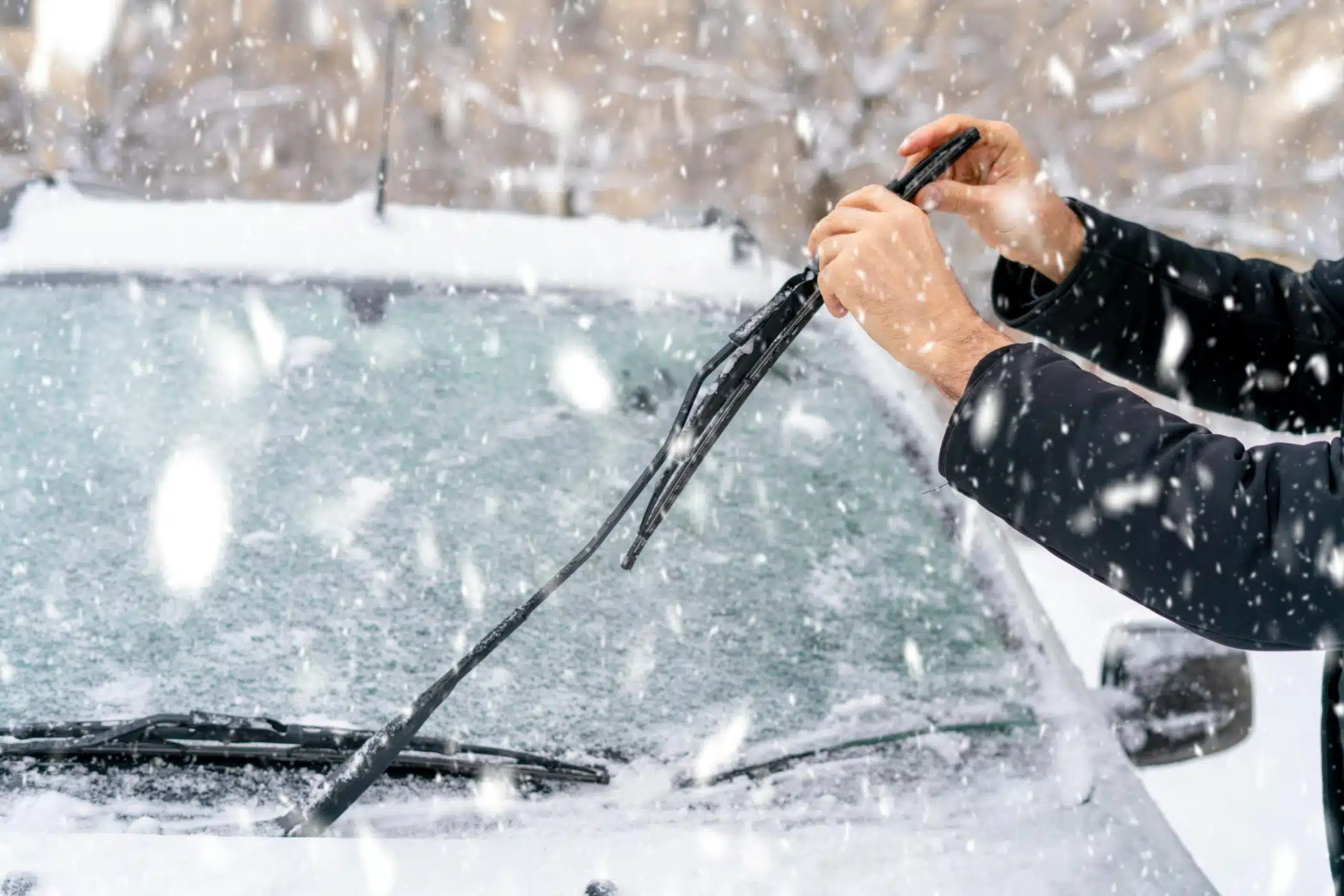
Wiper blades can freeze to the windshield in cold weather. Ice builds up on the rubber, making blades stick. This can cause damage when you try to move them. Frozen blades may tear or lose shape.
Reduced Cleaning Efficiency
Cold temperatures make rubber stiff and less flexible. Stiff blades do not glide smoothly across the glass. Dirt and water may stay on the windshield. This reduces your visibility and driving safety.
Increased Wear And Tear
Cold weather makes rubber brittle and weak. Blades wear out faster and crack easily. Frequent use in winter can shorten blade life. You might need to replace them more often.
Preventing Cold Weather Damage
Cold weather can harm wiper blades if you do not take care. Ice and snow make blades stiff and less flexible. This can cause them to crack or tear. Preventing damage helps keep your windshield clear and your driving safe. Small steps can protect your blades from cold weather wear.
Choosing Winter-grade Wiper Blades
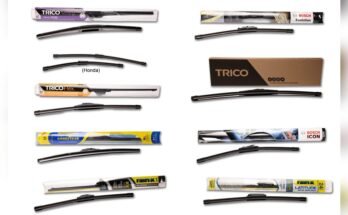
Winter-grade wiper blades are made for cold and icy conditions. They have a rubber coating that stays soft in freezing weather. This helps the blade move smoothly across the windshield. These blades resist cracking and last longer during winter months. Swap your regular blades for winter ones before cold arrives.
Proper Maintenance Tips
Check your wiper blades often during winter. Remove ice and snow buildup before using them. Lift the blades off the windshield when parked to stop sticking. Clean the blades with a soft cloth and mild soap. Replace blades if they show cracks or miss spots while wiping.
Using De-icing Products Safely
Use de-icing sprays carefully to melt ice around wipers. Avoid spraying directly on rubber blades to prevent damage. Follow product instructions and use only as needed. Do not force blades to move if frozen to the windshield. Let ice melt naturally or use warm water safely.

Signs It’s Time To Replace Wiper Blades
Cold weather can harm your wiper blades over time. Knowing when to replace them helps keep your windshield clear and safe. Watch for certain signs that show your wipers need changing.
Streaking And Smearing
Wiper blades should wipe cleanly. If they leave streaks or smears, they are worn out. Cold weather can make rubber stiff, causing poor contact with glass. Streaking reduces visibility and can be dangerous.
Chattering Or Skipping
Listen for chattering sounds when your wipers move. Skipping means the blade is not sliding smoothly. Cold can cause the rubber to harden and lose flexibility. This noise signals the blade is losing its grip.
Visible Cracks Or Splits
Check the rubber edge for cracks or splits. Cold temperatures dry out rubber, making it brittle. Cracks let water pass through, lowering wiping quality. Replace blades showing visible damage to maintain clear vision.
Additional Winter Care For Windshields
Winter brings many challenges for your car’s windshield. Cold weather can cause damage not only to wiper blades but also to the glass itself. Proper care helps keep your windshield clear and safe during snowy and icy days. Follow these tips to protect your windshield and maintain good visibility all winter long.
Clearing Ice And Snow Safely
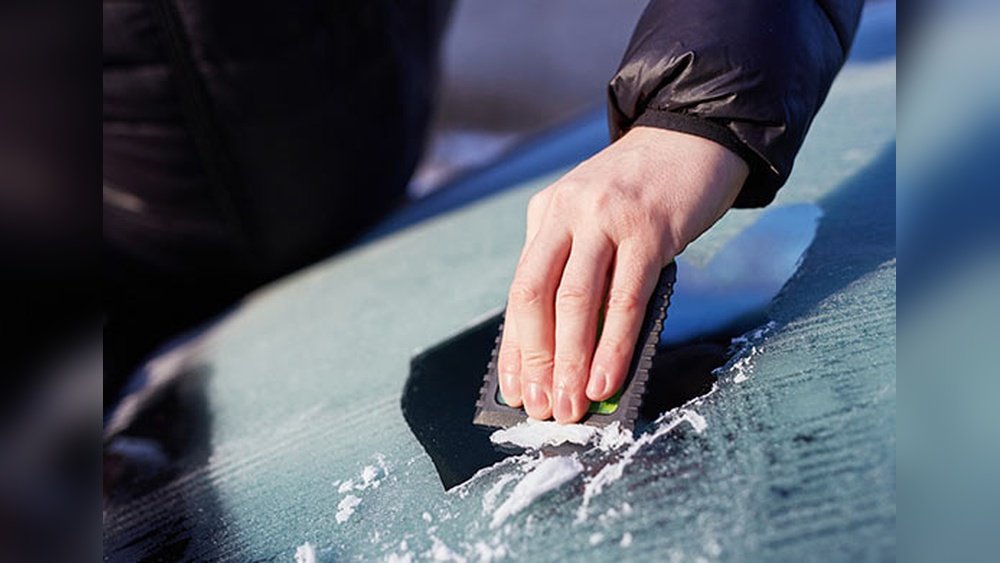
Use a soft ice scraper or a plastic shovel to remove ice and snow. Avoid using metal tools or sharp objects that can scratch the glass. Let your car warm up for a few minutes before scraping. This softens ice and makes it easier to clear. Never try to lift heavy snow with your wipers. This can damage the blades and the motor.
Using The Right Washer Fluid
Choose washer fluid made for winter use. It prevents freezing in cold temperatures. Regular water or summer fluid can freeze on your windshield. This makes visibility worse and can harm the wiper system. Check the fluid level often and refill before a trip. Clean fluid helps remove salt and dirt from the glass.
Protecting Your Windshield
Park your car in a garage or covered area if possible. This reduces ice buildup and sun damage. Use a windshield cover to keep snow and ice off. Avoid pouring hot water on your windshield to melt ice. This can crack the glass due to temperature shock. Regularly inspect your windshield for chips or cracks. Repair small damage quickly to prevent it from spreading.
Frequently Asked Questions
Can Cold Weather Cause Wiper Blades To Crack?
Yes, cold weather can make wiper blades brittle and prone to cracking. Low temperatures harden the rubber, reducing flexibility and causing damage over time.
How Does Ice Affect Wiper Blade Performance?
Ice buildup on wiper blades prevents proper contact with the windshield. This reduces visibility and can tear or deform the blade edges.
Should I Replace Wiper Blades After Winter?
It’s advisable to inspect and possibly replace wiper blades after winter. Cold and ice can degrade the rubber, affecting performance and safety.
Can Freezing Temperatures Shorten Wiper Blade Lifespan?
Freezing temperatures accelerate wear by making rubber stiff and fragile. This shortens the overall lifespan of your wiper blades significantly.
Conclusion
Cold weather can harm wiper blades over time. Ice and snow make the rubber stiff and brittle. This leads to cracks and poor wiping. Regular checks help catch damage early. Replace blades if they leave streaks or miss spots. Clean blades gently to avoid tearing.
Proper care keeps your windshield clear and safe. Stay aware of weather effects on your car parts. A little attention goes a long way in winter.