Have you ever wondered if the video from your dash cam could actually help you in a legal situation? Imagine being involved in a car accident or a dispute where your word alone isn’t enough.
Your dash cam might just be the key to proving what really happened. But can dash cam footage be trusted and accepted in court? You’ll discover how this powerful piece of evidence works, what rules apply, and how it could protect you when it matters most.
Keep reading to learn how your dash cam might become your best legal ally.

Dash Cam Footage As Evidence
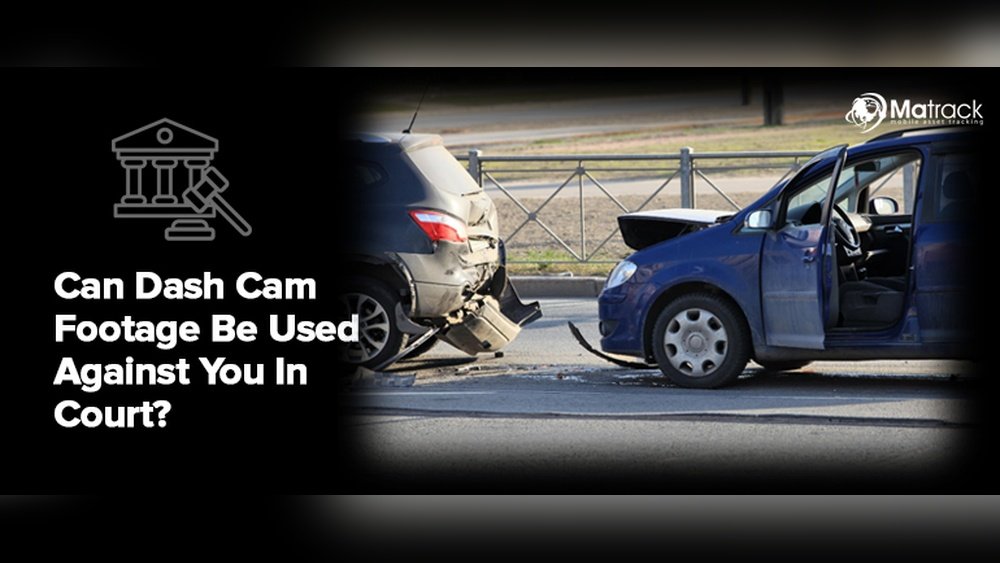
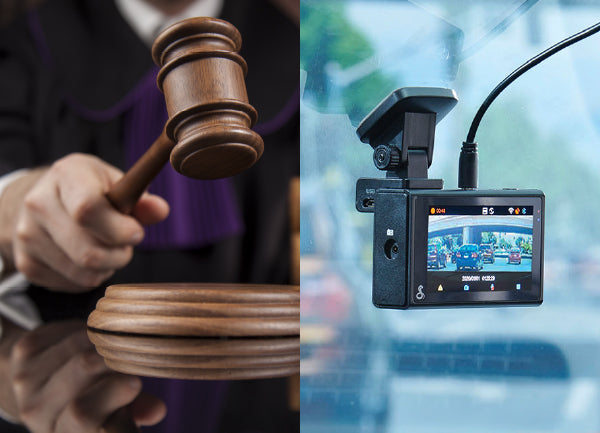
Dash cam footage is a valuable tool in legal cases involving vehicles. It records real-time events on the road, providing clear and unbiased evidence. Courts often consider this footage to help decide the facts of a case. Dash cam videos can show what really happened during accidents or traffic stops.
Using dash cam footage in court depends on several factors. The law around this evidence varies by place. Understanding these rules helps drivers and lawyers prepare better. The quality and authenticity of the video also affect its use in court.
Legal Status Of Dash Cam Videos
Dash cam videos are legal in most areas for personal use. They are allowed as long as they do not violate privacy laws. Some regions have strict rules about recording in public or private spaces. Knowing local laws is important before using dash cams.
Court systems usually accept dash cam videos as evidence. They treat these videos like other recorded evidence. The key is to ensure the footage is genuine and not altered.
Admissibility Criteria In Court
Court judges check certain rules before accepting dash cam footage. The video must clearly show the incident in question. It should be free from edits or tampering. The person who recorded the footage may need to testify about it.
The footage’s date and time must be accurate. Poor video quality can make the evidence less reliable. Courts also consider if the video was obtained legally.
Common Legal Challenges
Opponents may question the video’s authenticity or clarity. They might claim the footage is edited or misleading. Privacy concerns can also cause disputes over using dash cam videos.
Sometimes, the camera angle may not show the full event. This can weaken the impact of the evidence. Proper use and storage of dash cam footage reduce these problems.

Laws Governing Dash Cam Use
Dash cams record events on the road and can be valuable in court cases. But laws about their use differ widely. Understanding these rules helps you use dash cam footage properly and legally. Various laws control how dash cams can be used and what footage is allowed in court.
Privacy Regulations
Privacy laws protect people from being recorded without permission. Dash cams may capture private conversations or actions. Some places limit what you can record or share. You must respect others’ privacy rights while using dash cams. Violating privacy rules can make footage useless in court.
State And Country Variations
Each state or country has its own dash cam laws. Some allow continuous recording, others restrict it to certain situations. Legal acceptance of dash cam footage varies too. Knowing local laws ensures your recordings are valid evidence. Ignoring these rules may lead to legal trouble.
Recording Consent Requirements
Consent rules decide if you need permission to record. Some areas require all parties to agree to being recorded. Others only need one party’s consent. Failing to get proper consent can block footage from court use. Always check consent laws before recording with a dash cam.
How Courts Evaluate Dash Cam Footage
Dash cam footage can be powerful evidence in court. Courts carefully check the video to decide its value. They focus on how real the footage is, how it was handled, and its effect on the case.
Authenticity Verification
Court needs proof the footage is real and not changed. Experts check the video’s date, time, and file details. They look for signs of editing or tampering. Clear and original files hold more weight in court.
Chain Of Custody Importance
Chain of custody means tracking who had the footage. Courts ask for a clear record from recording to court. This prevents anyone from changing or damaging the video. A strong chain of custody makes the footage more trustworthy.
Impact On Case Outcomes
Dash cam videos can support or challenge claims. Judges and juries use the footage to see what really happened. Good quality videos often help prove innocence or fault. Poor or unclear videos may not affect the case much.
Best Practices For Using Dash Cams Legally
Using dash cams can provide valuable evidence in court cases. Following legal best practices helps ensure the footage is accepted and useful. Proper installation, careful handling, and correct sharing with authorities are key steps.
Proper Installation And Use
Place the dash cam where it does not block your view. Use a reliable mount to keep it steady. Turn it on before driving to capture all events. Avoid tampering with the device during an incident. Follow local laws about camera placement and privacy.
Storing And Handling Recordings
Save videos on secure devices or cloud storage. Label files with dates and times for easy reference. Avoid editing or deleting footage that may be important. Keep backup copies to prevent loss. Treat recordings as sensitive evidence.
Sharing Footage With Authorities
Provide original files to police or legal teams when requested. Do not alter or compress videos before sharing. Cooperate fully and honestly during investigations. Share footage through official channels to maintain credibility. Keep records of all communications and submissions.
Real Cases Involving Dash Cam Evidence
Dash cam footage has become a valuable tool in legal cases. It often shows clear evidence of events on the road. Courts can use this footage to help decide who is right or wrong. Still, not all dash cam videos are accepted in court. The quality and authenticity of the footage matter a lot.
Below are some real examples where dash cam videos played a key role in court decisions.
Examples Of Successful Use
In one case, a dash cam captured a driver running a red light. The video helped prove the driver was at fault. The court used this footage to support the victim’s claim.
Another case showed a hit-and-run accident caught on camera. Police identified the suspect using the dash cam video. This evidence led to a quick arrest and conviction.
Some videos also help in insurance disputes. Clear footage shows how accidents happened, making it easier to settle claims fairly.
Instances Of Rejected Footage
Dash cam videos can be rejected if they are unclear or tampered with. One case had blurry footage, making it hard to see details. The court did not accept it as evidence.
In another example, the video was incomplete and missing key moments. This raised doubts about its reliability. The judge decided not to use it in the trial.
Footage without proper timestamps or location data can also be questioned. Courts look for proof that the video is real and unedited.
Future Trends In Dash Cam Legal Use
Dash cams are becoming more common in vehicles worldwide. Their use in court cases is expanding as laws and technology change. Understanding future trends helps drivers and legal experts prepare for new rules and tools.
Technological Advances
Dash cams are improving with better video quality and wider angles. Some models now include GPS and speed tracking. These features provide clearer evidence for courts. Cloud storage allows footage to be saved safely and accessed anytime. Artificial intelligence may soon detect accidents automatically. This technology can highlight key moments for easier review.
Evolving Legal Standards
Courts are developing clearer rules on dash cam evidence. Privacy concerns lead to laws on where and how cameras record. Some regions require warning signs for recording. Judges are setting standards for footage authenticity. Legal acceptance depends on how footage is collected and stored. Expect more detailed guidelines to protect all parties involved.
Frequently Asked Questions
Can Dash Cam Footage Be Used As Legal Evidence?
Yes, dash cam footage can serve as legal evidence if it is clear, relevant, and unaltered. Courts often accept it to support accident claims or disputes.
Are Dash Cam Videos Admissible In All Court Cases?
Dash cam videos are generally admissible in traffic and accident cases but may have limitations in other legal matters, depending on jurisdiction and case specifics.
How Does Dash Cam Footage Help In Court Trials?
Dash cam footage provides objective, real-time evidence, helping establish fault, verify claims, and clarify events during legal proceedings, enhancing case credibility.
What Are The Legal Requirements For Dash Cam Footage In Court?
Dash cam footage must be original, unedited, and time-stamped. Proper storage and chain of custody strengthen its admissibility in court.
Conclusion
Dash cam footage can serve as strong evidence in court cases. It shows clear, real-time events that help judges and juries understand what happened. Make sure the video is clear and unedited to keep its value. Keep your dash cam records safe and back them up regularly.
Courts often accept this footage, but rules vary by place. Using dash cams wisely can protect your rights and support your claims. Simple, honest recordings often speak louder than words.