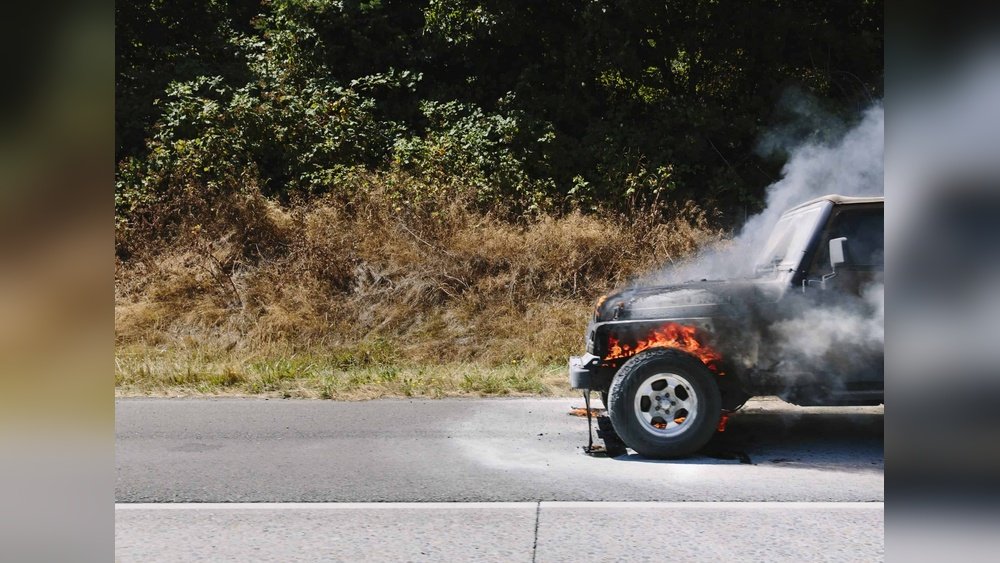
Have you ever wondered if the engine oil in your car could actually cause a fire? It’s a question that might not cross your mind often, but understanding the risks can keep you and your vehicle safe.
Engine oil plays a crucial role in keeping your engine running smoothly, but under certain conditions, it might become a fire hazard. You’ll discover how engine oil can catch fire, what warning signs to watch for, and simple steps you can take to prevent a dangerous situation.
Keep reading—your safety depends on knowing the facts.
How Engine Oil Catches Fire
Engine oil is essential for keeping engines running smoothly. It reduces friction and cools engine parts. But under certain conditions, engine oil can catch fire. Understanding how this happens helps prevent dangerous situations.
Oil Temperature And Ignition Points
Every oil has a flash point. This is the lowest temperature where oil vapors can ignite. Engine oil usually has a flash point over 400°F (204°C). If oil reaches this temperature, it can catch fire. High engine heat can raise oil temperature quickly. Leaks or spills near hot parts increase fire risk. Oil can ignite without an open flame if it is hot enough.
Common Scenarios Leading To Oil Fires
Oil fires often start from leaks onto hot surfaces. A broken gasket or loose seal can cause oil to drip. This oil may land on the exhaust manifold or turbocharger. These parts can reach temperatures above oil’s ignition point. Another cause is oil sprayed during engine repairs. Sparks or hot metal can ignite the mist. Poor maintenance increases the chance of such fires.

Risk Factors For Engine Oil Fires
Engine oil fires pose serious risks to vehicles and safety. Understanding the risk factors helps prevent such fires. Several conditions increase the chance of engine oil catching fire. Identifying these factors can protect your engine and avoid costly damage.
Leaks And Spills
Engine oil leaks create a fire hazard. Oil dripping onto hot engine parts can ignite. Spilled oil near the exhaust or manifold is especially dangerous. Small leaks are easy to miss but still risky. Regular checks help spot leaks early and keep the engine safe.
Overheating Engines
Engines running too hot increase fire risk. Excess heat can cause oil to break down and catch fire. Overheating may result from cooling system failures or heavy use. Maintaining proper engine temperature reduces chances of oil fires. Avoid pushing the engine beyond its limits.
Faulty Seals And Gaskets
Seals and gaskets keep oil contained within the engine. When they wear out or fail, oil escapes. This leaking oil can contact hot parts and ignite. Regular inspection and replacement of seals prevent leaks. Faulty seals are a common cause of engine oil fires.
Signs Of Potential Oil Fire Hazards
Engine oil fires are rare but dangerous. Early signs help prevent serious damage. Watch your car closely for warning signals. Spotting these signs can save your engine and your safety.
Check your vehicle often. Knowing what to look for helps avoid fire risks. Small problems can grow fast if ignored.
Smoke And Smell Indicators
Smoke coming from the engine is a serious warning. It may be white, blue, or black. Each color tells a different story about oil burning. A burning smell, like burnt rubber or oil, often means oil leaks. These leaks can catch fire if hot engine parts touch them.
Unusual Engine Noises
Strange sounds mean trouble. Squealing, knocking, or ticking may signal oil problems. Low oil or dirty oil causes poor lubrication. This leads to friction and heat. Heat can ignite oil, causing fire hazards.
Oil Level And Condition Checks
Check oil levels regularly. Low oil increases engine friction and heat. Dark, thick, or dirty oil shows wear and contamination. Fresh oil is amber and clear. Old oil loses its fire-resistant properties. Timely oil changes reduce fire risks.
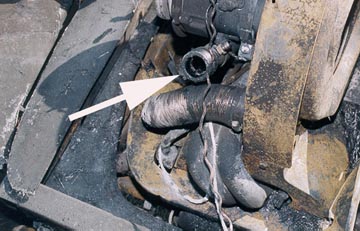
Preventing Engine Oil Fires
Engine oil fires can cause serious damage and danger. Preventing these fires is key to keeping your vehicle safe. Taking simple steps can reduce risks and protect your engine. Focus on care, handling, and upgrades to avoid trouble.
Regular Maintenance Tips
Check your engine oil level often. Low oil can cause overheating and fire risks. Change oil on time to keep it clean. Dirty oil breaks down and burns easier. Inspect oil lines and seals for leaks. Fix leaks quickly to stop oil from touching hot parts.
Proper Handling And Storage
Store engine oil in a cool, dry place. Keep containers tightly closed to avoid spills. Handle oil with care during changes. Clean up any spills immediately. Avoid smoking or sparks near oil storage. Proper handling lowers chances of fire accidents.
Upgrading Engine Components
Use heat shields to protect oil lines from hot engine parts. Upgrade to stronger, fire-resistant hoses. Consider oil catch cans to trap excess oil vapors. Replace worn parts to prevent leaks and shorts. Better components help reduce fire hazards effectively.
What To Do If An Oil Fire Occurs
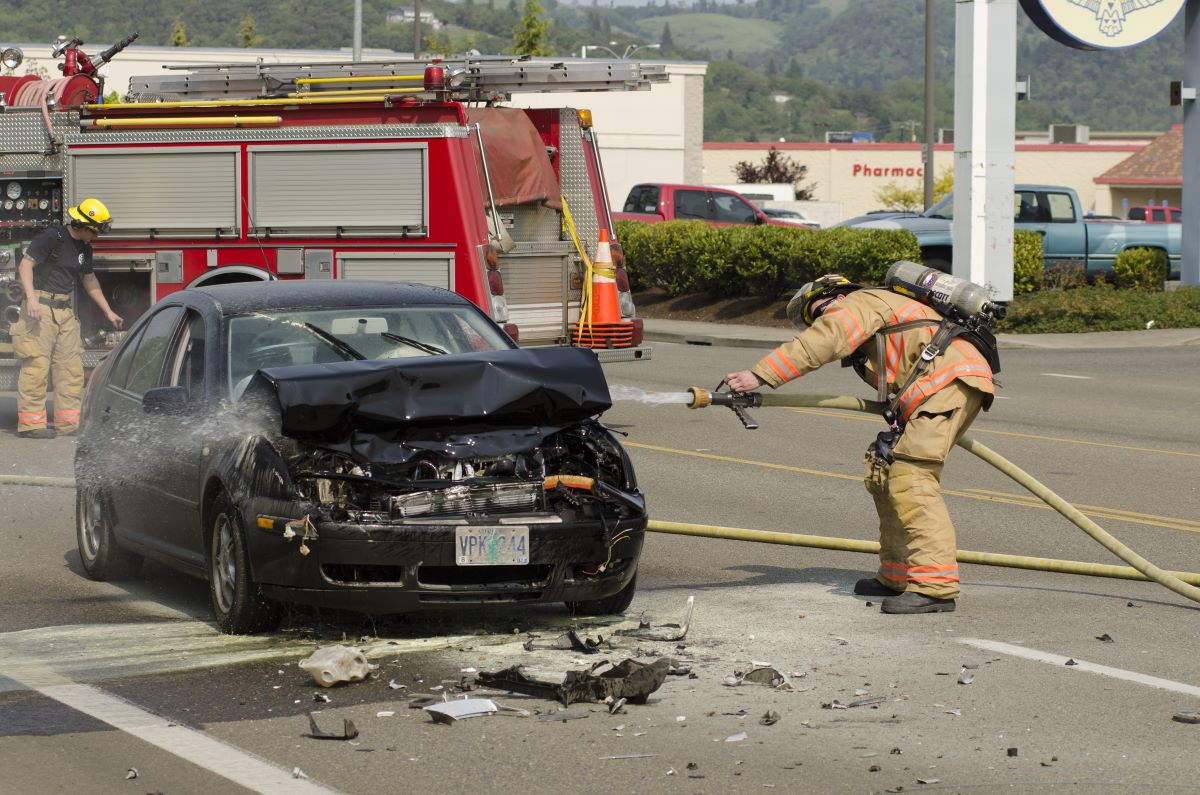
Oil fires can start quickly and spread fast. Knowing the right steps to take saves lives and property. Acting calmly and correctly helps control the fire safely. This guide covers what to do if an oil fire occurs. Follow these steps to protect yourself and others around you.
Immediate Safety Measures
Move away from the fire zone immediately. Alert everyone nearby to leave the area. Avoid using water to put out the fire. Water can spread the burning oil. Close doors to contain the fire if safe. Call emergency services right away for help.
Using Fire Extinguishers Effectively
Use a Class B or multipurpose extinguisher for oil fires. Aim the nozzle at the fire’s base. Sweep from side to side to cover the flames. Keep a safe distance while spraying. Replace the extinguisher if the fire grows. Never turn your back on the fire.
When To Seek Professional Help
Do not try to handle large oil fires alone. Call firefighters as soon as possible. Leave the area if the fire spreads quickly. Get medical help for anyone injured or breathing smoke. Professionals have the tools and training to stop oil fires safely.
Frequently Asked Questions
Can Engine Oil Ignite And Cause A Fire?
Yes, engine oil can ignite if it contacts a hot surface or spark. Leaks near the exhaust or engine block increase fire risk.
What Causes Engine Oil To Catch Fire?
Engine oil catches fire due to overheating, leaks, or contact with ignition sources. Poor maintenance raises this danger.
How To Prevent Engine Oil Fires In Vehicles?
Regularly check for leaks, replace worn gaskets, and avoid oil spills on hot parts to prevent engine oil fires.
Is Engine Oil Flammable Under Normal Conditions?
Engine oil is flammable but requires high temperatures to ignite. Proper handling reduces fire hazards significantly.
Conclusion
Engine oil can catch fire but only under extreme heat or leaks. Keeping your engine clean and fixing leaks reduces fire risk. Regular checks help spot problems early. Use the right oil type and change it as the car manual says.
Never ignore burning smells or smoke near the engine. Safety matters most. Stay alert and protect your vehicle from fire hazards.


