Have you ever wondered if you can replace just one wiper blade instead of both at the same time? It might seem like a simple question, but the answer can save you time, money, and even improve your safety on the road.
If your driver’s side blade is worn out but the passenger side still looks fine, should you really replace them both? Keep reading to find out what experts say, what could happen if you don’t, and the best way to keep your windshield clear no matter the weather.
This quick guide will help you make the right choice for your car and your peace of mind.

Wiper Blade Basics
Wiper blades keep your windshield clear and safe. They remove rain, snow, and dirt from the glass. Good wiper blades improve visibility and driving safety. Knowing the basics helps you decide how to replace them.
Each blade has a specific design and function. Understanding these can guide your choice. Proper care also extends their life and keeps your view clear in bad weather.
Types Of Wiper Blades
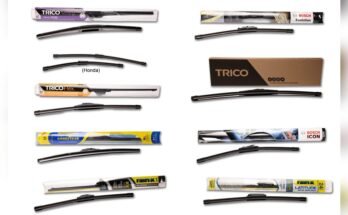
There are three main types of wiper blades: traditional, beam, and hybrid. Traditional blades have a metal frame and rubber blade. They are common and usually less expensive.
Beam blades have a solid, curved design without a metal frame. They offer better contact with the windshield. Beam blades work well in snow and ice.
Hybrid blades combine features of both traditional and beam types. They have a frame for support and a smooth rubber edge. Hybrid blades provide strong performance in many conditions.
How Wiper Blades Work
Wiper blades move back and forth across the windshield. The rubber edge presses against the glass to wipe away water and debris. This action clears the driver’s view.
The wiper arm holds the blade and provides pressure. The wiper motor powers the movement. Smooth motion and good pressure ensure effective cleaning.
Over time, rubber wears out and loses flexibility. This reduces wiping performance. Replacing worn blades restores clear vision and driving safety.
Replacing One Blade
Replacing one wiper blade at a time is a common question among drivers. Sometimes, one blade wears out before the other. It might seem easier to replace just the bad one. This section explains when and why you can replace one blade only. It also looks at the benefits and drawbacks of this choice.
When One Blade Fails
One blade can fail due to uneven wear or damage. Dirt, ice, or sun can affect blades differently. If one blade leaves streaks or misses spots, it may need replacement. You do not always need to change both blades at once. Replacing only the faulty blade can fix the problem quickly.
Check the other blade for signs of wear before deciding. If the other blade still works well, one replacement can save time and money.
Pros And Cons
Replacing one blade saves money upfront. You only buy one blade instead of two. This option also takes less time to do. It helps if you are in a hurry or on a budget.
On the downside, the new blade may clean better than the old one. This can cause uneven wiping during rain. The difference in blade condition can make noise or skip. Replacing both blades ensures even performance and longer life.
Consider the age and condition of both blades before replacing one. Sometimes, replacing both is the safer choice for clear visibility.
Matching Blade Types
Matching wiper blade types matters when replacing only one blade. Different blades can affect wiping performance and wear. Choosing the right type keeps your windshield clear and safe. Understanding blade materials and fit helps you pick the best match.
Material Differences
Wiper blades come in various materials like rubber, silicone, and hybrid. Rubber blades are common and work well in most weather. Silicone blades last longer and resist cracking. Hybrid blades combine features for smooth wiping.
Using the same material on both sides keeps wiping consistent. Different materials may cause uneven wear or noise. Match the new blade material to the old one for best results.
Size And Fit Considerations
Blade size matters for proper windshield coverage. Check your vehicle manual or old blade for exact size. Using a wrong size can leave streaks or miss areas.
Fit also depends on the blade’s attachment style. Common types include hook, pin, or bayonet connectors. Match the connector type to ensure easy installation and secure fit.
Installation Tips
Replacing a wiper blade one at a time is common and practical. Proper installation ensures the blade works well and lasts longer. Follow these tips to replace your wiper blade smoothly and safely.
Step-by-step Replacement
Lift the wiper arm away from the windshield. Press the small tab or button on the blade to release it. Slide the old blade down and off the arm. Align the new blade with the arm’s hook. Push the blade into place until it clicks. Lower the wiper arm gently back to the windshield. Test the new blade by turning on the wipers. Check for smooth movement and clear wiping.
Tools Needed
Most wiper blade replacements need no tools. Some car models may require a screwdriver. Keep a clean cloth handy to wipe the windshield. Use gloves to protect your hands from sharp edges. Having the car manual helps identify blade size and type. These simple tools make replacement easier and safer.
Maintenance For Longevity
Maintaining your wiper blades helps them last longer and work better. Proper care keeps your windshield clear and safe during rain or snow. Simple steps can extend the life of each blade.
Cleaning Techniques
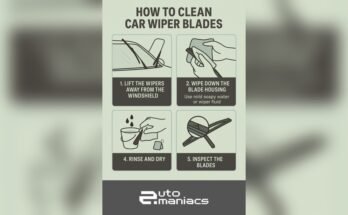
Clean wiper blades often to remove dirt and grime. Use a soft cloth and mild soap with water. Gently wipe the rubber edge to avoid damage. Dirt buildup can cause streaks and reduce performance. Avoid harsh chemicals that can wear down the rubber.
Inspection Frequency
Check your wiper blades every month. Look for cracks, tears, or stiffness in the rubber. Replace blades that do not wipe smoothly or leave streaks. Regular checks prevent sudden failures during bad weather. Timely replacement saves money and improves visibility.

Safety Implications
Replacing just one wiper blade may seem easy and quick. Yet, it can affect your safety while driving. Wiper blades clear rain, snow, and dirt from your windshield. Uneven or old blades reduce visibility during bad weather. This puts you and others at risk on the road.
Visibility Concerns
New wiper blades clean better than old ones. If one blade is new and the other is worn, the view might be uneven. One side may clear water well, the other may leave streaks or spots. This can make it hard to see clearly. Poor visibility increases chances of accidents. Both blades should work well to keep your vision clear.
Legal Regulations
Many places require both wiper blades to be in good condition. Lawmakers want drivers to have clear windshields for safety reasons. Driving with one bad blade could lead to fines or penalties. Some regions demand matching blades for proper performance. Check local laws to avoid trouble on the road. Keeping both blades in good shape helps you stay legal.

Frequently Asked Questions
Can I Replace Just One Wiper Blade At A Time?
Yes, you can replace one wiper blade at a time. However, replacing both blades ensures even wear and better performance in rain or snow.
Is It Okay To Mix New And Old Wiper Blades?
Mixing new and old blades is possible but not ideal. Different wear levels can cause streaks and reduce visibility during bad weather.
How Do I Know When To Replace One Wiper Blade?
Replace a single blade if it’s cracked, torn, or leaves streaks. Inspect blades regularly for damage to maintain clear visibility.
Will Uneven Wiper Blades Affect Driving Safety?
Uneven wiper blades can reduce visibility by leaving streaks or missing spots. Replace worn blades promptly to ensure safe driving in bad weather.
Conclusion
Replacing one wiper blade at a time is possible and often practical. It saves money and time while keeping your windshield clear. Just make sure the new blade matches the old one in size and type. Worn blades can reduce visibility and safety, so check both blades regularly.
Changing both blades together is best, but one at a time works fine too. Keep your windshield clean and see clearly during all weather conditions. Small steps like this help you drive safer every day.