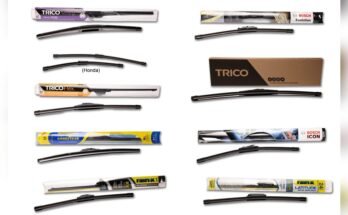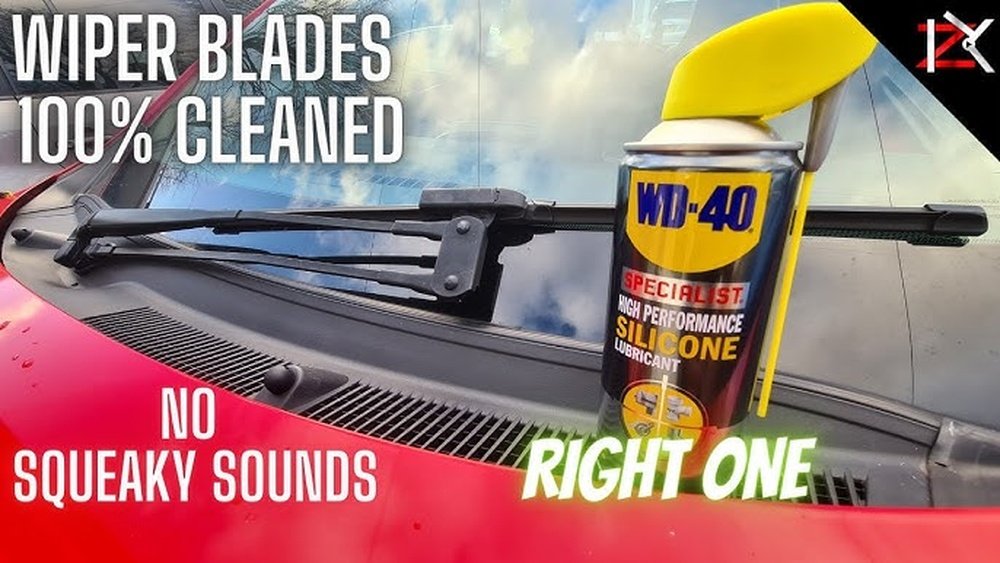
Have you ever noticed your wiper blades leaving streaks or making annoying squeaky noises? You might be wondering if there’s a simple fix to make them glide smoothly again.
Using silicone spray on your wiper blades sounds like a quick solution, but is it really safe and effective? You’ll discover exactly what silicone spray does to your wiper blades, whether it can improve their performance, and the best way to keep your windshield clear and streak-free.
Keep reading to find out how to protect your vision on the road with the right care for your wipers.
Benefits Of Silicone Spray On Wipers
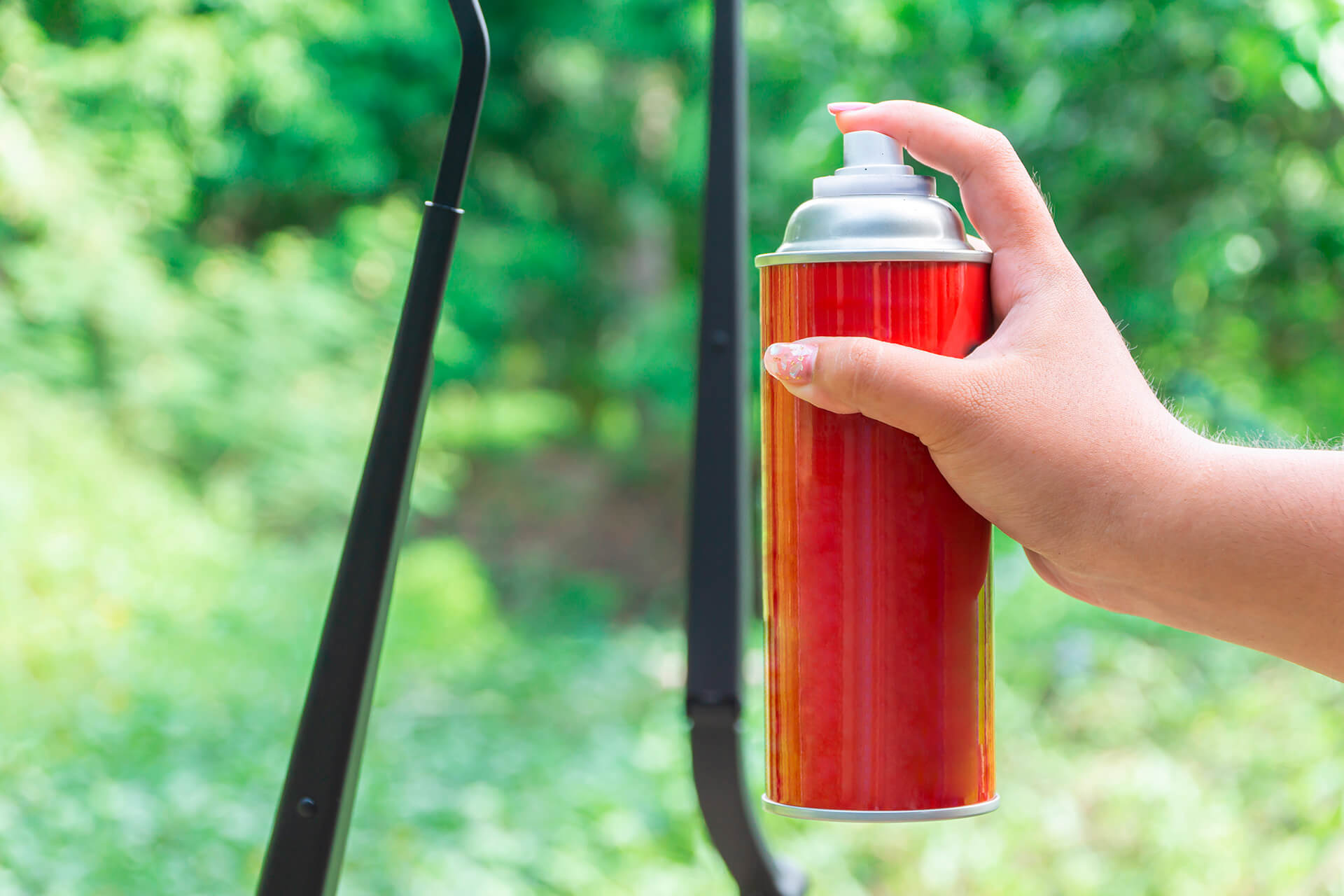
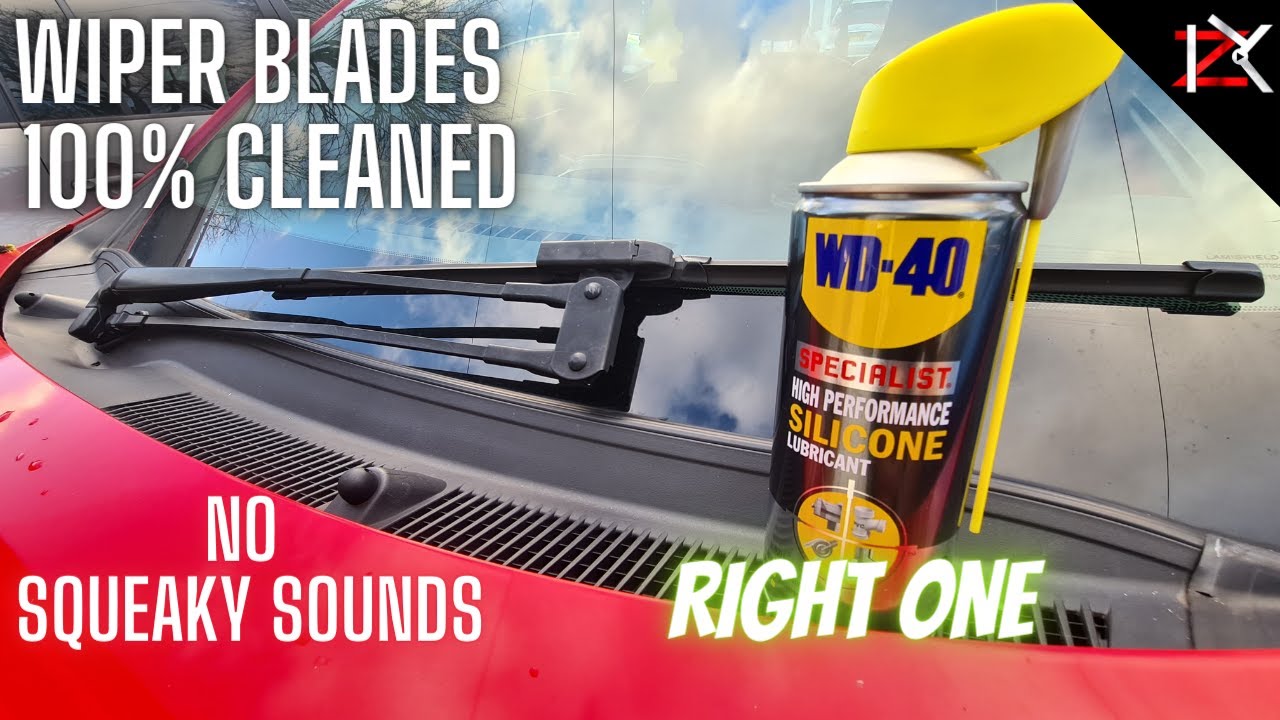
Silicone spray offers several benefits for wiper blades. It helps keep them in good shape. This spray can improve the performance and life of your wipers. Using silicone spray is a simple way to maintain clear visibility on the road.
Applying silicone spray to wiper blades is easy and effective. It protects the rubber and keeps the blades flexible. This can save money by reducing the need to replace wipers often.
Enhancing Blade Flexibility
Silicone spray makes wiper blades soft and flexible. Flexible blades move smoothly across the windshield. They fit the glass better and clean more evenly. This flexibility helps avoid cracks and hard spots on the rubber.
Reducing Noise And Squeaks
Wipers often make noise or squeak while working. Silicone spray creates a smooth surface on the blades. This reduces friction between the blade and glass. The result is quieter wiping and less distraction while driving.
Preventing Freezing In Winter
Cold weather can freeze wiper blades to the windshield. Silicone spray helps stop ice from sticking to the rubber. It keeps the blades moving freely in winter. This prevents damage and improves safety during icy conditions.
Choosing The Right Silicone Spray
Choosing the right silicone spray for your wiper blades is important. The wrong spray can damage rubber parts or reduce performance. Picking a product made for automotive use helps protect your blades and improve their life. Focus on sprays that keep rubber soft and water-resistant.
Types Of Silicone Sprays
Silicone sprays come in various forms. Some are designed for general household use. Others are made specifically for cars and rubber parts. Automotive silicone sprays usually have additives to protect against heat and weather. These sprays work best on wiper blades because they do not cause cracking or drying.
Safe Ingredients For Wiper Blades
Look for silicone sprays with safe ingredients for rubber. Avoid sprays that contain petroleum or harsh solvents. These can break down the rubber and cause damage. Choose sprays that list pure silicone oil or similar gentle compounds. Such ingredients keep the rubber flexible and prevent wear.
How To Apply Silicone Spray
Applying silicone spray to wiper blades helps keep them smooth and quiet. It also extends their life and improves performance during rain. Follow simple steps for the best results and avoid damaging the blades.
Preparing The Wiper Blades
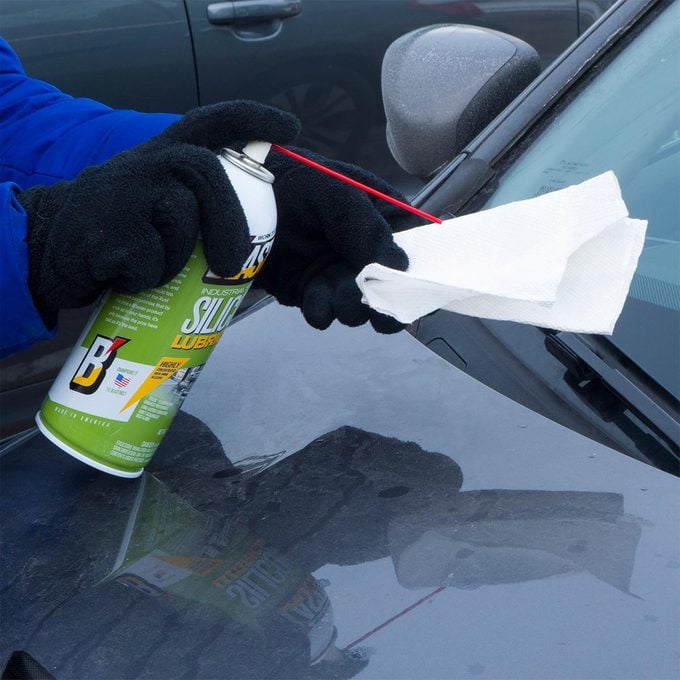
First, lift the wiper blades away from the windshield. Use a clean cloth to wipe off dirt and grime. Make sure the blades are dry before spraying. Remove any old residue to help the spray stick well.
Step-by-step Application Process
Shake the silicone spray can well. Hold it about 6 inches from the blade. Spray a light, even coat along the rubber edge. Let the spray sit for a few minutes. Then, wipe off any extra spray with a clean cloth. Lower the blades gently back onto the windshield.
Tips For Even Coverage
Spray slowly to cover the entire blade surface. Avoid spraying too much in one spot. Use a cloth to spread the spray evenly if needed. Repeat the process on both wiper blades. Regular applications keep blades smooth and effective.
Common Mistakes To Avoid
Using silicone spray on wiper blades can improve their performance. Yet, some common mistakes reduce its benefits. Avoid these errors to keep your wipers working well and lasting longer.
Overapplying Silicone Spray
Too much silicone spray can cause streaking on your windshield. It may also attract dirt and dust. Use a small amount on a clean cloth first. Wipe the blades lightly for best results.
Using On Damaged Blades
Silicone spray cannot fix worn or cracked blades. Applying it on damaged blades will not improve wiping. Replace old blades before using silicone spray. This ensures clear vision and safe driving.
Ignoring Safety Precautions
Silicone spray is slippery and flammable. Avoid spraying near flames or hot engine parts. Use it in a well-ventilated area to avoid breathing fumes. Keep spray away from your eyes and skin.
Alternative Products For Wiper Care
Keeping wiper blades in good shape helps them work better and last longer. Silicone spray is one option, but other products can also protect and clean wiper blades. These alternatives focus on making rubber soft, clear, and water-resistant. They help prevent cracks and improve wiping performance.
Water Repellents
Water repellents create a thin layer on the windshield. This layer makes water bead up and slide off quickly. Using water repellents reduces the need for wipers during light rain. They also help keep the glass clear, improving visibility.
Rubber Conditioners
Rubber conditioners soften wiper blades and stop them from drying out. Dry blades can crack and wear out fast. Applying conditioners keeps the rubber flexible and smooth. This reduces noise and streaks on the windshield.
Homemade Solutions
Simple homemade solutions can clean and protect wiper blades. A mix of water and mild soap removes dirt and grime. Some people use a small amount of cooking oil to keep rubber soft. These easy methods save money and work well.
When Not To Use Silicone Spray
Silicone spray can help wiper blades last longer and work smoothly. Still, there are times when using silicone spray is not a good idea. Knowing when to avoid it helps protect your wiper blades and keeps your windshield clear.
On Certain Blade Materials
Some wiper blades have rubber that does not react well to silicone spray. Spraying these blades can cause the rubber to swell or break down. This damage reduces the blade’s ability to clean the glass. Check your wiper blade material before using silicone spray. Avoid using spray on natural rubber or special coated blades. Using silicone on the wrong material can lead to faster wear and poor wiping.
During Extreme Weather Conditions
Silicone spray may not perform well in very cold or hot weather. In freezing temperatures, the spray can freeze on the blade or glass. This causes streaks or even blade sticking. In very hot weather, silicone can melt or become slippery. Slippery blades do not clean well and can be dangerous. Avoid applying silicone spray right before a snowstorm or heatwave. Wait for moderate weather to protect your blades effectively.
Maintaining Wiper Blades For Longevity
Maintaining wiper blades extends their life and keeps your windshield clear. Clean and well-kept blades wipe better. They also reduce streaks and noise. Small efforts help avoid early blade wear and damage.
Regular Cleaning Tips
Wipe blades with a damp cloth weekly. Use mild soap and water to remove dirt. Avoid harsh chemicals that can damage rubber. Clean the windshield often to prevent grit buildup. This reduces blade wear and tear.
Signs To Replace Blades
Replace blades if they leave streaks or miss spots. Look for cracks, splits, or bent frames. Listen for squeaking sounds during use. Blades that chatter or skip need changing. Regular checks prevent poor visibility in rain.
Proper Storage Methods
Park cars in shade to protect blades from sun. Lift blades off the windshield in winter to prevent freezing. Avoid resting blades on hot glass after use. Store spare blades in a cool, dry place. Good storage keeps rubber flexible and strong.
Frequently Asked Questions
Can Silicone Spray Improve Wiper Blade Performance?
Yes, silicone spray can enhance wiper blade flexibility and reduce streaking. It helps blades glide smoothly across the windshield, improving visibility and extending blade life.
Is Silicone Spray Safe For All Wiper Blade Types?
Silicone spray is generally safe for rubber and silicone wiper blades. Avoid using it on blades with metal parts to prevent corrosion and damage.
How Often Should I Apply Silicone Spray On Wiper Blades?
Apply silicone spray every 1-2 months or when blades start to squeak or streak. Regular use maintains blade flexibility and protects against cracking.
Can Silicone Spray Prevent Wiper Blades From Freezing?
Yes, silicone spray creates a water-repellent layer that reduces ice buildup. This helps blades move freely during cold weather and prevents damage.
Conclusion
Silicone spray can help keep wiper blades flexible and smooth. It reduces noise and improves wiping performance on glass. Use it sparingly to avoid buildup that may harm blades. Always check your vehicle’s manual before applying any spray. Proper care extends the life of your wipers.
Clean blades work better in rain and snow. Simple steps like this keep your windshield clear and safe. Small efforts make a big difference in driving comfort. Try silicone spray carefully and see the results yourself.