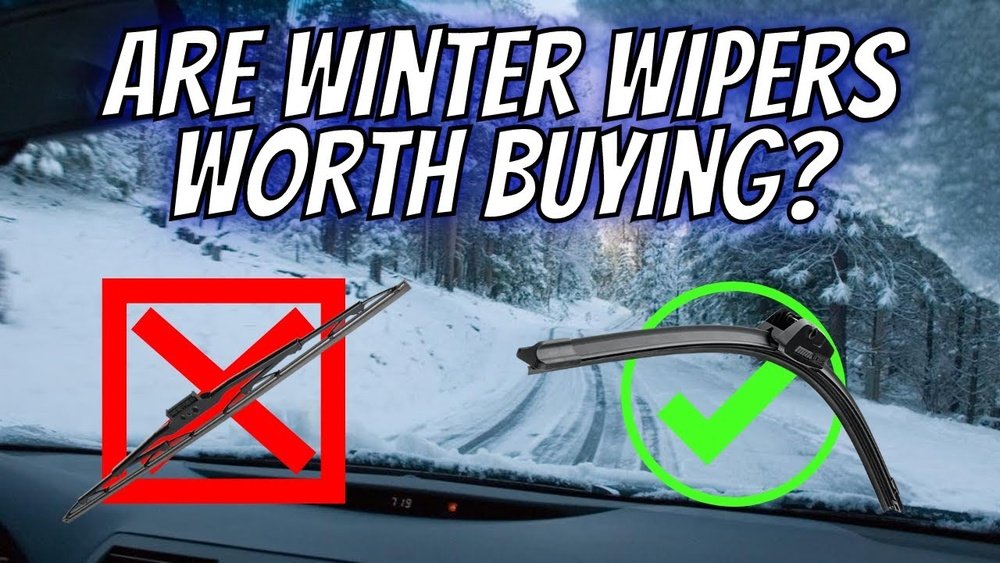
Have you ever wondered if you can use your winter wiper blades during the summer months? You might think it’s a simple yes or no answer, but there’s more to it than you realize.
Using the wrong wiper blades can affect your visibility and safety on the road. You’ll discover what makes winter wiper blades different, why using them in summer might not be the best idea, and how to choose the right blades for every season.
Keep reading to make sure your windshield stays clear and your drives stay safe all year round.
Winter Vs Summer Wiper Blades
Winter and summer wiper blades serve different purposes. Each type is built to handle specific weather conditions. Understanding their differences helps you choose the right blade for each season. This section explains how winter and summer wiper blades differ in design, materials, and performance.
Design Differences
Winter wiper blades have a protective cover. This cover stops ice and snow from building up. They are usually thicker and stronger. Summer wiper blades have a simpler design. They focus on clearing rain and dirt quickly. Their shape helps reduce noise during use.
Material Variations
Winter blades use softer rubber. This rubber stays flexible in cold temperatures. It helps the blade clean the windshield better. Summer blades use harder rubber. Harder rubber lasts longer in heat. It resists damage from sun and hot air.
Performance In Different Weather
Winter blades work well in freezing weather. They clear snow and ice without cracking. Summer blades perform best in warm and dry conditions. They wipe rain and dust efficiently. Using winter blades in summer can reduce performance. The soft rubber may wear out faster in heat.

Pros Of Using Winter Blades In Summer
Using winter wiper blades during summer has some clear advantages. These blades are designed to handle tough weather. This means they can also perform well in warmer months. Let’s explore the pros of keeping winter blades on your car all year.
Durability Benefits
Winter blades are made from strong rubber and tough materials. They resist cracking and breaking under heat. Normal blades can dry out quickly in summer sun. Winter blades last longer because they are built for harsh cold and snow. This makes them a durable option for summer driving too.
All-season Convenience
Using winter blades all year means no need to change them twice. It saves time and effort. You can avoid the hassle of switching blades each season. Winter blades work well in rain and light snow. They keep your windshield clear in many weather types. This convenience suits drivers who want simple, reliable wipers.
Cons Of Using Winter Blades In Summer
Using winter wiper blades in summer might seem like a simple choice. These blades are made for cold and snowy conditions. But summer weather can cause problems for winter blades. Understanding the downsides helps you keep your car safe and your windshield clear.
Potential Wear And Tear
Winter wiper blades have soft rubber to stay flexible in cold. Warm weather makes this rubber wear out fast. The heat can dry out the rubber. This causes cracks and breaks. Your blades will need replacement sooner than usual.
Reduced Effectiveness
Winter blades are thicker and heavier. They do not glide smoothly on a dry windshield. This can leave streaks and spots. Summer rain may not clear well. The blades might skip or chatter. This lowers their cleaning power.
Impact On Visibility
Poor blade performance affects your view while driving. Streaks and smudges make it hard to see. This is risky during sudden rain or dust. Clear vision is important for safety. Using the right blades helps keep your road view sharp.
How To Choose The Right Wiper Blades
Choosing the right wiper blades helps keep your windshield clear and safe. Picking blades that suit your needs improves visibility and driving comfort. Understanding key factors makes the choice easier. Focus on climate, blade material, and size for best results.
Considering Climate Conditions
Climate affects wiper blade performance. Winter blades resist ice and snow well. Summer blades handle heat and sun damage better. Pick blades that match your local weather. Using winter blades in summer might cause faster wear. Choose blades designed for your climate to last longer.
Blade Material Options
Wiper blades come in different materials. Rubber blades are common and affordable. Silicone blades last longer and resist heat. Hybrid blades combine rubber and silicone benefits. Material affects durability and cleaning quality. Select the material that fits your budget and needs.
Size And Fit
Correct size ensures proper wiping. Check your vehicle manual or measure old blades. Blades too long or short may miss spots. Proper fit prevents damage to windshield and wiper arms. Use exact sizes for best performance and safety.
Tips For Maintaining Wiper Blades Year-round
Maintaining wiper blades throughout the year helps keep clear vision on the road. Proper care extends their life and improves performance. Follow simple steps to keep wipers working well in any season.
Cleaning Techniques
Clean wiper blades regularly with a soft cloth. Use warm water and mild soap to remove dirt. Avoid harsh chemicals that can damage the rubber. Wipe blades gently to remove dust and grime. This prevents streaks and improves wiping quality.
Regular Inspections
Check wiper blades often for cracks or tears. Look for signs of stiffness or bending. Test them by running the wipers on a wet windshield. Replace blades that skip or leave streaks. Regular checks prevent poor visibility in bad weather.
Replacement Indicators
Replace wiper blades every six to twelve months. Change sooner if they show damage or poor performance. Listen for squeaking or chattering sounds while wiping. Notice water spots or streaks that do not clear. These signs mean it is time for new blades.
Alternatives To Winter Wiper Blades For Summer
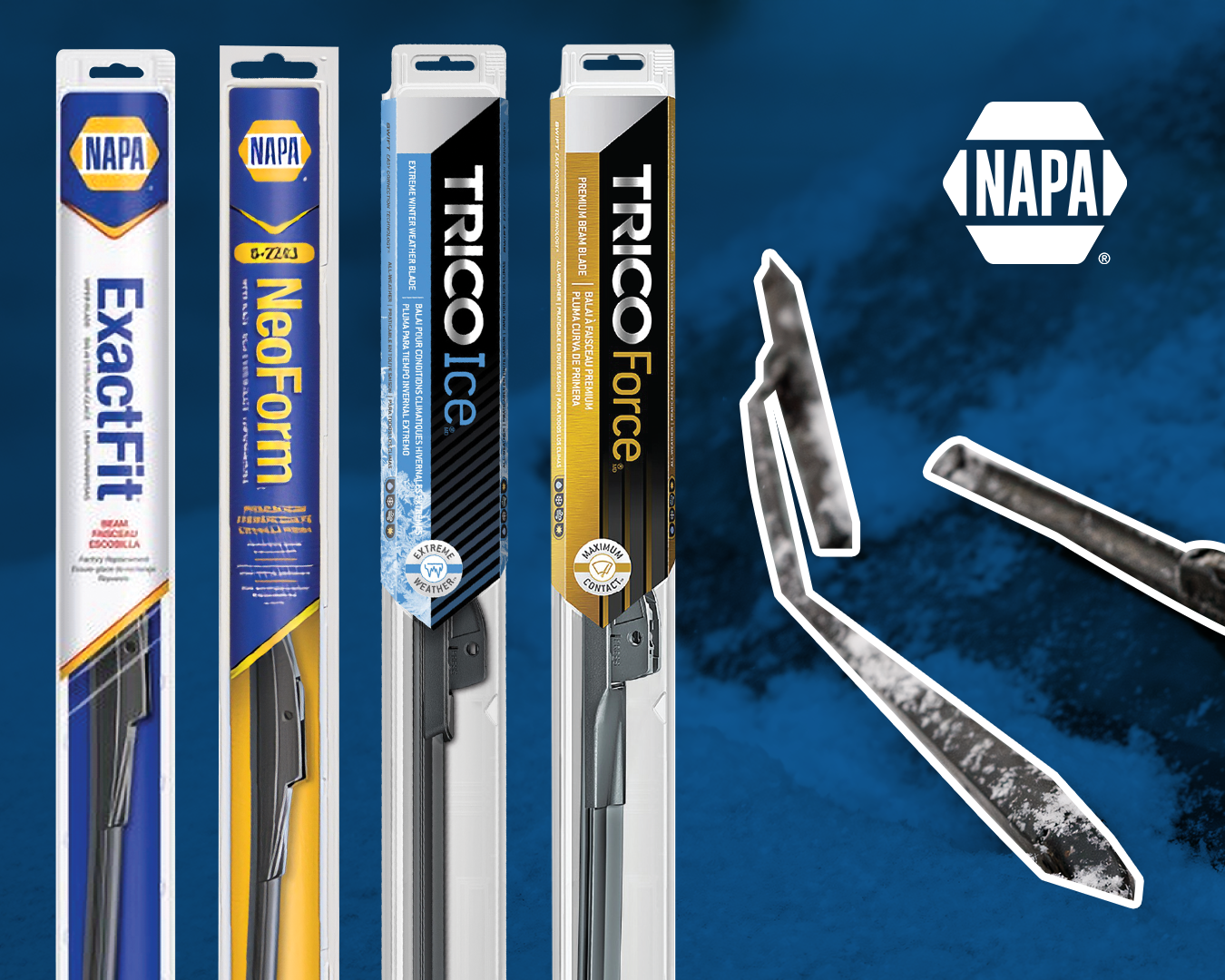
Using winter wiper blades during summer is not ideal. They wear out faster in hot weather. Choose the right blades for summer to keep your windshield clear. Here are good alternatives to winter wiper blades for warm seasons.
All-season Blades
All-season blades work in many weather conditions. They handle light snow, rain, and dry heat well. Made from durable rubber, they resist cracking under the sun. These blades offer smooth wiping and long life. Perfect for drivers who want one set all year.
Standard Summer Blades
Standard summer blades are built for warm weather only. They have softer rubber to clean better on dry glass. Their design prevents streaks and reduces noise during use. These blades last longer in heat than winter blades. Ideal for areas with mild winters or no snow.
Frequently Asked Questions
Can Winter Wiper Blades Be Used In Summer?
Yes, winter wiper blades can be used in summer, but they may wear out faster. Their rubber is softer for cold weather, which can reduce effectiveness in hot conditions.
Do Winter Wipers Damage The Windshield In Summer?
Winter wipers generally don’t damage the windshield in summer. However, their softer rubber can cause streaking or reduced visibility if worn out.
Are Winter Wiper Blades Less Effective In Summer?
Winter wiper blades can be less effective in summer due to their softer rubber. They may not clear water as efficiently on hot, dry roads.
Should I Replace Winter Wipers With Summer Blades?
Replacing winter wipers with summer blades is recommended for optimal performance. Summer blades use harder rubber suited for warm, dry conditions and last longer.
Conclusion
Winter wiper blades can work in summer, but they wear out faster. They are made for cold weather and may not clear water well in heat. Using regular blades in summer helps keep your windshield clean and safe. Changing blades with the seasons improves visibility and driving safety.
Choose blades made for summer conditions to avoid damage. Keep your wipers in good shape for clear views all year. Simple care can save you money and stress on the road.