Are you wondering if you can use petrol engine oil in your diesel engine? It’s a question many vehicle owners ask, especially when they’re in a hurry or want to save money.
But is it really safe? Using the wrong oil could harm your engine and cost you more in the long run. You’ll discover the key differences between petrol and diesel engine oils, why they matter, and what happens if you mix them up.
Keep reading to protect your engine and make the best choice for your vehicle’s health.
Differences Between Petrol And Diesel Engines
Petrol and diesel engines work differently. Understanding their differences helps explain why their oils are not always interchangeable. Each engine type has unique features and needs.
Combustion Process
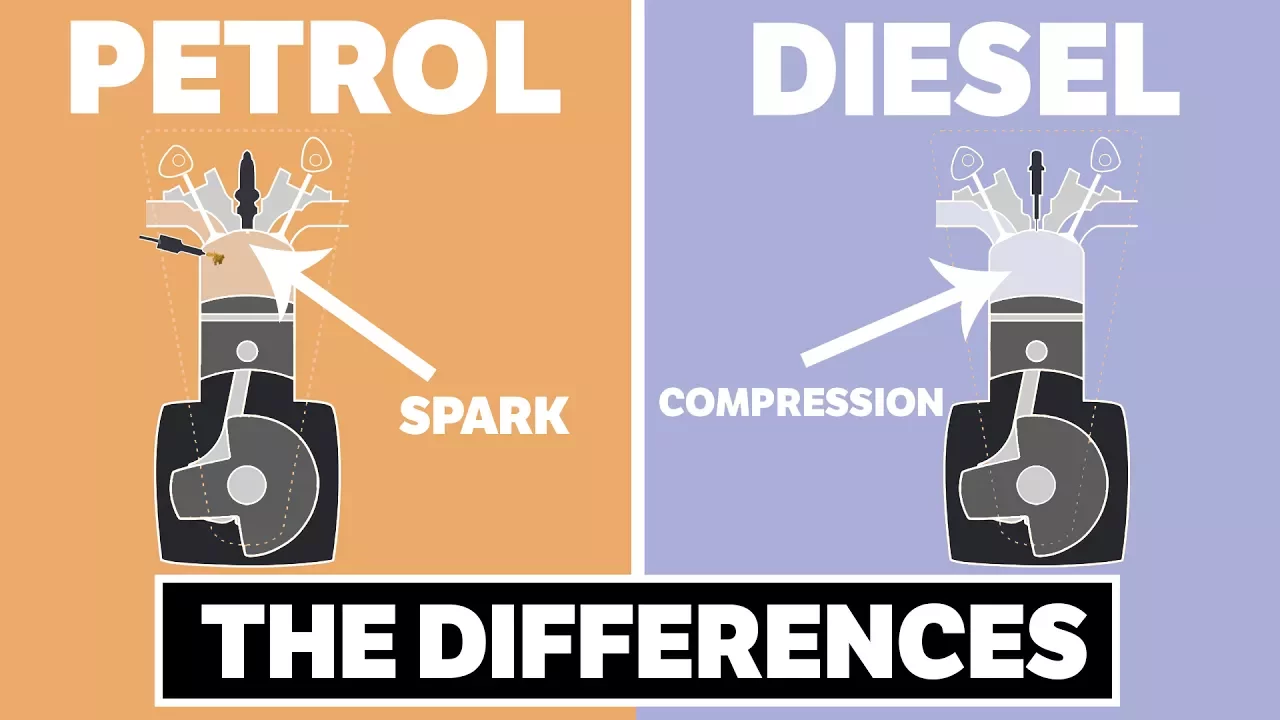
Petrol engines use spark plugs to ignite the fuel-air mix. This process happens at lower pressure. Diesel engines rely on high compression to ignite fuel. The fuel burns under much higher pressure and temperature.
Engine Design
Diesel engines have stronger parts to handle high pressure. Their cylinders and pistons are built tougher. Petrol engines have lighter components since they face less stress. This difference affects the type of oil each engine needs.
Operating Temperatures
Diesel engines run hotter than petrol engines. The oil must withstand higher temperatures without breaking down. Petrol engine oil is not always designed for this heat. Diesel engine oil contains additives for better heat resistance.
Types Of Engine Oils
Engine oils come in various types to suit different engine needs. Each oil type has unique properties and formulas. These differences help protect and improve engine performance. Knowing these types helps decide the right oil for petrol or diesel engines.
Petrol Engine Oils
Petrol engine oils are made for gasoline engines. They focus on reducing deposits and wear from high-speed parts. These oils have additives to fight oxidation and keep the engine clean. They also help improve fuel efficiency.
Diesel Engine Oils
Diesel engine oils handle higher pressure and soot levels. They have stronger detergents to clean soot and prevent sludge. These oils protect engine parts from corrosion caused by diesel fuel. They also support longer oil change intervals.
Additives And Formulations
Additives give engine oils special features. Anti-wear agents protect moving parts. Detergents clean and stop deposit buildup. Dispersants keep soot particles suspended in diesel oils. Viscosity modifiers keep oil thickness steady at all temperatures.
Compatibility Of Petrol Oil In Diesel Engines
Using petrol engine oil in diesel engines is a common question among vehicle owners. Petrol and diesel engines work differently, so their oils have different properties. Understanding the compatibility of petrol oil in diesel engines helps avoid damage and maintain engine health.
Petrol engine oils often lack some additives needed for diesel engines. Diesel engines produce more soot and need oil that controls this. Using the wrong oil can cause problems over time.
Potential Risks
Petrol oils may not handle the higher pressures in diesel engines. This can lead to faster wear on engine parts. The oil might break down quicker, reducing its ability to protect the engine. Deposits and sludge can build up, causing blockages and damage.
Performance Issues
Diesel engines need oils that control soot and keep parts clean. Petrol oils might fail to do this. This can reduce fuel efficiency and engine power. The engine may run rougher and produce more smoke. Over time, this affects the engine’s lifespan and reliability.
Warranty Concerns
Using petrol oil in a diesel engine can void the vehicle’s warranty. Manufacturers require specific oil types for a reason. Using the wrong oil shows neglect and may lead to denied repairs. Always check the owner’s manual for the correct oil type.

When Petrol Oil Might Work In Diesel Engines
Petrol engine oil and diesel engine oil have different properties. These differences matter for engine health. Yet, there are cases when petrol oil might work in a diesel engine. Understanding these cases helps avoid damage and keeps engines running.
Emergency Situations
In emergencies, petrol oil can serve as a temporary solution. When diesel oil is unavailable, petrol oil helps keep the engine moving. It protects parts just enough to prevent sudden failure. This use should be brief to avoid long-term harm.
Short-term Use
Using petrol oil for a short time in diesel engines is sometimes safe. For example, during quick repairs or oil changes. The engine should be switched back to diesel oil soon. Short use limits the risk of damage from oil differences.
Engine Age And Condition
Older diesel engines with less strict oil needs may tolerate petrol oil better. Their parts are often less sensitive to oil changes. Newer engines require specific diesel oil to protect advanced components. Always consider engine age before using petrol oil.
Choosing The Right Oil For Your Diesel Engine
Choosing the right oil for your diesel engine is crucial. The correct oil keeps the engine clean and running smoothly. It also protects parts from wear and heat. Using the wrong oil can cause damage and reduce engine life.
Manufacturer Recommendations
Always follow the engine maker’s advice. They test oils to find the best match. The owner’s manual lists the right oil types. Ignoring these can lead to poor engine performance. Stick to the recommended brands and grades.
Oil Viscosity And Grade
Viscosity means how thick or thin the oil is. Diesel engines need oils with specific viscosity. The oil grade must suit the engine’s operating temperature. Using the wrong grade can cause poor lubrication. This leads to faster engine wear and possible failure.
Certification Standards
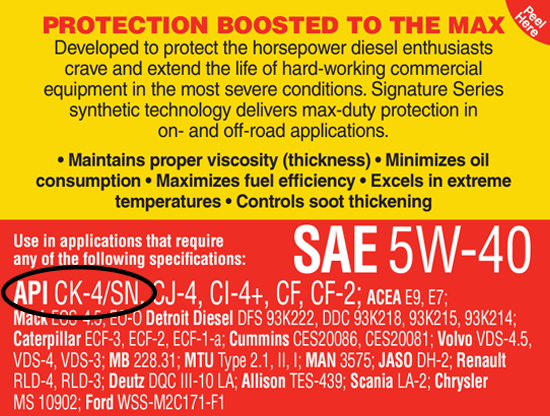
Look for oils with official certifications. These show the oil meets quality tests. Common standards include API, ACEA, and JASO. Certified oils protect diesel engines better. They reduce deposits and control emissions.
Consequences Of Using Incorrect Engine Oil
Using the wrong engine oil in a diesel engine can cause serious problems. Engine oils for petrol and diesel engines have different properties. Diesel engines need oil that can handle higher pressure and soot. Petrol engine oil may lack these qualities. This mismatch can lead to several negative effects on your engine’s performance and longevity.
Engine Wear And Damage
Petrol engine oil may not protect diesel engines well. Diesel engines work under higher pressure and heat. Petrol oil might break down faster in these conditions. This leads to increased friction and wear. Over time, engine parts can get damaged or worn out. This reduces engine life and may cause costly repairs.
Fuel Efficiency Impact
Using incorrect oil affects fuel consumption. Petrol oil does not lubricate diesel engines as efficiently. This causes the engine to work harder. Harder work means burning more fuel. Your vehicle will use fuel faster and cost more to run. Efficiency drops noticeably with wrong oil use.
Emission Problems
Diesel engines produce more soot and contaminants. Petrol engine oil might not handle these well. This can clog filters and reduce engine cleanliness. Poor oil can increase harmful exhaust emissions. Emission controls may fail, causing pollution and legal issues. Proper oil helps keep emissions low and engine clean.
Maintenance Tips For Diesel Engines
Maintaining a diesel engine is key to keeping it running smoothly. Proper care helps avoid costly repairs and extends engine life. Simple maintenance steps make a big difference in performance and efficiency.
Regular Oil Changes
Change the oil at the intervals recommended by the manufacturer. Diesel engines work harder and produce more soot than petrol engines. Old oil can thicken and lose its ability to lubricate well. Fresh oil protects engine parts and reduces wear.
Oil Quality Checks
Use oil designed specifically for diesel engines. Diesel oil contains additives that handle higher pressure and soot. Check oil level regularly and top up if needed. Poor oil quality can cause engine damage over time.
Monitoring Engine Performance
Listen for unusual noises or vibrations. Watch for smoke from the exhaust and check fuel consumption. Sudden drops in power or rough running signal problems. Early detection helps fix issues before they worsen.
Frequently Asked Questions
Can Petrol Engine Oil Be Used In Diesel Engines?
Petrol engine oil is not ideal for diesel engines. Diesel engines require oils with higher detergency and soot control. Using petrol oil can lead to poor lubrication and engine wear over time. Always use oil specified for diesel engines for optimal performance.
What Happens If Diesel Engine Uses Petrol Engine Oil?
Using petrol engine oil in a diesel engine reduces protection against soot and deposits. It can cause increased engine wear, sludge buildup, and reduced efficiency. Over time, this may lead to costly repairs. Diesel-specific oils contain additives essential for diesel engine longevity.
Are Petrol And Diesel Engine Oils Chemically Different?
Yes, petrol and diesel engine oils differ chemically. Diesel oils contain more additives to handle soot and higher combustion pressures. Petrol oils focus on different additives for combustion by-products. Using the correct oil type ensures better engine protection and performance.
Can Petrol Engine Oil Damage Diesel Engine Components?
Petrol engine oil lacks necessary additives for diesel engines, risking component damage. It may cause increased wear on piston rings and turbochargers. This leads to reduced engine life and efficiency. Always choose oils designed for diesel engines to avoid damage.
Conclusion
Using petrol engine oil in diesel engines is not recommended. Diesel engines need oil that handles higher pressure and soot. Petrol oils may not protect diesel parts well. This can cause engine wear and damage over time. Always choose oil made for diesel engines.
This helps keep your engine clean and running smooth. Proper oil protects your engine and saves money on repairs. Stick to the right oil for best engine health and performance.


