Are your wiper blades leaving streaks or missing spots? You might be wondering if you really need to replace them or if there’s a way to fix them without spending money.
Before you make a decision, it’s important to know whether wiper blades can actually be repaired and how that could save you time and hassle. Keep reading to find out what you can do to get your wipers working like new again—and when it’s better to just swap them out.
Your safety on the road depends on clear vision, so don’t miss this essential guide!
Signs Of Wiper Blade Damage
Wiper blades wear out over time and show clear signs of damage. Recognizing these signs helps keep your windshield clear and safe. Damaged blades reduce visibility and increase driving risk.
Knowing when to repair or replace wiper blades saves time and money. Below are common signs and causes of wiper blade damage.
Common Wear Indicators
Wiper blades that streak or leave patches on the glass need attention. Skipping or chattering sounds during use mean the rubber is hard or cracked. Look for tears, splits, or missing chunks in the rubber edge. Uneven wiping or smearing dirt are other clear signs of wear.
Effects Of Weather Conditions
Sunlight breaks down rubber, making it brittle and less flexible. Cold weather causes blades to freeze and crack. Heavy rain or snow may wear blades faster due to constant use. Dirt and debris stuck on the blades scratch the rubber and glass.
When Replacement Is Necessary
Blades that fail to clear the windshield properly must be replaced. Repairing is often not effective if rubber is cracked or torn. If streaks and noise persist after cleaning, replacement is the best option. Regular replacement ensures clear vision and safe driving.

Simple Wiper Blade Repairs
Simple wiper blade repairs can save you money and extend blade life. Many common problems with wiper blades have easy fixes. Basic maintenance can improve their performance quickly. These repairs do not require special tools or skills. Understanding these simple steps helps keep your windshield clear and safe.
Cleaning Techniques
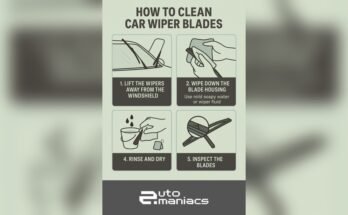
Dirt and grime reduce wiper blade efficiency. Clean blades regularly to remove debris. Use a soft cloth with mild soap and water. Wipe the rubber edge gently to avoid damage. Rinse with clean water and dry the blade. Clean blades glide smoothly across the glass.
Fixing Minor Tears
Small tears in the rubber can cause streaks. Check the blade for tiny cuts or cracks. Use fine sandpaper to smooth rough edges carefully. Apply silicone spray to keep the rubber flexible. This can help minor tears last longer. Replace the blade if damage is severe.
Realigning The Blades
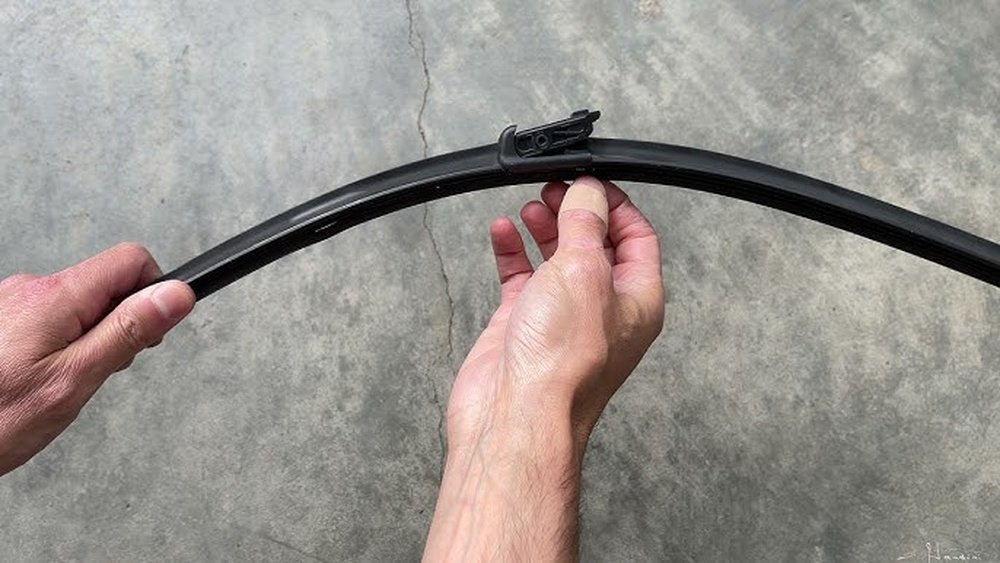
Blades that do not touch the glass evenly need realignment. Gently lift the wiper arm away from the windshield. Adjust the blade angle so it contacts the glass fully. Press the arm back to its resting position. Proper alignment ensures clear, streak-free wiping. Repeat adjustment if streaks or skips appear.
Tools Needed For Diy Repairs
Repairing wiper blades at home needs the right tools. Having the correct items makes the process easier and faster. This section lists tools for simple and effective DIY wiper blade repairs.
Essential Household Items
Basic tools you likely have at home can help fix wiper blades. A clean cloth removes dirt and debris from the blade surface. Rubbing alcohol cleans the rubber for better repairs. A small flathead screwdriver helps lift or adjust parts gently. A pair of scissors or a sharp knife trims torn rubber edges carefully.
Specialized Repair Tools
Some repairs require specific tools designed for wiper blades. A wiper blade removal tool helps detach old blades without damage. A rubber blade refill kit includes replacement rubber strips and clips. A small file smooths rough edges on the rubber for better contact. These tools improve repair quality and blade lifespan.
Preventive Tips To Extend Blade Life
Wiper blades wear out with use. Extending their life saves money and improves safety. Simple habits keep blades working longer. Small efforts prevent early damage and poor visibility.
Regular Maintenance Practices
Clean blades often with a soft cloth and mild soap. Dirt and grime cause streaks and scratches. Check blades for cracks or splits every week. Replace them if damage appears to avoid windshield harm. Running blades on a dry windshield wears rubber quickly.
Proper Storage Methods
Lift blades off the windshield during winter. Ice and snow can freeze the rubber to glass. Store the car in a garage or covered area. Avoid direct sunlight as it dries out rubber. Use blade covers or shields if available. Proper storage keeps rubber soft and flexible.
Avoiding Common Mistakes
Do not use wipers on a dry windshield. This causes friction and wears out blades fast. Avoid pressing hard on the wipers during use. Using harsh chemicals on blades damages rubber. Never leave leaves or debris on the windshield. They can tear the blade edges during wiping.
When To Replace Instead Of Repair
Wiper blades keep your windshield clear and your driving safe. Sometimes, small issues can be fixed by repair. Yet, many times, replacement is the better choice. Knowing when to replace your wiper blades saves time and money. It also ensures your windshield stays clean and damage-free.
Severe Damage Signs
Look for cracks or tears on the rubber strip. If the rubber is hard or brittle, it will not clean well. Bent or broken frames stop the blade from contacting the glass. Streaks or missed spots during wiping show blade failure. Loud squeaking or chattering noises mean poor blade contact. These signs show the blade cannot be repaired properly.
Cost-benefit Considerations
Repair parts can be expensive and may not last long. New wiper blades cost less than ongoing repairs. A new set improves visibility and driving safety immediately. Repair can waste time and still leave poor performance. Spending a little on new blades offers better value. It prevents future windshield damage and saves money on repairs.
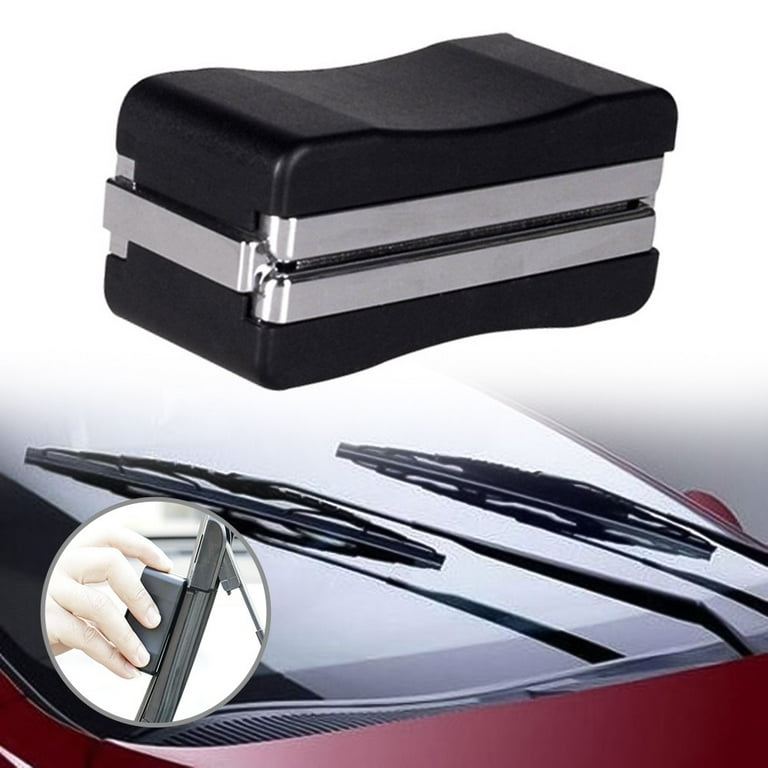
Cost Savings Of Repairing Wiper Blades
Repairing wiper blades can save money compared to buying new ones. Small fixes often cost less and take less time. This can stretch your budget and keep your car safe in bad weather. Understanding the costs helps decide the best choice for your vehicle.
Comparing Repair And Replacement Costs
Repairing wiper blades usually costs a fraction of replacement price. A new set can cost $15 to $30 or more. Repair kits or simple fixes often cost under $10. Sometimes, just replacing the rubber strip saves money. Repair avoids the full price of new blades.
Labor costs for repairs are often lower too. Simple repairs can be done at home. This removes the need to pay for service. Replacement might require more time and effort. Repair offers a quick, affordable option.
Long-term Financial Benefits
Fixing wiper blades extends their life. This means fewer purchases over time. Saving money now adds up later. Repair reduces waste and saves resources too.
Good maintenance keeps blades working well longer. This lowers chances of damage to your windshield. Avoiding windshield repairs saves more money. Repairing blades is a smart, cost-effective choice for drivers.

Frequently Asked Questions
Can Wiper Blades Be Repaired At Home?
Yes, minor wiper blade issues like rubber lifting can be fixed at home. Cleaning and realigning the blade often restores performance temporarily.
How Long Do Wiper Blades Typically Last?
Wiper blades usually last 6 to 12 months. Exposure to sun and harsh weather can shorten their lifespan.
What Causes Wiper Blades To Fail Quickly?
Wiper blades fail due to dirt buildup, UV damage, and worn rubber. Regular cleaning and timely replacement prevent failure.
Is It Worth Repairing Old Wiper Blades?
Repairing old wiper blades offers only a temporary fix. For clear visibility and safety, replacing them is better.
Conclusion
Wiper blades sometimes can be repaired, but not always. Small tears or dirt can be cleaned for better use. Stretching or bending might help in some cases. Still, most problems need new blades for safety. Clean wipers work best for clear views while driving.
Keep checking your blades often to avoid trouble. Replace them if streaks or noise continue. Clear vision saves lives. Simple care extends wiper life. Don’t wait too long to fix or change them.