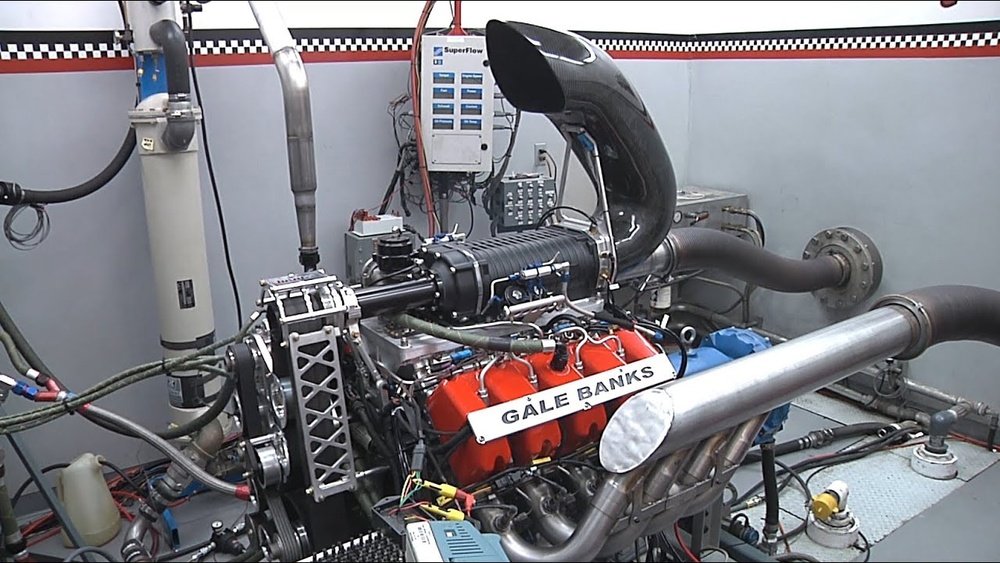
Have you ever wondered if you can supercharge a diesel engine? If you’re looking to boost your engine’s power and performance, this question is probably on your mind.
Supercharging can unlock hidden strength in your diesel engine, giving you more torque and better efficiency. But is it really possible, and what should you know before taking this step? You’ll discover how supercharging works for diesel engines, the benefits you can expect, and the key things to consider.
Keep reading to find out if supercharging is the upgrade your diesel engine needs.
Benefits Of Supercharging Diesel Engines
Supercharging diesel engines brings many benefits that improve engine performance and efficiency. It forces more air into the engine, helping it burn fuel better. This process enhances power, fuel economy, and torque, making diesel engines more effective for various uses.
Increased Power Output
Supercharging boosts the amount of air entering the engine. More air means more fuel can burn. This creates extra power without increasing engine size. Drivers get stronger acceleration and higher top speeds. It helps trucks and heavy machines work harder.
Improved Fuel Efficiency
Supercharged engines use fuel more efficiently. They burn fuel cleaner by mixing it well with air. This reduces waste and lowers fuel consumption. Vehicles travel farther on the same amount of fuel. It saves money and reduces emissions.
Enhanced Torque And Performance
Torque is the force that moves vehicles from a stop. Supercharging increases torque at low engine speeds. This gives better pulling power and smoother starts. It is useful for towing and carrying heavy loads. Overall, the engine feels stronger and more responsive.
How Supercharging Works
Supercharging a diesel engine increases its power by pushing more air into the engine. This process helps the engine burn fuel more efficiently. More air means more oxygen, which leads to better combustion and stronger engine output. Understanding how supercharging works makes it easier to see its benefits for diesel engines.
Basics Of Forced Induction
Forced induction means pushing extra air into an engine’s cylinders. This air is compressed before entering the combustion chamber. Compressing air increases its density. Denser air carries more oxygen molecules. This allows the engine to burn more fuel in each cycle. The result is higher power and improved engine performance.
Difference Between Turbocharging And Supercharging
Turbochargers use exhaust gases to spin a turbine. This turbine powers a compressor that forces air into the engine. Superchargers are driven directly by the engine’s crankshaft. This means they provide boost instantly. Turbos have a slight delay before they work. Superchargers give immediate power increase without lag.
Types Of Superchargers For Diesel Engines
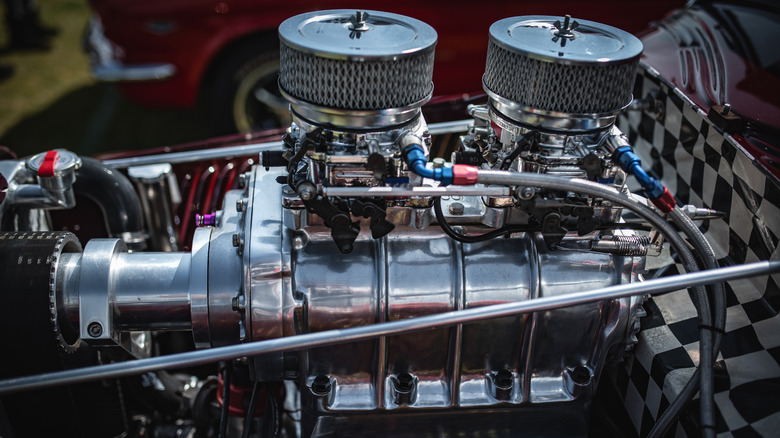
Roots-type superchargers use two lobed rotors to push air. They provide steady boost and instant response. Twin-screw superchargers compress air inside the unit for better efficiency. Centrifugal superchargers use a spinning impeller to draw air in. Each type suits different diesel engine setups and power needs.
Choosing The Right Supercharger
Choosing the right supercharger for a diesel engine matters a lot. It affects power, fuel efficiency, and engine life. Picking the wrong type can cause problems or poor performance. This guide explains key points to help make a smart choice.
Roots Vs. Centrifugal Vs. Twin-screw
Roots superchargers provide instant boost at low engine speeds. They are simple and strong but less efficient at high RPMs. Centrifugal superchargers work best at high engine speeds. They are smaller and lighter but offer less boost at low RPMs. Twin-screw superchargers combine traits of both. They give good boost throughout the RPM range and have high efficiency. Each type fits different driving needs and engine setups.
Compatibility With Engine Size
Small diesel engines may not need large superchargers. Too much boost can strain the engine. Medium and large engines handle bigger superchargers better. Match the supercharger size to the engine size for safe power gains. Using the right size avoids damage and keeps fuel use balanced. Check engine specs before buying any supercharger.
Cost And Maintenance Factors
Roots superchargers usually cost less upfront. They need moderate maintenance like oil changes. Centrifugal types can be cheaper but may need more tuning. Twin-screw units are the most expensive and require careful upkeep. Maintenance includes checking seals and oil levels. Consider both purchase price and long-term care costs. Choose a supercharger that fits your budget and maintenance ability.

Installation Process
Installing a supercharger on a diesel engine is a careful process. It needs patience and some technical skills. This section breaks down the key steps in the installation process. It helps you understand what to expect and how to get the best results.
Preparing The Engine
Start by cleaning the engine area thoroughly. Remove dirt and old parts that block access. Check the engine for any damage or leaks. Make sure the engine is cool before starting work. Disconnect the battery to avoid electrical problems.
Gather all tools and parts needed for the supercharger. Read the instructions that come with your kit. Clear workspace helps avoid mistakes and saves time.
Mounting The Supercharger
Place the supercharger carefully on the engine. Align it with the mounting points provided. Use the right bolts and tighten them securely. Check for any parts that might interfere with the supercharger.
Connect the intake and exhaust pipes to the supercharger. Ensure all hoses and belts fit well. Double-check connections to avoid leaks or slippage. Secure the belt tension according to the manual.
Tuning For Optimal Performance
After installation, tuning is necessary for best performance. Use a tuning device or visit a professional. Adjust fuel delivery and air mixture for efficiency. Monitor engine parameters like boost pressure and temperature.
Fine-tuning prevents engine damage and improves power. Regular checks keep the supercharged engine running smoothly. Remember, proper tuning extends engine life and boosts fuel economy.
Potential Challenges And Solutions
Supercharging a diesel engine can boost power and efficiency. Yet, it also brings some challenges. Understanding these issues helps you manage them well. Below, find key challenges and ways to solve them.
Heat Management
Superchargers increase air pressure, raising engine temperature. Too much heat can damage engine parts. Use intercoolers to cool the air before it enters the engine. Proper cooling systems keep the engine safe. Regular checks prevent overheating problems.
Fuel Delivery Adjustments
More air means the engine needs more fuel. Adjust fuel injectors to supply the right amount. This keeps the engine running smoothly and avoids fuel waste. Correct tuning improves performance and reduces smoke. Fuel system upgrades may be necessary for high boost.
Durability And Wear Concerns
Extra power puts stress on engine parts. Components like pistons and rods face more wear. Use stronger, high-quality parts designed for supercharged engines. Regular maintenance extends engine life. Monitor for unusual sounds or performance drops to catch issues early.

Real-world Performance Gains
Real-world performance gains show how supercharging affects diesel engines beyond theory. This section explores actual results from tests and user reports. It highlights the power, efficiency, and experience changes people notice after supercharging their engines.
Understanding these real gains helps decide if supercharging suits your diesel vehicle. It also shows what to expect in daily use, not just on paper.
Case Studies And Examples
Several case studies reveal clear power increases after supercharging diesel engines. For instance, a truck’s horsepower rose by 30%. Torque improved, making it easier to haul heavy loads.
Other examples include improved throttle response and smoother acceleration. These changes make driving more enjoyable and less tiring. Data from these cases prove that supercharging can deliver strong, practical benefits.
Measuring Power And Efficiency Improvements
Power gains are measured using dynamometer tests before and after supercharging. These tests show clear increases in horsepower and torque figures. Efficiency is tracked by fuel consumption rates during similar driving conditions.
Some engines show better fuel economy due to improved combustion. Others use slightly more fuel but gain much more power. This balance varies by engine type and tuning.
User Experiences And Feedback
Drivers report noticeable changes after supercharging their diesel engines. Many say their vehicles pull harder and feel more responsive. Some mention better performance on hills and during towing.
Few users note increased fuel use, but most accept it for the power boost. Maintenance needs may rise slightly, but users find the trade-off worth it. Overall, feedback supports supercharging as a practical upgrade for diesel engines.
Legal And Environmental Considerations
Modifying a diesel engine with a supercharger affects more than just power. Legal rules and environmental effects matter too. These changes can influence emissions, warranties, and safety. Knowing the laws helps avoid fines and issues. Understanding the environmental impact helps protect nature. Let’s explore key legal and environmental points.
Emissions Regulations
Supercharging a diesel engine can increase harmful gases. Many regions set limits on vehicle emissions. These rules control smoke, nitrogen oxides, and other pollutants. Engines must meet these standards to stay legal on roads. Modifications might cause an engine to fail tests. Check local laws before upgrading. Failing to comply can lead to fines or bans.
Warranty And Insurance Impacts
Adding a supercharger can void your vehicle’s warranty. Manufacturers often reject claims if the engine is altered. Insurance companies may raise rates or refuse coverage. They see modified engines as higher risk. Inform your insurer about any changes. This helps avoid denied claims later. Protect your investment by understanding these risks.
Noise And Safety Standards
Supercharged engines may produce louder noise levels. Many places have rules on vehicle sound limits. Excess noise can lead to fines or warnings. Safety standards also cover engine modifications. Proper installation is crucial to avoid hazards. Incorrect setups can cause engine failure or accidents. Always follow safety guidelines and check local laws.
Alternatives To Supercharging
Supercharging a diesel engine is one way to boost power and performance. Yet, it is not the only method. Several alternatives can also improve engine output and efficiency. These options offer different benefits and suit various needs. Exploring these alternatives helps you choose the best fit for your diesel engine.
Turbocharging Advantages
Turbocharging uses exhaust gases to spin a turbine. This turbine pushes more air into the engine. More air means better combustion and more power. Turbochargers improve fuel efficiency by making the engine work smarter. They are common in diesel engines due to their effectiveness at low speeds. Turbochargers are lighter and cheaper than superchargers. They provide a good balance of power and efficiency.
Engine Tuning And Ecu Remapping
Engine tuning adjusts the engine’s settings for better performance. ECU remapping changes the engine control unit software. This controls fuel injection, timing, and air intake. Remapping can increase power and improve fuel use. It does not require extra hardware like turbochargers. Tuning is often simpler and less costly. It can make your engine run smoother and stronger.
Hybrid And Electric Boost Systems
Electric boost systems use a small electric motor to increase power. This motor assists the engine during acceleration. Hybrid systems combine electric motors and diesel engines for better performance. These systems reduce lag and improve fuel economy. They are quieter and produce fewer emissions. Electric boosts add power without extra fuel consumption. They are a clean and modern alternative to supercharging.
Frequently Asked Questions
Can You Supercharge A Diesel Engine Safely?
Yes, you can safely supercharge a diesel engine. It improves power and efficiency but requires proper tuning and quality parts to avoid damage.
What Are The Benefits Of Supercharging Diesel Engines?
Supercharging diesel engines boosts horsepower, torque, and fuel efficiency. It enhances performance without significantly increasing engine size or fuel consumption.
How Does A Supercharger Differ From A Turbocharger?
A supercharger is belt-driven and provides instant boost. A turbocharger uses exhaust gases and may have lag before power increases.
Will Supercharging Affect Diesel Engine Fuel Consumption?
Supercharging can improve fuel efficiency by optimizing air intake. However, aggressive driving with supercharging may increase fuel use.
Conclusion
Supercharging a diesel engine can boost power and efficiency. It helps the engine use air better for stronger performance. This upgrade suits many diesel vehicles, from trucks to boats. Keep in mind, proper care and maintenance are key. Knowing the benefits and limits helps you decide wisely.
A supercharged diesel engine offers a solid option to enhance your ride. Think about your needs before making changes. The right choice can improve how your diesel engine works every day.


