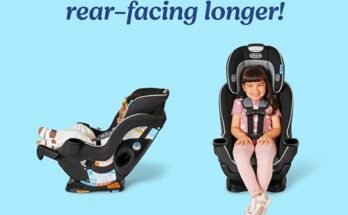
Have you ever wondered if your child’s car seat has an expiration date? It might seem like a simple question, but the answer can be crucial for your child’s safety.
Using an expired car seat can put your little one at risk without you even realizing it. You’ll discover why car seats do expire, how to find the expiration date on your seat, and what to do if your seat is past its prime.
Keep reading to make sure your child stays safe every time you hit the road.
Why Car Seats Have Expiry Dates
Car seats do expire for important reasons. They protect children during car rides. Over time, their ability to do this well decreases. Expiry dates help ensure safety by marking when a seat may no longer perform properly.
Material Wear And Tear
Car seats face daily stress and sun exposure. Plastic parts can weaken and crack over time. Straps and padding also lose strength and support. These changes reduce the seat’s ability to protect a child in a crash.
Safety Standards Updates
New safety rules often improve child protection. Older car seats may not meet the latest standards. Expiry dates encourage parents to switch to safer models. This helps keep children protected by current safety technology.
Manufacturer Recommendations
Car seat makers test their products for safe use length. They set expiry dates based on these tests. Following their advice ensures the seat works as intended. Using a seat beyond the date may risk child safety.
Where To Find The Expiry Date
Finding the expiry date on a car seat is important for safety. The date shows how long the seat is safe to use. Every car seat has this information in specific places. Knowing where to look helps you check if the seat is still good for your child.
Label Locations On The Seat
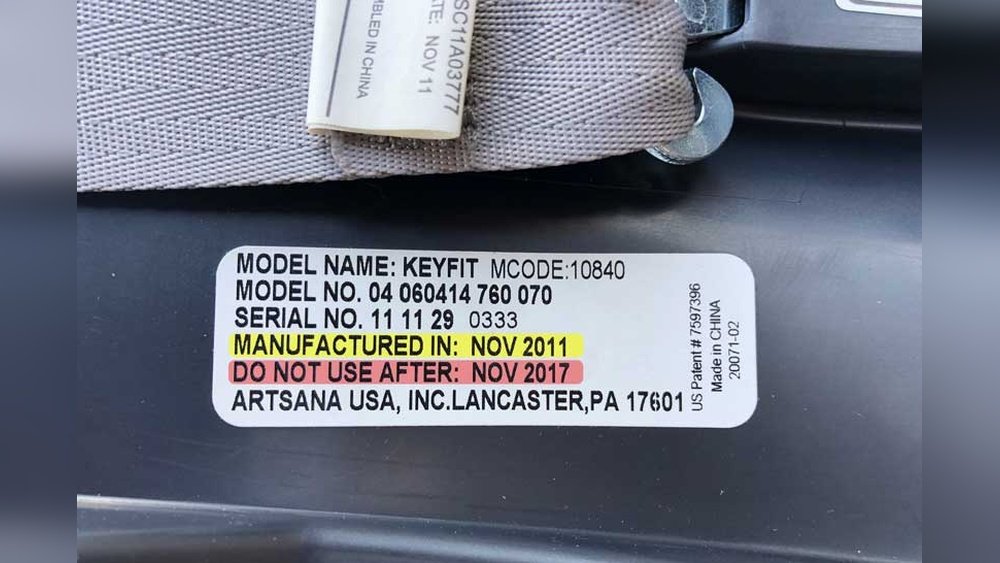
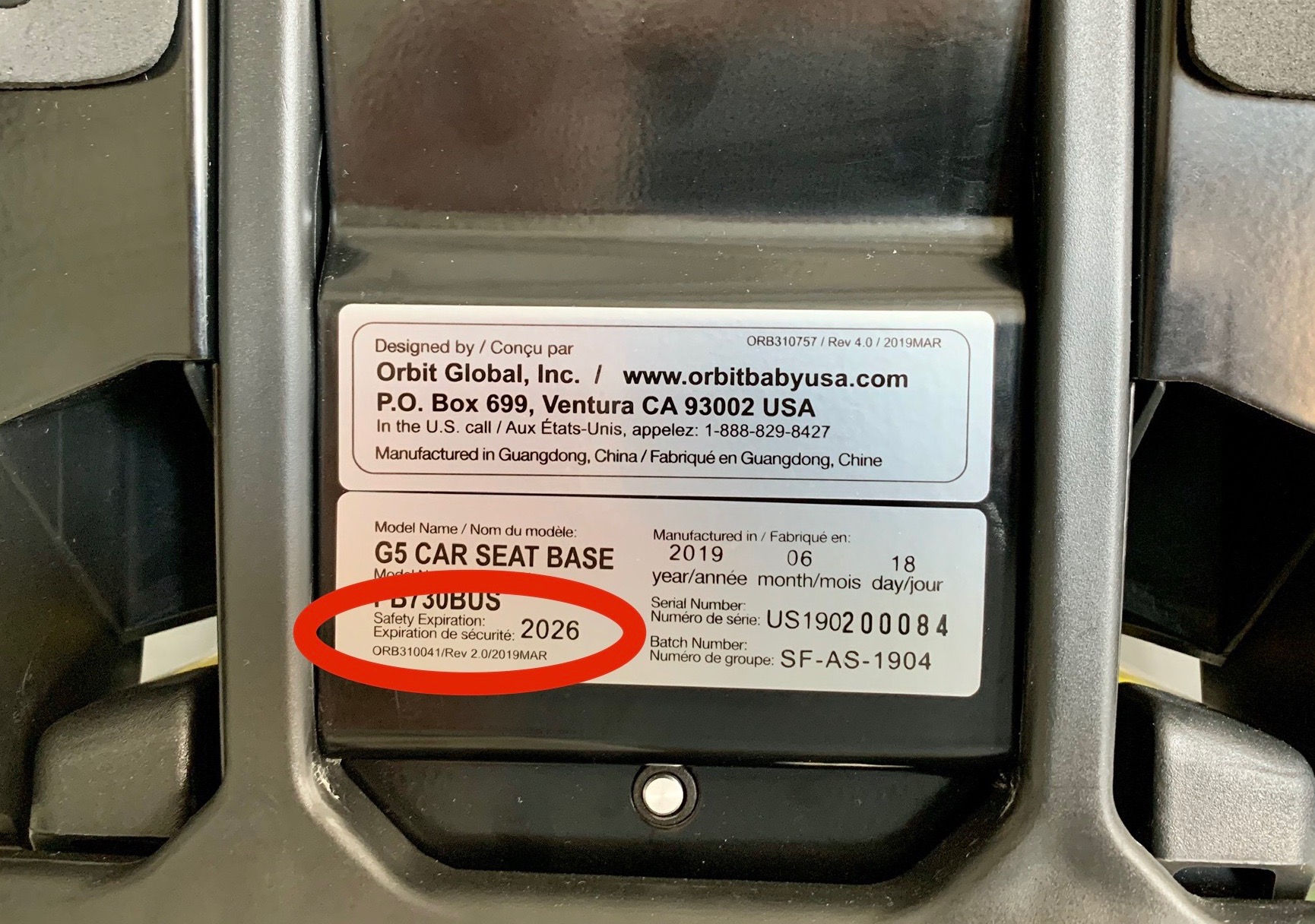
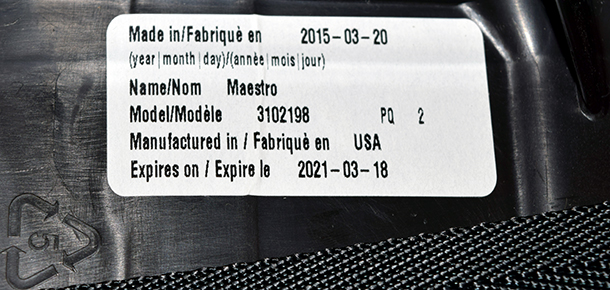
Most car seats have a label with the expiry date. Look on the back or bottom of the seat. Sometimes, the label is under the fabric or padding. The date may say “Expiration Date” or “Use By.” It usually includes the month and year.
Manual And Packaging
The car seat manual is another place to find the expiry date. It often lists important safety details. The original box or packaging may also show the date. Keep these items safe for easy reference.
Online Resources
Check the car seat brand’s website for expiry information. Some brands let you enter the model number to find the date. Online guides and customer service can also help. Use these tools if you cannot find the date on the seat itself.
What Happens After Expiry
Car seats do not last forever. After their expiry date, many changes affect their safety and use. Understanding what happens after expiry helps keep children safe and parents informed.
Expired car seats lose their ability to protect. Materials weaken and parts may fail. This can put children at risk during a crash.
Safety Risks
Plastic and foam in car seats break down over time. This reduces their strength and shock absorption. Expired seats may not absorb crash forces well.
Straps and buckles can wear out or become brittle. They might not hold a child securely in a crash. This increases the chance of injury.
Expired seats may not meet current safety standards. Newer models have improved designs and technology. Using an expired seat means missing out on better protection.
Manufacturer Liability
Manufacturers set expiry dates based on testing and material limits. After the date passes, they stop taking responsibility for safety. Using an expired seat means no support if problems occur.
Expired seats may no longer qualify for recalls or repairs. This leaves parents without help if defects appear. Checking expiry helps avoid these issues.
Insurance Implications
Insurance companies may refuse claims if an expired car seat was involved. They consider expired seats unsafe and not roadworthy. This can cause denied claims after accidents.
Using an expired seat might affect legal liability too. Police or courts may view it as negligence. This can lead to fines or legal trouble.
How To Check For Recalls And Safety Notices
Checking for recalls and safety notices is vital for car seat safety. These alerts warn about defects or issues that can harm your child. Staying updated helps protect your child on every trip. Here are simple ways to check for recalls and safety notices.
Manufacturer Websites
Visit the car seat maker’s official website. Most brands have a recall section. Enter your car seat model number and serial number. The site will show any current recalls or warnings. Bookmark the page for quick future checks.
Government Safety Agencies
Government sites like the National Highway Traffic Safety Administration (NHTSA) list recalls. They update their database regularly. Search by car seat brand or model number. These sites provide detailed safety notices and recall instructions.
Registering Your Car Seat
Register your car seat with the manufacturer after purchase. This step lets the company contact you directly about recalls. You get alerts by mail or email. Registration is free and quick. It is the easiest way to stay informed.
Tips For Extending Car Seat Life
Extending the life of your car seat keeps your child safe and saves money. Proper care helps the seat stay strong and reliable. Follow simple steps to keep your car seat in good shape for longer.
Proper Cleaning Methods
Use mild soap and warm water to clean the car seat. Avoid harsh chemicals that can damage the fabric and plastic. Remove the cover and wash it by hand or use a gentle cycle. Let it air dry completely before putting it back. Clean spills quickly to prevent stains and odors.
Safe Storage Practices
Store the car seat in a cool, dry place away from sunlight. Avoid damp areas that can cause mold or mildew. Keep the seat away from heavy objects that might crush or bend it. Cover the seat with a cloth to protect it from dust. Store it upright to maintain its shape and structure.
Avoiding Damage
Do not drop or throw the car seat. Check for cracks or broken parts regularly. Avoid leaving the car seat in extreme heat or cold inside a vehicle. Tighten all straps and buckles correctly to prevent wear. Keep pets and sharp objects away from the seat to stop tears and scratches.
When To Replace Your Car Seat
Knowing when to replace your car seat is important for your child’s safety. Car seats wear out over time and may not protect well after certain events. Checking the condition and size limits helps keep your child secure on every ride.
After Accidents
Car seats must be replaced after any crash. Even small accidents can weaken the seat’s structure. The damage might not be visible but can reduce safety. Using a seat after a crash is risky and not recommended.
Visible Damage Or Wear
Check your car seat often for cracks, tears, or broken parts. Faded labels or missing pieces also mean it may be unsafe. A worn-out seat cannot protect your child well. Replace the seat if you see any damage or signs of wear.
Outgrown Size Limits
Children must fit in their car seats properly. Each seat has height and weight limits. When your child outgrows these limits, it is time to upgrade. Using a seat too small or large reduces protection and comfort.
Frequently Asked Questions
Do Car Seats Really Expire?
Yes, car seats expire due to wear, safety updates, and material degradation. Expired seats may not protect children effectively.
How Can I Find My Car Seat’s Expiration Date?
Check the label on the car seat’s side or bottom. The expiration date is usually printed there by the manufacturer.
Why Is It Unsafe To Use Expired Car Seats?
Expired car seats lose structural integrity and safety features. They may fail in a crash, increasing injury risk for your child.
Can I Extend The Expiration Date Of My Car Seat?
No, you cannot extend a car seat’s expiration. Always follow the manufacturer’s date to ensure maximum safety.
Conclusion
Car seats do expire, so checking the date is important. Look for a label or sticker on the seat. It usually shows the manufacture date and expiration year. Using an expired car seat can be unsafe for your child. Always replace it after the expiry date or after an accident.
Staying informed keeps your child safe on every trip. Remember, safety should never be compromised. Regular checks make a big difference. Keep your car seat updated and travel with peace of mind.