Are you planning to work on your car’s engine and wondering if an engine hoist will fit your needs? You might be asking yourself, “Do engine hoists work on all car types?” This question is crucial because using the wrong tool can make your job harder or even unsafe.
Imagine lifting your engine smoothly without any hassle—sounds great, right? You’ll discover how engine hoists work, which car types they suit best, and what to watch out for. Keep reading to ensure your next engine project goes off without a hitch!

How Engine Hoists Operate
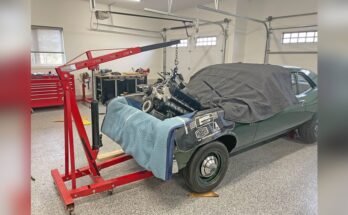
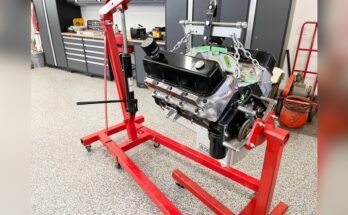
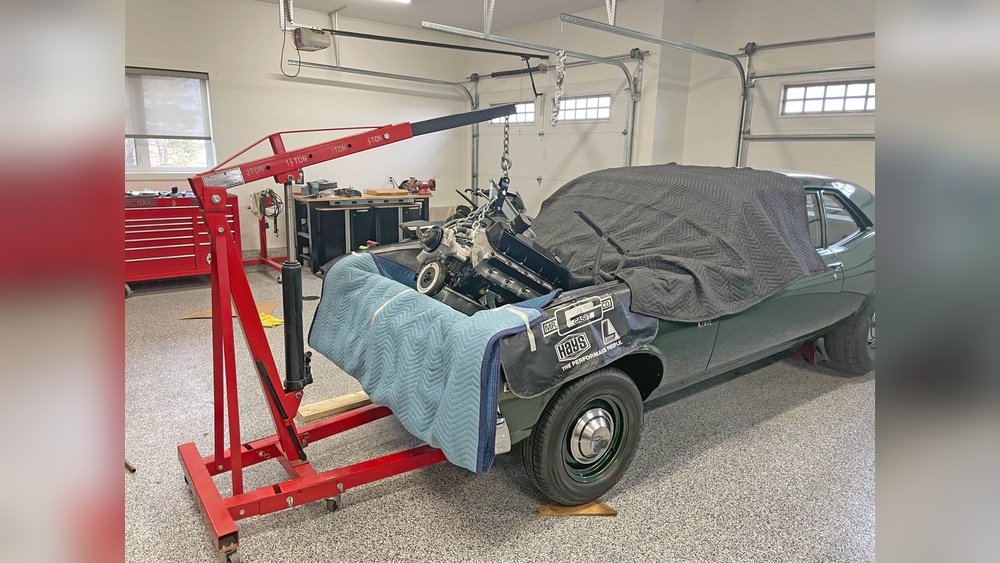
Engine hoists are tools designed to lift heavy car engines safely. They help mechanics and car owners remove or install engines with less effort. Understanding how they operate helps in choosing the right hoist and using it correctly. The operation depends on a simple but strong mechanism that handles large weights.
Basic Mechanism
Engine hoists work using a hydraulic system. A small pump controls a large piston inside a cylinder. When you push the handle, the piston moves up slowly. This lifts the arm of the hoist, raising the engine. The arm extends and can hold heavy weights without bending.
The base of the hoist has wheels. This makes it easy to move the engine around the workshop. Chains or hooks connect the engine to the hoist arm. These parts keep the engine steady and safe during lifting.
Types Of Engine Hoists
There are two main types of engine hoists. The first is the folding hoist. It folds for easy storage and transport. This type is good for small garages and home use.
The second type is the fixed hoist. It has a sturdy, heavy frame that does not fold. It is used in professional shops for heavy and frequent engine work. Both types use the same hydraulic lifting system but differ in size and mobility.
Compatibility With Different Vehicles
Engine hoists are tools designed to lift heavy engines safely. Their compatibility varies with vehicle types. Understanding which hoist suits a car helps prevent damage and ensures safety. Different vehicles require different lifting methods and hoist capacities. Let’s explore how engine hoists work with various vehicle categories.
Sedans And Compact Cars
Sedans and compact cars have smaller engines. Most engine hoists handle these vehicles well. Their lighter weight makes lifting easier and safer. A standard hoist with moderate capacity usually fits. The engine bay is smaller but accessible. Adjusting the hoist arm helps with tight spaces.
Suvs And Trucks
SUVs and trucks have larger, heavier engines. They need hoists with higher weight limits. Stronger frames and hydraulic systems are essential. The hoist must reach deeper engine compartments. Heavy-duty casters improve movement on workshop floors. Proper support is key to avoid accidents.
Sports And Performance Cars
Sports cars often have compact yet powerful engines. Lightweight hoists with precision controls work best. Engine mounts may differ from standard cars. Careful positioning prevents damage to body panels. Some models require special adapters for lifting points. Precision and care are vital during engine removal.
Classic And Vintage Vehicles
Classic and vintage cars need extra caution. Older engines may be fragile or rusted. Engine hoists with adjustable height and angle offer flexibility. Using soft straps protects delicate parts. The hoist should allow slow, steady lifting. This reduces stress on old components and frame.
Weight Capacity And Limits
Engine hoists have weight limits that must be followed for safety. Each hoist can lift only a certain amount. Exceeding the limit can cause accidents or damage. Understanding these limits helps avoid problems and ensures smooth work.
Calculating Engine Weight
Know the exact weight of your engine before lifting. Car engines vary widely in weight. Small engines may weigh a few hundred pounds. Large engines can weigh over a thousand pounds. Check the vehicle manual or search online for engine weight. You can also use a scale if available. Accurate weight helps pick the right hoist.
Matching Hoist Capacity
Choose a hoist with a capacity higher than the engine weight. A hoist rated for 2 tons can lift engines up to 4,000 pounds. Avoid using a hoist near its maximum limit. Leave extra capacity for safety and stability. Using the correct hoist protects your engine and yourself. Always check the hoist’s label before starting work.
Chassis And Frame Considerations
Understanding the chassis and frame is key to using an engine hoist safely. Different cars have different structures. Some frames support hoisting better than others. Knowing these details helps prevent damage and keeps the process smooth.
The hoist needs strong points to lift the engine without harming the car. Not every car offers easy access to these points. This section explains what to check before hoisting.
Access Points For Hoisting
Access points are spots on the car designed to hold weight. These points must be strong and easy to reach. Common spots include engine mounts and frame rails. Some cars hide these points behind parts or covers.
Older cars usually have clear access points. Newer cars may need extra care. Some car models require removing parts to reach the right spots. Identifying these points is the first step in safe hoisting.
Structural Support Requirements
The car’s frame must handle the engine’s weight during lifting. Thin or rusted frames might bend or break. Steel frames usually offer good support. Aluminum or plastic parts do not support hoisting well.
Check the frame for cracks or damage before lifting. Use extra supports if the frame looks weak. Always balance the load to avoid stress on one side. Proper support protects both the car and the hoist operator.
Common Challenges And Solutions
Using engine hoists with all car types can be tricky. Several common challenges can make the job harder. Knowing these challenges helps you plan better. It also helps avoid damage to the engine or car.
Simple solutions exist for most problems. A little care and the right tools can fix many issues. Let’s explore common challenges and how to solve them.
Tight Engine Bays
Some cars have very small spaces around the engine. These tight engine bays limit hoist movement. It makes lifting and removing the engine tough. Use smaller hoists or adjustable arms to fit better. Removing nearby parts first can create more space.
Unusual Engine Mounts
Not all engines use the same mounts. Some mounts are rare or oddly placed. This can block hoist hooks or chains. Study the car’s manual to find mount points. Custom brackets or adapters help connect the hoist safely.
Clearance Issues
Clearance problems happen when the engine won’t clear the car frame. Low roofs or tight frames cause this. Tilt the hoist or angle the engine slightly. Use a hoist with height adjustments. Patience and slow movements avoid scratches or dents.

Safety Tips When Using Engine Hoists
Using an engine hoist can make car repairs easier and faster. Safety is very important while using this tool. Following safety tips helps avoid accidents and damage. Always prepare and check the hoist before lifting the engine. Handle the hoist carefully during the lift. This keeps you and your car safe.
Proper Setup And Inspection
Set the hoist on a flat, stable surface. Check all bolts and nuts are tight. Inspect the lifting chains or straps for damage. Look for cracks or wear on the hoist frame. Test the hoist without a load first. Make sure the hoist moves smoothly. Never use a hoist that looks broken or weak.
Handling And Lifting Precautions
Attach the hoist hooks to strong engine points. Lift the engine slowly and evenly. Watch for any sudden movements or shifts. Keep hands and feet clear during lifting. Do not stand under the engine at any time. Lower the engine carefully to avoid drops. Stop if the engine feels unstable or unbalanced.
Alternatives To Engine Hoists
Engine hoists are common for lifting engines. Still, they do not fit every car type or workspace. Alternatives exist to help with different needs and spaces. These tools offer varied ways to lift, move, or hold engines securely. Understanding each option helps choose the right one for your project.
Engine Cranes
Engine cranes are also called cherry pickers. They have a long arm with a hook to lift engines. Most have wheels for easy movement. These cranes can lift heavy engines from tight spaces. Their adjustable arms help reach different engine sizes and positions.
Cherry Pickers
Cherry pickers are a type of engine crane. They use hydraulic power to lift engines smoothly. The design allows lifting engines straight up or at an angle. These tools are compact and fit small garages well. They make lifting safer and reduce muscle strain.
Engine Stands
Engine stands hold engines after removal. They do not lift but support the engine safely. Stands allow easy access for repairs and cleaning. Many have wheels to move the engine around the workshop. They keep the engine steady and at a good height to work on.

Frequently Asked Questions
Do Engine Hoists Fit All Car Engine Sizes?
Engine hoists come in various capacities to fit different engine sizes. Always check the hoist’s weight limit and arm length before use. Most standard hoists work for common engines, but specialized or very large engines may require specific hoists.
Can Engine Hoists Damage My Car?
If used correctly, engine hoists won’t damage your car. Proper attachment points and secure lifting ensure safety. Incorrect use or unstable setups can cause damage or injury, so follow manufacturer instructions carefully.
Are Engine Hoists Compatible With Electric Cars?
Yes, engine hoists can lift electric car motors if weight limits are respected. Electric motors often differ in shape but not in lifting needs. Always verify the hoist’s capacity matches the motor’s weight.
How Do I Choose The Right Engine Hoist?
Choose an engine hoist based on your car’s engine weight and workspace size. Consider hydraulic capacity, lifting height, and portability. Reading product specs and reviews helps select the best hoist for your needs.
Conclusion
Engine hoists suit many car types but not all. Weight limits and design vary by model. Always check your hoist’s capacity before use. Some cars need special adapters or tools. Safety matters most when lifting an engine. Proper setup helps avoid accidents and damage.
Choose the right hoist for your vehicle’s size. With care and the right gear, hoists make engine work easier. Keep these tips in mind for safe, effective lifting every time.